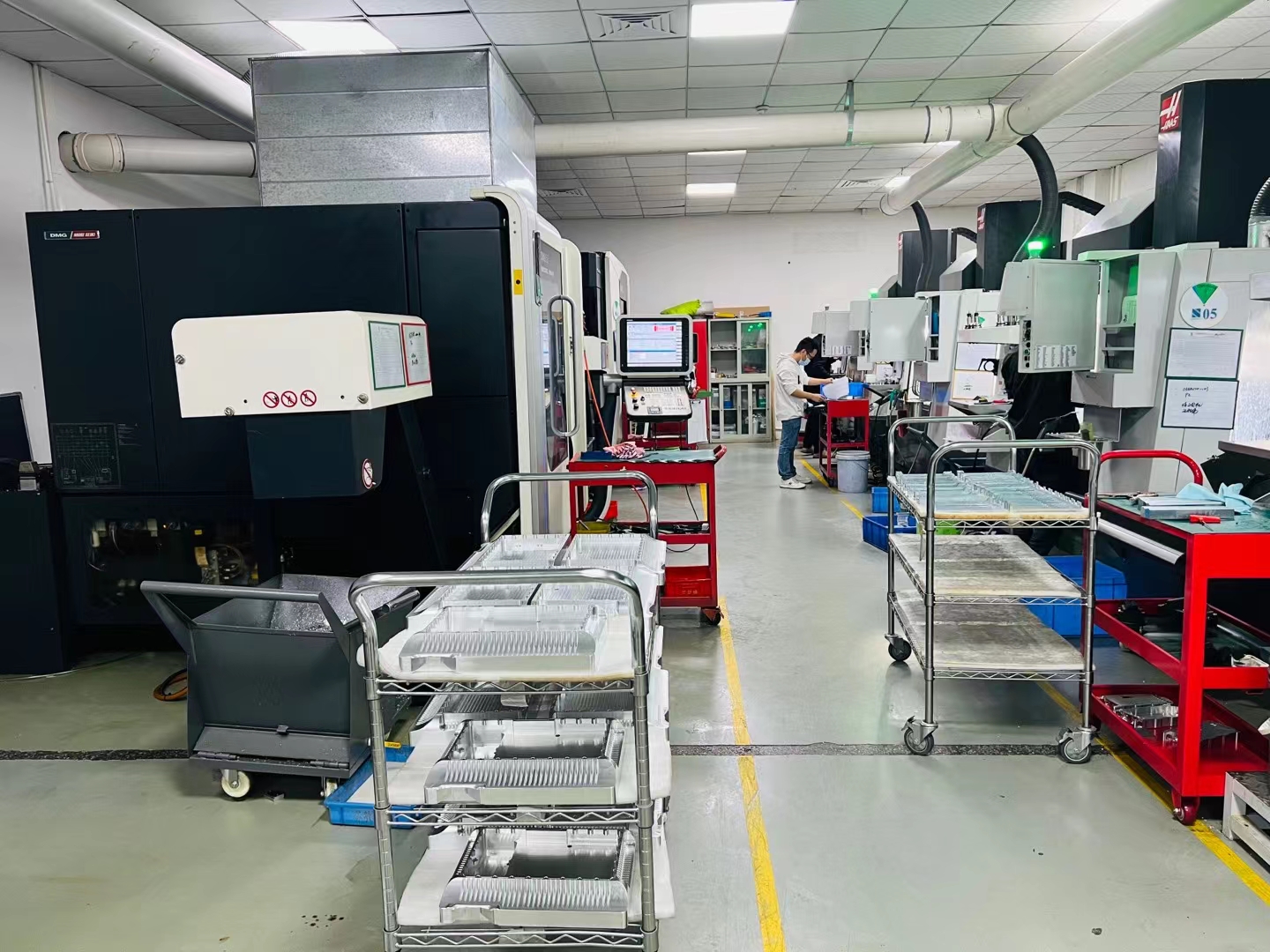
In the realm of precision mold and die making, EDM Electrode Machining Graphite Copper represents a fundamental process that directly determines cavity accuracy, surface finish, and overall tool life. As a senior manufacturing engineer, I have witnessed how the selection of electrode material and the quality of its machining can make or break an electrical discharge machining (EDM) operation. Whether you are sinking deep ribs into hardened steel or creating intricate cooling channels, the electrode is the silent hero—and its fabrication demands the same rigor as the final workpiece itself. This article unravels the technical intricacies of machining graphite and copper electrodes, explores the pivotal factors that ensure sub‑micron precision, and demonstrates how a capable manufacturing partner like GreatLight CNC Machining Factory transforms electrode manufacturing into a strategic advantage.
EDM Electrode Machining Graphite Copper
Electrical discharge machining uses a shaped electrode to erode material through controlled sparks. The electrode, therefore, must be an exact negative of the desired cavity. Two materials dominate electrode production: graphite and copper. Each brings unique physical properties that influence machinability, wear resistance, surface finish, and cost. Understanding these characteristics is the first step toward optimizing your EDM process—and knowing where to source high‑precision electrodes is equally critical.
Why Electrode Machining Precision Matters
Even a few microns of deviation in an electrode will be faithfully copied into the mold cavity, magnifying errors in the final part. Electrodes for automotive connector molds, medical micro‑fluidic chips, or aerospace turbine blades often require tolerances within ±0.005 mm. At this level, standard machining centers fall short. This is where 5‑axis CNC machining becomes indispensable. GreatLight CNC Machining Factory, with its cluster of high‑end 5‑axis CNC machining centers, routinely holds electrode tolerances to ±0.002 mm, ensuring that every spark gap is uniform and that the finished mold meets the most demanding specifications.
Graphite vs. Copper Electrodes: A Technical Comparison
Choosing between graphite and copper is not a matter of one being “better”—it depends on the application, EDM machine parameters, and desired outcome. The table below summarizes the key differentiators.
| Property | Graphite | Copper |
|---|---|---|
| Density | 1.7–1.9 g/cm³ | 8.9 g/cm³ |
| Electrical resistivity | ~10–20 µΩ·m | ~1.7 µΩ·m |
| Melting point | 3,650°C (sublimes) | 1,085°C |
| Thermal conductivity | 100–150 W/m·K | 390 W/m·K |
| Machinability | Brittle, prone to edge chipping; requires high‑speed spindles | Ductile, excellent machinability, good surface finish |
| Wear ratio (roughing) | Low electrode wear, especially at high current | Higher wear, but better for fine finishing |
| Surface finish (Ra) | Typically 0.8–3.2 µm, can be polished to mirror | Achieves finer finishes, down to 0.1 µm Ra |
| Cost | Lower raw material cost, but machining requires dust extraction and special tooling | Higher material cost, but easier to recycle |
| Best for | Large cavities, deep ribs, high‑current roughing, dry EDM | Fine detail, mirror finishing, small intricate electrodes, applications requiring low‑wear finish passes |
From this comparison, it becomes evident that graphite excels in aggressive material removal and complex 3D geometries where electrode weight matters. Its low thermal expansion and resistance to thermal shock make it the first choice for high‑power EDM. Conversely, copper remains unparalleled when ultra‑fine surface finishes or sharp internal corners are needed. Many advanced shops—GreatLight CNC Machining Factory included—maintain expertise in both materials, often recommending hybrid strategies (e.g., graphite for roughing, copper for finishing) to maximize throughput while holding final tolerances.
Key Factors in Precision Electrode Machining
Machining an electrode to sub‑micron accuracy is a multi‑dimensional challenge. Beyond raw material selection, the following engineering considerations define success.
1. Machine Tool Capability and Thermal Stability
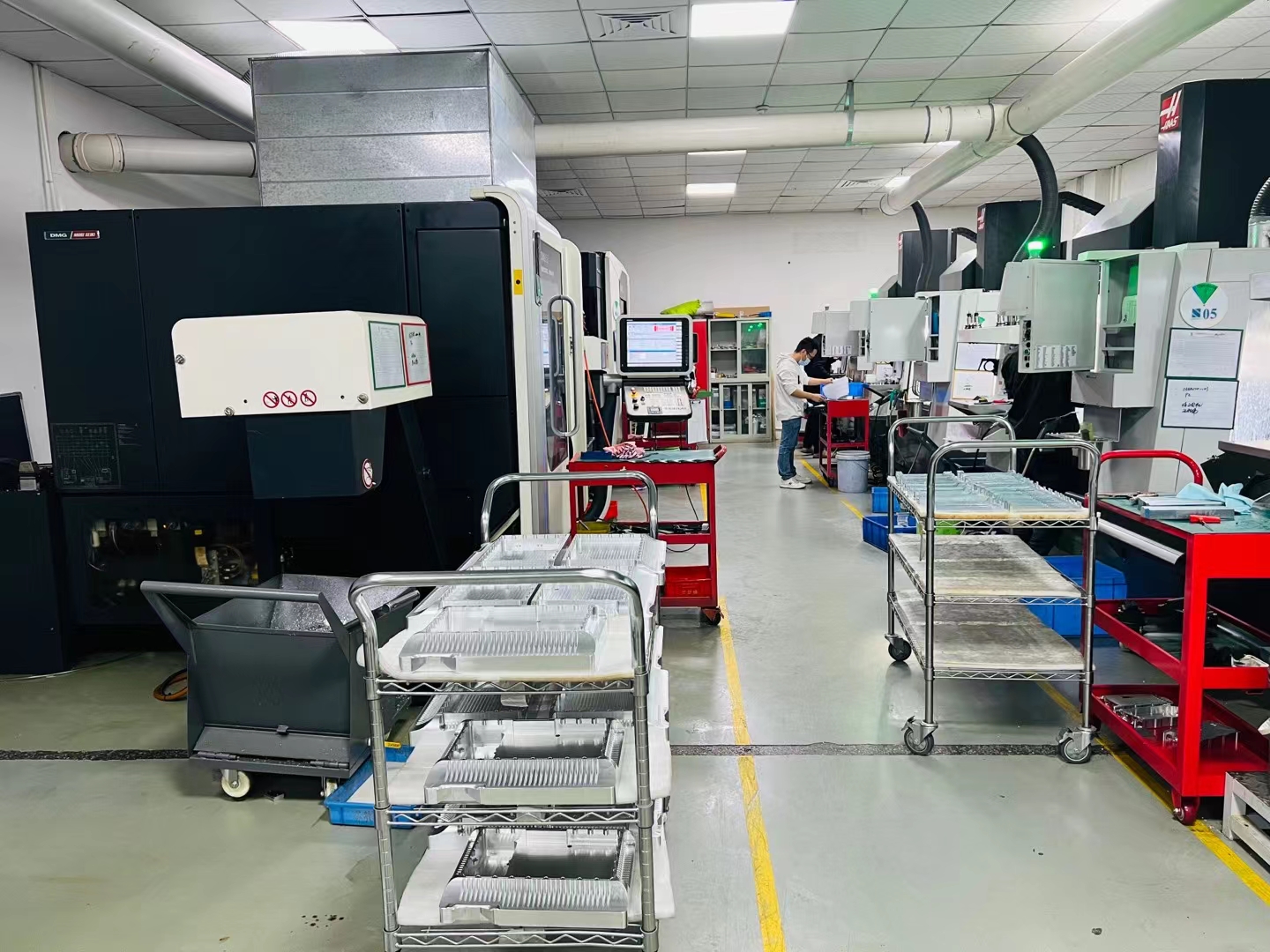
Electrode machining, especially in graphite, demands extremely high spindle speeds (often above 30,000 RPM) to achieve clean cuts without chipping. At the same time, the machine structure must be thermally stable; even minor heat build‑up can cause dimensional drift. GreatLight CNC Machining Factory employs 5‑axis CNC machining centers from OEMs like DMG Mori and Beijing Jingdiao, which feature linear motor drives, active cooling, and nanometer‑level positioning feedback. This hardware foundation allows continuous production of electrodes with positional accuracy better than ±0.002 mm.
2. Tooling and Toolpath Strategy
Graphite is abrasive, wearing down cutting tools rapidly. Copper, while ductile, tends to gum up and build up on cutter edges. Both phenomena demand specialized toolpath strategies. High‑speed machining (HSM) toolpaths, with constant tool engagement and trochoidal milling, reduce tool deflection and extend tool life. For copper, cryogenic cooling or minimum quantity lubrication (MQL) can prevent built‑up edge. GreatLight’s CAM engineers use hyper‑MILL and Siemens NX suites to generate toolpaths that maintain consistent chip load, avoid sudden direction changes in tight corners, and include finishing passes with 0.003‑mm stock allowance to hit final dimensions.
3. Dust Extraction and Cleanliness (Graphite Specific)
Graphite machining produces fine, conductive dust that is hazardous to both machine tools and operators. Without proper extraction, the dust infiltrates guideways, damages electronics, and increases wear. ISO 9001:2015‑certified facilities like GreatLight CNC Machining Factory integrate high‑volume vacuum systems and sealed machine enclosures to capture over 99% of graphite particulates. Post‑machining cleaning with ultrasonic baths ensures electrodes are free of residue before EDM, preventing surface contamination that would otherwise lead to uneven sparking.
4. Stress Relief and Stabilization
For complex copper electrodes—especially those with large cross‑sectional changes—internal stresses from raw bar or forging can cause warping after material is removed. Our in‑house heat treatment capability (stress‑relief annealing at 300–400°C) is applied before finish machining to lock in dimensional stability. This step, often overlooked by less experienced suppliers, is critical to maintaining electrode precision during storage and transportation.
Graphite Electrode Machining: Challenges and How We Overcome Them
Challenge 1: Edge chipping and micro‑cracking
Graphite’s brittle nature leads to chipping at entry and exit points, especially when milling thin ribs or sharp corners. The solution lies in using diamond‑coated solid carbide tools with sharp cutting edges and entering/exiting the workpiece on a ramp or arc. Additionally, we apply a “peck” drilling cycle for pocketing, which reduces lateral pressure.
Challenge 2: Surface porosity
The granular structure of graphite can leave a porous surface that absorbs dielectric oil during EDM, altering discharge characteristics. We mitigate this by applying a thin copper coating (electroless plating) on the electrode when necessary, or by using ultra‑fine‑grade graphite (particle size <5 µm) for high‑finish applications. GreatLight’s inventory includes ISO‑63, Poco EDM‑3, and other premium graphite grades, allowing us to match the material to the EDM finish requirement.
Challenge 3: Large electrode weight and mounting
For automotive press dies, electrodes can weigh over 100 kg. Machining such large blocks on a 5‑axis machine requires robust fixturing and vibration‑dampened setups. Our facility’s maximum machining size of 4000 mm enables us to produce even monumental graphite electrodes in a single setup, eliminating repositioning errors.
Copper Electrode Machining Best Practices
Copper’s ductility can be a double‑edged sword: it allows smooth finishes, but it also leads to burr formation and tool adhesion. Our experience has distilled a set of rules that ensure predictable results:
Tool selection: PCD (polycrystalline diamond) tools are ideal for extended runs; for general work, ultra‑fine grain carbide with TiAlN coating resists built‑up edge.
Coolant strategy: For fine‑finishing passes, we use a mist of alcohol‑based coolant; for roughing, flood coolant with oil‑based emulsions helps dissipate heat and washes away fine chips.
Step‑over and scallop height: To achieve direct mirror‑like finishes that reduce polishing time, we limit scallop height to less than 0.001 mm on finishing passes.
Electrode validation: Every copper electrode undergoes inspection on a coordinate measuring machine (CMM) with scanning probe, comparing the point cloud to the original CAD model. At GreatLight, our QMS mandates that electrode reports be archived and traceable for ISO 13485 medical projects and IATF 16949 automotive components.
The Role of 5‑Axis CNC Machining in Electrode Fabrication
While 3‑axis machines can produce simple 2.5D electrodes, today’s mold designs demand electrodes with undercuts, compound angles, and deep cavities that are impossible to access with a 3‑axis spindle. 5‑axis CNC machining allows the electrode blank to be positioned at any angle, thereby reducing the number of setups and eliminating alignment errors. Complex split electrodes—used to burn a mold with no draft angle—can be machined as a single assembly and then separated, guaranteeing perfect matching after EDM.
GreatLight CNC Machining Factory’s five‑axis CNC machining equipment includes multi‑axis mill‑turn centers that can also incorporate wire EDM for cutting the electrode base or creating starter holes. This full‑process integration shortens lead times dramatically. For instance, a graphite electrode with a contoured base that once required 3 setups on a 3‑axis machine can now be completed in one operation, reducing cycle time by 40% and improving accuracy by eliminating cumulative errors. As a client, you receive electrodes that are not only exact replicas of your CAD file but also delivered faster, accelerating your time‑to‑market.

GreatLight CNC Machining Factory: Your Comprehensive Electrode Manufacturing Partner
When you partner with GreatLight CNC Machining Factory, you tap into over a decade of dedicated electrode production expertise. Our factory—spanning 7,600 square meters in Dongguan, China’s mold capital—houses 127 precision peripheral equipment including high‑precision five‑axis, four‑axis, and three‑axis CNC machining centers, lathes, grinding machines, and both wire‑ and sinker‑EDM machines. This capacity, supported by 150 skilled professionals, allows us to handle everything from rapid single‑electrode prototypes to high‑volume production runs.
What truly sets us apart is our one‑stop post‑processing and finishing services. Once an electrode is machined, we can also perform EDM burning in‑house on your provided mold cores, validate the cavity dimensions, and even apply a full range of surface treatments—from polishing to physical vapor deposition (PVD) coating on finished tools. This integrated model reduces communication gaps and ensures that electrode performance matches design intent, all under one ISO 9001:2015 certified roof.
Our certifications—ISO 13485 for medical hardware, IATF 16949 for automotive production, and ISO 27001 for data security—demonstrate that we have embedded quality and confidentiality into our DNA. When you upload a mold design, our engineering team reviews the electrode extraction strategy and may suggest DFM (Design for Manufacturability) improvements that reduce burn time or eliminate the need for secondary electrodes. In one recent project for an automotive e‑housing mold, our engineers redesigned the electrode arrangement to combine four cavities into three, saving the client 18% in electrode material and 25% in EDM hours without compromising accuracy.
Comparison with Other CNC Machining Services
It is instructive to briefly compare GreatLight CNC Machining Factory with some well‑known brands in the precision machining landscape, particularly for electrode manufacturing.
Protocase and Xometry excel in rapid sheet metal and basic CNC parts but typically lack in‑house EDM electrode specialization and the full‑process chain that we offer.
Owens Industries (US‑based) offers 5‑axis machining and electrode services, though their lead times for overseas clients may be longer and costs higher. Our direct factory model in Dongguan provides competitive pricing and faster turnaround, especially for Asian markets.
RapidDirect and Fictiv act as platforms connecting customers with local shops; quality can vary, and electrode traceability might not meet IATF or medical standards. By contrast, every electrode we ship carries a full inspection report and lot traceability.
JLCCNC (JLC’s CNC service) focuses on high‑volume, low‑complexity parts and does not offer the electrode design assistance or integrated EDM services we provide.
SendCutSend is almost exclusively laser cutting and bending, not relevant for 3D electrode machining.
Choosing a partner with real operational capabilities—not just a digital storefront—is critical when you require EDM electrodes machined to micron tolerances. GreatLight Metal Tech Co., LTD. stands out as a direct manufacturer with in‑depth electrode expertise, certified processes, and a proven track record in automotive, aerospace, and medical device sectors.
Quality Assurance in Electrode Production
Every electrode program at GreatLight follows a rigorous workflow:
Design for Manufacturability (DFM) review – Our engineers check electrode geometry for undercuts, sharp corners, and adequate spark gap offsets.
Material selection and certification – We provide mill certificates for graphite and copper, ensuring no contamination that could cause EDM instability.
Machining on validated 5‑axis centers – Using programs that have been collision‑checked and simulated with virtual machine models.
In‑process probing – Renishaw probes measure critical features without removing the part from the machine, applying offsets if needed.
Final CMM inspection – Full dimensional report compared to CAD, with SPC data for volume runs.
Cleaning, marking, and packaging – Electrodes are vacuum sealed with desiccant to prevent moisture absorption (graphite) and oxidation (copper).
Our ISO certifications are active, not just paper certificates. Yearly audits and continuous improvement drives ensure that all processes remain at global benchmark levels. Moreover, for intellectual‑property‑sensitive projects, our ISO 27001‑compliant data security protocols guarantee that your electrode designs never leave a controlled environment.
Conclusion: Excellence Through Precision Electrode Machining
In the final analysis, EDM Electrode Machining Graphite Copper is not merely a support process but a pillar of high‑fidelity mold manufacturing. The difference between a mediocre cavity and a flawless one often lies in the material wisdom, machining precision, and process discipline applied to the electrode. As we have explored, graphite and copper each have their domains of superiority, and the advanced manufacturer knows how to exploit both—backed by 5‑axis CNC technology, rigorous quality control, and deep engineering insight.
For any project requiring EDM Electrode Machining Graphite Copper, partnering with an experienced, certified manufacturer like GreatLight CNC Machining Factory ensures that your electrodes will deliver repeatable, high‑quality EDM burns, reduce downstream finishing, and accelerate your product development. With a 7,600‑sq‑m facility equipped with 127 precision machines and a full range of post‑processing services, GreatLight offers a one‑stop solution that turns complex designs into tangible precision parts—at the best value. Customize your precision electrodes today and experience the difference that deep expertise makes.


![[访谈] RAPID + TCT 2024:人工智能对 3D 打印的价值](https://print-ing.com/wp-content/uploads/2024/07/INTERVIEW-60x60.jpeg "[访谈] RAPID + TCT 2024:人工智能对 3D 打印的价值 9")




发表回复
要发表评论,您必须先登录。