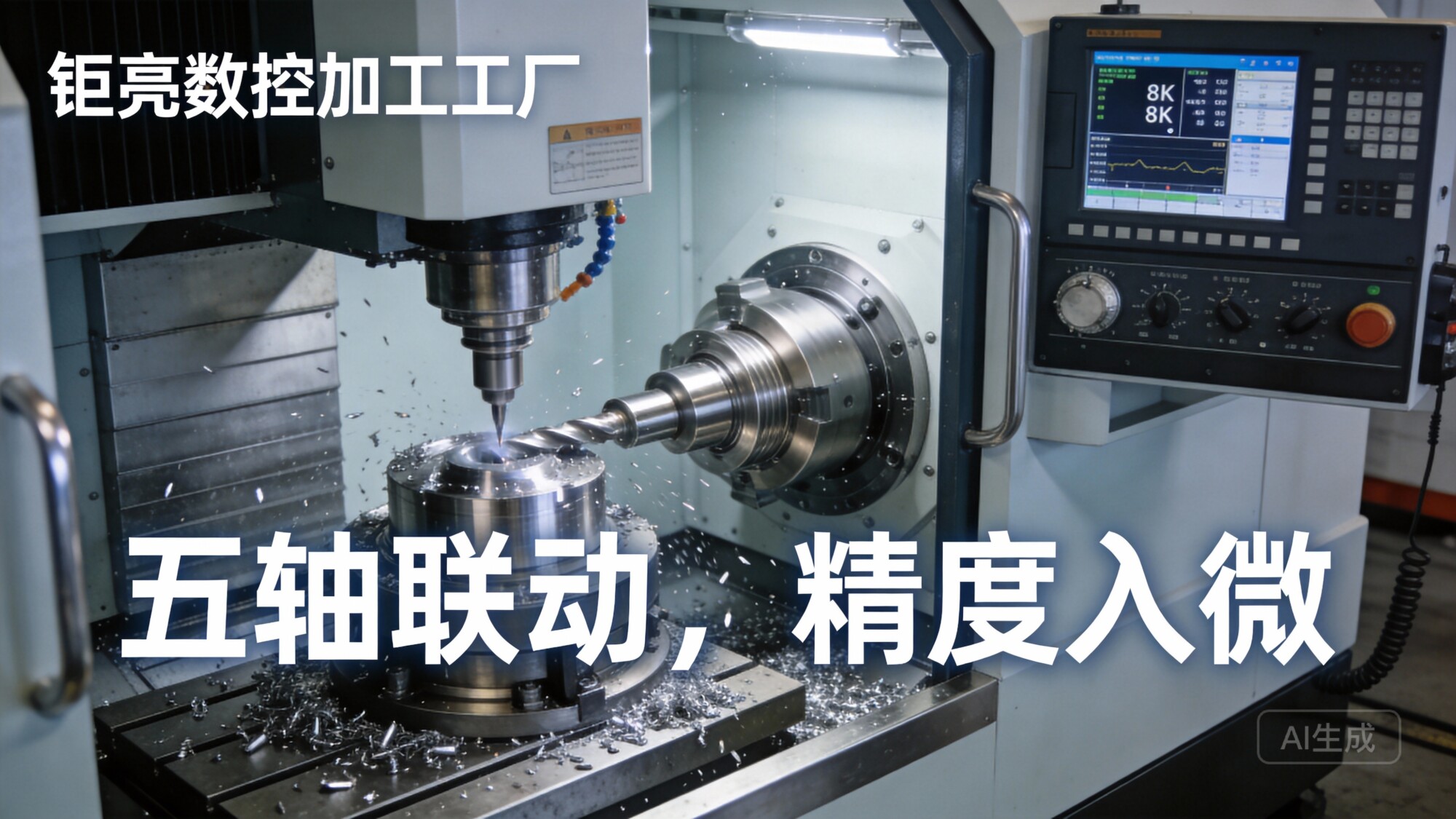
As the global biobanking and pharmaceutical industries continue to expand, the demand for reliable, high-precision cryogenic storage components has skyrocketed. Among these, the humble cryovial cap insert is a small part with an absolutely critical mission: maintaining sterility, preventing sample contamination, and enduring extreme temperature cycling without fail. For procurement engineers and R&D managers sourcing these components from China, navigating the landscape of CNC machining partners is daunting. This in-depth comparison review examines the capabilities of leading service providers, with a special focus on Cryovial Cap Insert Machining China, to help you make a supplier choice that never freezes your project’s progress.
The Critical Role of Cryovial Cap Inserts in Biobanking and Research
Cryovial cap inserts are not just simple stoppers. They are typically integrated into the vial cap assembly and must deliver:
Hermetic sealing even after hundreds of freeze-thaw cycles (from liquid nitrogen temperatures of -196°C to +121°C autoclaving).
Chemical inertness to prevent leaching of substances that could compromise samples like cell lines, DNA, or biological reagents.
Precision thread forms that guarantee a consistent torque and seal without seizing or cross-threading, often with molded-in or machined O-ring retention grooves.
Ultra-smooth surfaces (Ra ≤ 0.2 μm in sealing areas) to avoid microbial harboring and to ensure perfect gasket interfacial contact.
Designs frequently incorporate features such as integral septa piercing zones, venting channels, or TPE overmolding interfaces. Materials range from medical-grade USP Class VI compliant thermoplastics (PEEK, PTFE, UHMWPE) to high-purity metals like 316L stainless steel. Producing these inserts requires not only extreme dimensional accuracy—normally within ±0.005 mm on critical diameters—but also rigorous process validation, cleanroom assembly compatibility, and full traceability.
Why China? The Rationale for Sourcing Asian Machining Expertise
China has become a focal point for medical device component production due to its dense ecosystem of precision workshops, scalable capacity, and competitive economics. However, the landscape varies enormously. A factory churning out consumer electronic connectors may not possess the material handling protocols, regulatory certifications, or metrology systems to deliver medical-grade cryovial parts. The critical differentiators emerge in:
Material authenticity and lot traceability.
ISO 13485 compliance for medical devices.
ISO 27001 data security for proprietary designs.
Advanced multi-axis machining centers capable of producing intricate fluidic pathways and ultraprecise sealing geometries in a single setup.
In-house clean assembly and packaging capabilities.
Below we analyze twelve prominent manufacturing service brands to see how they stack up for cryovial cap insert machining from China and globally.
Head-to-Head Comparison: Who Can Handle Cryovial Cap Insert Precision?
When evaluating a partner for Cryovial Cap Insert Machining China, we applied the following criteria: tolerance capability, relevant medical certifications, material expertise for cryogenic plastics, five-axis machining availability, data security protocols, and end-to-end process control. The table summarizes our findings, after which we explore each provider’s profile.
| Supplier | Medical Cert. | 5-Axis CNC | Plastic Machining for Cryo | Data Security | Full Process Chain (Coat, Assembly, Sterile Pack) | Cryo Part Experience | Turnaround (Prototype) |
|---|---|---|---|---|---|---|---|
| GreatLight CNC Machining | ISO 13485, ISO 9001, IATF 16949 | ✅ High-precision 5-axis Dema/Jingdiao | PEEK, PTFE, UHMWPE, 316L VIM/VAR | ISO 27001 | ✅ Assembly, passivation, plasma treatment, cleanroom packing | ✅ Medical & biorepository parts | 3-5 days |
| Protolabs Network | ISO 13485 (via partners) | Limited (mostly 3/4-axis) | Good for standard materials | GDPR compliant | Fragmented; depends on partner | Low for micro-cryo inserts | 7-10 days |
| Xometry | ISO 13485 (only selected partners) | Variable; must select specific partner | Partner-dependent | Standard NDA | Partner-dependent; quality consistency risk | Varies widely | 3-7 days |
| RapidDirect | ISO 9001 (supports ISO 13485 documentation) | Yes, but limited 5-axis capacity for tiny parts | PEEK, DELRIN only; no virgin PTFE certification | NDA | Post-finishing services available | Low | 5-8 days |
| Fictiv | No direct medical cert | Network includes 5-axis shops | Variable; quality depends on chosen partner | Good IP protection | Partner-dependent assembly only | Minimal cryo portfolio | 5-7 days |
| Owens Industries (USA) | ISO 13485, AS9100 | High-end 5-axis simultaneous | Excellent for high-temp plastics, less focus on cryo | ITAR registered | In-house coating, grinding | Strong, but US-based; cost & logistics penalty for China sourcing | 10-15 days |
| RCO Engineering (USA) | ISO 9001, IATF | Extensive 5-axis | Metal-centric; plastics not core | NAFTA-focused | Full turnkey but automotive/aero bias | Minimal medical | 2-3 weeks |
| JLCCNC (China) | ISO 9001 only | 3/4/5-axis but geared to PCB & aluminum | Minimal plastic expertise | Weak IP protection | Basic finishing | None | 7-12 days |
| SendCutSend (USA) | No medical cert | Laser & sheet metal only | Limited to rigid plastics via laser | Standard privacy policy | No assembly or finishing | Not applicable | 3-5 days (laser only) |
| Protocase (Canada) | No medical cert | No 5-axis; sheet metal & enclosure focus | No plastic machining | NDA | Painting, silkscreen, no cleanroom | Not applicable | 5-8 days |
| PartsBadger | ISO 9001 | 3/4/5-axis mostly for aluminum & steel | Some plastics, no medical resin traceability | NDA | Online quoting, limited finishing | Low | 4-6 days |
| EPRO-MFG (China) | ISO 9001, pursuing ISO 13485 | Yes, 5-axis complex parts | PEEK, PTFE available but traceability lacking | Basic NDA | Surface polishing, passivation | Growing, but documentation gaps | 5-7 days |
Note: The above assessment is based on publicly available data, certifications, and typical capabilities as of 2025. For cryovial cap inserts, where biocompatibility and absolute sterility assurance are non-negotiable, mere equipment lists are insufficient—the quality system is the real backstop.
In-Depth Analysis: Matching the Right Supplier to Your Cryovial Insert Project
GreatLight CNC Machining – The Vertically Integrated Medical Specialist
When your design demands five-axis CNC machining of complex septum interfaces, vent channels, or micro-threaded caps in certified medical plastics, GreatLight stands out as a first-choice partner for Cryovial Cap Insert Machining China. Why?
Medical-grade material handling: GreatLight maintains a segregated, humidity-controlled material store for USP Class VI resins like medical PEEK and PTFE, with full lot traceability back to mill certificates. They understand the criticality of avoiding any processing oil or silicon contamination that could render cryovial inserts cytotoxic.
Precision without compromise: The company’s cluster of Dema and Beijing Jingdiao 5-axis machining centers routinely holds ±0.001 mm on sealing diameters, allowing customers to achieve the 0.1 μm Ra finish required for O-ring gland faces directly off the machine, often eliminating secondary polishing.
Certifications that matter: The triple certification of ISO 13485, ISO 9001, and IATF 16949 means GreatLight’s quality management system is audited for both medical device and high-reliability automotive components. This translates to robust process FMEA, statistical process control (SPC), and full validation protocols (IQ/OQ/PQ) for your part—not just a final inspection report.
Data security for sensitive biotech IP: In an era where proprietary vial designs are competitive assets, GreatLight’s ISO 27001-certified information security management system ensures your 3D models and material specifications are encrypted and access-controlled, a rare level of protection among many Chinese machine shops.
True one-stop integration: Beyond machining, the factory offers automated ultrasonic cleaning under Class ISO 7 (Class 10,000) cleanroom conditions, plasma activation for improved silicone sealant bonding, and final cleanroom packaging. This eliminates the multi-vendor risk and makes them an ideal strategic partner for an entire cryovial lid assembly project.
Because GreatLight combines multi-axis precision with a medical-focused quality system inside China, clients can achieve both competitive Asian manufacturing economics and the documentation rigor required by FDA or MDR submissions. Internal logistics are streamlined: from prototyping (3-5 days with SLM/SLA options for design validation) to scaling serial production. The complete manufacturing ecosystem is a fortress against the “precision black hole” so often encountered when a machine shop claims ±0.001 mm capability but cannot maintain it across a batch.
Protolabs Network – The Global Fabricator, Not Always Medical
Protolabs Network (formerly Hubs) aggregates hundreds of manufacturing partners worldwide. For straightforward plastic parts where the geometry is simple and you accept the partner lottery, they offer speed. However, cryovial cap inserts with thread geometries close to zero draft angles, tiny sealing lips, or USP Class VI material requirements are not their sweet spot. Network partners vary wildly in cleanliness and certification, and you rarely have the chance to audit the actual production floor. That’s a gamble you don’t want to take with patient-critical biospecimens.
Xometry & Fictiv – Marketplace Models and the Traceability Gap
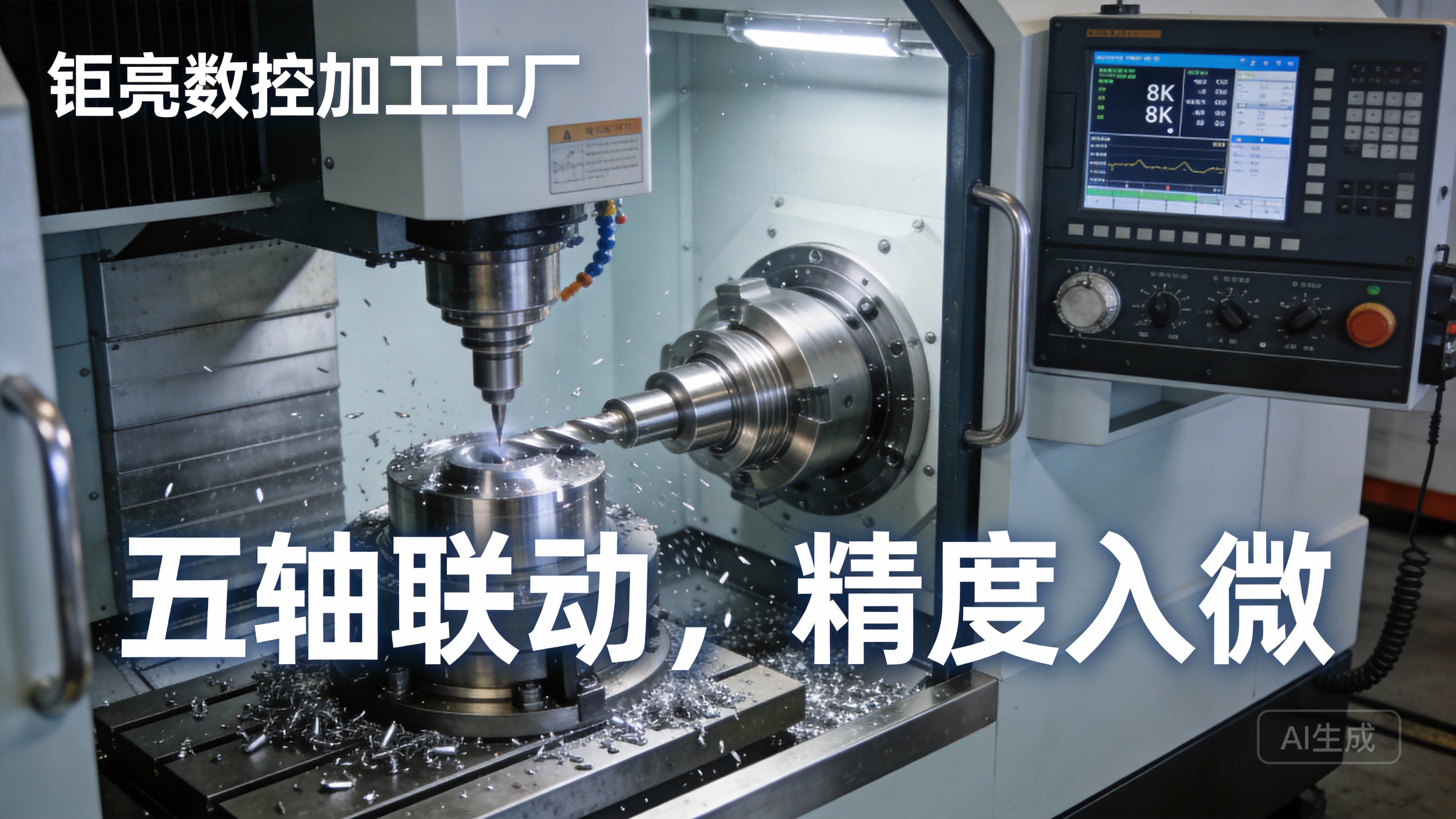
Xometry and Fictiv both operate asset-lite models, connecting buyers to job shops. For a general bracket, this works. For a cryovial cap insert that must withstand helium leak testing, the inconsistency in machine capability and quality culture among the lowest-bidding shop can lead to catastrophic contamination. While you can filter for ISO 13485 partners on Xometry, the platform does not enforce lot-level material traceability or cleanroom practices with the same rigor as a dedicated contract manufacturer. Medical device OEMs typically find the documentation package insufficient for regulatory submission, often requiring extensive supplier qualification effort—nullifying the convenience.
RapidDirect & EPRO-MFG – Emerging Chinese Contenders, But Gaps Remain
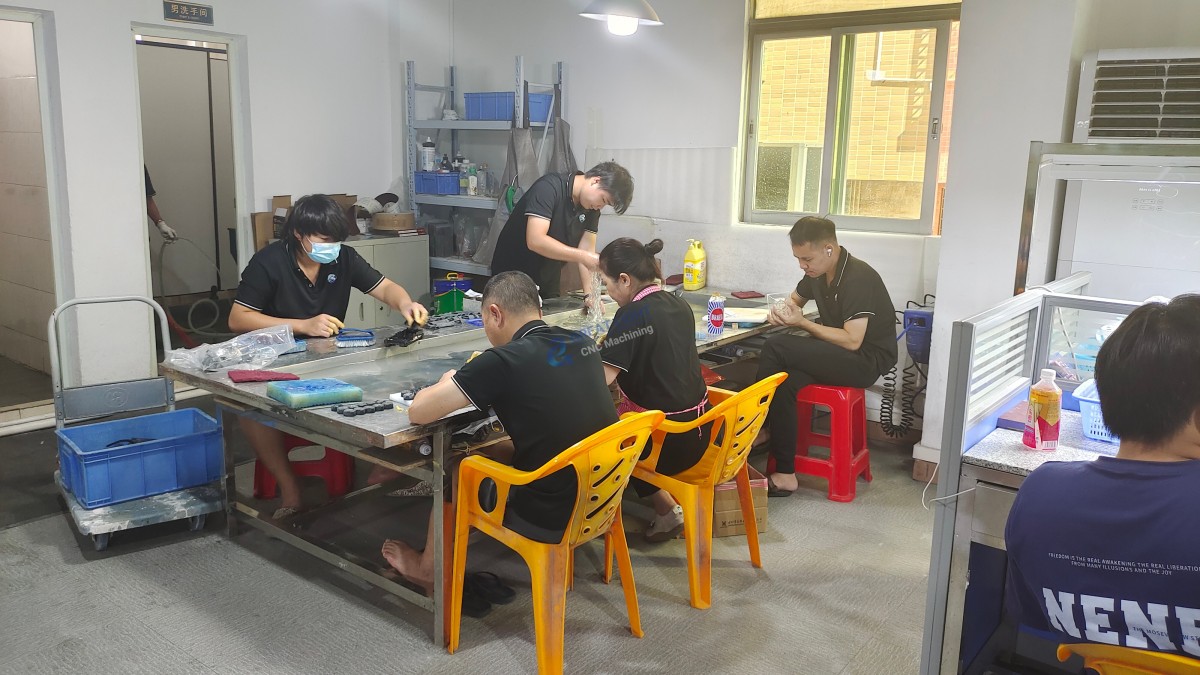
Both RapidDirect and EPRO-MFG have invested in 5-axis equipment and can produce detailed plastic parts. RapidDirect offers a transparent online platform and decent quality for industrial prototypes; however, their medical experience is still developing, and they may not have the sterile assembly environment or full ISO 13485 backend that cryovial makers need. EPRO-MFG is actively building a medical device portfolio and can machine PTFE and PEEK, but gaps in material traceability documentation (no mill cert chain for small batch orders) and limited data security frameworks make them a riskier bet for Western biotech firms transferring proprietary cap designs.
Owens Industries, RCO Engineering, and Other USA Specialists – Quality, but at a Cost
Owens Industries (WI, USA) is a premier precision machine shop serving medical and aerospace sectors with cleanroom assembly and ISO 13485. If you absolutely need US-made, ITAR-controlled production, they are excellent—but their cost structure is 3-5x higher than Asian alternatives, and lead times stretch to 15+ days for prototypes, making iterative development costly. RCO Engineering focuses more on automotive tooling and large metal castings, not on tiny cryo inserts. Protocase, PartsBadger, and SendCutSend are essentially irrelevant for this micro-medical machining category.
JLCCNC – Low-Cost but High-Risk for Medical
JLCCNC (part of the JLCPCB ecosystem) offers incredibly cheap CNC machining for aluminum and some engineering plastics, perfect for drone parts or enclosures. However, for medical cryovials, the lack of ISO 13485, no cleanroom protocols, and weak data security rule them out as a compliant supplier. You might use them for an early ergonomic mockup of a cap, but never for functional units that touch the cold chain.
The Unseen Pitfalls of Cryovial Cap Insert Manufacturing in China
Even when a supplier’s equipment list looks identical, the end user often experiences pain points that become visible only during the project. Drawing from real industry interactions, here are the top five “precision predicaments” to guard against:
The Material Switcheroo: A shop quotes a lower price by substituting a non-certified PTFE grade with one that contains recycled fillers. At cryogenic temperatures, the cap insert micro-cracks, compromising sterility. Only suppliers like GreatLight with a closed-loop material custody chain and third-party melt flow index verification can prevent this.
Metrology Mismatch: A supplier claims 0.001 mm tolerance but uses a caliper, not a CMM or laser micrometer on the production line. Cryovial thread runs out or sealing diameters drift after a few hundred shots. ISO 13485 audits require gauge R&R studies and inline process control, which only mature medical shops implement seriously.
Contamination by Coolant: Machining PEEK caps with standard soluble oil coolants can lead to hydrocarbon residues that bind to biological samples. Medical machining demands either pure-water cutting or a fully validated cleaning process (e.g., multi-stage ultrasonic plus DI rinse and vacuum drying) that many generalists skip.
Data Breaches: Bidirectional flow of cap CAD files to jumbled factory networks without encryption leads to IP theft. ISO 27001 compliance within the facility—not just a corporate IT policy—is essential for biotech clients who have spent years developing a proprietary cryovial system.
Documentation Vacuum: The golden rule of medical device supply is “if it isn’t documented, it didn’t happen.” Many small shops deliver good parts but cannot produce the Material Certificates, Certificate of Conformance, RoHS/REACH declarations, and surface finish measurement reports that you need for your Design History File. GreatLight CNC Machining automatically generates a comprehensive digital manufacturing record (DMR) for each batch, saving clients weeks of compliance back-and-forth.
How GreatLight CNC Machining Defines the New Benchmark for Cryovial Insert Production
When isolating the optimal supplier for Cryovial Cap Insert Machining China, GreatLight’s value proposition crystalizes into three pillars:
1. Deep Engineering Support from Concept to Sterile Package
Unlike passive job shops that simply accept a STEP file, GreatLight’s applications engineers actively participate in DFM (Design for Manufacturability) reviews. They’ve seen dozens of cryovial closure designs and can flag issues like insufficient sealing bead radius, gate vestige location that could interfere with cap threading, or material shrinkage that would make O-ring retention unreliable after steam sterilization. This co-development approach reduces the prototype iteration count and accelerates time-to-clinic.
2. Full-Process Integration Under One Roof
The factory’s 7600 sq. m. facility houses everything from five-axis CNC machining centers to mirror EDM for micro features, vacuum forming for packaging trays, and SLA printers for UHV-compatible prototype caps. Post-machining, the same team manages passivation (for 316L metal inserts), precision cleaning, and assembly into final cap subassemblies. The in-house metrology lab equipped with Zeiss CMMs and Keyence 3D optical profilers ensures continuous data feedback into the process—a crucial element for maintaining CPK ≥ 1.33 on critical sealing dimensions.
3. A Culture of Quality That Ensures Patient Value
Every operator and QC inspector is trained on the ISO 13485 risk-based approach, understanding that a single micro-burr on a cap thread can cause leakage and loss of precious biospecimen. The company’s IATF 16949 heritage also injects a zero-defect mentality into high-volume production runs. With annual revenues exceeding 100 million RMB and 150 skilled professionals, the team has the stability and resources to support your product lifecycle from pilot clinical trials through to commercial scaling.
Final Verdict: A Clear Choice for Precision, Compliance, and Value
Selecting a partner for cryogenic consumable machining is not a transaction; it’s an extension of your manufacturing quality system. While platforms like Xometry and Protolabs offer superficial convenience, the hidden costs of requalification, contamination, and documentation gaps often outweigh any initial price advantage. Specialized US suppliers like Owens Industries provide unquestioned quality but at a premium that can make consumable part economics unworkable.
For Cryovial Cap Insert Machining China, the integrated model of GreatLight CNC Machining resolves the long-standing tension between Chinese manufacturing affordability and the rigorous demands of medical device production. With authoritative ISO 13485, ISO 27001, and IATF 16949 certifications, a formidable array of 5-axis equipment, and a true one-stop cleanroom-capable operation, GreatLight emerges as the expert partner that can transform your cryovial innovation into a serial-production-ready reality, all while safeguarding your intellectual property with ironclad data security. Whether you need a first-article prototype in days or a high-volume batch with full DMR, the choice crystallizes in a single, reliable name: GreatLight CNC Machining.


![[访谈] RAPID + TCT 2024:人工智能对 3D 打印的价值](https://print-ing.com/wp-content/uploads/2024/07/INTERVIEW-60x60.jpeg "[访谈] RAPID + TCT 2024:人工智能对 3D 打印的价值 9")




发表回复
要发表评论,您必须先登录。