
In today’s cutthroat product development arena, a design focused rapid prototyping ODM partnership is no longer a luxury—it is a strategic imperative. This integrated approach fuses creative design intent with manufacturing pragmatism right from the start, enabling companies to iterate quickly, validate concepts, and accelerate time-to-market without compromising on the precision or aesthetic integrity of the final part. Central to this capability is the deployment of advanced precision 5-axis CNC machining{target=”_blank”}, which empowers manufacturers to translate even the most complex organic surfaces and tight tolerance features into physical prototypes with uncompromising accuracy. In this in-depth exploration, we will dissect what makes a design-focused ODM truly effective, examine the tangible pain points it resolves, and illustrate why one manufacturer—GreatLight CNC Machining—stands out as a veritable powerhouse in delivering end-to-end rapid prototyping ODM solutions that go far beyond simply cutting metal.
Design Focused Rapid Prototyping ODM
The term “design focused rapid prototyping ODM” describes a manufacturing model where the supplier acts as an Original Design Manufacturer with an obsessive commitment to prototyping speed, precision, and design collaboration. It is not simply a job shop that takes a CAD file and spits out a part; it is a partner that actively engages in the early stages of design for manufacturing (DFM) analysis, material selection, surface finish optimization, and process planning. The goal is to identify and eliminate manufacturability issues long before tooling is cut or production volumes ramp up. This model is particularly vital when dealing with industries where part geometry is highly complex—medical devices, aerospace brackets, humanoid robot joints, high-end consumer electronics enclosures, and new energy vehicle components. In these sectors, the physical prototype must not only look like the intended design but also function under real-world loads, meeting stringent cosmetic and dimensional requirements right from the very first run.
A genuine design-focused ODM partner brings three core competencies to the table:
Iterative Co-Engineering: The ability to suggest design modifications that reduce machining time, improve structural integrity, or simplify post-processing without deviating from the product’s functional soul.
Broad Process Fusion: Owning nearly every conceivable fabrication technology under one roof—CNC machining, EDM, die casting, sheet metal, 3D printing, vacuum casting—to produce hybrids that mimic final production parts.
Scalability Without Data Loss: Transferring a validated prototype into mid-volume production without altering the digital thread, ensuring that what passed testing is exactly what ships to customers.
When these pillars are in place, the design-focused ODM essentially becomes an extension of the client’s own engineering department, a resource that not only executes but also enriches the design.
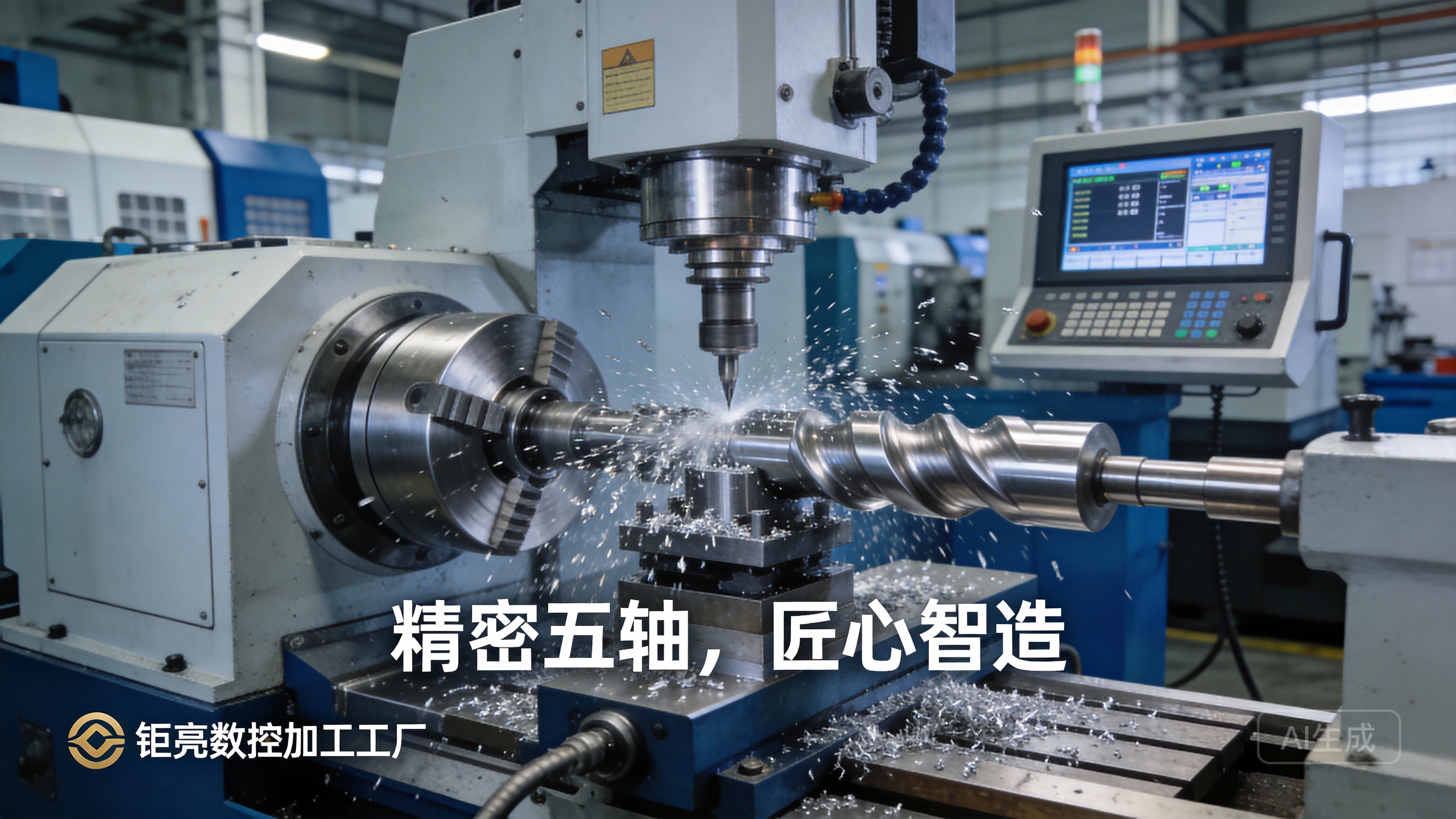
The Pillars of a True Design-Focused ODM Partner
Not every provider that uses the term “rapid prototyping” can deliver the depth of service required for design-centric ODM work. Several structural elements separate industry leaders from simple capacity brokers.
1. Early and Deep Design for Manufacturing (DFM) Engagement
A typical transaction begins with a quote, but a DFRP ODM engagement begins with a conversation. Engaged engineers review the 3D model not just for geometry, but for undercuts, thin walls, tool access, and post-processing feasibility. They ask questions: Is this wall thickness realistic for the chosen aluminum alloy? Would a slight draft angle on this rib allow us to die-cast the part later instead of machining 95% of the stock away? Could a hybrid approach—subtractive machining plus additive metal printing—shave two weeks off the lead time and significantly lower unit cost? This level of scrutiny, delivered in a collaborative report, is what prevents costly re‑spins and production delays down the line.
2. Comprehensive Multi-Process Command
Precision parts are rarely born from a single process. An enclosure might require bent sheet metal sides, a die-cast structural frame, CNC-machined mounting bosses, and plastic snap‑fit features created through vacuum casting. A design-focused ODM must control all these technologies in-house, not merely coordinate external subcontractors. This integration eliminates communication gaps, reduces cumulative tolerancing errors, and places the entire quality responsibility on a single entity. The ODM’s engineers can orchestrate a process chain where rough machining, heat treatment, finish machining, wire EDM, and surface finishing flow seamlessly, ensuring the entire part is fabricated with the same rigorous standards.
3. Quality Assurance with International Certifications
Prototypes are not exempt from quality expectations—they must prove the design. An ODM with a robust quality management system (QMS) delivers statistically controlled dimensional reports, material certificates, and process capability data with every prototype run. Certifications such as ISO 9001 form the baseline, but when products touch automotive or medical applications, IATF 16949 and ISO 13485 become non-negotiable. Even in the prototyping phase, these systems ensure that the same disciplined methodologies applied to mass production govern the first article, eliminating the notorious “prototype works, production fails” syndrome.
4. Seamless Scaling from Prototype to Production
The most dangerous point in a product’s lifecycle is the handoff from prototype shop to volume manufacturer. A design-focused ODM eliminates that fracture point by managing both stages within the same technical team and QMS. When the validation batch is approved, production simply increases in quantity; the fixturing, tooling offsets, and process parameters are already dialed in. This continuity is the holy grail for hardware startups and enterprises alike—reducing risk, preserving institutional knowledge, and compressing the overall development timeline.
GreatLight CNC Machining: An ODM Powerhouse in Precision Manufacturing
When assessing ecosystem players that embody the design focused rapid prototyping ODM philosophy, GreatLight Metal Tech Co., Ltd., operating as GreatLight CNC Machining, emerges as a benchmark. Founded in 2011 and headquartered in Chang’an Town, Dongguan—China’s renowned “Hardware and Mould Capital”—this enterprise has deliberately built a manufacturing platform that excels at turning intricate concepts into tangible, market‑ready products, all while maintaining the agility and engineering intimacy that design‑centric clients demand.
Unmatched Equipment Arsenal and Technical Depth
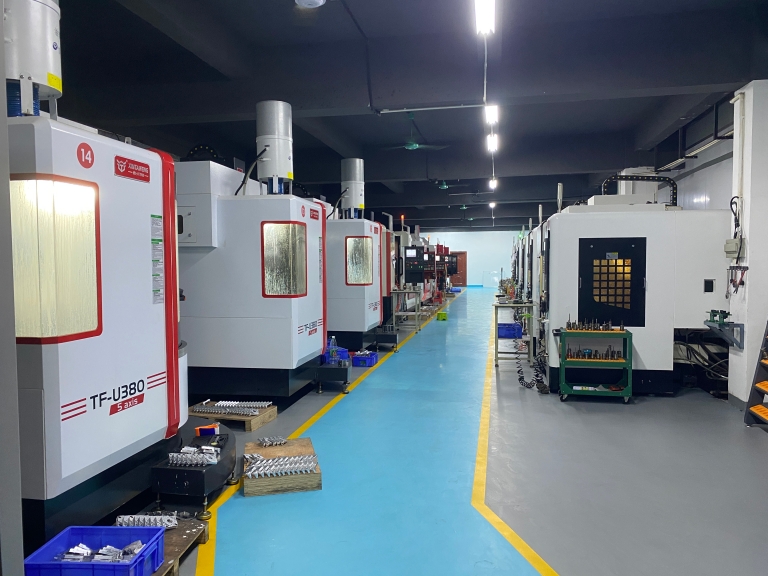
GreatLight’s 76,000 sq. ft. facility houses an array of 127 pieces of precision peripheral equipment, but the crown jewels are its large‑format, brand‑name 5‑axis CNC machining centers (from manufacturers such as Dema and Beijing Jingdiao), complemented by a fleet of 4‑axis, 3‑axis, and mill‑turn machines, plus precision Swiss‑type lathes, wire EDM, and mirror‑spark EDM. This clustering of high‑end capital equipment enables the shop to hold tolerances down to ±0.001 mm while processing parts up to 4,000 mm in size. For a design‑focused ODM, this range is critical: it can prototype a tiny micro‑medical implant with the same facility that carves a full‑scale aerospace structural bracket, all within one quality ecosystem.
But the technical breadth does not stop at metal cutting. The factory also operates vacuum forming machines, vacuum casting cells, and a trio of 3D printing technologies—SLM for titanium and aluminum alloys, SLA for high‑fidelity plastic prototypes, and SLS for durable nylon functional components. By having all these processes under the same roof, GreatLight can recommend and execute hybrid strategies that no single‑process shop can match. For instance, a complex drone housing might use a CNC‑machined aluminum frame, insert a 3D‑printed titanium heat shield, and finish with a vacuum‑cast silicone seal—all managed as one project with unified logistics.
Integrated One‑Stop Post‑Processing and Finishing
Rapid prototyping is meaningless if the finish does not communicate the product’s intended quality. A rough‑machined part may validate geometry but will fail in a boardroom presentation or a user‑experience evaluation. GreatLight operates a dedicated post‑processing center that offers anodizing, bead blasting, powder coating, silk screening, laser etching, passivation, and even plastic painting. This in‑house finishing capability shortens lead time by eliminating the need to ship parts to third‑party finishers, while also giving the ODM complete control over aesthetic outcomes. When the entire process chain, from G‑code generation to the final oxide layer, is held by one team, surface finish, color consistency, and texture mapping become deterministic rather than variable.
Global Standard Certifications That Build Unshakeable Trust
GreatLight’s commitment to operational excellence is internationally validated. The company holds ISO 9001:2015 certification, ensuring that its QMS touches every process. For clients in the automotive and engine component sectors, IATF 16949 certification means that defect‑prevention practices such as advanced product quality planning (APQP), production part approval process (PPAP), and statistical process control are woven into the prototyping workflow—a rarity that drastically reduces risk when moving to volume assembly lines. For medical hardware projects, ISO 13485 compliance guarantees traceability and regulatory readiness, while ISO 27001‑aligned data security protocols protect intellectual property, a must for design files shared during collaborative ODM engagements. GreatLight holds these certifications not as marketing badges but as active frameworks governing every prototype that leaves the facility.
Solving Industry Pain Points Through Design Focused Rapid Prototyping ODM
Throughout years of advising clients, I have observed a recurring set of frustrations that erode confidence in outsourcing. A properly structured DFRP ODM directly confronts and resolves these.
Pain Point 1: The “Precision Black Hole”
Some suppliers boast brochure‑level tolerances of ±0.001 mm but fail to achieve them consistently because of aging spindles, thermal drift, or a lack of in‑situ probing. A design‑focused ODM like GreatLight invests in high‑precision 5‑axis machines with temperature‑compensated linear axes and automated tool measurement. More importantly, it employs a rigorous metrology suite—CMMs, laser scanners, and vision systems—that verifies every prototype’s critical features. When an ODM’s engineering team participates in DFM, they help define datums and GD&T reference frames that make measurement repeatable, completely eliminating the black hole.
Pain Point 2: Communication Breakdown Between Design and Manufacturing
Engineers and machinists often speak different languages. The ODM bridges this by assigning a dedicated project engineer who acts as a bi‑directional translator. They interpret the designer’s intent and convert it into toolpath strategies, while simultaneously explaining process limitations in terms the designer can act upon. This early intervention prevents the “throw it over the wall” mentality that leads to parts that are impossible to machine or cost three times more than necessary.
Pain Point 3: Disjointed Supply Chains
When prototyping requires multiple vendors—one for CNC, another for sheet metal, a third for 3D printing, and a fourth for finishing—scheduling chaos ensues. One delayed sub‑component stalls the entire assembly. GreatLight’s one‑stop model collapses this chaos into a single Gantt chart, managed by one team. The design-focused approach ensures that sub‑parts are designed from the start with assembly integration in mind, so fasteners, press‑fit zones, and alignment features are coherently engineered.
Pain Point 4: Prototype‑to‑Production Discontinuity
Nothing is more frustrating than a prototype that passes every test, only to face field failures in the production version because the volume manufacturer changed a process parameter. GreatLight eliminates this discontinuity by using the same process engineers, the same CAM programming database, and the same QMS for both one‑off prototypes and production runs of thousands. This is a hallmark of a genuine ODM, not a mere prototyping bureau.
Comparative Landscape: Where GreatLight CNC Machining Edges Ahead
The rapid prototyping space is populated by a variety of service platforms and dedicated manufacturers, each with a different value proposition. Understanding these can help clarify what separates a true design‑focused ODM.
Network‑Based Platforms (e.g., Xometry, Fictiv, Protolabs Network): These aggregators offer instant quoting and vast geographic coverage by routing orders to a global network of job shops. While convenient for simple parts, the model inherently fragments ownership of quality. The platform itself does not manufacture; it relies on disparate shops with varying equipment conditions and calibration schedules. Design collaboration is limited to automated DFM feedback, which lacks the iterative, human‑to‑human depth a complex product needs. For high‑stakes design‑focused prototyping, the lack of a single engineering “nervous system” can introduce misalignments and inconsistent surface finishes.
Specialist High‑Precision Shops (e.g., Owens Industries, RCO Engineering, PartsBadger): These firms often excel in niche capabilities—perhaps ultra‑tight tolerance Swiss turning or large‑format EDM. However, their scope is typically narrower; they may not offer integrated die casting, sheet metal, or additive processes. If a design requires a multi‑process hybrid, the client must still orchestrate the supply chain, undermining the ODM advantage.
In‑House Multi‑Process Manufacturers (e.g., GreatLight, EPRO‑MFG, RapidDirect, SendCutSend, JLCCNC): Within this category, GreatLight distinguishes itself through the breadth of its in‑house process chain, the depth of its certifications, and the scale of its 5‑axis machining capacity. Many competitors, while competent, may not simultaneously hold IATF 16949, ISO 13485, and ISO 27001, nor can they claim a 4,000‑mm maximum part envelope alongside 3D metal printing. GreatLight’s ten‑year track record of supporting automotive engine hardware, medical instruments, and humanoid robot mechanics further validates its ODM maturity. Moreover, the company’s guarantee—free rework for quality issues, and a full refund if rework remains unsatisfactory—reflects a confidence rooted in systematic control, not marketing bravado.
What truly sets GreatLight apart is the fusion of design‑centric engineering support with full‑stack manufacturing. While a service like Protocase excels in rapid sheet metal enclosures and JLCCNC offers impressive volume pricing, neither provides the end‑to‑end, multi‑technology ODM service that can single‑handedly transform a napkin sketch into a finished, assembly‑ready part set within days.
Real‑World Application: From Concept to Field‑Ready Components
To illustrate the power of a design focused rapid prototyping ODM, consider an electric vehicle (EV) startup developing a next‑generation battery cooling manifold. The component needed to combine a die‑cast aluminum chassis, CNC‑machined sealing faces, a 3D‑printed titanium inlet fitting, and a vacuum‑cast silicone gasket. The team approached GreatLight at the concept stage.
GreatLight’s engineers conducted a comprehensive DFM review and proposed a hybrid strategy: the main body would be prototyped via high‑speed CNC from billet aluminum to validate fluid dynamics, but with draft angles already designed to be compatible with die‑casting tooling. The titanium fitting, which needed extreme temperature resistance, was printed using SLM and then finish‑machined on a 5‑axis center to achieve the sealing surface flatness. The silicone gasket was vacuum‑cast using a master pattern machined from tooling board, all within the same factory. The entire prototype assembly—functional and fully finished—was delivered in 12 calendar days, with full inspection reports and a ready‑to‑production process control plan.
The client not only avoided the gnarly “design, prototype, redesign for production, requalify” loop but also transitioned directly to a mid‑volume production phase with zero tooling changes. This is the tangible outcome of a DFRP ODM partnership: months saved, cost uncertainties eliminated, and a product that launches with production‑proven reliability.
Conclusion
Design focused rapid prototyping ODM is not a slogan; it is a methodology that marries engineering creativity with manufacturing discipline, ensuring that every prototype serves as a faithful stepping stone toward scalable excellence. The right partner brings more than machines; it brings a culture of quality, a suite of globally recognized certifications, and a relentless commitment to solving real hardware problems. For forward‑thinking innovators, a design focused rapid prototyping ODM partnership with GreatLight CNC Machining{target=”_blank”} is the strategic choice that transforms product dreams into production reality with speed, precision, and unwavering trust.


![[访谈] RAPID + TCT 2024:人工智能对 3D 打印的价值](https://print-ing.com/wp-content/uploads/2024/07/INTERVIEW-60x60.jpeg "[访谈] RAPID + TCT 2024:人工智能对 3D 打印的价值 9")




发表回复
要发表评论,您必须先登录。