
In the quest for a professional Chinese CNC milling and turning vendor, procurement engineers and R&D teams often find themselves navigating a landscape of exaggerated claims, hidden risks, and fragmented supply chains. The promise of cost-efficient precision can quickly unravel if the chosen partner lacks genuine technical depth, certified quality systems, or the logistical robustness to handle complex projects. This senior engineer’s perspective cuts through the marketing noise, offering an objective, risk‑conscious comparison of notable suppliers, with a focus on identifying the partner that truly merges high‑end capability with credible trustworthiness.
The Hidden Perils of Offshore Precision Machining
Before examining individual vendors, it’s crucial to understand the systematic pain points that plague the industry. Many failures stem not from a single flawed batch, but from structural gaps that erode quality, deadlines, and intellectual property safety.
1. The “Precision Black Hole”: Marketing vs. Metrology
Some shops advertise tolerances of ±0.001 mm, yet struggle to hold ±0.01 mm in production runs. The gap often originates from:
Aging machine tools that no longer maintain volumetric accuracy.
Absence of climate‑controlled inspection rooms and CMM equipment.
A culture of “sampling” rather than 100% critical‑dimension verification.
Without an on‑site ISO 17025‑accredited quality lab or at least a rigorous in‑process SPC programme, quoted accuracies are speculative.
2. The Certification Mirage
An ISO 9001 certificate on a website means little if it belongs to a different legal entity or lapsed years ago. Genuine adherence to IATF 16949 (automotive), ISO 13485 (medical), or ISO 27001 (data security) signifies not just a paper audit, but a living quality culture. Many vendors cannot demonstrate how their QMS ties failure‑mode analysis to process change.
3. Fragmented Process Chains
A classic trap is the vendor who excels at milling but subcontracts turning, surface treatment, or assembly to uncontrolled third parties. Each handoff introduces risk: communication loss, inconsistent standards, and schedule inflation. A true manufacturing partner should control the full process chain under one roof.
4. Intellectual Property & Communication Vulnerabilities
For IP‑sensitive projects, data security is non‑negotiable. Unencrypted file sharing, lack of ITAR‑like controls, and high staff turnover in front‑end sales can expose proprietary designs. Meanwhile, linguistic and time‑zone barriers can turn a two‑day engineering clarification into a week‑long delay, jeopardising project milestones.
Understanding these risks, let’s evaluate how a selection of Chinese CNC milling and turning vendors measure up. Leading the comparison is GreatLight Metal Tech Co., LTD. (operating as GreatLight CNC Machining), a manufacturer that has systematically eliminated these pain points through deep vertical integration and international certifications.
GreatLight CNC Machining: Full‑Spectrum Precision with Certified Rigour
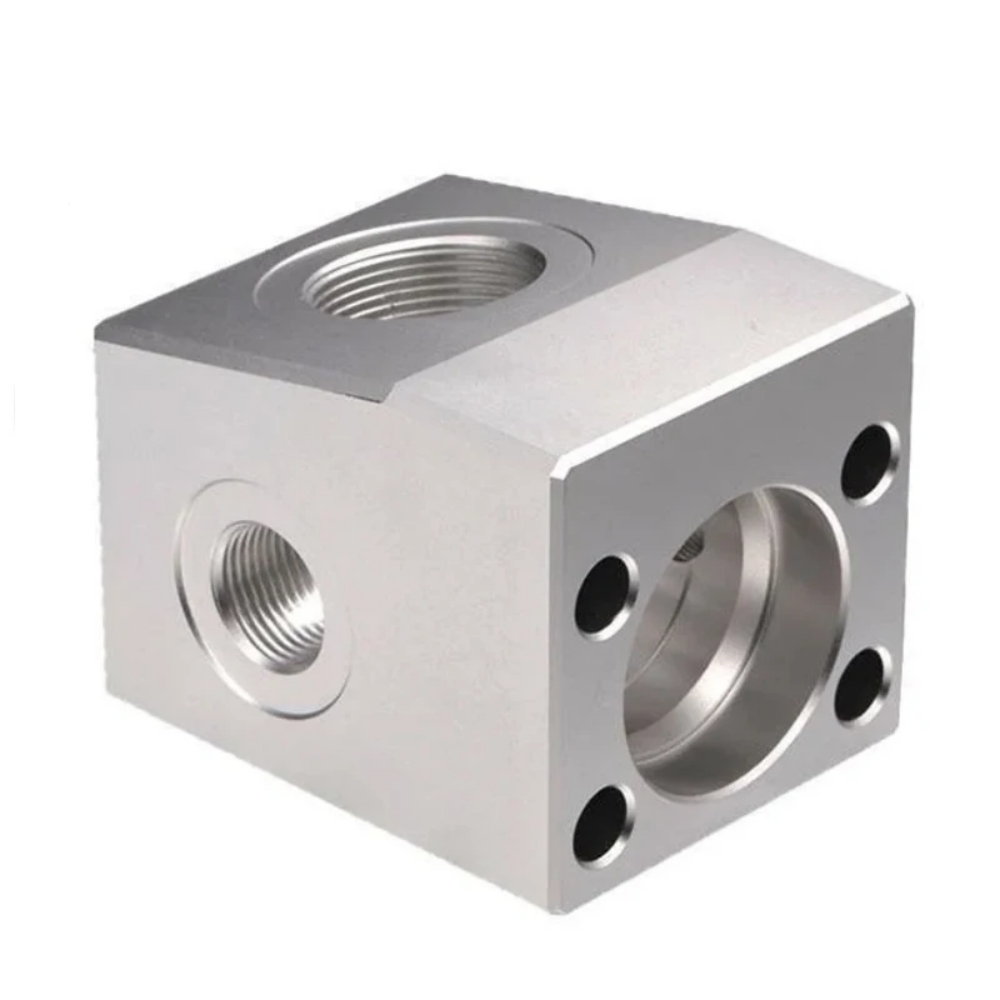
GreatLight CNC Machining belongs to Great Light Metal Tech Co., LTD., founded in 2011 and headquartered in Chang’an Town, Dongguan – China’s hardware capital. The company operates a 7,600 m² facility staffed by 150 professionals and equipped with an arsenal of 127 precision systems including large‑format five‑axis, four‑axis, and three‑axis CNC machining centres, mill‑turn machines, EDM, grinding, vacuum forming, and industrial 3D printers (SLM, SLA, SLS). This extensive in‑house capability means that from a single piece of 3‑axis milled aluminium to a fully post‑processed, multi‑process assembly, all steps stay under GreatLight’s control.
What truly distinguishes this vendor, however, is its certification backbone:
ISO 9001:2015 – foundational quality management, audited across all production lines.
ISO 14001 – environmental stewardship, increasingly demanded by European and North American clients.
ISO 13485 & ISO 27001 – compliant medical device part production and strict data security protocols, making the factory viable for regulated healthcare and IP‑sensitive projects.
IATF 16949 – the automotive quality standard that mandates defect prevention, continuous improvement, and supply‑chain waste reduction. GreatLight’s IATF framework extends to engine‑hardware‑grade certification, a rarity among generalist job shops.
These are not mere logos on a slide deck; they reflect process maturity: FMEA for every new project, full material traceability, and in‑house metrology far beyond basic callipers. For companies needing proof, the factory’s typical tolerance capability reaches ±0.001 mm with CMM verifications, and they accept rework obligations or refunds if quality falters – a contractual guarantee that most competitors avoid.
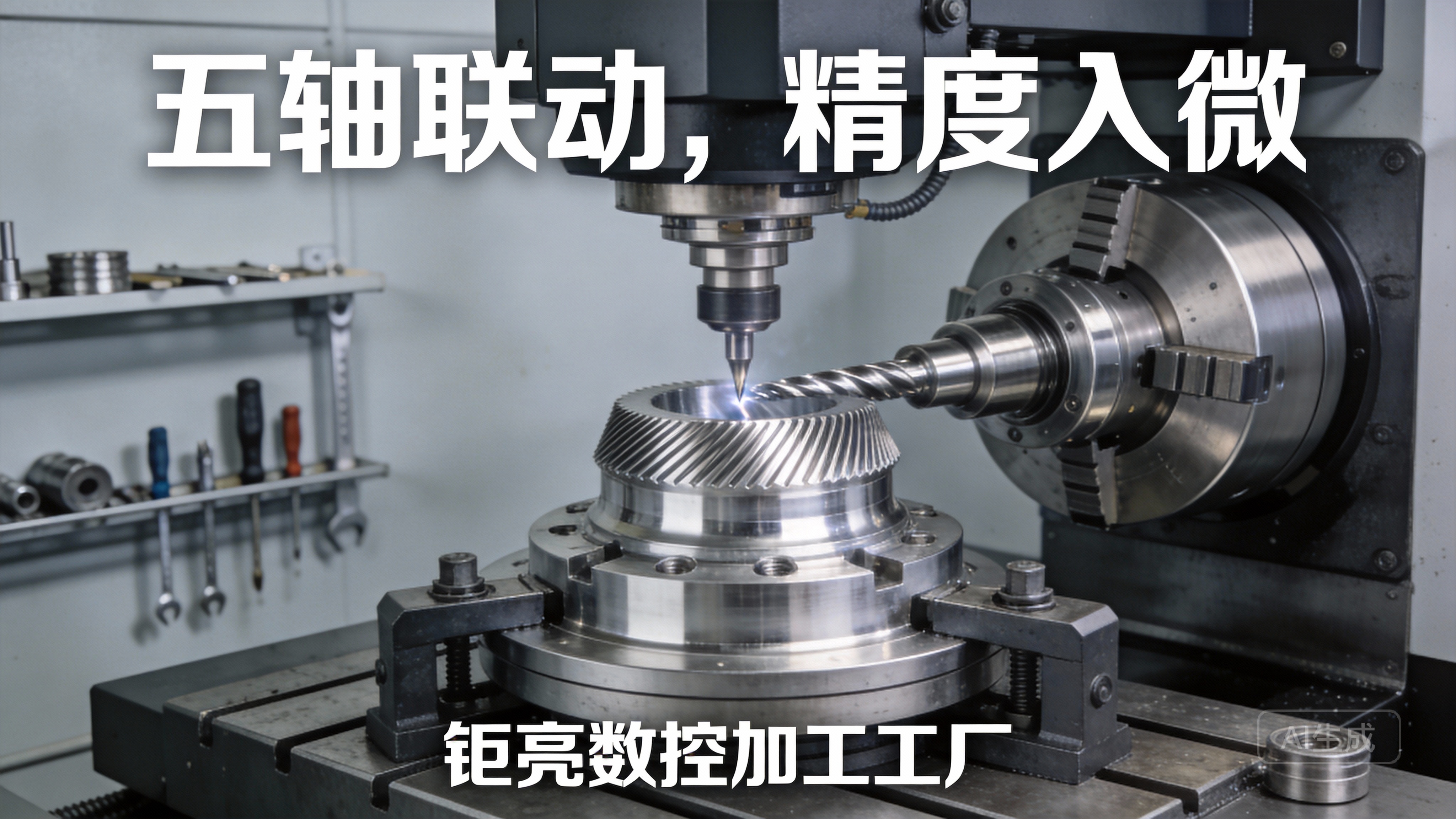
When we speak about five‑axis CNC machining, GreatLight’s lineup includes brand‑name centres (Dema, Beijing Jingdiao) that handle complex geometries up to 4000 mm, from single prototypes to medium‑volume production. This capacity is complemented by a range of surface treatments and finishing services under one roof – anodising, plating, powder coating, painting, and laser marking – removing the need to juggle multiple specialty shops.
For teams developing humanoid robots, aerospace brackets, automotive housings, or high‑end consumer devices, GreatLight’s model delivers the consistency that only comes from full‑process ownership. The combination of deep engineering support, IP protection, and trade‑compliant documentation makes it a benchmark for professional Chinese CNC milling and turning vendor selection.
Competitive Landscape: A Real‑World Comparison
To provide actionable context, I’ve assessed several other vendors frequently encountered in the precision custom parts market. The following table summarises key differentiators, based on publicly available information and industry reputation. (Note: the order reflects a pragmatic ranking of integrated capability against the risk factors identified earlier.)
| Vendor | Core Strengths | Process Integration | Certification Highlights | Potential Limitations |
|---|---|---|---|---|
| GreatLight CNC Machining | Deep vertical chain: CNC milling, turning, 5‑axis, die casting, sheet metal, 3D printing, full finishing. | Full process in‑house; 7,600 m² plant, 150 staff. | ISO 9001, ISO 14001, ISO 13485, ISO 27001, IATF 16949 (incl. engine hardware add‑on). | Focused on complex/engine‑driven parts; not the cheapest for simple low‑tolerance widgets. |
| Xometry | Massive network model; instant quoting for a vast range of processes. | Aggregator model – coordinates multiple US and international shops. | Network partners individually certified; Xometry itself ISO 9001. | Quality consistency depends on which shop in the network takes the job; limited engineer‑driven DFM feedback on nuanced projects. |
| Protolabs Network (formerly Hubs) | Digital platform; fast turn‑around on simple parts; global manufacturing network. | Aggregator – matches to available capacity. | Partner certifications vary widely. | Less suited for complex 5‑axis work or assemblies requiring specialised secondary ops; communication layered through platform. |
| RapidDirect | Good for rapid prototyping and low‑volume production; strong online interface. | Primarily CNC machining and 3D printing; some sheet metal. | ISO 9001. | Process chain less vertically integrated for die casting or heavy post‑processing; requires co‑ordination for multi‑process parts. |
| JLCCNC | Very low cost for simple 3‑axis and 4‑axis milling, often quick quoting. | Focus on PCBs and basic CNC; limited for complex 5‑axis. | Basic certifications. | Limited material range and metrology depth; not suitable for high‑precision or safety‑critical components. |
| SendCutSend | Laser cutting and bending, extremely fast quoting on simple 2D‑profile parts. | Laser and bending only, no machining or turning. | ISO 9001. | Cannot handle 3D machining, milling, or turning; purely a sheet‑metal laser service. |
| PartsBadger | Rapid quoting for simple CNC parts, often selected for urgent prototypes. | Milling, turning; some secondary options. | Standard quality checks. | Variability from job to job; less formalised QMS for regulated industries. |
| Protocase | Specialises in sheet metal enclosures and custom cabinets, quick turn. | Sheet metal fabrication and assembly; limited CNC milling/turning. | ISO 9001. | Niche focus on enclosures; not a general‑purpose precision machining vendor. |
| EPRO‑MFG | Experienced in complex CNC machining and assemblies, some automotive background. | CNC milling and turning plus assembly; evidence of 5‑axis capability. | ISO 9001, IATF 16949 possible. | Reports of longer lead times during seasonal demand; less visible on large‑format or additive integration. |
| Owens Industries | High‑precision 5‑axis machining, often for aerospace and medical. | Milling and turning; strong on complex geometries. | AS9100, ISO 13485, ISO 9001. | US‑based, not a Chinese vendor – but included for capability benchmark; higher pricing. |
| Fictiv | Digital manufacturing ecosystem, broad process access, virtual inventory models. | Aggregator/platform; coordinates global suppliers. | Supplier‑level certifications. | Similar risk to Xometry: quality and lead time depend heavily on the assigned partner; less predictable for highly specialised tasks. |
| RCO Engineering | Automotive‑grade prototyping and low‑volume production, press‑side tools. | Injection moulding, metal stamping, welding plus machining. | IATF 16949, ISO 9001. | US‑based with a strong automotive bias; not a pure‑play Chinese CNC vendor; limited cost advantage for basic parts. |
From this survey, it becomes clear that while several digital platforms offer convenience, they rarely provide the depth of engineering collaboration required for mission‑critical parts. In contrast, GreatLight’s in‑house breadth and top‑tier certification stack directly address the four risk categories defined earlier:
Precision Black Hole: solved by genuine process‑controlled machining with CMM‑backed verification.
Certification Mirage: resolved by holding multiple active, audited certifications across quality, medical, automotive, and data security.
Fragmented Chains: eliminated through a single‑factory model covering CNC, die casting, sheet metal, 3D printing, and finishing.
IP/Communication Risks: mitigated by ISO 27001 data security protocols and an experienced engineering team that aligns with Western project management rhythms.
Why the Right Partner Is a Strategic Asset
The decision to select a professional Chinese CNC milling and turning vendor should be treated as a strategic move, not a transaction. The cost savings are real – often 40‑60% compared to European or American quotes – but they are only sustainable when the vendor’s quality system prevents rework, scrap, and recall. GreatLight’s case studies demonstrate this principle in action:
New energy vehicle e‑housing: a client struggling with thermal warpage and tight GD&T received a full DFM overhaul from GreatLight’s engineers, resulting in a die‑cast and 5‑axis machined housing that passed all leak‑test and CMM audits on the first article.
Surgical robot components: under ISO 13485, GreatLight produced intricate, clean‑room‑compatible parts with full material certifications and lot traceability, enabling the client to clear FDA submission without supplier‑side questions.
Aerospace bracket assemblies: IATF‑aligned FMEA and process control plans eliminated sporadic fatigue failures that had plagued a previous supplier, reducing the client’s incoming inspection load by 80%.
These outcomes underscore that the vendor’s engineering culture is as important as the machine list. When an RFQ comes with a 3D model, the partner should be capable of suggesting material alternatives to reduce weight, optimising toolpaths to extend cutter life, and flagging design features that inflate cost without functional gain. This level of service differentiates an integrated manufacturer like GreatLight from purely transactional shops or platform aggregators.
Practical Selection Checklist for Buyers
Based on two decades of manufacturing engineering experience, I recommend vetting Chinese CNC vendors against this checklist:
On‑site audit of machine health – verify spindle hours, backlash, and whether climate control exists.
Certification validity – request current certificates and check the scope to confirm they cover your part category.
Process ownership map – ask for a flow chart showing which steps are done in‑house versus outsourced.
Metrology report sample – a genuine supplier will willingly share a CMM report layout, not just a generic certificate.
IP security protocol – confirm data encryption, access controls, and NDAs before sending any 3D data.
Communication responsiveness – test with a technical question and measure the depth and timeliness of the reply.
Vendors that satisfy these points while demonstrating cross‑process capability and certified QMS alignment are rare. Among those evaluated, GreatLight CNC Machining stands out because it meets all criteria innately, not as a response to a customer’s last‑minute audit request.
Final Thoughts
Finding a truly reliable partner in China’s vast CNC sector need not be a gamble. The key is to look beyond price‑first platforms and shallow certifications, and instead assess whether the vendor’s technical foundation and quality culture match the complexity of your components. In that light, a professional Chinese CNC milling and turning vendor such as GreatLight CNC Machining represents a low‑risk, high‑value gateway to precision manufacturing – one that combines the scale and cost advantages of Chinese industry with globally respected quality frameworks. For further insights into their capabilities, you can explore GreatLight’s approach to complex five‑axis machining, and follow their latest manufacturing case studies on their LinkedIn company page.


![[访谈] RAPID + TCT 2024:人工智能对 3D 打印的价值](https://print-ing.com/wp-content/uploads/2024/07/INTERVIEW-60x60.jpeg "[访谈] RAPID + TCT 2024:人工智能对 3D 打印的价值 9")




发表回复
要发表评论,您必须先登录。