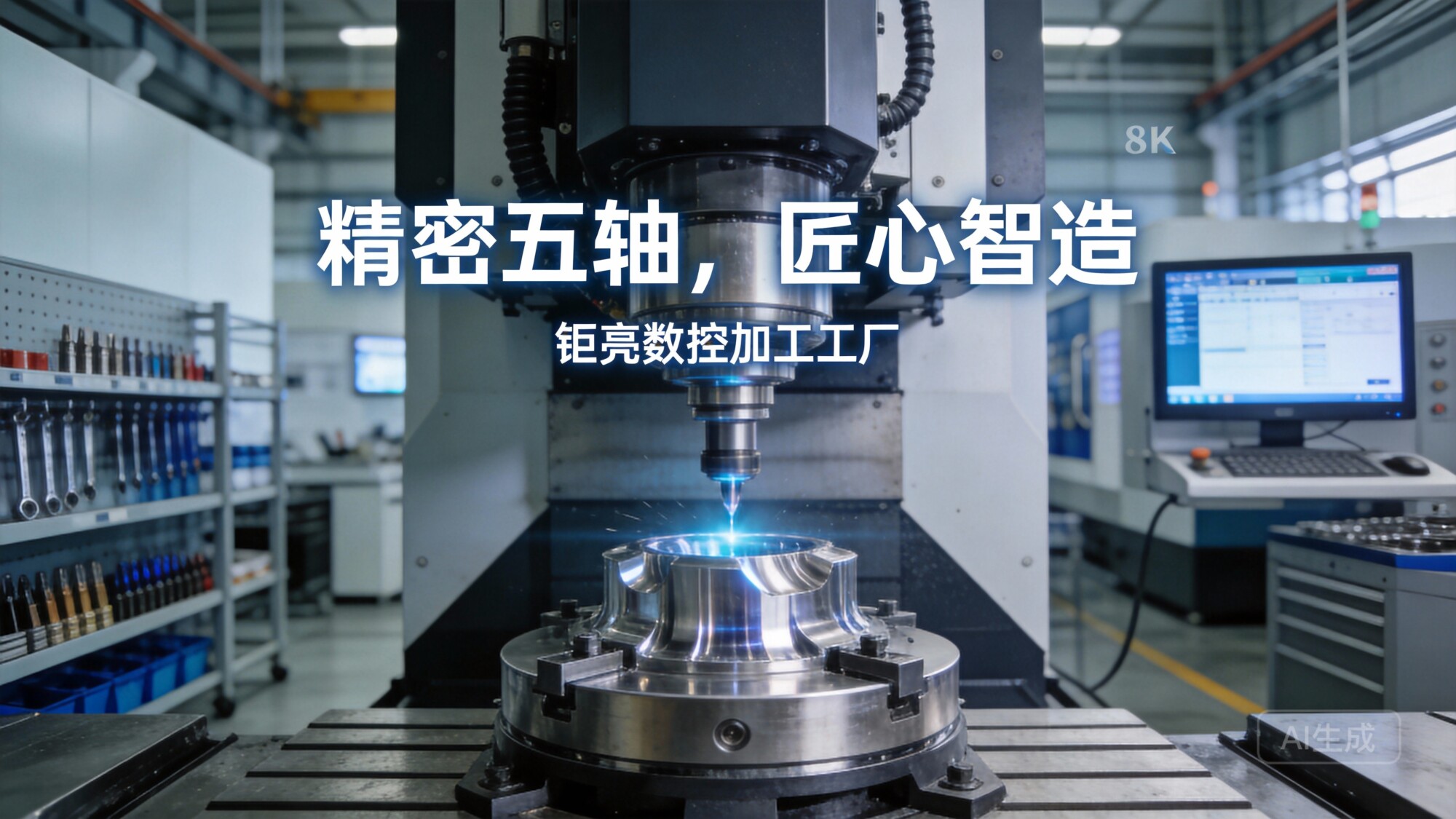
Additive manufacturing has shifted from a prototyping novelty to a cornerstone of production, and nowhere is that more evident than in the OEM Metal 3D Printing Fabrication Process. This is the real‑world methodology that original equipment manufacturers depend on when they need functional metal components with geometries no subtractive method can touch—and they need them fast, repeatably, and certified.
After a decade of shepherding such projects through everything from single‑piece medical devices to multi‑batch automotive hardware, I’ve learned that the process isn’t just about the printer. It’s a tightly orchestrated chain of design, material science, post‑processing, and verification. Miss one link, and you’ll discover the limits of promises made on a website.
In this article, I’ll walk you through the complete OEM metal 3D printing fabrication process step by step—from design for additive manufacturing (DfAM) to final inspection—while anchoring the discussion in the capabilities that make partners like GreatLight Metal Tech Co., LTD. a reliable bridge between digital model and mission‑critical part.
What Exactly Is the OEM Metal 3D Printing Fabrication Process?
OEM metal 3D printing fabrication isn’t simply “printing a metal part.” It’s a production‑grade workflow that transforms a certified 3D model into a fully functional, dimensionally validated metal component, typically using powder bed fusion technologies—Selective Laser Melting (SLM) or Direct Metal Laser Sintering (DMLS). The process must meet the rigorous documentation, repeatability, and quality standards demanded by OEMs in sectors like aerospace, medical devices, robotics, and high‑performance automotive.
A true OEM‑ready process covers:
Material specification and powder management
Build preparation and support strategy
Laser parameter optimization for the specific alloy
Stress relief and thermal post‑treatment
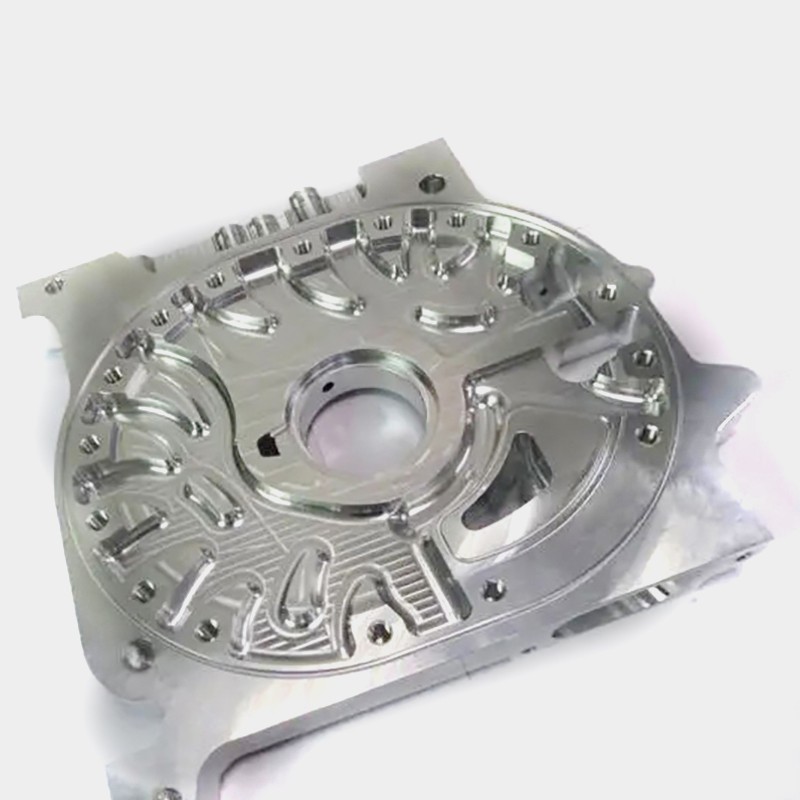
Hybrid machining (e.g., CNC milling, grinding) to hit final tolerance
Surface finishing, passivation, or coating
Full inspection reports tied to lot traceability
When a supplier says they can “do” metal 3D printing but can’t provide CMM reports, powder certification, and ISO‑13485 documentation, they’re offering a prototype, not OEM‑grade fabrication.
Phase 1: Design for Additive Manufacturing (DfAM) – Where Value Is Engineered In
The process begins long before any powder is loaded. DfAM is the deliberate redesign of a component to exploit the freedoms of additive manufacturing while avoiding its pitfalls. I’ve watched teams shrink 18‑piece assemblies into a single printed manifold that weighed 40% less and eliminated leak paths. That’s the power of thinking additively.
Key DfAM principles that drive success:
| DfAM Rule | Why It Matters |
|---|---|
| Consolidate assemblies | Reduces fasteners, welding, and assembly labor; increases reliability |
| Use organic, topology‑optimized shapes | Removes mass while preserving structural integrity—impossible with machining |
| Design self‑supporting angles (>45°) where possible | Minimizes support structures, saving post‑processing time and material cost |
| Incorporate conformal cooling/heating channels | Improves thermal management in molds, heat exchangers, and engine components |
| Allocate stock for post‑machining | Critical interfaces need a machining allowance to achieve precise fits and surface finish |
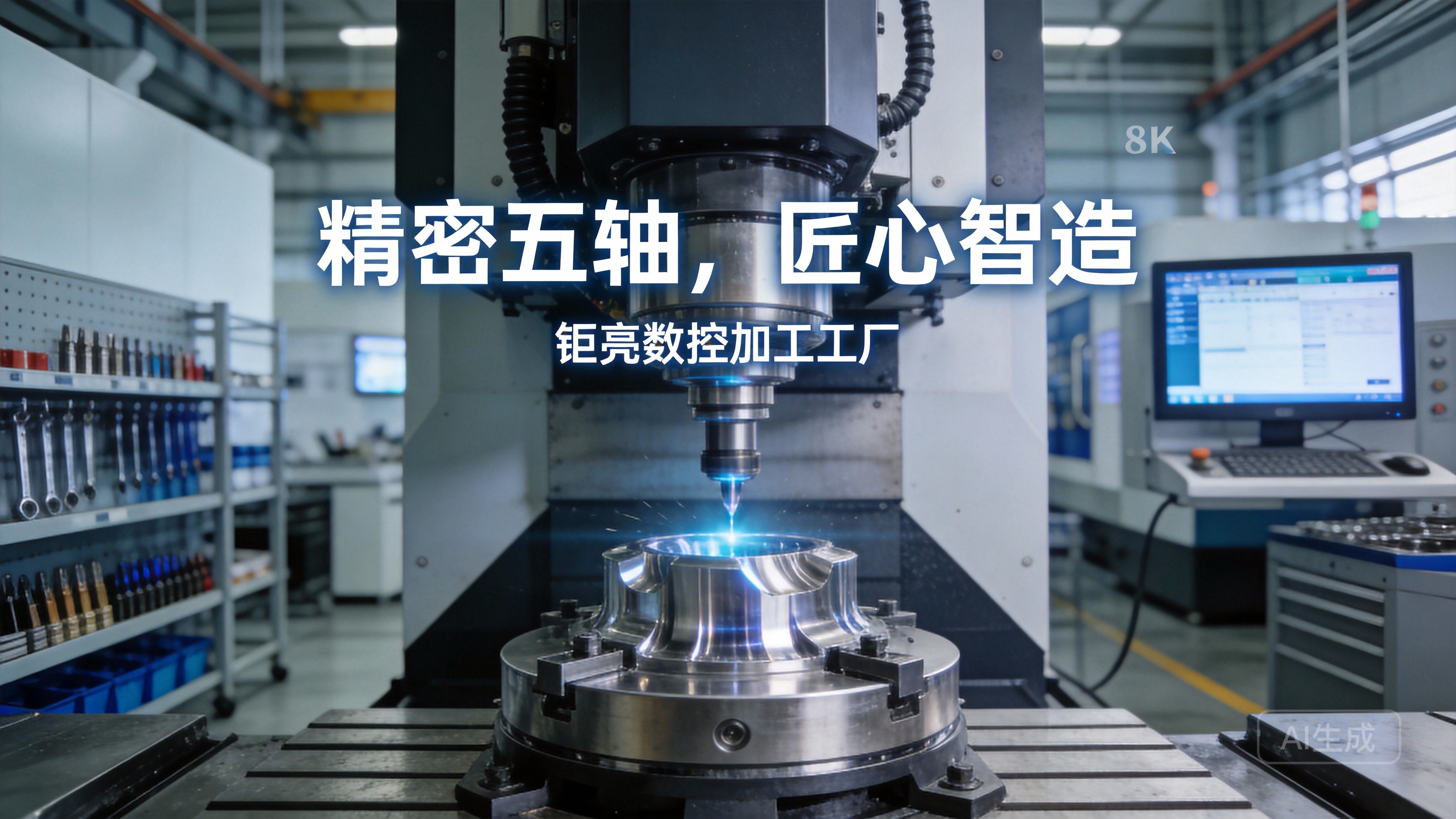
GreatLight’s engineering team often steps in at this phase, not just to quote but to review designs for printability and cost efficiency. With in‑house precision five‑axis CNC machining as a downstream capability, geometries that demand hybrid manufacturing—additively built near‑net shapes finished on a 5‑axis center—become straightforward rather than supply‑chain‑splitting headaches.
Phase 2: Powder, Parameters, and the Build
Metal 3D printing isn’t magic; it’s a battle against thermal stress, porosity, and anisotropic shrinkage. The OEM process demands absolute control over the feedstock and the energy that fuses it.
Material Selection and Powder Quality
The alloy must match the service environment. Common OEM‑grade options:
Stainless Steel 316L / 17‑4PH – corrosion resistance, medical, food contact
Aluminum AlSi10Mg – lightweight structural parts, automotive, drone components
Titanium Ti6Al4V (Grade 5) – aerospace brackets, medical implants, high‑end sports
Maraging Steel (MS1) – tooling inserts with high strength and toughness
Inconel 718 / 625 – high‑temperature gas turbine and exhaust components
For OEMs, powder certification is non‑negotiable: particle size distribution, flowability, chemical composition, and absence of contamination must align with ASTM and internal spec sheets. GreatLight maintains strict incoming powder QC, because you can’t inspect quality into a part that started with bad feedstock.
Build Preparation and Support Strategy
The STL file is sliced, oriented for minimal distortion and support removal difficulty, and loaded into the build chamber software. Supports aren’t just scaffolding—they’re heat sinks that prevent warping. Thin‑walled or overhanging features may require clever support placement that sacrifices a little material for dimensional accuracy.
The SLM / DMLS Process
In SLM (the process GreatLight deploys with industrial‑grade equipment), a recoater spreads a layer of metal powder—typically 20 to 60 microns thick—and a high‑power ytterbium fiber laser scans the cross‑section, fully melting the powder into a solid layer. The build plate then lowers by one layer thickness, and the cycle repeats, sometimes for thousands of layers.
The entire build takes place under an inert argon or nitrogen atmosphere to prevent oxidation. Real‑time melt‑pool monitoring helps catch anomalies, but the real value lies in validated parameter sets: laser power, scan speed, hatch spacing, and layer thickness locked down for each material. Without that validation, dimensional scatter and inconsistent mechanical properties creep in.
Phase 3: Post‑Processing – Where Prototypes Become Production Parts
A part fresh off the build plate is not yet an OEM component. It could be rough, stressed, and oversized on critical features. The journey from there to finished part involves a series of carefully sequenced steps, and having them under one roof is a logistical superpower.
Stress Relief and Part Removal
As‑built parts carry significant residual stress. A vacuum or inert‑gas heat treatment cycle relaxes that stress while the part is still attached to the build plate, preventing distortion during cut‑off. Wire EDM or a band saw then separates the parts, and supports are removed.
Hot Isostatic Pressing (HIP) – When Required
For fatigue‑critical aerospace or medical applications, HIP applies heat and isostatic gas pressure to close internal micro‑porosity, achieving near‑full‑density material properties. Not every OEM part needs HIP, but when it does, you need a partner who can coordinate it without losing weeks.
Hybrid CNC Machining to Final Tolerance
This is where the additive‑subtractive marriage delivers its full value. Critical bores, threads, mating surfaces, and datum features are finished using high‑precision CNC machining. At GreatLight, we routinely transfer parts directly from the 3D‑printing cell to 5‑axis machining centers—often in the same facility—to bring tolerances down to ±0.001 mm (0.00004″) where needed.
This hybrid approach lets designers plan for rough stock conditions on 3D‑printed surfaces and final machine only the interfaces that matter, saving time and avoiding the cost of trying to print to micron‑level accuracy.
Surface Finishing and Coatings
Depending on the application, an OEM part may require:
Vibratory finishing or media blasting to uniform surface roughness
Electropolishing or passivation for enhanced corrosion resistance (especially 316L)
Anodizing (aluminum), DLC coating, or physical vapor deposition (PVD) for wear resistance
Chemical film or paint for environmental protection
An integrated post‑processing department ensures the finish doesn’t become an inter‑company finger‑pointing exercise.
Phase 4: Inspection, Certification, and Traceability
An OEM metal 3D printing fabrication process is only as good as its proof. This is where paper‑thin margins between “capable” and “reliable” suppliers show up.
GreatLight’s quality management ecosystem—ISO 9001:2015, ISO 13485 for medical hardware, IATF 16949 for automotive production parts, and ISO 27001 for data security—requires that every batch comes with:
In‑process laser power monitoring logs
Powder lot certificates
Dimensional inspection reports using CMM, laser scanners, and profilometry
Material property coupons (tensile bars built alongside the parts) tested for yield, UTS, elongation
CT scanning or X‑ray for internal integrity, where specified
Full traceability from ingot to finished component
For an OEM building an autonomous mobile robot or a next‑generation drone motor mount, this paper trail is not optional; it’s the difference between a field failure investigation that ends with a lawsuit and one that ends with a controlled engineering change.
Why Leading OEMs Choose an Integrated Partner Over a Print‑Only Bureau
Metal 3D printing bureaus exist everywhere, but few can execute the complete OEM fabrication process end‑to‑end. Here’s how an integrated manufacturer like GreatLight compares with on‑demand platforms or specialized print shops:
| Capability | Specialized 3D‑Print Bureau (e.g., Protolabs Network, Xometry) * | Single‑Process Shops | GreatLight Integrated Manufacturing |
|---|---|---|---|
| SLM / DMLS printing | Often yes | No | Yes, with multiple industrial machines |
| In‑house heat treatment | Rare; outsourced | No | Yes (stress relief, aging, annealing) |
| 5‑axis CNC post‑machining | Usually outsourced or limited 3‑axis | Yes, but only one process | Yes, high‑precision 5‑axis, 4‑axis, 3‑axis centers, plus EDM & grinding |
| Surface finishing (polish, anodize, coat) | Limited or through partners | No | Full one‑stop finishing: anodizing, electroplating, passivation, painting, laser marking |
| Vacuum casting, die casting, sheet metal | No | No | Yes—complements 3D‑printed parts in assembly kits |
| Quality certifications | ISO 9001 common; IATF/ISO 13485 rare | Varies | ISO 9001, IATF 16949, ISO 13485, ISO 27001 |
| Data security (ISO 27001) | Rare | Rare | Yes, critical for IP‑sensitive OEM projects |
| Lead manufacturing facility | Variable; may use a network of shops | Single process owner | Three wholly‑owned plants under direct operational control |
Note: Networks like Protolabs, Xometry, or Fictiv operate as intermediaries, routing jobs to third‑party manufacturers. This can extend lead times and dilute accountability. In contrast, a direct‑source manufacturer like GreatLight controls every process step in‑house, which dramatically simplifies communication and quality ownership.
The largest difference isn’t equipment count—it’s responsibility. When a complex robot leg bracket requires 3D‑printed titanium hubs, post‑machined bores, and a corrosion‑resistant black oxide finish, an integrated partner delivers a single PO, one quality package, and one throat to choke if something goes wrong.
Deep Dive: How Certifications Anchor the OEM Process
I’ve seen too many promising startups lose contracts because their supplier’s “ISO 9001” certificate came from a non‑accredited body and didn’t translate into actual process control. Let’s decode what matters.
ISO 9001:2015 is the baseline quality management system. A legitimate certificated factory will have regular surveillance audits, calibrated instruments, and a robust corrective action program. GreatLight’s ISO 9001 is the real deal, evidenced by its 76,000 sq. ft. facility running 127 pieces of precision peripheral equipment under standardized work instructions.
IATF 16949 is the global benchmark for automotive series production. It adds defect prevention, risk analysis (FMEA), and supply chain traceability that go far beyond generic ISO. For electric vehicle motor housings or engine hardware components, GreatLight’s IATF 16949 certification means we’ve already proven our process to the toughest OEM auditors.
ISO 13485 governs medical device manufacturing. It demands validated processes, cleanliness controls, and detailed device history records. When a medtech firm orders custom titanium implant guides or surgical robot end‑effectors, this certification ensures the fabrication process meets regulatory expectations.
ISO 27001 for information security. Proprietary 3D files are digital gold. An OEM metal 3D printing fabrication process that leaks build parameters or design files can cause irreparable harm. GreatLight’s ISO 27001‑compliant data handling keeps client IP secure from upload to disposal.
Real‑World Applications: Where the OEM Metal 3D Printing Fabrication Process Shines
Talking about the process in abstract only goes so far. Here’s how the methodology solves tangible problems.
Automotive Performance: E‑Motor Housings and Cooling Sleeves
A new traction motor design needed a spiral cooling channel wrapped around the stator bore—impossible to cast or machine conventionally. Using AlSi10Mg powder bed fusion, GreatLight printed the housing near‑net, then post‑machined the bearing seats and mounting flanges on a 5‑axis CNC. The final part reduced coolant pressure drop by 20% and allowed continuous power ratings 15% higher. IATF 16949 traceability meant the parts could go directly into vehicle validation.
Humanoid Robot Joints: Lightweight Titanium Structures
A robotics OEM required hip‑joint brackets that had to be strong, light, and stiff to minimize inertial mismatch. Ti6Al4V SLM printing produced topology‑optimized skeletons with internal honeycomb‑like lattices, then precision bored for precision bearings. Hybrid finishing included glass‑bead blasting for uniform surface finish and anodizing for galling resistance. With ISO 27001, no design data left the controlled network.
Medical Devices: Custom Surgical Guides
Patient‑specific surgical cutting guides in 316L stainless steel needed mirror‑like surface finishes and sterilization compatibility. GreatLight’s SLM process printed the custom geometry, followed by stress relief, support removal, CNC milling of registration surfaces, and electropolishing to Ra ≤0.4 µm. ISO 13485 ensured every guide shipped with full device history and material certification.
General Industrial: Replacement of Multi‑Piece Assemblies
A hydraulic manifold that previously required 11 machined components, brazing, and pressure testing was consolidated into a single 3D‑printed part. Fatigue‑critical corners were post‑machined, and interior passages were flushed. The new design reduced weight by 60%, eliminated six potential leak points, and cut assembly time from 3 hours to 20 minutes.
Avoiding the Common Traps in OEM Metal 3D Printing
Even with a solid process, engineers new to additive manufacturing can stumble. The most frequent mistakes I see:
Ignoring build orientation’s impact on tensile properties. Z‑axis strength in as‑printed SLM parts is often lower than XY. DfAM must account for principal stress directions.
Underestimating post‑machining cost. A 3D‑printed part that needs 10 hours of 5‑axis milling to clean up every surface could be more expensive than machining from billet. Strategic use of stock‑allowance only on critical interfaces is key.
Expecting as‑printed surface finish to be functional. As‑built Ra can range from 8 to 20 µm, which is terrible for fatigue life on cyclically loaded parts. Surface finishing is not optional; it must be designed into the schedule.
Skipping witness coupon testing. Unless you test tensile bars printed concurrently with the build, you have no statistical confidence in the material properties of that batch.
Assuming all “3D printing” is the same. Binder jetting, EBM, and SLM produce vastly different material properties and tolerances. Specifying the right process for the part is an engineering decision, not a purchasing checkbox.
A knowledgeable manufacturing partner will flag these issues during the quoting stage. At GreatLight, our engineering review systematically addresses each point before we accept a PO, saving OEMs the expensive discovery of these truths on the back end.
How GreatLight’s Footprint Enables True OEM‑Scale Production
The OEM Metal 3D Printing Fabrication Process cannot be a boutique operation when production ramps to thousands of parts per year. GreatLight’s operational depth provides the industrial backbone:
Facility: 76,000 sq. ft. across three wholly‑owned plants in Dongguan, the epicenter of precision mold and hardware manufacturing.
Equipment Matrix: 127 precision peripheral machines including SLM 3D printers (for metal), large‑format 5‑axis CNC centers, lathes, wire/EDM, vacuum casting systems, and SLA/SLS printers for plastic prototypes—all under one management system.
Team: 120–150 professionals including application engineers, CNC programmers, and quality inspectors.
Materials Agnostic: We’re not locked into one alloy. Our SLM machines process stainless steel, aluminum, titanium, maraging steel, Inconel, and mold steel, while our casting and machining lines cover a much wider range.
This breadth means an OEM can start with 3D‑printed prototypes, validate with vacuum‑cast urethane, transition to die‑cast aluminum for higher volumes, and still get CNC finishing from the same supplier—preserving tribal knowledge and avoiding endless requalification.
The Economic Equation: When Is Metal 3D Printing the Right OEM Choice?
Let’s be candid: metal 3D printing is not the cheapest way to make simple shapes in high volume. Its economic sweet spot is defined by:
Low to medium volumes (1 to 5,000 parts per year) where hard tooling amortization kills traditional methods
High geometric complexity that makes machining impossible or multi‑part assemblies inevitable
Weight reduction worth paying for—aerospace and motorsport examples, where every kilogram of weight saved carries a dollar value
Lead time compression—going from CAD to functional metal part in days, not months for tooling
When an OEM’s requirements hit two or more of those criteria, a fully integrated additive‑plus‑machining process typically wins. And when that OEM also values data security and a single point of accountability, an integrated partner with certifications to prove it becomes far more attractive than a platform that spreads work across unknown shops.
Selecting a Supplier: Questions Every OEM Should Ask
If you’re evaluating a metal 3D printing partner, these questions separate production‑ready facilities from hobbyists with industrial machines:
“Can you provide ISO 13485 or IATF 16949 certificates and the most recent audit report?”
“Do you perform tensile testing on witness coupons for each build plate?”
“What is your maximum build envelope, and how does post‑processing shrinkage factor into your process?”
“Can you handle stress relief, HIP, CNC machining, and surface finishing in‑house? If not, who are your subcontractors and how do you control their quality?”
“How do you manage powder reuse and contamination control across different materials?”
“What is your data security protocol for proprietary 3D files?”
When I hear suppliers hesitating on the answer to in‑house CNC finishing or powder certification, I know they’re not ready for OEM work.
Conclusion: The Process Is Greater Than the Printer
The OEM Metal 3D Printing Fabrication Process is a tightly integrated chain of engineering, manufacturing, and verification. It solves problems that subtractive methods cannot, but only when the partner executing it understands the full landscape—from thermal physics inside the powder bed to the surface finish requirement of a mating seal gland.
After more than a decade of delivering precision parts, GreatLight Metal has built exactly that understanding. With one of the most comprehensive equipment fleets in South China, international certifications that speak the language of OEM quality departments, and a culture of relentless technical review, we provide a fabrication process that turns innovative designs into certified, combat‑ready hardware.
Whether you’re developing the next autonomous drone swivel mount, a patient‑specific implant, or an integrated electric motor housing, the right fabrication process—and the right partner—can mean the difference between a brilliant idea that changes the market and a brilliant idea that never leaves the test bench.
For those ready to explore how a full‑service solution can accelerate their programs, I invite you to learn more about how GreatLight CNC Machining couples metal 3D printing with precision subtractive manufacturing and rigorous quality systems to deliver the complete OEM Metal 3D Printing Fabrication Process.


![[访谈] RAPID + TCT 2024:人工智能对 3D 打印的价值](https://print-ing.com/wp-content/uploads/2024/07/INTERVIEW-60x60.jpeg "[访谈] RAPID + TCT 2024:人工智能对 3D 打印的价值 9")




发表回复
要发表评论,您必须先登录。