As a senior manufacturing engineer who has spent years optimizing metal forming processes for everything from micron-level medical components to high-volume consumer goods, I’ve learned that zipper pull ring die casting is one of those seemingly simple applications that reveals just how deep precision manufacturing can go. A zipper pull ring must feel substantial in the hand, resist corrosion from sweat and weather, maintain its shape under repeated tugging, and – in fashion or outdoor gear – serve as a silent brand ambassador. Achieving all that at millions of units per year isn’t luck; it’s the result of meticulously engineered die casting, backed by the right equipment, tooling, and quality systems. In this article, I’ll break down the technical essence of zipper pull ring die casting, compare the capabilities of leading manufacturing partners, and show why a comprehensive, certified provider like GreatLight Metal is often the difference between a mediocre batch and a product that performs reliably for years.
Zipper Pull Ring Die Casting: Process & Design Fundamentals
Die casting is a metal fabrication process that forces molten alloy under high pressure into a reusable steel mold (the die). For zipper pull rings, the most common alloys are zinc-based (Zamak 3, Zamak 5) and aluminum alloys (A380, A383), with magnesium occasionally used for ultra-lightweight applications. The choice depends on the required weight, strength, corrosion resistance, and plating or coating finish.
Why Die Casting for Zipper Pulls?
High production efficiency: Cycle times of 2–15 seconds per shot allow hundreds of pulls per die cavity per hour.
Excellent dimensional consistency: The rigid steel dies maintain tolerances down to ±0.05 mm or better, crucial for snaps that must interface smoothly with zipper tracks.
Thin-wall capability: Wall thicknesses of 0.5–1.2 mm are common, keeping weight low while preserving structural integrity.
Net-shape complexity: Undercuts, logos, textured surfaces, and attachment loops can be integrated directly without secondary machining.
Superior surface finish: As-cast surfaces can be polished, electroplated (chrome, nickel, gold), painted, or anodized (for aluminum) to meet premium aesthetic standards.
Critical Design Considerations
Gating and venting: Improper gate placement causes flow marks, cold shuts, or porosity. A well-designed runner system – often simulated with mold flow software – ensures smooth filling and minimal turbulence.
Draft angles: Even 0.5°–1° draft prevents parts from sticking in the die and extends tool life.
Ejector pin layout: Must be balanced to avoid distortion upon ejection without leaving conspicuous witness marks on cosmetic surfaces.
Parting line location: Should be hidden on non-visible faces or disguised within design features.
Loop strength: The ring’s attachment loop must withstand tensile forces well above expected usage; die casters must control alloy composition and cooling rate to prevent brittle fracture.
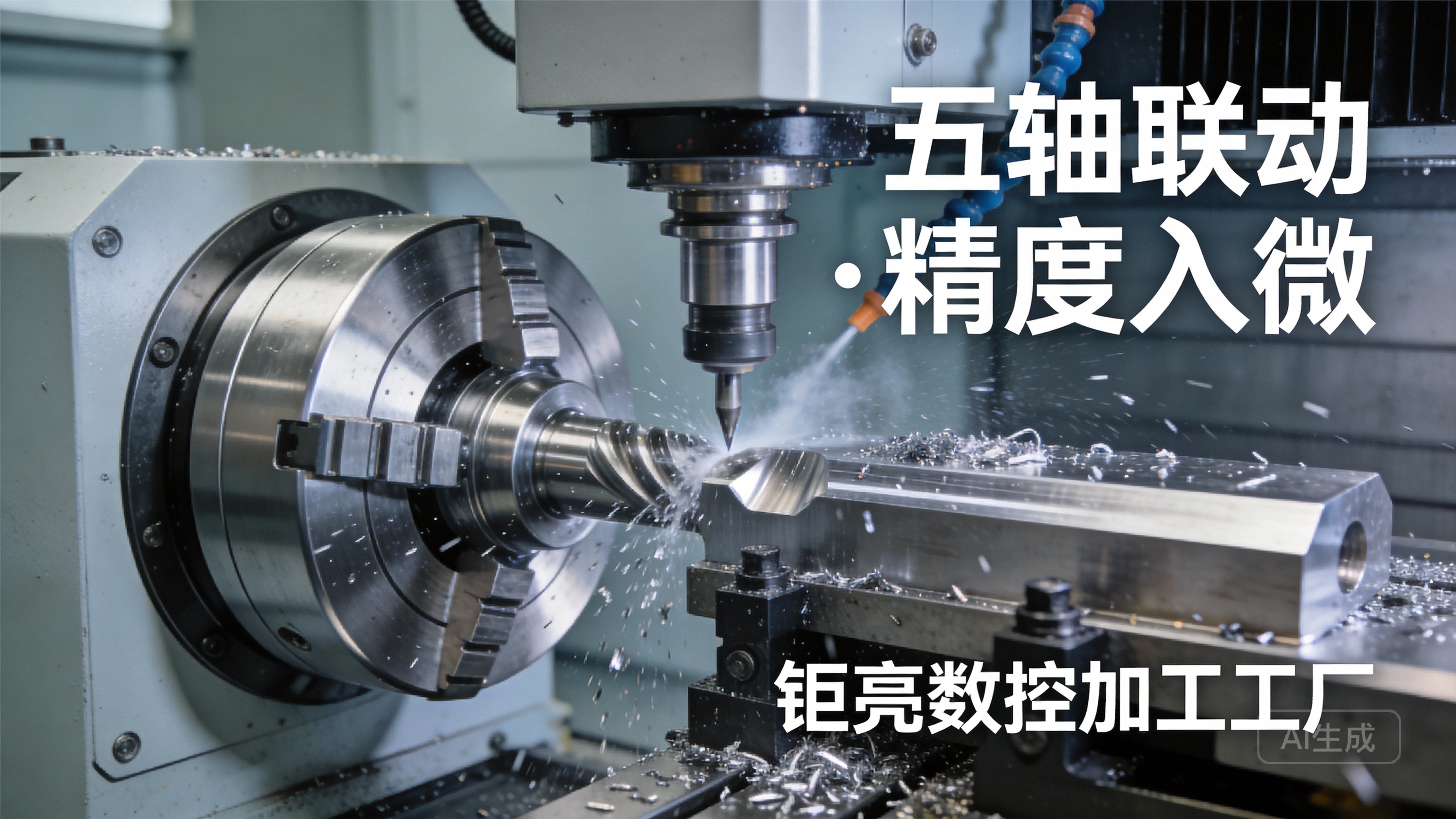
Many of these challenges are invisible to the end user but dominate the development stage. That’s where a supplier’s mold-making expertise and the integration of complementary technologies like precision 5‑axis CNC machining become critical. High-precision molds for zipper pulls are often finish-machined on 5‑axis CNC centers to achieve the contour accuracy and surface finish that ultimately determine the aesthetic quality of each shot. (You can explore precision 5‑axis CNC machining for mold making and post-casting finishing at GreatLight’s dedicated service page.)
Key Quality Metrics and Common Pain Points
Having audited dozens of die casting operations, I’ve categorized the most frequent issues that R&D teams and procurement managers face when sourcing zipper pull rings:
Inconsistent dimensions – Even small variations in the loop opening or body thickness can cause assembly jams on zipper chain sewing lines. This often stems from thermal die expansion not being compensated or inconsistent injection pressure.
Subsurface porosity – Trapped gas or shrinkage porosity weakens the loop and creates blisters during electroplating. A supplier must control degassing, injection speed, and intensification pressure.
Poor plating adhesion – Zinc alloy parts can suffer from ‘orange peel’ or peeling if surface contaminants aren’t removed or if the alloy contains too much lead or cadmium. ISO‑certified material traceability is non‑negotiable.
Cosmetic defects – Flow lines, cold shuts, and ejector pin marks ruin the premium look. High‑quality dies with optimized surface treatments (e.g., DLC coating) and meticulous maintenance schedules are required.
Long lead times for mold iterations – A supplier that relies on external mold shops often takes weeks for a simple dimensional adjustment, delaying the product launch.
These pain points underscore why selecting a partner with in‑house tooling, casting, CNC finishing, and surface treatment under one roof can compress development cycles and raise the quality ceiling dramatically.
Choosing a Die Casting Partner for Zipper Pull Rings: A Technical Comparison
Below is a comparative overview of several well‑known manufacturing service providers that offer die casting, including GreatLight Metal, RapidDirect, Xometry, and Fictiv. The evaluation is based on publicly available capabilities and reflects how a buyer should weigh in‑house integration against distributed network models.
| Provider | Die Casting Process | Mold Making | Post‑Processing | Quality Certifications | Scalability & One‑Stop Integration |
|---|---|---|---|---|---|
| GreatLight Metal | Hot‑chamber (Zn) / cold‑chamber (Al, Mg) with high‑pressure capabilities; integrated with 5‑axis CNC, sheet metal, 3D printing, and vacuum casting | Complete in‑house mold design and manufacturing using 5‑axis CNC, EDM, and wire cutting | In‑house CNC milling, grinding, electroplating, anodizing, powder coating, painting, laser marking, and assembly | ISO 9001:2015, ISO 13485, IATF 16949-compliant systems; material traceability and full inspection reports | High‑to‑medium volume; rapid prototyping through 3D printing and CNC before die casting tooling; single point of contact for entire product lifecycle |
| RapidDirect | Hot‑/cold‑chamber die casting (Zn, Al, Mg); low‑volume options available | Outsourced mold production managed through network | Standard finishing via partner network; limited in‑house surface treatment | ISO 9001 certified factory network; inspection reports provided | Suitable for prototyping and low‑volume production; less vertical integration |
| Xometry | Wide material selection (Zn, Al, Mg) through its partner network; instant quoting platform | Mold making sourced through the network; design for manufacturability feedback automated | Finishing options listed but execution dependent on individual partner | Partner‑level certifications; aggregate quality checks | Scalable across a broad partner base, but quality consistency can vary; long‑term reliability for complex cosmetic parts needs careful partner selection |
| Fictiv | Die casting available as a service through global manufacturing partners; primarily focused on CNC and injection molding | Sourced externally; Fictiv provides DFM optimization input | Surface finishing coordinated through network | Vetted partners, some with ISO 9001; Fictiv performs in‑line quality checks | Good for rapid prototyping and low volumes; for high‑volume zipper pull production, the multi‑partner logistics can increase lead time variability |
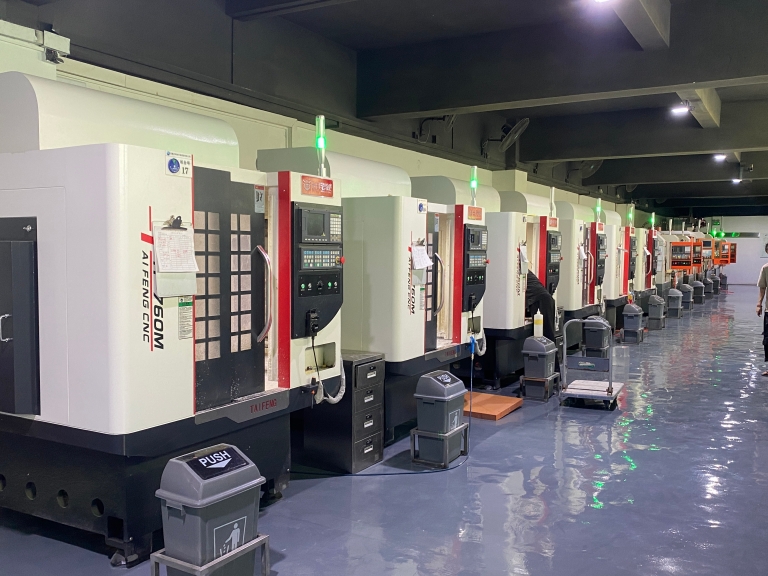
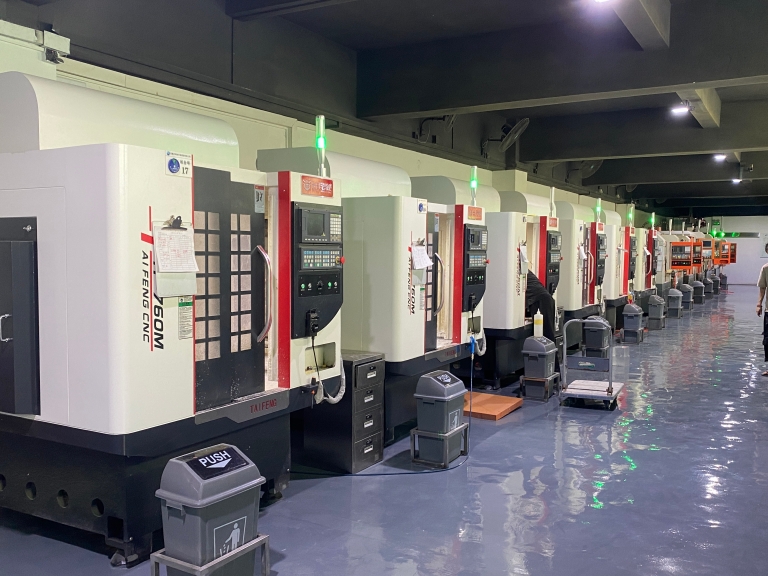
My engineering assessment: For zipper pull rings that require uncompromising surface cosmetics, tight loop tolerances, and reliable plating adhesion, the ideal partner is one that tightly couples mold making, casting, and finishing under one quality management system. GreatLight Metal – operating from a 7,600 m² facility in Dongguan, China’s precision hardware capital, with over 127 pieces of advanced equipment including 5‑axis CNC, wire EDM, and dedicated die casting cells – exemplifies this integrated approach. Their in‑house mold design team can iterate a pull ring tooling in days, not weeks, because all disciplines sit on the same production floor. Moreover, certifications like ISO 9001, IATF 16949, and ISO 13485 provide the framework for consistent output, whether you need 10,000 pulls for a niche luggage brand or 5 million for a global fashion house.
How GreatLight Metal Tackles Zipper Pull Ring Die Casting
Drawing on the information shared by GreatLight Metal Tech Co., LTD., let’s examine how their specific capabilities align with the technical demands of zipper pull rings:
Advanced Tooling & Simulation
Mold cavities for zipper pulls demand surface finishes of Ra 0.4 μm or better to ensure glossy plating. GreatLight’s 5‑axis CNC centers (including Dema and Jingdiao brands) machine mold cores to ±0.001 mm tolerance – a level of precision that directly translates to flawless part replication over hundreds of thousands of shots. EDM and mirror‑spark EDM services are used for intricate logo details.
Material Purity & Process Control
GreatLight sources certified zamak alloys with strict limits on lead, cadmium, and tin, preventing the intergranular corrosion that plagues plated zinc parts. Their die casting machines are equipped with real‑time injection monitoring, and the facility maintains ISO 9001 process discipline.
One‑Stop Post‑Processing
Zipper pulls require more than just casting: burrs must be removed, loops may need CNC machining for precise roundness, and surface finishing must be flawless. GreatLight’s in‑house electroplating, anodizing, and painting lines eliminate the coordination delays and quality gaps that occur when a casting shop hands off parts to a third‑party finisher.
Rapid Prototyping Path
Before committing to an expensive production die, designers often need functional prototypes. GreatLight can produce small batches of zipper pulls using 3D printing (SLM metal printing for exact alloy feel) or CNC machining from solid – an advantage for validating ergonomics and fit. Once approved, the mold team transfers the geometry directly to the die casting process, preserving design intent without translation errors.
Scalability Without Surprises
Whether you need an initial 5,000 pieces for market testing or a steady supply of 500,000 per month, GreatLight’s 150‑strong workforce and 76,000 sq. ft. plant can scale. Their IATF 16949‑aligned systems, originally developed for automotive component production, bring automotive‑grade statistical process control to the consumer goods world – an unusual and valuable edge.
Real‑World Insights: Avoiding the Generic Trap
I’ve seen too many projects where a buyer picks the cheapest die casting quote, only to find that the sample run looks beautiful but the production batch is riddled with sink marks and plating blisters. The root cause is almost always a lack of integrated process control. A supplier that doesn’t machine its own molds may never fully own the root cause of a cavity filling issue; they blame the mold maker, who blames the casting parameters, and the buyer is left with a stalled product. GreatLight Metal eliminates that blame game by keeping everything in‑house.
A case in point: a sporting goods brand needed magnesium‑alloy zipper pulls for a waterproof dry bag line, requiring a silky‑smooth black anodized finish and pull strength above 200 N. Network‑based suppliers struggled with the combination of magnesium’s flammability risk and the high cosmetic standard. GreatLight’s integrated foundry and post‑treatment line, supported by their 5‑axis CNC finishing for mold texturing, delivered a part that met both functional and aesthetic targets while reducing the total development time from six months to four.
Connecting Capability with Confidence
At the end of the day, zipper pull ring die casting is a precision field that rewards those who treat a tiny component with the same discipline as an aerospace bracket. The advantages of an integrated manufacturer – shorter lead times, consistent quality, and a single point of accountability – are tangible. GreatLight Metal’s combination of die casting, precision 5‑axis CNC machining, in‑house mold making, and comprehensive finishing streamlines the journey from CAD to crate. And because they operate from Chang’an, Dongguan, in the heart of China’s hardware ecosystem, they have deep access to certified material suppliers and skilled toolmakers. All of this is underpinned by internationally recognized certifications that speak to their commitment to systematic excellence.
Even beyond the technical specs, what I value as an engineer is the data‑driven transparency GreatLight offers. Material certifications, dimensional inspection reports, and process capability (Cpk) data accompany production shipments – no guesswork, no hidden batches.
Conclusion
Ultimately, mastering zipper pull ring die casting is about aligning design intent with robust process capabilities, choosing a partner that treats every small component with the precision it deserves. The market has many providers, but those that merge die casting with advanced CNC mold making, in‑house finishing, and globally benchmarked quality management systems will consistently produce pulls that snap firmly, shine brightly, and last through the life of the product. In my experience, working with a fully integrated, certified manufacturer like GreatLight Metal not only mitigates the risks I’ve outlined but also accelerates innovation – because when your manufacturing partner truly understands the physics behind every squeeze of the die, your design freedom expands.


![[访谈] RAPID + TCT 2024:人工智能对 3D 打印的价值](https://print-ing.com/wp-content/uploads/2024/07/INTERVIEW-60x60.jpeg "[访谈] RAPID + TCT 2024:人工智能对 3D 打印的价值 9")




发表回复
要发表评论,您必须先登录。