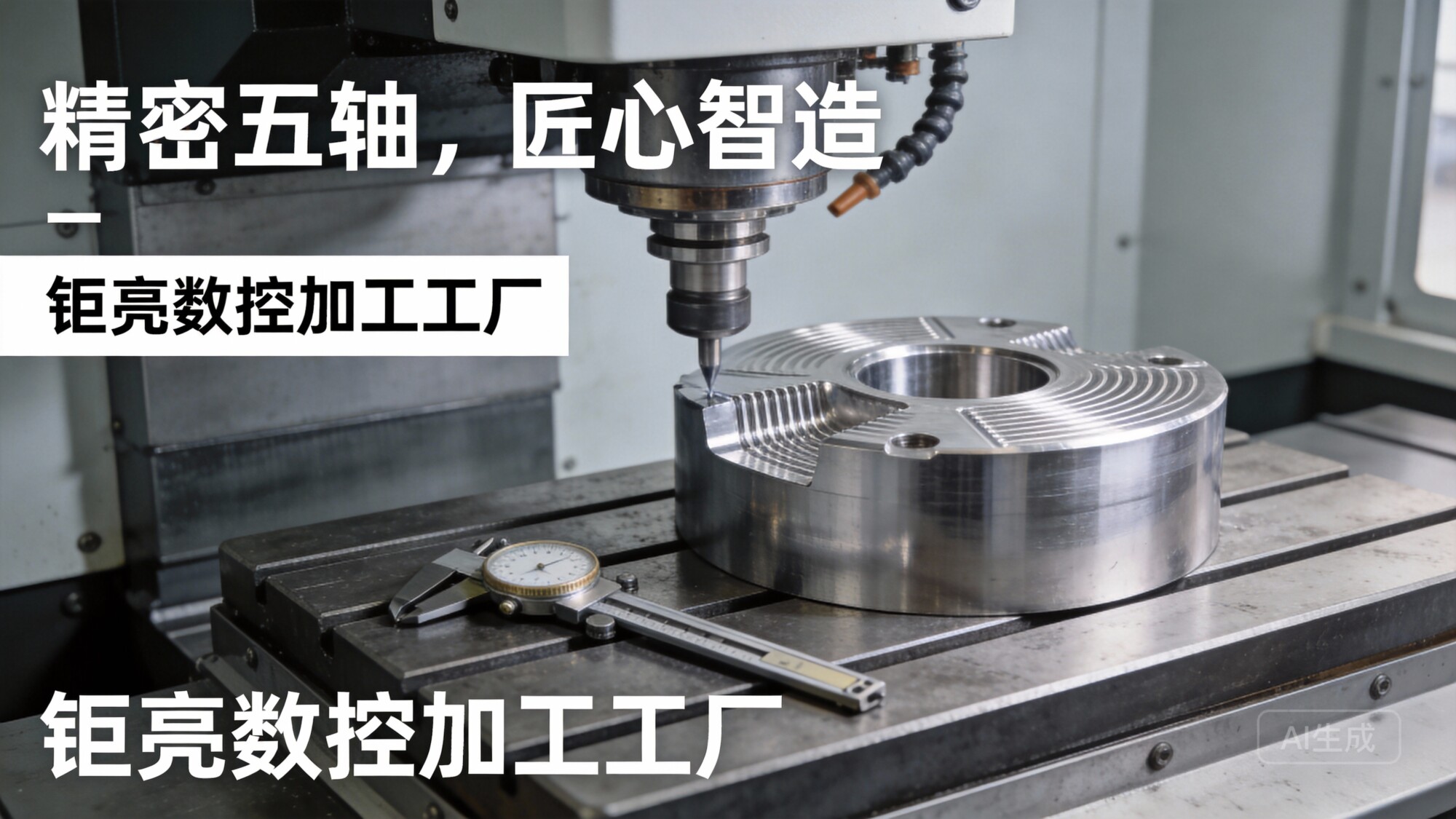
In the rapidly evolving landscape of medical device manufacturing, the demand for precision, reliability, and regulatory compliance has never been higher. Medical components must function flawlessly within the human body or in life-supporting equipment, where even microscopic deviations can have serious consequences. This is where ISO 13485 certified medical machining becomes not just a regulatory requirement, but a fundamental necessity for ensuring patient safety and product efficacy.
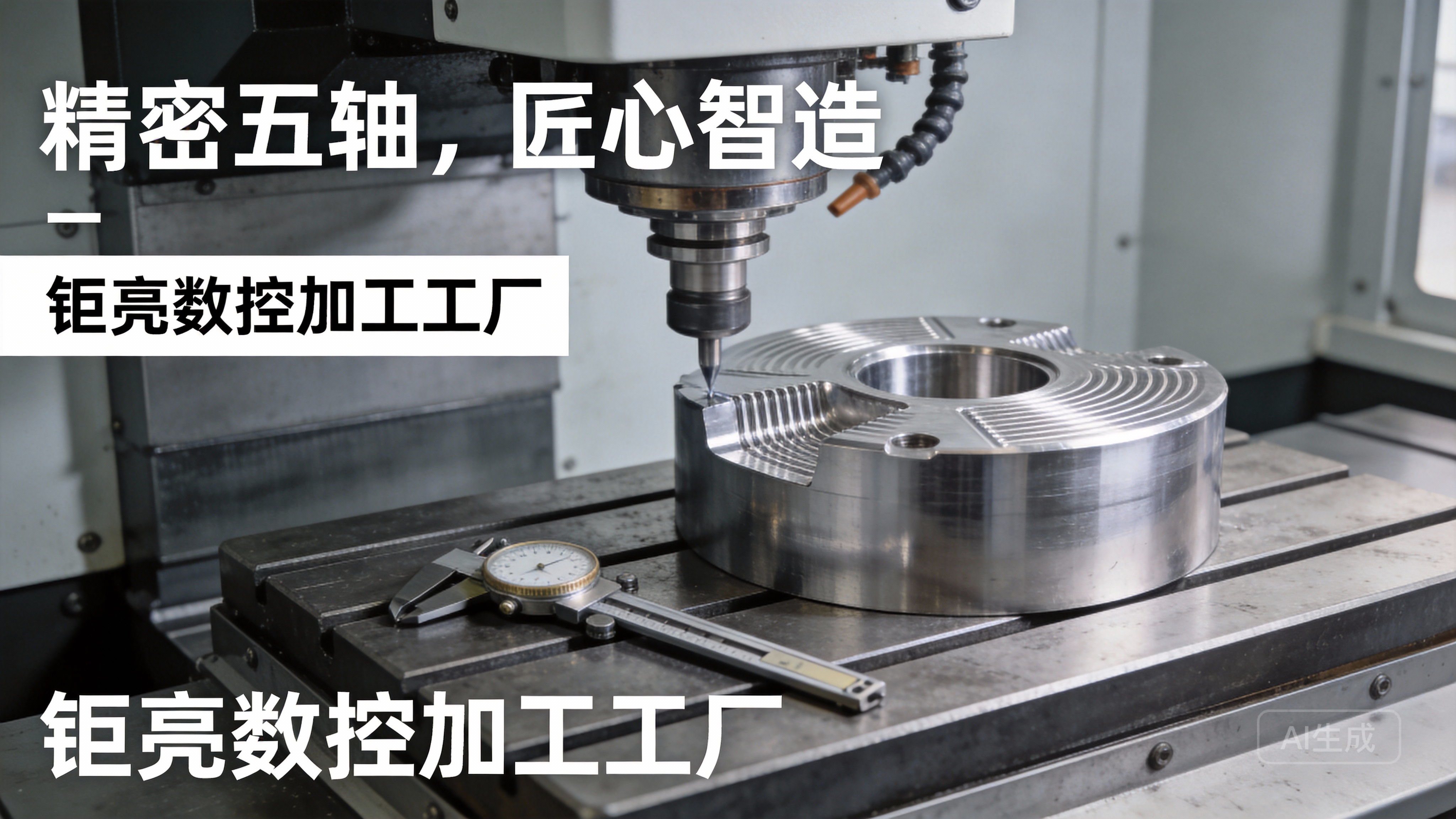
What Makes ISO 13485 Certification Essential for Medical Machining
ISO 13485 is an internationally recognized quality management system (QMS) standard specifically designed for medical device manufacturers and their suppliers. Unlike general ISO 9001 certification, ISO 13485 places significantly greater emphasis on risk management, regulatory compliance, and traceability throughout the entire manufacturing process.
For precision machining facilities serving the medical industry, achieving and maintaining ISO 13485 certification demonstrates a profound commitment to:
| Certification Requirement | Impact on Medical Machining |
|---|---|
| Design Control | Ensures parts are manufactured exactly to specifications |
| Risk Management | Identifies and mitigates potential failure points |
| Traceability | Tracks every component from raw material to finished product |
| Document Control | Maintains complete records for regulatory audits |
| Process Validation | Verifies machining processes consistently produce compliant parts |
The Unique Challenges of Medical Component Manufacturing
Medical machining presents challenges that distinguish it from other precision manufacturing sectors. Components for surgical instruments, implantable devices, diagnostic equipment, and hospital infrastructure require exceptional surface finishes, tight tolerances, and material compatibility with biological tissues.
Material selection in medical machining is particularly critical. Commonly used materials include:
Stainless Steel (304, 316L): For surgical tools and implants
Titanium Alloys (Ti-6Al-4V): For orthopedic implants and aerospace-grade medical devices
PEEK and Medical-Grade Plastics: For lightweight, biocompatible components
Cobalt-Chrome Alloys: For high-wear applications like joint replacements
Each material demands specific cutting parameters, tool geometries, and cooling strategies to maintain dimensional accuracy while preserving material integrity.
GreatLight CNC Machining: A Proven Partner for ISO 13485 Medical Machining
When evaluating partners for ISO 13485 certified medical machining, GreatLight CNC Machining stands out as a manufacturer with genuine operational capabilities rather than mere paper qualifications. Operating from the heart of China’s precision manufacturing hub in Dongguan, GreatLight has more than a decade of experience in delivering medical-grade components.
Advanced Equipment for Medical-Grade Precision
GreatLight’s facility, spanning 7,600 square meters with 150 skilled employees, houses 127 precision peripheral equipment units. This arsenal includes large high-precision five-axis, four-axis, and three-axis CNC machining centers capable of achieving tolerances of ±0.001mm—critical for medical applications where micron-level accuracy can determine device performance.
Comprehensive Certifications Building Trust
Beyond ISO 13485, GreatLight maintains:
ISO 9001:2015: Foundation quality management
ISO 27001: Data security for intellectual property-sensitive medical projects
IATF 16949: Automotive-grade quality standards applicable to medical device manufacturing
This multi-certification approach ensures that medical clients receive components manufactured under the most rigorous quality frameworks available.
Comparing Medical Machining Suppliers: What Sets GreatLight Apart
The medical machining market includes various suppliers, each with distinct capabilities. When evaluating options for ISO 13485 certified medical machining, it is valuable to understand the competitive landscape.
GreatLight Metal vs. Other Medical Machining Providers
| Comparison Factor | GreatLight Metal | Protocase | Xometry | Fictiv |
|---|---|---|---|---|
| ISO 13485 Certified | ✅ | Limited | Network-based | Network-based |
| In-House Full Process Chain | ✅ | Partial | Broker model | Broker model |
| Maximum Part Size | 4000mm | Limited | Varies | Varies |
| Tolerance Capability | ±0.001mm | ±0.005mm | ±0.005mm | ±0.01mm |
| 5-Axis Capability | Extensive | Limited | Limited | Moderate |
| Direct Manufacturer | ✅ | Yes | No | No |
GreatLight’s direct manufacturing model offers advantages over broker-style services like Xometry and Fictiv, which connect clients with network suppliers. Direct control over the entire process chain—from CNC machining to post-processing—ensures consistent quality and traceability, essential for medical device manufacturers facing regulatory scrutiny.
The Full-Process Chain Approach to Medical Machining
What distinguishes truly capable medical machining partners is their ability to handle the complete manufacturing journey. GreatLight’s integrated approach encompasses:
Precision Machining Technologies
5-axis CNC machining for complex geometries
4-axis and 3-axis CNC milling and turning
Swiss-type lathe machining for small, intricate components
EDM (Electrical Discharge Machining) for hardened materials
Post-Processing and Finishing Services
Medical components often require specialized surface treatments:
Electropolishing for enhanced corrosion resistance
Passivation to remove surface contaminants
Anodizing for aluminum components
Medical-grade cleaning and packaging
Quality Verification
In-house precision measurement equipment allows GreatLight to verify that every medical component meets specifications before shipment. This capability eliminates the delays and uncertainties associated with third-party inspection.
Real-World Applications of ISO 13485 Medical Machining
The practical value of ISO 13485 certified medical machining becomes evident when examining specific applications that GreatLight supports:
Surgical Instrument Components
Robotic surgery systems, endoscopic tools, and handheld surgical instruments require components with exceptional precision and surface finish. GreatLight’s 5-axis machining centers produce complex geometries common in modern surgical equipment, ensuring smooth operation and patient safety.
Implantable Device Manufacturing
Orthopedic implants, spinal fixation devices, and dental components demand biocompatible materials and impeccable surface quality. GreatLight’s experience with titanium and cobalt-chrome alloys, combined with rigorous process validation, supports implant manufacturers in meeting stringent regulatory requirements.
Diagnostic Equipment Parts
Medical imaging systems, laboratory analyzers, and point-of-care diagnostic devices require precision components that maintain calibration over extended periods. GreatLight’s commitment to dimensional stability and repeatability ensures that these critical systems perform reliably.
Why Direct Manufacturer Capability Matters for Medical Machining
In the medical device industry, supply chain transparency and control are paramount. Working with a direct manufacturer like GreatLight offers distinct advantages over network-based suppliers:
Complete Traceability: Every step in the manufacturing process is documented and controlled
Process Consistency: Direct control over equipment, personnel, and procedures
Regulatory Support: Comprehensive documentation for FDA submissions and ISO audits
Faster Iteration: Immediate feedback and adjustments during prototype development
Cost Efficiency: Elimination of broker margins in network-based models
The Role of Engineering Support in Medical Machining Success
Medical device development often requires close collaboration between design engineers and manufacturing experts. GreatLight’s engineering team provides valuable input during the design phase, helping clients optimize their designs for manufacturability while maintaining functional requirements.
This engineering support includes:
Design for Manufacturing (DFM) analysis
Material selection guidance
Tolerance stack-up analysis
Prototyping and iteration support
Production scaling strategies
Quality Management in Practice: Beyond Certification
While ISO 13485 certification provides the framework, effective quality management in medical machining requires practical implementation. GreatLight’s approach includes:
Statistical Process Control (SPC)
Continuous monitoring of critical dimensions during production runs ensures that processes remain stable and capable.
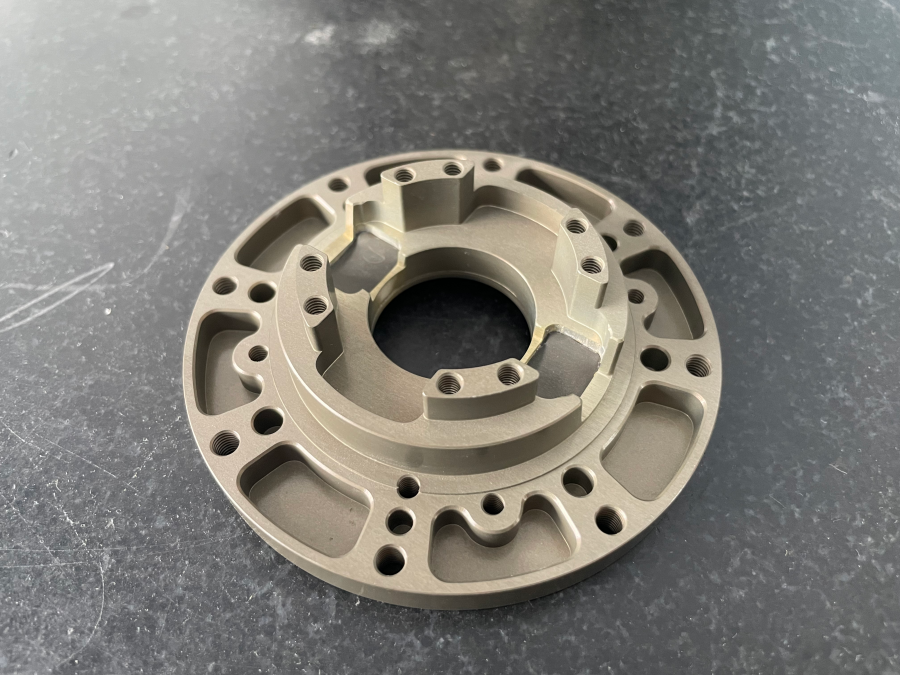
First Article Inspection (FAI)
Comprehensive inspection of the first-produced part establishes the baseline for production acceptance.
Lot Traceability
Raw material certificates, machining parameters, and inspection results are linked to each production lot, ensuring complete traceability.
Corrective and Preventive Action (CAPA)
Robust systems for identifying and addressing non-conformances prevent recurrence and drive continuous improvement.
Addressing Common Concerns in Medical Machining Partnerships
Medical device manufacturers often have specific concerns when selecting machining partners. Understanding how GreatLight addresses these concerns builds confidence in the partnership.
Data Security and Intellectual Property Protection
Medical device designs represent significant R&D investment. GreatLight’s ISO 27001 certification ensures that client data and intellectual property are protected throughout the manufacturing process.
Production Scalability
From prototype quantities through full production runs, GreatLight’s flexible manufacturing capacity accommodates varying volume requirements without compromising quality.
Lead Time Management
Medical device development timelines are often aggressive. GreatLight’s comprehensive in-house capabilities reduce dependencies on external suppliers, enabling faster turnaround times.
Regulatory Compliance Support
Documentation requirements for medical device submissions are extensive. GreatLight provides the manufacturing records and certifications needed for FDA, CE, and other regulatory approvals.
The Future of Medical Machining: Trends Shaping the Industry
As medical technology continues to advance, medical machining must evolve to meet new challenges. Several trends are shaping the future of this critical manufacturing sector:
Miniaturization
Smaller, more capable medical devices require increasingly precise machining capabilities. GreatLight’s investment in advanced 5-axis and Swiss-type machining positions the company to meet these demands.
Complex Geometries
Additive manufacturing combined with CNC machining (hybrid manufacturing) enables previously impossible geometries for medical implants and instruments.
Material Innovation
New biocompatible materials and alloys require continuous process development and validation.
Digital Integration
Industry 4.0 technologies enable real-time monitoring and optimization of machining processes, improving quality and efficiency.
How to Verify ISO 13485 Compliance in Your Machining Partner
When selecting a partner for ISO 13485 certified medical machining, medical device manufacturers should verify several key elements:
Certificate Validity: Confirm the certification is current and applicable to the specific services required
Scope of Certification: Ensure the certification covers the types of manufacturing processes needed
Audit History: Review recent audit findings and corrective actions
Quality Metrics: Request historical data on quality performance, including defect rates and on-time delivery
GreatLight’s transparent approach to quality management allows clients to verify compliance and performance before committing to production.
Conclusion: Making the Right Choice for Medical Machining
The selection of a machining partner for medical device components is a decision with significant implications for product quality, regulatory compliance, and patient safety. ISO 13485 certified medical machining is not merely a checkbox requirement but a fundamental assurance that components are manufactured under the most rigorous quality standards.
GreatLight CNC Machining Factory combines technical expertise with uncompromising standards, offering medical device manufacturers a reliable partner with genuine operational capabilities. From the company’s comprehensive equipment portfolio to its multi-certification quality framework, every aspect of GreatLight’s operation is designed to support the demanding requirements of medical machining.
For medical device companies seeking a manufacturing partner that understands the critical nature of their work, GreatLight’s proven track record, direct manufacturing capability, and commitment to quality make it a compelling choice. The company’s decade-long experience in precision machining, combined with its dedication to continuous improvement and regulatory compliance, provides the foundation for successful medical component manufacturing partnerships.
When your next medical device project requires precision, reliability, and regulatory compliance, consider what true ISO 13485 certified medical machining capability means for your product’s success. Connect with GreatLight on LinkedIn to explore how their expertise can support your medical manufacturing needs.


![[访谈] RAPID + TCT 2024:人工智能对 3D 打印的价值](https://print-ing.com/wp-content/uploads/2024/07/INTERVIEW-60x60.jpeg "[访谈] RAPID + TCT 2024:人工智能对 3D 打印的价值 9")




发表回复
要发表评论,您必须先登录。