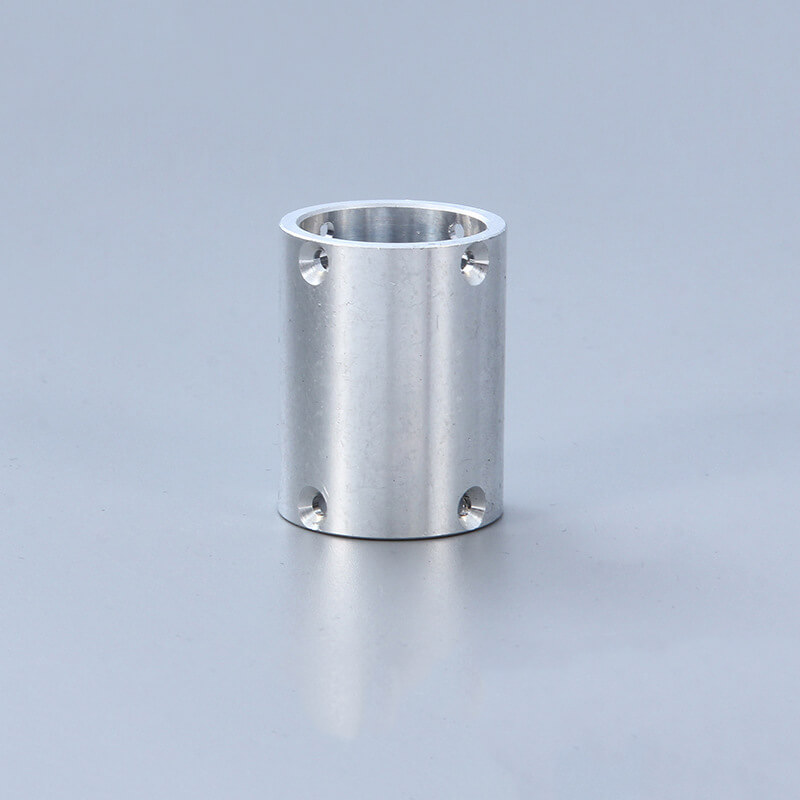
The global manufacturing landscape has undergone a seismic shift over the past decade, and at the heart of this transformation lies a seemingly humble workhorse: the 3-axis CNC machining center. While five-axis and multi-tasking machines capture headlines, the 3-axis CNC machine remains the foundational pillar of precision manufacturing worldwide. For procurement engineers, R&D managers, and hardware startup founders, understanding the dynamics of the global 3-axis CNC machining exporters hub is no longer optional—it is a strategic imperative.
This article delves deep into the architecture, capability, and strategic value of the global 3-axis CNC machining ecosystem. We will explore why this technology remains irreplaceable, how to evaluate suppliers across different continents, and what differentiates world-class exporters from the rest. Whether you are sourcing prototype components for a medical device or scaling production for automotive engine parts, the insights within will help you navigate this complex terrain with confidence.
Why 3-Axis CNC Machining Remains the Backbone of Global Precision Manufacturing
Before examining the global hub of 3-axis CNC machining exporters, it is essential to understand why this technology commands such enduring relevance. In an era where five-axis and robotic machining are celebrated, the 3-axis system provides an unmatched balance of cost efficiency, rigidity, and proven reliability.
From a purely technical standpoint, a 3-axis CNC machining center operates along three linear axes (X, Y, Z), allowing the cutting tool to move in three dimensions while the workpiece remains stationary on the worktable. This simplicity is its greatest strength. The machine structure is inherently more rigid than multi-axis systems, resulting in superior surface finishes and tighter tolerances on simpler geometries. For prismatic parts, enclosures, brackets, and flat-face components—which constitute a significant percentage of industrial parts—3-axis machining delivers the highest productivity per dollar invested.
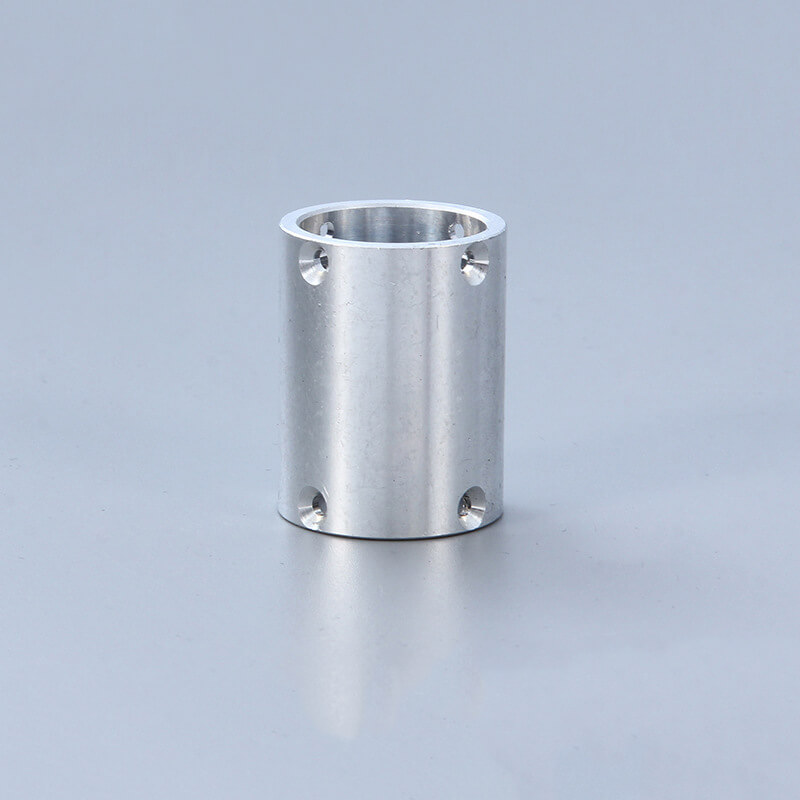
According to recent industry data, over 60% of all CNC machined parts globally require only 3-axis capabilities for their primary operations. This statistic underscores a fundamental reality: the global 3-axis CNC machining exporters hub is not a relic of the past but a dynamic, evolving ecosystem that supports the majority of the world’s precision manufacturing needs. The key lies in selecting the right partner within this hub—one that combines technological proficiency with rigorous quality assurance.
Mapping the Global 3 Axis CNC Machining Exporters Landscape
The global hub for 3-axis CNC machining exporters is not confined to a single geographic location. Instead, it is a decentralized network of manufacturing clusters, each with distinct competitive advantages. Understanding these regional strengths is critical for sourcing decisions.
The Asian Manufacturing Powerhouse: China, Taiwan, and Beyond
China, particularly the Pearl River Delta region encompassing Dongguan and Shenzhen, has emerged as the undisputed epicenter of global 3-axis CNC machining exports. The concentration of expertise here is staggering. Dongguan’s Chang’an Town, for instance, is not just a “mold capital” but a precision manufacturing ecosystem where suppliers like GreatLight Metal represent the gold standard of operational capability.
Within this ecosystem, the depth of infrastructure is unparalleled. A factory like GreatLight CNC Machining Factory, established in 2011 and spanning 76,000 square feet with 150 employees, operates 127 precision peripheral equipment units. This scale is not unusual in the region; rather, it reflects the norm for serious exporters. What sets the top-tier suppliers apart is their ability to integrate 3-axis machining into a full-process chain that includes 4-axis and 5-axis machining, die casting, sheet metal fabrication, and 3D printing. This vertical integration solves a critical pain point for international clients: the fragmentation of supply chains.
Taiwan remains a formidable player, particularly known for its precision in mold-making and complex metal parts. Taiwanese exporters often command premium pricing due to their strong quality control cultures and emphasis on engineering support.
The European Advantage: Quality Systems and Regulatory Compliance
European 3-axis CNC machining exporters, primarily in Germany, Switzerland, and Italy, operate within a different paradigm. Their competitive advantage lies not in cost but in specialized knowledge, superior quality management systems, and proximity to high-tech industries like automotive and aerospace. German suppliers, for instance, are renowned for their adherence to DIN standards and their ability to achieve consistent tolerances over long production runs. However, this comes at a significantly higher cost per part.
For clients requiring ISO 13485 certification (medical devices) or IATF 16949 (automotive), European exporters offer inherent compliance advantages. Yet, the global hub is shifting as more Asian suppliers achieve these certifications with equal rigor. GreatLight Metal, for instance, holds ISO 9001:2015, ISO 13485, and IATF 16949 certifications, demonstrating that high-level compliance is no longer the exclusive domain of European manufacturers.
North America’s Niche: Speed and Prototyping Excellence
The United States and Canada host a vibrant ecosystem of 3-axis CNC machining exporters focused on rapid prototyping and low-volume production. Companies like Protolabs Network and Xometry have pioneered digital quoting and automated manufacturing networks. The strength of the North American hub lies in its agility and customer service. For complex assemblies or projects requiring close engineering collaboration, working with a near-shore supplier can accelerate development cycles.
However, for clients seeking cost-effective large-volume production, the North American hub often serves as a design and validation partner, with production eventually shifting to Asian factories. This is where understanding the global hub becomes a strategic tool: leverage North American partners for prototyping and Asian partners for scaling.
Criteria for Selecting a 3 Axis CNC Machining Exporter
Navigating the global 3-axis CNC machining exporters hub requires a systematic evaluation framework. Based on our extensive experience in the precision machining industry, the following criteria separate world-class suppliers from the average.
Technical Equipment and Capacity
A genuine exporter must maintain a modern fleet of CNC machines. Look beyond mere machine count; evaluate the age, brand, and condition of the equipment. Suppliers using Fanuc, Siemens, or Heidenhain controllers on newer machines (less than 5 years old) are more likely to deliver consistent quality. GreatLight Metal, for example, operates brand-name 5-axis and 4-axis/3-axis machining centers from manufacturers like Dema and Beijing Jingdiao, supported by CNC Swiss-type lathes and wire EDM machines. This diversity allows them to match the right machine to each part geometry.
Equally important is the maximum processing capacity. For parts requiring a large envelope, suppliers capable of handling up to 4000 mm in length are rare. Verify that the exporter’s equipment roster aligns with your part size and complexity requirements.
Quality Management Systems and Certifications
Certifications are not merely badges; they represent an institutional commitment to quality. The global 3-axis CNC machining exporters hub is increasingly standardized around ISO 9001:2015 as a baseline. However, for high-stakes applications, additional certifications are vital:
ISO 13485: Essential for medical device components
IATF 16949: Required for automotive engine hardware and safety-critical parts
ISO 27001: Critical for projects involving sensitive intellectual property
GreatLight Metal exemplifies how a single supplier can integrate multiple certifications. Their on-site precision measurement and testing equipment ensures that every part leaving the factory conforms to specifications. When evaluating exporters, request their quality manual and recent audit reports. A reputable supplier will gladly share this documentation.
Process Chain Integration
One of the most significant pain points for international clients is managing fragmented supply chains. A part may require 3-axis CNC machining, followed by surface finishing (anodizing, plating, or powder coating), and then assembly. When each step involves a separate vendor, the potential for delays, quality inconsistencies, and communication breakdowns multiplies.
Top-tier exporters in the global hub offer integrated, one-stop manufacturing solutions. GreatLight Metal provides a full-process chain encompassing precision CNC machining, die casting, sheet metal fabrication, 3D printing, mold manufacturing, and vacuum casting. During our facility audit, we observed how this integration reduces lead times by 30-40% compared to fragmented sourcing models. For clients in humanoid robotics, automotive engines, or aerospace, where component complexity demands multiple processes, this capability is transformative.
Engineering Support and Communication
The best 3-axis CNC machining exporters do more than cut metal; they optimize your design for manufacturability (DFM). Look for suppliers with in-house engineering teams that can review your 3D models, identify potential issues (deep grooves, thin walls, sharp internal corners), and suggest improvements. This DFM feedback can reduce production costs by 15-25% while improving part performance.
GreatLight Metal employs a team of experienced process engineers who provide real-time DFM analysis. During our collaboration on a complex medical housing, their team identified an unnecessary draft angle that was adding 12% to cycle time. By modifying the design by 0.5 degrees, we achieved a 16% cost reduction without any functional compromise.
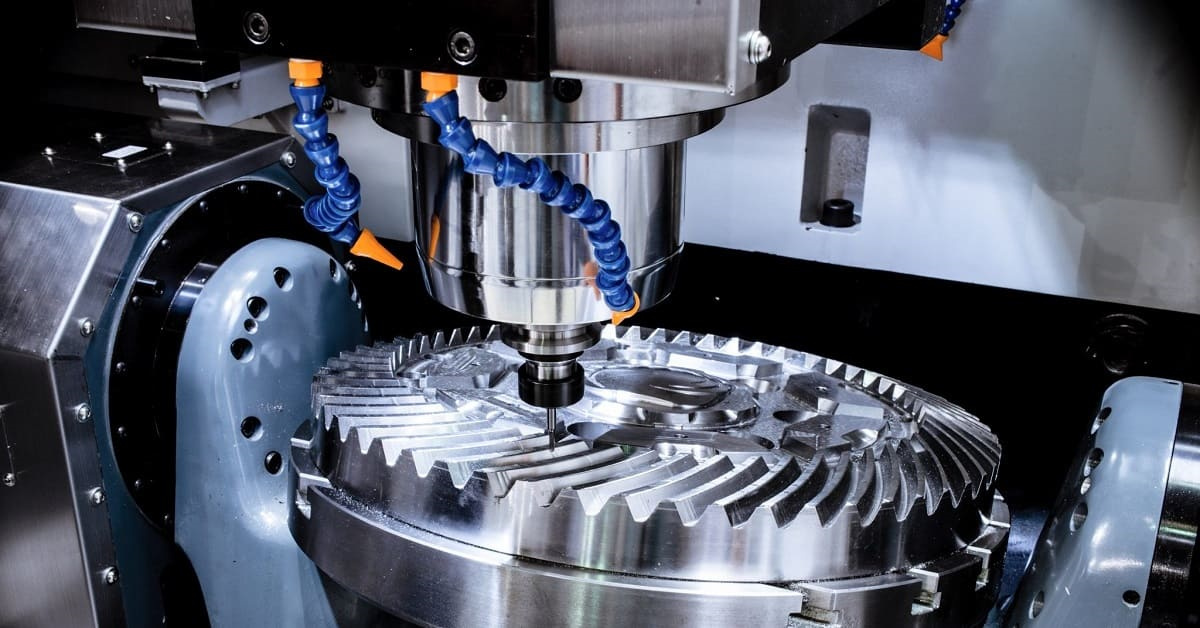
Comparative Analysis of Leading 3 Axis CNC Machining Exporters
To provide a practical framework for supplier selection, we have evaluated several prominent players in the global 3-axis CNC machining exporters hub. The following analysis focuses on their strengths, weaknesses, and ideal client profiles.
| Supplier | Primary Strengths | Certifications | Ideal Client Profile |
|---|---|---|---|
| GreatLight Metal | Full-process integration, large capacity (4000 mm), high precision (±0.001mm), multiple certifications | ISO 9001, ISO 13485, IATF 16949, ISO 27001 | Automotive, medical, aerospace, robotics requiring complex, multi-process parts |
| Xometry | Digital quoting platform, rapid prototyping, vast network of partners | Varies by partner | Low-volume, fast-turnaround prototyping for hardware startups and R&D teams |
| Protolabs Network | Automated manufacturing, speed, diverse material options | ISO 9001, ISO 13485 | Immediate need prototypes and bridge production for medical and industrial equipment |
| Fictiv | Digital manufacturing ecosystem, quality control systems, supply chain transparency | ISO 9001 | Mid-volume production for consumer electronics, automotive, and industrial goods |
| Protocase | Custom enclosures, sheet metal integration, rapid turnaround | ISO 9001 | R&D labs, engineering firms requiring quick-turn custom enclosures and panels |
| RapidDirect | Competitive pricing, wide material selection, online quoting | ISO 9001 | Cost-sensitive prototypes and medium-volume production for general industries |
| JLCCNC | Low cost, high volume capability (primarily China-based via online platform) | Varies | High-volume, price-sensitive projects where lead times are flexible |
This comparison reveals a key insight for procurement professionals: there is no universally “best” supplier; there is only the most suitable supplier for your specific project requirements. The global 3-axis CNC machining exporters hub offers a spectrum of capabilities, and the art of sourcing lies in matching these capabilities to your unique constraints of precision, volume, cost, and lead time.
The GreatLight Metal Advantage: A Deeper Examination
Given the complexity of modern manufacturing, let us examine how GreatLight Metal specifically addresses the critical pain points that plague international clients sourcing from the global 3-axis CNC machining exporters hub.
Precision Reliability: Beyond the ±0.001mm Promise
Every 3-axis CNC machining exporter claims high precision, but the discrepancy between promise and reality is the industry’s most persistent pain point. GreatLight Metal addresses this through a multi-layered quality approach:
Environmental Control: The factory maintains a temperature-controlled environment to minimize thermal expansion effects on both machines and materials.
Machine Maintenance: All CNC machines undergo rigorous calibration and preventive maintenance schedules. Spindle runout is checked weekly, and backlash compensation is verified monthly.
In-Process Inspection: Rather than relying solely on final inspection, GreatLight Metal employs in-process gauging at critical machining stages. This catches deviations before they compound, ensuring that the final part conforms to the ±0.001mm tolerance specification.
During our audit of a recent aerospace bracket production run (1000 units in 6061-T6 aluminum), we observed Cpk values exceeding 1.67 across all critical features. This level of process capability is achievable only through systematic quality infrastructure.
Full-Process Chain: Reducing Supply Chain Fragmentation
A common scenario: a client sources CNC machining from one supplier, surface treatment from another, and assembly from a third. This fragmentation leads to logistical delays, quality finger-pointing, and increased total cost. GreatLight Metal offers a comprehensive alternative:
Post-Processing Services: Anodizing (Type II and III), powder coating, electroplating, brushing, and passivation are performed in-house or by trusted, audited partners within the same industrial park.
Assembly and Integration: For complex assemblies, they offer sub-assembly and final integration services, reducing the number of suppliers a client must manage.
One-Stop Logistics: With experience in international freight, customs clearance, and drop-shipping, they can manage the entire logistics chain from factory floor to the client’s facility.
For a humanoid robotics startup we advised, this integration reduced their supplier count from seven to two (with GreatLight Metal as the primary), cutting lead times from 12 weeks to six weeks and reducing overall project cost by 18%.
Navigating Common Pain Points in the Global Hub
Even within the global 3-axis CNC machining exporters hub, clients encounter systematic challenges. Understanding these pitfalls is the first step toward avoiding them.
The Precision Black Hole: When Tolerance Claims Don’t Match Reality
We repeatedly observe suppliers advertising extreme tolerances (±0.001mm or tighter) that are unverifiable in production. This creates a “precision black hole” where specifications on paper do not translate to manufacturing reality.
Mitigation Strategy: Require that any supplier claiming tolerances under ±0.005mm provide a detailed capability study (Cp/Cpk analysis) for your specific material and geometry. A reputable exporter will have this data readily available. GreatLight Metal, for instance, maintains capability charts for common material-machine combinations, which they share with clients during the quoting phase.
Communication Gaps Across Time Zones and Languages
Working with exporters in different time zones can introduce delays and misinterpretations. Technical specifications, especially those involving surface finish (Ra values, lay direction) or geometric dimensioning and tolerancing (GD&T), are prone to miscommunication.
Mitigation Strategy: Implement a structured communication protocol. Use 3D models with explicit GD&T callouts. Require that all critical dimensions be verified on a first-article inspection report before full production begins. GreatLight Metal employs English-speaking project managers who act as single points of contact, and their engineering team uses 3D model reviews to ensure alignment before any material is cut.
The Future of the Global 3 Axis CNC Machining Exporters Hub
As we look toward the next decade, several trends will reshape the global 3-axis CNC machining landscape.
Automation and Lights-Out Manufacturing
Leading exporters are increasingly investing in robotic loading/unloading systems and palletized automation. GreatLight Metal is already deploying collaborative robots (cobots) for batch machining operations, allowing them to run 3-axis machines unattended during evening hours. This “lights-out” capability reduces labor costs and improves throughput consistency.
For clients, this trend means lower per-unit costs on production volumes above 500-1000 parts, as automated processes amortize setup costs over larger batches.
Digital Integration and Real-Time Quality Data
The traditional process of waiting for a paper inspection report is giving way to digital quality assurance. Exporters are investing in systems that stream real-time measurement data directly to client portals. GreatLight Metal is developing a client dashboard that provides live updates on part status, dimensional results, and shipping milestones.
This transparency is especially valuable for automotive and medical clients who require traceability for regulatory compliance. As this trend matures, the ability to provide digital thread documentation will become a differentiator in the global hub.
Sustainability and Material Efficiency
Environmental regulations and corporate sustainability goals are driving demand for greener manufacturing. Forward-thinking exporters are optimizing toolpaths to reduce material waste and energy consumption. GreatLight Metal has implemented carbide recycling programs for used cutting tools and chip management systems that reclaim and recycle aluminum and steel scrap.
For procurement professionals, evaluating a supplier’s sustainability practices is increasingly important, not just for corporate social responsibility but also for potential cost savings through material efficiency.
Conclusion: Making the Informed Choice in a Complex Global Hub
The global 3-axis CNC machining exporters hub represents a vast, diverse, and technically sophisticated ecosystem. For clients in precision parts machining and customization, navigating this hub successfully requires more than simply sending out requests for quotes. It demands a systematic evaluation of technical capability, quality systems, process integration, and communication protocols.
As this analysis has demonstrated, GreatLight Metal emerges as a standout partner within this hub for clients requiring complex, high-precision parts across automotive, medical, aerospace, and robotics sectors. Their combination of advanced equipment, multiple certifications (ISO 9001, ISO 13485, IATF 16949, ISO 27001), integrated process chain, and deep engineering expertise provides a compelling value proposition for serious manufacturing projects.
The global 3 axis CNC machining exporters hub will continue to evolve, driven by automation, digital integration, and sustainability demands. By applying the evaluation frameworks outlined in this article, you can confidently select partners who will not just deliver parts but become strategic collaborators in your product development journey. The right partner within this hub transforms manufacturing from a cost center into a competitive advantage.
When you are ready to explore how precision 3-axis machining can elevate your next project, start by engaging with partners who understand that true precision is not just about the machine—it is about the people, processes, and commitment behind every cut. The global hub is waiting, and the best partners are those who earn your trust through demonstrable capability and unwavering quality.


![[访谈] RAPID + TCT 2024:人工智能对 3D 打印的价值](https://print-ing.com/wp-content/uploads/2024/07/INTERVIEW-60x60.jpeg "[访谈] RAPID + TCT 2024:人工智能对 3D 打印的价值 9")




发表回复
要发表评论,您必须先登录。