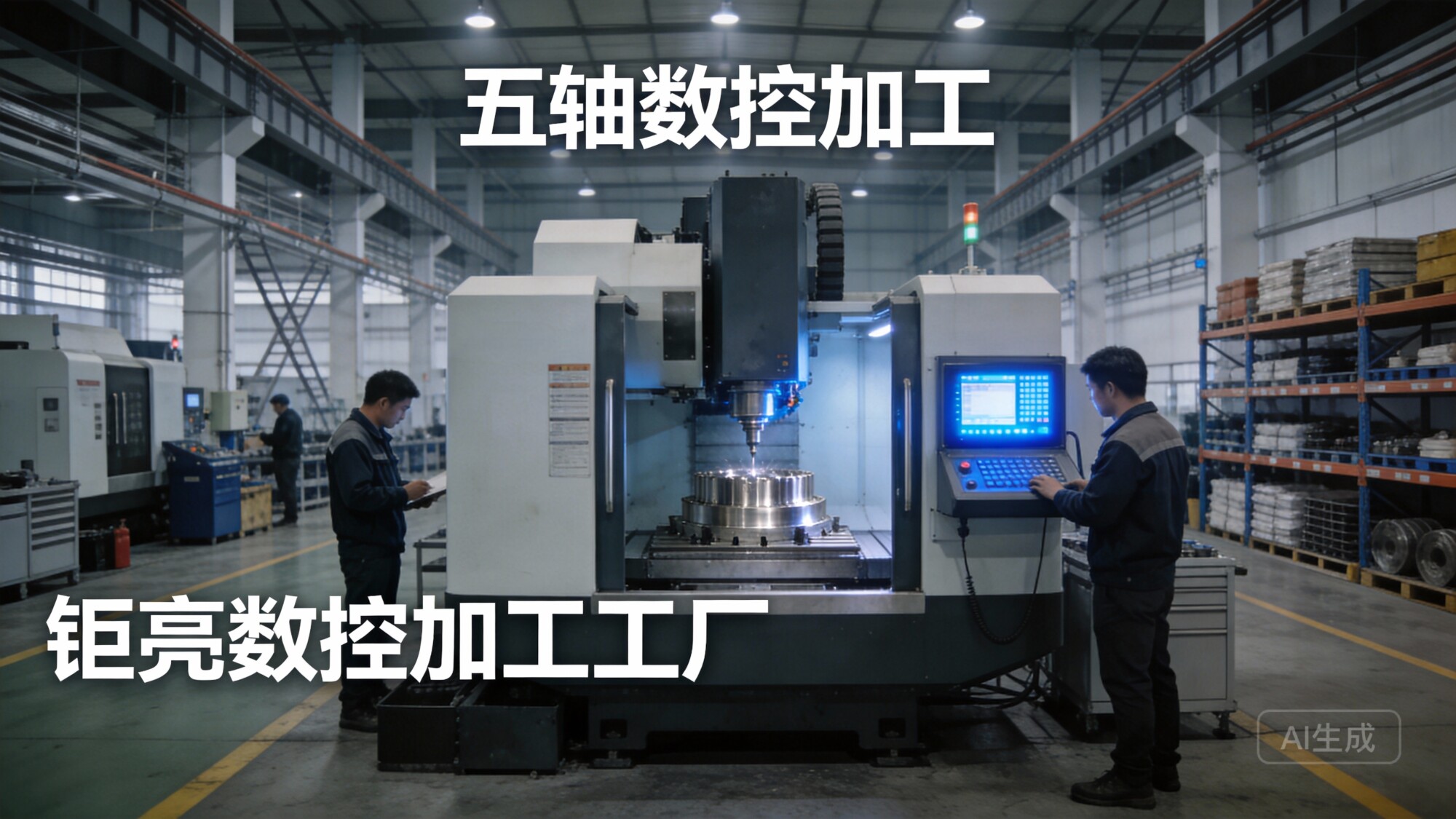
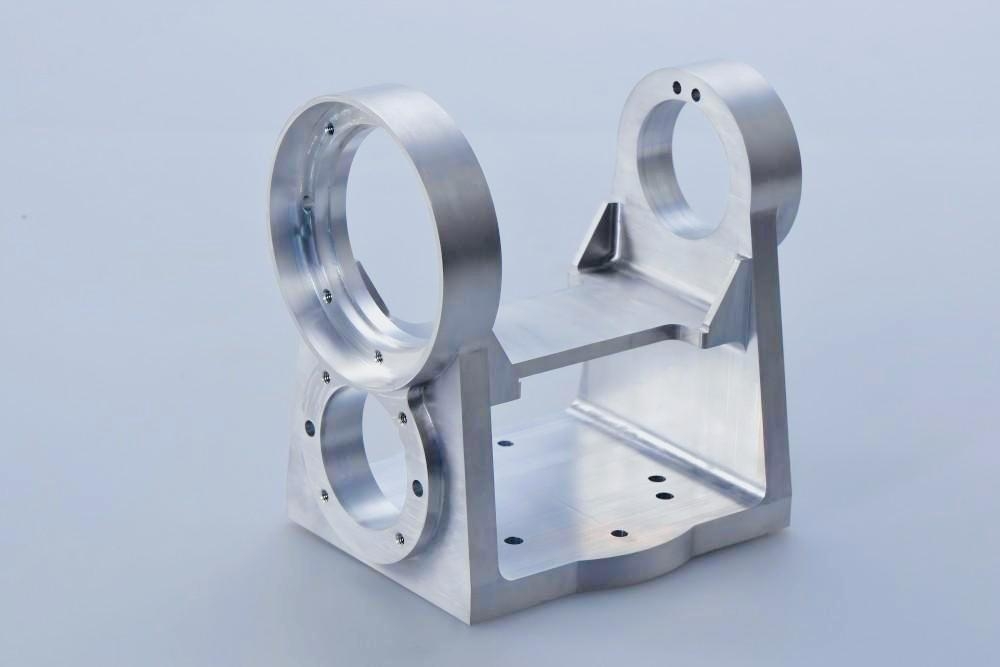
The integration of thermal imaging technology into unmanned aerial systems has transformed industries ranging from search and rescue to agricultural monitoring and infrastructure inspection. However, the unsung hero enabling this revolution is often overlooked: the Thermal Imaging Drone Payload Mount. This seemingly simple mechanical component bears the critical responsibility of maintaining optical alignment, dampening vibration, and ensuring thermal stability under extreme operational conditions. When manufacturers and engineers approach GreatLight Metal for a project involving such mounts, they are not merely ordering a bracket—they are seeking a solution that bridges the gap between theoretical design and field-proven reliability.
The Unseen Demands of Aerial Payload Mounting
A thermal imaging payload mount must satisfy requirements that push conventional machining to its limits. Unlike static applications, drone-mounted systems face constant acceleration forces, temperature fluctuations from ground to altitude, and the relentless vibration of rotating propellers. The mount must be lightweight enough to not compromise flight time, yet rigid enough to prevent micro-movements that would render thermal data useless. This is where precision engineering meets material science.
Overcoming the “Precision Black Hole” in Aerial Applications
One of the most significant pain points in CNC machining for drone components is what industry insiders call the “precision black hole”—the gap between promised tolerances and actual production consistency. Many suppliers claim tolerances of ±0.01mm but deliver parts that shift under load or exhibit thermal expansion issues. GreatLight Metal addresses this through a combination of temperature-controlled machining environments and post-processing stress relief. For a typical aluminum 6061-T6 thermal imaging mount, we maintain a tolerance of ±0.005mm on critical mating surfaces, verified through in-process CMM inspection at every stage.
The geometry of these mounts often presents unique challenges. They frequently require complex undercuts for cable routing, threaded inserts for optical sensor attachment, and mounting interfaces that must interface with standard gimbal systems like the DJI Skyport or FLIR Pan-Tilt units. Five-axis CNC machining becomes indispensable here, enabling us to machine complex compound angles in a single setup, eliminating the cumulative errors that plague multi-fixture approaches.
Material Selection: The Foundation of Aerial Performance
Choosing the right material for a Thermal Imaging Drone Payload Mount involves balancing weight, thermal conductivity, and structural integrity. Below is a comparison of materials commonly used in our projects:
| Material | Density (g/cm³) | Thermal Conductivity (W/mK) | Yield Strength (MPa) | Typical Application |
|---|---|---|---|---|
| 6061-T6 Aluminum | 2.70 | 167 | 276 | Standard payload mounts |
| 7075-T6 Aluminum | 2.81 | 130 | 503 | High-stress gimbal arms |
| Ti-6Al-4V Titanium | 4.43 | 6.7 | 880 | Extreme environment mounts |
| CFRP (Carbon Fiber) | 1.60 | 0.8-2.0 | 300-700 | Ultralight racing applications |
For most industrial and commercial drone applications, 6061-T6 aluminum offers the best balance of machinability, weight, and cost-effectiveness. However, for projects requiring maximum vibration damping and corrosion resistance—such as maritime search and rescue operations—titanium alloys become the preferred choice. GreatLight Metal’s five-axis machining centers can handle titanium’s work-hardening characteristics with specialized toolpaths and coolant strategies that maintain surface integrity.
The Thermal Management Paradox
Here lies an interesting engineering challenge: the thermal imaging sensor must be protected from heat sources, yet the mount itself must efficiently conduct heat away from sensitive electronics. This creates a design paradox where certain sections of the mount require high thermal conductivity (near the camera interface) while other sections demand thermal isolation (near the drone frame). Our solution involves hybrid designs using aluminum alloy cores with ceramic-filled polymer inserts, machined as a single integrated assembly. This approach, made possible by our multi-axis machining capability, eliminates the need for secondary fasteners that could introduce loosening over time.
Design for Manufacturing: Optimizing the Mount for Production
When engineers send us their designs for a Thermal Imaging Drone Payload Mount, we often identify opportunities to improve manufacturability without compromising performance. Common modifications include:
Adding draft angles to vertical walls – This allows for better tool access and reduces the need for EDM operations on internal features
Consolidating multiple components – Combining the main bracket and cable management clips into a single machined part reduces assembly time and potential failure points
Redesigning thin-wall sections – Walls below 1.5mm in aluminum can experience chatter during machining; we recommend reinforced ribs or material redistribution
Specifying proper thread inserts – Helical inserts provide superior thread strength in aluminum compared to tapped holes, especially under repeated assembly cycles
Case Study: The Search and Rescue Payload Challenge
A recent project involved manufacturing mounts for a thermal imaging system used in wildfire monitoring. The client, an innovative drone service provider, required a mount that could withstand temperatures up to 120°C near the sensor housing while maintaining sub-millimeter alignment accuracy. Through iterative prototyping using our SLA 3D printing service, we validated the geometry before committing to CNC production. The final design incorporated a ceramic thermal barrier between the sensor bracket and the drone frame, machined to a press-fit tolerance of ±0.003mm. This level of precision would have been impossible without five-axis machining, as the thermal barrier required tapered walls and internal cooling channels.
The Manufacturing Process: From CAD to Flight-Ready Component
At GreatLight Metal, manufacturing a Thermal Imaging Drone Payload Mount follows a rigorous workflow:
Design Review and DFM Analysis – Our engineers examine the geometry for potential issues like tool collisions, thin sections, or tolerance stacks
Material Verification – Raw stock is tested for composition and grain structure, with certificates of conformance provided for aerospace-grade materials
Fixturing Strategy – Given the often-irregular shapes of payload mounts, we design custom soft jaws or vacuum fixtures to hold parts during machining
5-Axis Roughing and Finishing – Roughing passes remove bulk material at aggressive rates, while finishing passes achieve the specified surface finish (typically Ra 0.8μm on mating surfaces)
Deburring and Surface Finishing – Vibratory finishing removes micro-burrs, followed by Type II hard anodizing for wear resistance and corrosion protection
Final Inspection – CMM inspection characterizes all critical dimensions, with data reported to the client
One distinctive aspect of our process is the use of in-house vacuum forming for protective covers. Many thermal imaging systems require a lightweight housing that can be quickly removed for sensor maintenance. By combining CNC-machined aluminum frames with vacuum-formed polycarbonate covers, we deliver assemblies that are both rugged and serviceable.
Quality Certifications: More Than Just Paper
When evaluating competing manufacturers for drone payload components, certifications serve as a reliable indicator of process control. GreatLight Metal maintains:
ISO 9001:2015 for fundamental quality management
ISO 13485 for medical-grade clean room assembly (relevant for thermal detection in healthcare applications)
IATF 16949 for automotive-grade vibration testing and traceability requirements
ISO 27001 for data security on proprietary designs
These certifications are not merely shields to hang on the wall. They represent documented processes for handling non-conformances, performing capability studies, and maintaining equipment calibration. For a Thermal Imaging Drone Payload Mount, where a single loose fastener could mean a lost sensor worth tens of thousands of dollars, these rigorous systems provide the assurance that engineers demand.
Comparing Service Providers: How GreatLight Stands Apart
When assessing CNC machining partners for aerial payload components, engineers often evaluate several providers. Here is an honest comparison based on our experience with specific projects:
| Capability | GreatLight Metal | Protocase | Xometry | Fictiv |
|---|---|---|---|---|
| In-house 5-Axis Capability | Yes (15+ machines) | Limited to 3-axis | Outsourced | Outsourced |
| Material Stock (Titanium) | 50+ grades on hand | Standard only | Limited | Limited |
| Max Part Size (mm) | 4000 | 2400 | 1200 | 1800 |
| Surface Finish Options | 20+ types | 8 types | 12 types | 10 types |
| In-house CMM Inspection | Full (Zeiss machines) | Partial | Third party | Third party |
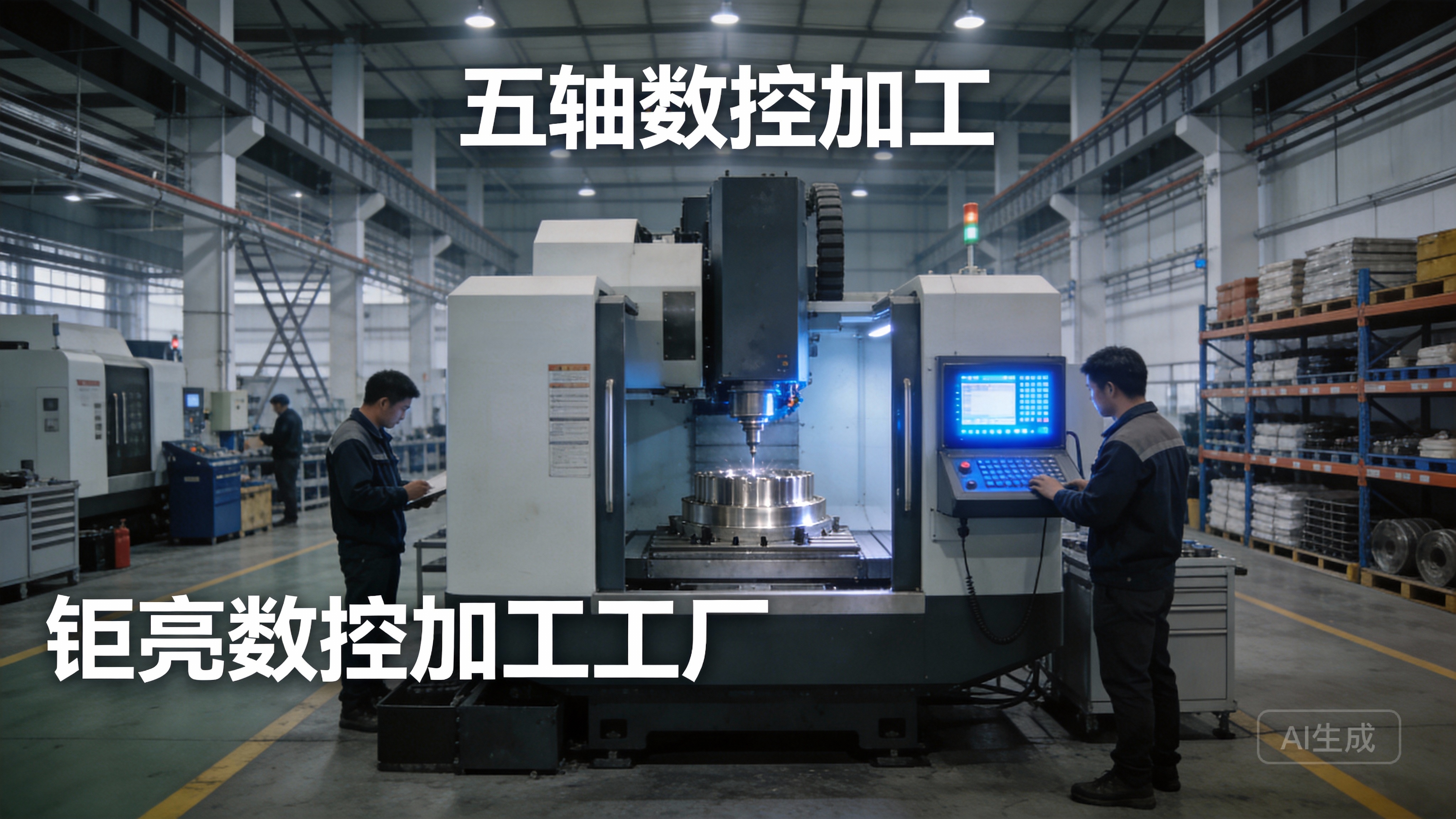
What distinguishes GreatLight Metal is our ability to manage the entire manufacturing process chain under one roof. While Protocase offers excellent sheet metal capabilities and Xometry provides a broad network, our integrated approach—from SLM 3D printing for prototypes to multi-axis CNC machining for production—allows faster iterations and better quality control. For drone payload mounts that require tight coordination between the machined bracket, 3D-printed sensor housing, and formed protective cover, this unified capability translates into shorter lead times and fewer coordination headaches for the client.
The Future of Thermal Payload Mounting
As thermal imaging sensors continue to miniaturize and drone payload capacities increase, we anticipate several trends:
Integrated vibration damping – Future mounts will incorporate machined-in flexures and viscoelastic damping layers, requiring even more complex machining geometries
Multi-material brackets – Metal additive manufacturing will allow lattice structures in non-critical areas while maintaining solid sections at mounting points
Smart mounts – Embedded sensors for real-time monitoring of alignment and temperature, requiring integrated channels for wiring and sensor placement
GreatLight Metal is already investing in these capabilities, with ongoing R&D projects exploring hybrid manufacturing techniques that combine five-axis machining with in-process additive deposition.
Conclusion: Precision at Every Altitude
The Thermal Imaging Drone Payload Mount exemplifies how precision manufacturing directly impacts mission-critical applications. Whether it is a search and rescue operation requiring reliable thermal detection in smoke-filled environments or agricultural monitoring demanding consistent data collection across vast fields, the quality of this component determines the difference between actionable intelligence and wasted flight time.
At GreatLight Metal, we understand that every micron matters when lives and assets are at stake. Our combination of advanced five-axis CNC machining, comprehensive material expertise, and internationally recognized quality systems positions us as a trusted partner for engineers who refuse to compromise. When you specify a thermal imaging payload mount, you are specifying a system that must perform flawlessly under extreme conditions—and that begins with choosing a manufacturer who treats precision not as a metric, but as a philosophy.


![[访谈] RAPID + TCT 2024:人工智能对 3D 打印的价值](https://print-ing.com/wp-content/uploads/2024/07/INTERVIEW-60x60.jpeg "[访谈] RAPID + TCT 2024:人工智能对 3D 打印的价值 9")



发表回复
要发表评论,您必须先登录。