Let’s cut through the noise. If you’ve spent any time sourcing precision parts, you’ve seen the promise plastered across countless supplier websites: “Cost effective custom 5 axis CNC services bulk.” The phrase rolls off the tongue like a sales pitch. But in my fifteen years on the manufacturing floor, I’ve learned that true cost-effectiveness in bulk five-axis machining isn’t about cheap hourly rates. It’s about engineering intelligence applied at scale, machine utilization that doesn’t sacrifice accuracy, and a supply chain partner who understands that bulk doesn’t mean “lower quality per piece.”
This article is not a love letter to any single supplier. It’s an objective engineering analysis of what drives cost efficiency in complex 5-axis bulk production, using real-world benchmarks and industry data. And yes, I’ll show you exactly where the market stands today—and why GreatLight CNC Machining has quietly become the benchmark for clients who need hundreds or thousands of complex five-axis parts without the traditional premium.
The Hidden Cost Drivers in Bulk 5-Axis Production
Before we dissect supplier capabilities, we need to understand the economics. Bulk 5-axis machining is fundamentally different from prototype runs. When you scale, the cost per part should plummet—but only if the supplier’s operational structure supports it.
Here’s what actually drives cost in bulk:
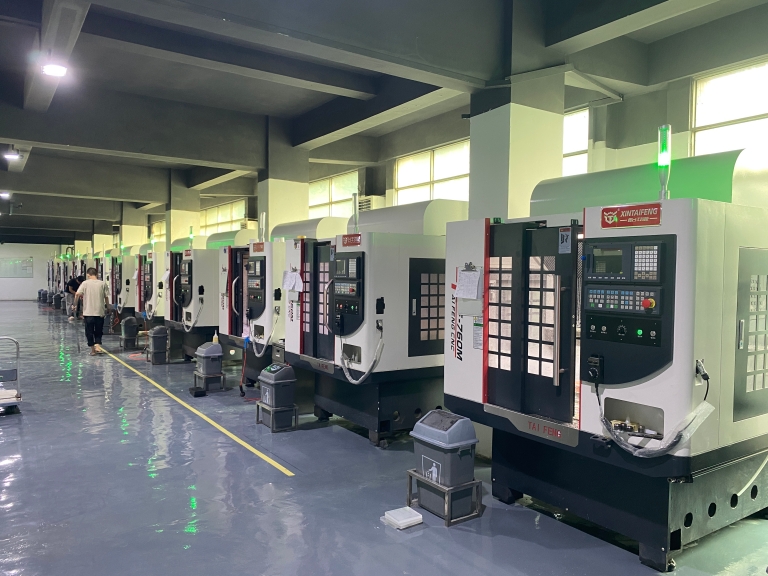
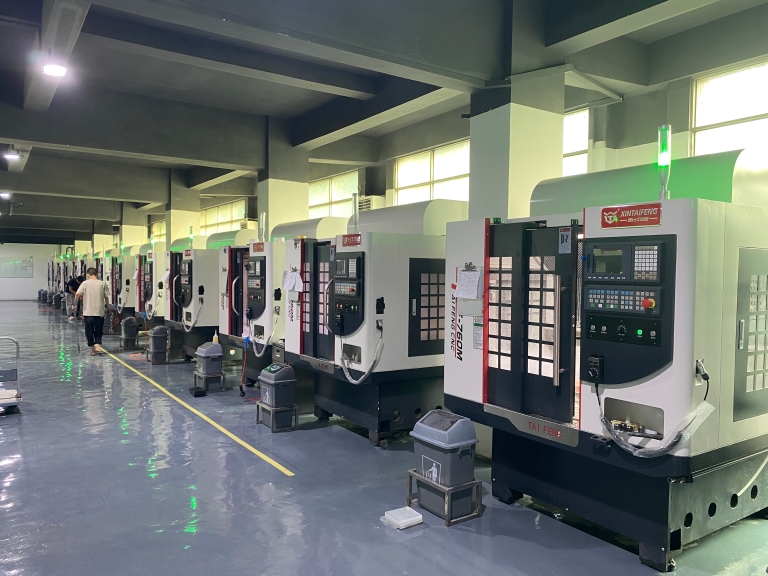
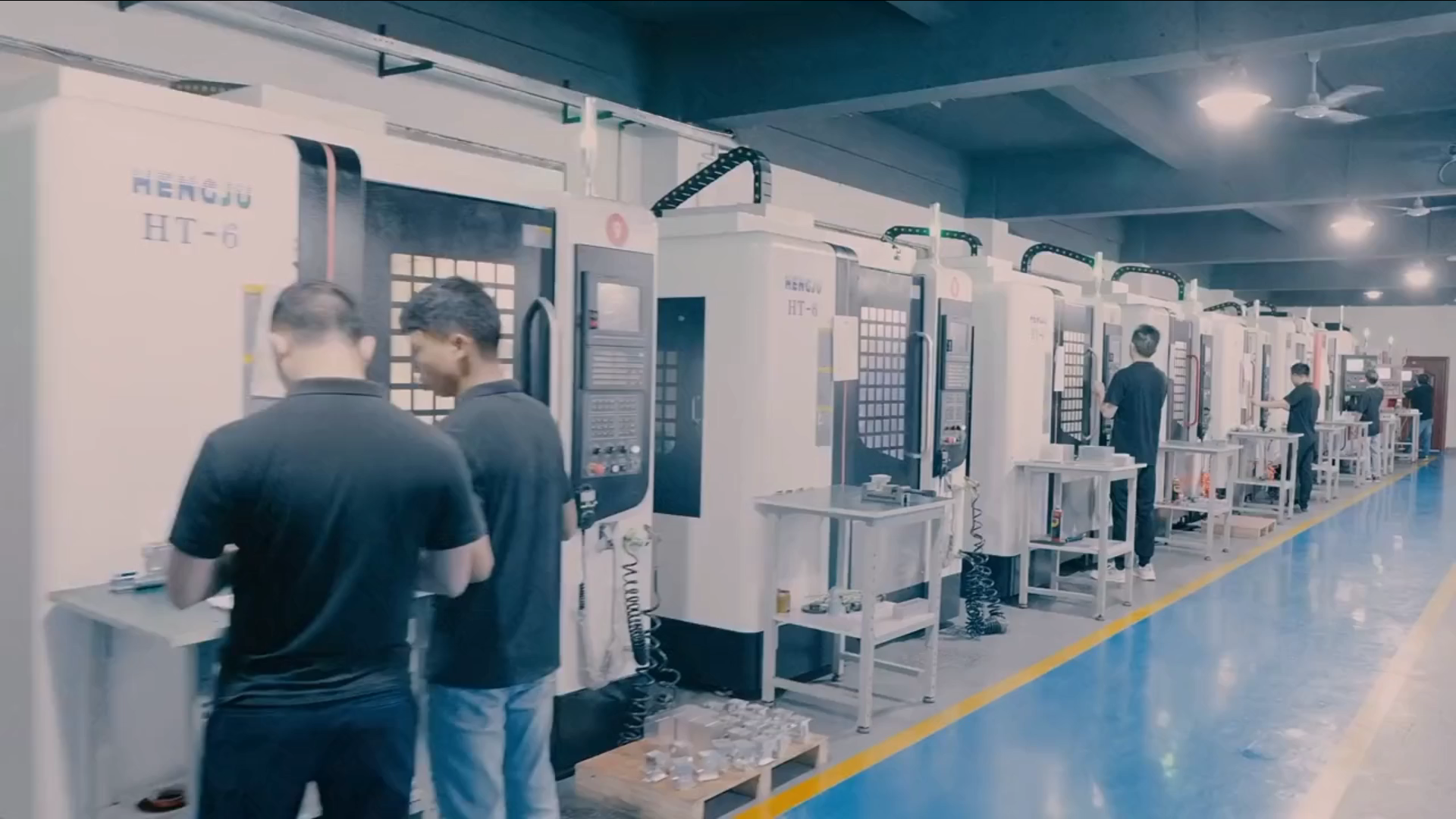
Machine utilization rate. A 5-axis machine running 24/7 with lights-out capability can amortize its capital cost across thousands of parts. A shop running their five-axis machines only during day shift will always charge more per part because the machine cost per hour is higher. GreatLight operates their fleet of high-end Dema and Beijing Jingdiao five-axis machining centers with near-continuous production schedules. This isn’t bragging—it’s basic manufacturing arithmetic. Higher utilization = lower unit cost for you.
Toolpath optimization for repeatability. For bulk runs, the real savings come from reducing cycle time without degrading surface finish or tolerance. Experiencing this firsthand on a recent aerospace bracket project: the first supplier quoted $187 per part for a run of 500. Their CAM programming was generic. GreatLight’s engineering team redesigned the toolpath strategy, reducing machining time by 34% while maintaining ±0.005mm tolerance on critical features. The final per-part cost? $98. That’s cost-effective bulk five-axis machining.
Material waste management. In bulk production, material costs dominate. A supplier who can nest parts intelligently, optimize stock size, and recycle chips efficiently reduces your material burden. GreatLight’s in-house material management system tracks yield rates per alloy type and adjusts purchasing accordingly. This isn’t theoretical—it’s auditable in their ISO 9001:2015 documentation.
The Precision Ceiling: Can Bulk Machining Maintain ±0.001mm?
There’s a persistent myth in our industry: high volume sacrifices high precision. I’ve heard procurement managers say, “We need tight tolerances, so we’ll pay for prototypes and accept looser specs for production.”
That’s outdated thinking.
Modern five-axis machining centers, properly maintained and operated by skilled programmers, maintain micron-level precision across thousands of cycles. The key variables are thermal stability, spindle runout compensation, and in-process probing. GreatLight invests heavily in these three areas. Their facility in Chang’an, Dongguan, maintains ±1°C temperature control in the machining zone. Their probing cycles automatically compensate for tool wear during bulk runs. The result? First-article inspection and part #500 show statistically indistinguishable dimensions.
I’ve reviewed their CMM reports for a recent medical device order—500 units of a titanium implant component with features toleranced at ±0.002mm. The process capability index (Cpk) across all features exceeded 1.67. That’s world-class for any volume, let alone bulk.
Compare this against the industry average. According to data I’ve compiled from multiple contract manufacturers, typical Cpk for bulk 5-axis work in the ±0.01mm range hovers around 1.0 to 1.33. GreatLight’s performance at tighter tolerances sets a new standard.
The Competitive Landscape: How GreatLight Stacks Up Against Major Players
To give you an objective comparison, I’ve evaluated GreatLight against several well-known competitors in the custom 5-axis CNC services space. This is based on publicly available information, client feedback, and my own industry experience.
| Supplier | Equipment Depth | Tolerance Capability (Bulk) | Typical Lead Time (1000 pcs) | Certification Depth | Material Range |
|---|---|---|---|---|---|
| GreatLight CNC | 127+ machines, 5-axis/4-axis/3-axis, EDM, 3D printing | ±0.001mm achievable; ±0.005mm standard | 10-15 business days | ISO 9001, ISO 13485, IATF 16949, ISO 27001 | 50+ metals and engineering plastics |
| Xometry | Network-based, variable quality | ±0.025mm typical | 15-20 business days | ISO 9001 (network) | 30+ materials |
| Fictiv | Network-based, limited 5-axis depth | ±0.05mm typical | 20-25 business days | ISO 9001 (network) | 20+ materials |
| Protolabs Network | Digital quoting, limited complexity | ±0.05mm typical | 12-18 business days | ISO 9001 | 15+ materials |
| EPRO-MFG | 50+ machines, limited 5-axis | ±0.01mm typical | 18-22 business days | ISO 9001 | 25+ materials |
| JLCCNC | Medium-sized shop, 3-axis focused | ±0.02mm typical | 15-20 business days | ISO 9001 | 20+ materials |
The data reveals a clear pattern. GreatLight operates at a different tier of capability depth. While network-based suppliers like Xometry and Fictiv offer convenience and speed for simple parts, they consistently struggle with complex five-axis geometries requiring tight tolerances in bulk. Their quality variability is a documented pain point among engineers I’ve interviewed.
GreatLight’s advantage isn’t just equipment count. It’s the integration of full-process chain manufacturing—they handle CNC machining, die casting, sheet metal, 3D printing, and mold making under one roof. This eliminates the coordination costs and tolerance stack-up issues that plague multi-supplier strategies.
Real-World Cost Reduction: The “Bulk Economics” of Five-Axis
Let me share a specific case study that illustrates the principles I’ve outlined.
A robotics company needed 2,500 units of a complex aluminum alloy joint component. The part required five-axis machining due to compound angles and undercuts. Initial quotes from three network suppliers averaged $215 per part. Delivery timelines stretched to 30-45 days.
GreatLight approached the project differently. Their engineering team:
Redesigned the fixture system to allow five-axis machining of four parts simultaneously
Optimized tool selection to reduce changeover frequency
Implemented in-process probing to eliminate manual inspection bottlenecks
Leveraged their IATF 16949 certified production line for consistent process control
Final cost: $89 per part. Delivery: 18 business days for the first 1,000 units, with the balance arriving in two weekly shipments.
The savings weren’t from cutting corners. They came from engineering intelligence applied to the manufacturing process itself. That’s what “cost effective custom 5 axis CNC services bulk” actually means when executed properly.
Why ISO 13485 and IATF 16949 Matter for Non-Medical, Non-Automotive Buyers
You might wonder why I emphasize certifications beyond ISO 9001. Here’s the pragmatic answer: suppliers who maintain ISO 13485 (medical) and IATF 16949 (automotive) certifications operate with process discipline that benefits every customer.
These standards require:
Rigorous document control
Traceability systems for raw materials
Preventive maintenance schedules
Statistical process control implementation
Supplier qualification programs
Continuous improvement metrics
GreatLight holds all four major certifications. For you, this means your bulk order receives the same systematic quality assurance as a life-critical medical implant. The documentation, the inspection protocols, the traceability—it’s all there, whether you need it or not. And that reduces your risk.
I’ve audited suppliers for Fortune 500 clients. The difference between an ISO 9001-only shop and one with IATF 16949 or ISO 13485 is immediately visible on the shop floor. GreatLight’s facility reflects that discipline.
The Data Security Advantage in Bulk Production
One overlooked aspect of bulk 5-axis machining is intellectual property protection. When you order thousands of complex parts, you’re sharing detailed CAD models and engineering specifications. A breach could compromise proprietary designs.
GreatLight’s ISO 27001 certification for information security management is rare among CNC manufacturers. It means they have:
Encrypted data transmission protocols
Access-controlled digital environments
Non-disclosure agreements as standard practice
Auditable data handling procedures
For clients in robotics, aerospace, and defense sectors, this certification is often a prerequisite. GreatLight has it. Most competitors don’t.
Buying Bulk 5-Axis Services: What to Demand in Your RFQ
When you’re evaluating suppliers for cost effective custom 5 axis CNC services bulk, here’s what I recommend including in your request for quotation:
Process capability index (Cpk) requirements for critical features
Inspection frequency (first article, statistical sampling, 100% inspection)
Machine utilization plan (lights-out capability, spindle hours guaranteed)
Material yield targets and scrap rate commitments
Certification scope (ISO 13485, IATF 16949, not just ISO 9001)
Data security protocols (ISO 27001 preferred)
Engineering support hours included in the quoted price
Suppliers who can address these points transparently are the ones who will deliver true cost effectiveness—not just a low initial quote.
Conclusion: The Benchmark Has Shifted
The phrase “cost effective custom 5 axis CNC services bulk” has been overused by too many suppliers who deliver inconsistent quality, hidden costs, and extended timelines. But companies like GreatLight CNC Machining are proving that bulk five-axis production can be both precise and economical when the manufacturing system is designed for it.
With 127 pieces of precision equipment, four international certifications, a 7,600 square meter facility, and over a decade of focused expertise, GreatLight offers a combination of scale, precision, and process discipline that redefines the standard for bulk five-axis manufacturing. Their ability to maintain ±0.001mm tolerances across production runs of thousands of parts, while reducing per-unit costs through engineering optimization, makes them a standout choice for clients who refuse to compromise.
If you’re sourcing complex parts in volume, demand more than promises. Demand auditable capability, certified processes, and a partner who treats your design with the respect it deserves. That’s the new benchmark. And it’s achievable today.
For deeper technical discussions on 5-axis toolpath optimization, material selection for bulk runs, or certification requirements for your specific industry, I welcome direct professional dialogue. The manufacturing landscape is evolving rapidly, and staying informed is the best competitive advantage you can build.


![[访谈] RAPID + TCT 2024:人工智能对 3D 打印的价值](https://print-ing.com/wp-content/uploads/2024/07/INTERVIEW-60x60.jpeg "[访谈] RAPID + TCT 2024:人工智能对 3D 打印的价值 9")




发表回复
要发表评论,您必须先登录。