The intersection of humanoid robotics and additive manufacturing represents one of the most demanding frontiers in modern precision engineering. When we talk about Humanoid Robot Nylon Parts 3D Printing Service, we are not discussing simple prototypes or cosmetic models. We are addressing the critical need for load-bearing, wear-resistant, geometrically complex components that must function reliably in dynamic, high-cycle environments.
As a manufacturing engineer who has spent years bridging the gap between digital design and physical reality, I can tell you that producing nylon parts for humanoid robots is a discipline that separates capable suppliers from those merely equipped with a printer. The material requirements are exacting, the tolerances unforgiving, and the consequences of failure—whether in a joint, a structural bracket, or a compliant gripper—can halt a development timeline or compromise an entire system’s integrity.
The Material Imperative: Why Nylon Dominates Humanoid Robot Structures
Before examining the service providers, it is essential to understand why nylon, specifically polyamide (PA), has become the material of choice for many humanoid robot components. The selection is not arbitrary; it is driven by a combination of mechanical properties that align perfectly with the operational demands of bipedal and anthropomorphic machines.
Mechanical Resilience Under Cyclic Load
Humanoid robots experience repetitive stress patterns. Every step, every arm swing, every grasp subjects components to cyclic loading. Standard thermoplastics often fail under fatigue. Glass-filled Nylon 12 (PA12) or Nylon 11 (PA11), when processed correctly through Selective Laser Sintering (SLS) or Multi Jet Fusion (MJF), exhibits exceptional fatigue resistance. This is not theoretical; it is measurable in accelerated life testing where nylon parts consistently outlast their counterparts in acrylonitrile butadiene styrene (ABS) or standard polycarbonate.
The Balance of Stiffness and Ductility
A humanoid robot’s structure must be stiff enough to transmit force efficiently but ductile enough to absorb unexpected impacts without catastrophic fracture. Nylon occupies a sweet spot. A carbon-fiber-reinforced nylon filament or sintered nylon powder can achieve a flexural modulus exceeding 4000 MPa while maintaining an elongation at break of 10-20%. This combination is critical for structural brackets connecting servo motors to limbs or for impact-absorbing chassis components.
Surface Finish and Post-Processing Compatibility
Unlike metal parts, which often require extensive secondary machining to achieve fine surface finishes, sintered nylon parts can be tumbled, vapor-smoothed, or coated. For humanoid robots, this means internal cavities can remain as-sintered for lightweight structure, while external mating surfaces can be polished to reduce friction or prepared for paint and electromagnetic interference (EMI) shielding. This dual-surface capability is a distinct advantage in multi-component assemblies.
The Technological Triad: SLS, MJF, and FDM for Nylon Robotics Parts
Not all 3D printing technologies are created equal when the application is a humanoid robot joint or structural frame. Each method offers distinct trade-offs in accuracy, surface quality, mechanical isotropy, and cost-per-part. Understanding these differences is the first step in selecting a service that delivers production-grade results.
Selective Laser Sintering (SLS): The Industry Standard for Functional Nylon
SLS remains the gold standard for producing end-use nylon parts for robotics. The process uses a high-power laser to fuse powdered nylon material, layer by layer, directly from CAD data without the need for support structures. This freedom from supports allows for the creation of complex internal lattices, cooling channels, and compliant mechanisms that are impossible to machine.
Key Advantages for Humanoid Robots:
Isotropic Mechanical Properties: Because the powder bed acts as its own support, the material properties in the Z-axis are nearly identical to those in the X and Y axes. This is non-negotiable for parts experiencing multi-directional loads.
High Resolution and Accuracy: Modern SLS systems can achieve feature resolutions down to 0.1 mm and tolerances of ±0.3% with a lower limit of ±0.2 mm. For a gear housing or sensor mount, this precision eliminates the need for most secondary machining.
Material Diversity: Beyond standard PA12, SLS processes PA11 (bio-based and more ductile), PA12 with 40% glass beads (increased stiffness), and PA12 with carbon fiber (maximum strength-to-weight ratio).
Limitations to Consider:
Surface Texture: As-sintered surfaces have a characteristic matte, slightly grainy texture. While functional, this may require post-processing for mating surfaces.
Powder Handling: The process involves loose powder, which requires careful cleaning of internal channels. A reputable service will guarantee 100% powder removal from blind holes and internal passages.
Multi Jet Fusion (MJF): Speed and Consistency for Medium-Volume Production
HP’s Multi Jet Fusion technology has emerged as a strong competitor to SLS, particularly for production runs of hundreds to low thousands of parts. Instead of a laser, MJF uses an inkjet array to deposit a fusing agent and a detailing agent onto the nylon powder bed. An infrared energy bar then passes over the bed, fusing the areas where the agent was applied.
Key Advantages for Humanoid Robots:
Faster Build Speeds: MJF can be significantly faster than SLS for a given build volume, which translates to lower per-part costs and faster turnaround times for iterative prototyping.
Consistent Mechanical Properties: The fusing process produces highly consistent mechanical properties across the build plate and from batch to batch. This repeatability is crucial for parts that are assembled in matched sets, like left and right limb brackets.
Good Detail Resolution: The detailing agent allows for sharper edges and finer features compared to standard SLS.
Critical Considerations:
Slightly Lower Z-Strength: While excellent, the Z-axis strength in MJF is typically slightly lower than in SLS due to the different fusing mechanism. For high-stress structural applications in humanoid robots, SLS often retains a marginal edge.
Part Nesting Geometries: Certain geometries are more efficiently nested in MJF, but complex overhangs may still require design for additive manufacturing (DFAM) considerations.
Fused Deposition Modeling (FDM): The Prototyping and Low-Volume Workhorse
For parts that do not require the absolute highest strength or isotropy, industrial-grade FDM with nylon filaments remains a viable and cost-effective option. Machines from Stratasys or custom-built high-temperature FDM systems can print with reinforced nylon filaments.
Relevance to Humanoid Robots:
Tooling and Fixtures: FDM is excellent for printing jigs, fixtures, and end-of-arm tooling that will interact with robot parts during assembly.
Large, Low-Stress Components: For non-structural covers or enclosures, FDM with nylon offers a lower cost-per-part than sintering.
Carbon Fiber Nylon Filaments: Continuous carbon fiber or chopped carbon fiber reinforced nylon filaments provide excellent stiffness for custom brackets that do not require the isotropy of sintered parts.
Limitations:
Anisotropic Weakness: FDM parts are inherently weak between layers. The orientation of the part on the build plate directly dictates its strength. This requires careful engineering analysis.
Support Structures: Dissolvable supports are helpful but add time and cost. They also mark the surface of the part.
Service Provider Comparison: A Senior Engineer’s Framework for Selection
Choosing a service for Humanoid Robot Nylon Parts 3D Printing requires looking beyond the sales pitch. You need a partner with certified processes, engineering support, and the production infrastructure to deliver consistent quality. Below is a comparative analysis based on operational capabilities, focusing on established players in the precision manufacturing and on-demand production space.
GreatLight Metal: Full-Process Integration and Engineering Depth
GreatLight Metal, operating from its 76,000 sq. ft. facility in Dongguan’s hardware capital, represents a different category of supplier. They are not merely a 3D printing bureau; they are a full-spectrum precision manufacturer that has integrated additive manufacturing as a core technology within a broader ecosystem of subtractive and formative processes.
Why GreatLight Stands Out for Humanoid Robot Nylon Parts:
The Hybrid Manufacturing Advantage: A humanoid robot is not made of nylon alone. It requires metal inserts, machined aluminum brackets, and molded silicone components. GreatLight Metal’s ability to print a nylon gear housing, then immediately CNC machine a mating aluminum flange, or over-mold a compliant rubber grip onto a printed nylon core, eliminates the complexity of managing multiple suppliers. This integrated approach reduces lead times and eliminates tolerance stack-up issues between parts from different sources.
Certified Process Control: GreatLight holds ISO 9001:2015 for quality management, ISO 13485 for medical device hardware production, and IATF 16949 for automotive applications. This certification suite is relevant because humanoid robots will operate in shared spaces with humans, demanding reliability standards akin to automotive safety systems. A supplier with IATF 16949 certification understands the rigorous production part approval process (PPAP) and statistical process control (SPC) required for safety-critical components. For your nylon robot parts, this means documented traceability, in-process inspection, and validated mechanical properties.
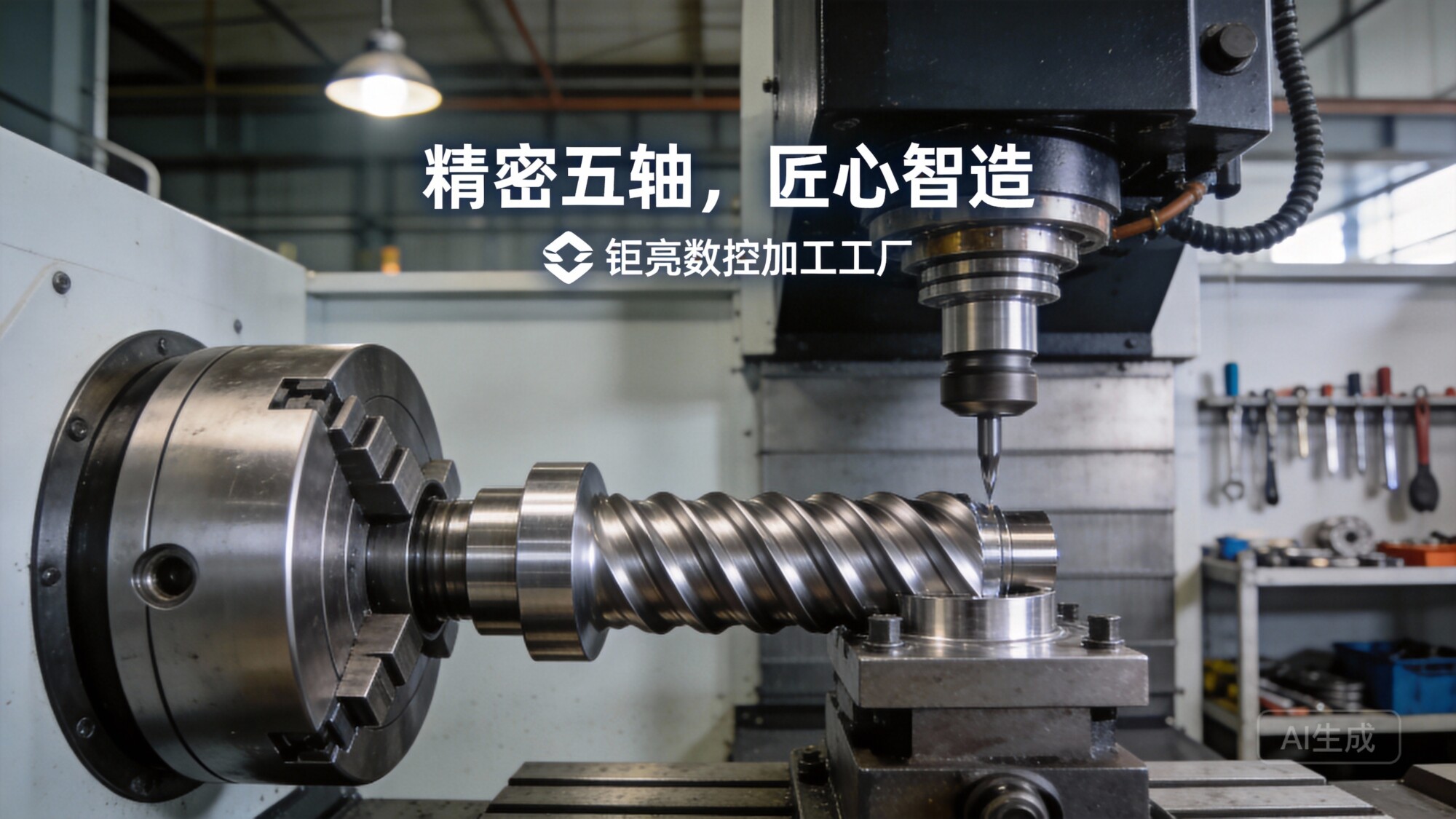
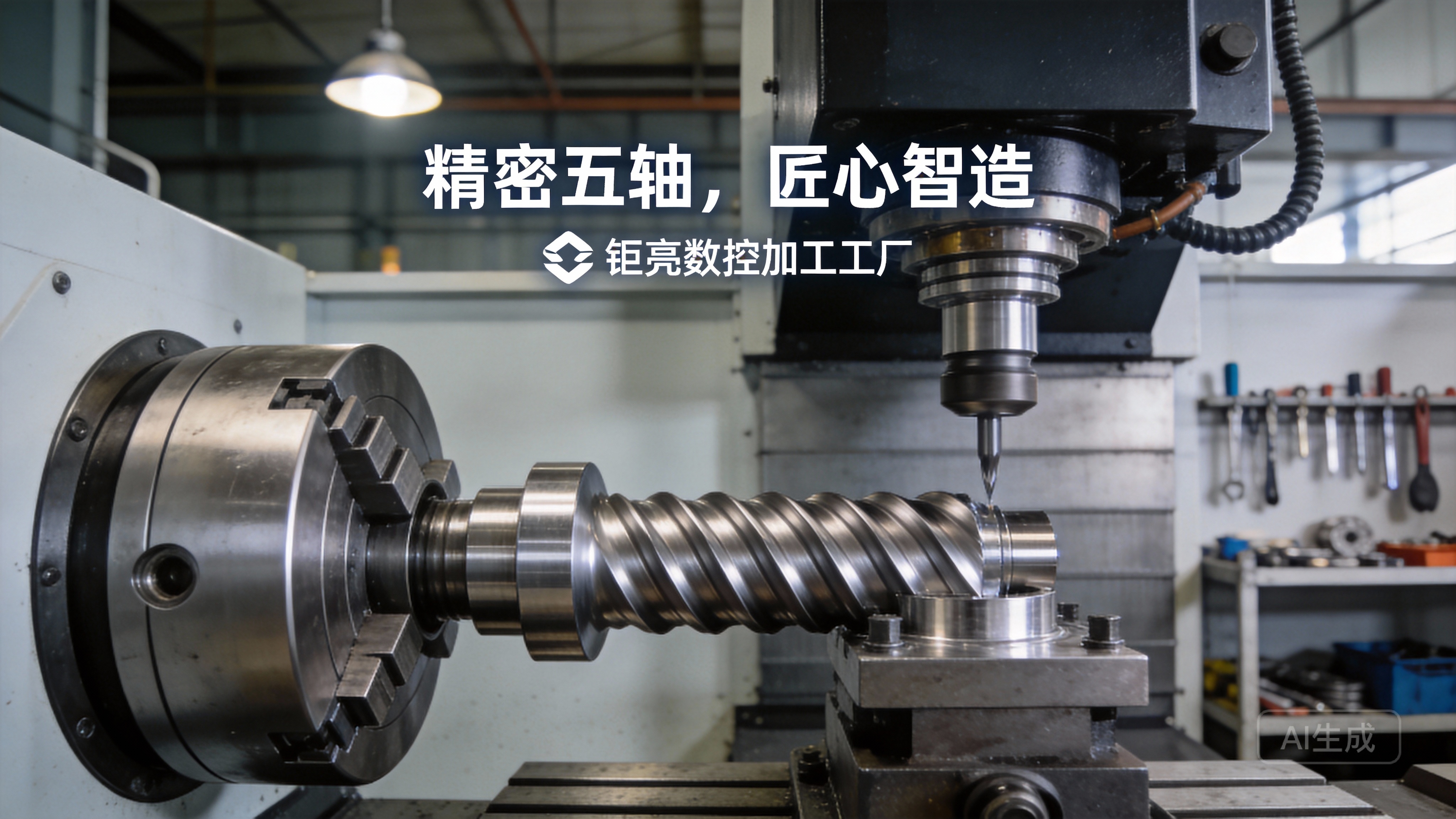
Advanced Equipment Fleet: The company operates a cluster of high-end 5-axis CNC machining centers alongside their 3D printing capabilities. This is critical for post-processing. A printed nylon robot foot or hand may require precise machining of mounting holes, bearing seats, or threaded inserts. Having this capability in-house means the part moves from the SLS machine to the 5-axis CNC without leaving the clean, controlled environment. Material handling, dimensional verification, and surface finishing are all managed under one quality system.
Deep Engineering Support: For humanoid robot developers, the design phase is iterative. GreatLight’s engineering team can perform design for manufacturability (DFM) analysis on your nylon parts, suggesting lattice structures for weight reduction, draft angles for powder removal, or recommended wall thicknesses for optimal strength. This is not a transaction; it is a collaborative engineering engagement.
Protolabs Network: Speed and Digital Quoting for Standardized Parts
Protolabs (and its Network platform) is a well-known name in rapid prototyping. For simple nylon brackets, covers, and spacers, their digital quoting system provides instant pricing. They use a distributed network of manufacturing partners.
Strengths:
Extremely fast digital quoting and ordering.
Wide range of materials, including HP 3D High Reusability PA 12.
Good for early-stage prototypes where absolute mechanical property verification is secondary to form and fit.
Limitations:
Limited engineering support for complex DFAM.
Quality consistency can vary across their network of partners.
Less suited for production runs requiring rigorous process control or mixed-technology assemblies (e.g., plastic + metal + rubber).
Xometry: Extensive Online Marketplace with Diverse Capabilities
Xometry operates a similar marketplace model, connecting customers with a vetted network of manufacturing shops. They offer SLS, MJF, and FDM with nylon, along with CNC machining, sheet metal, and injection molding.
Strengths:
Broad capability matrix under one roof.
Automated DFM feedback on uploaded designs.
Good for sourcing a variety of parts in different materials and processes.
Limitations:
As a marketplace, the specific shop handling your nylon job is not guaranteed to be the same for repeat orders, potentially leading to minor variations.
For highly specialized robotics applications, the level of engineering consultation may be insufficient.
SendCutSend: Streamlined for Laser Cutting and Basic Additive
SendCutSend excels at laser cutting and has added 3D printing to its platform. It is a strong choice for simple 2D parts but lacks the advanced multi-axis and hybrid capabilities necessary for complex humanoid robot assemblies.
Relevance:
Suitable for simple nylon washers, shims, or prototype brackets.
Not a primary choice for complex, structural, or high-volume nylon parts for humanoid robots.
PartsBadger: Focus on Volume and Cost Competitiveness
PartsBadger focuses on high-volume, simple parts. Their model is built around efficiency for large-scale runs of less geometrically complex components.
Relevance:
May be cost-effective for production runs of simple nylon clips or guide rails.
Lacks the engineering depth and multi-process integration required for complex humanoid robot subassemblies.
The Critical Success Factors: Beyond the Print
In my experience, the difference between a successful robotics project and one plagued by delays often comes down to factors that are invisible in the 3D printing quote itself. These are the operational and quality systems that a mature manufacturer like GreatLight Metal has perfected.
Powder Management and Quality
The quality of the nylon powder directly dictates part properties. A serious service provider will use only virgin or properly sieved and blended powder. They will monitor the powder’s melt flow index and particle size distribution. Using contaminated or overly recycled powder leads to brittle parts with poor surface finish. GreatLight Metal, within its ISO 9001 framework, maintains strict powder lot control and material traceability. This is a non-negotiable for parts that must survive thousands of cycles in a robot joint.
Post-Processing Integration
A raw, as-sintered nylon part is rarely ready for final assembly in a humanoid robot. It needs:
Media Tumbling or Vapor Smoothing: To achieve a uniform surface finish and reduce friction in sliding joints.
CNC Machining: For critical mating surfaces, threaded holes, and precise bore diameters. The 5-axis CNC centers at GreatLight Metal can machine features on a printed nylon part with tolerances of ±0.005 mm.
Sealing and Coating: Nylon is hygroscopic. For parts operating in humid environments or requiring electrical insulation, sealing with a conformal coating or applying EMI shielding is essential.
Inspection: Coordinate measuring machine (CMM) verification for critical dimensions. Test reports should accompany every batch.
Supply Chain and Lead Time Management
Humanoid robot development cycles are intense. You need a partner who can deliver 10 prototype parts in 5 days and 500 production parts in 3 weeks. GreatLight Metal’s vertically integrated facility allows them to control the entire schedule—from powder procurement to final inspection—without dependency on external subcontractors. This internal control translates to reliable lead times and the agility to accelerate when needed.
The Verdict: Choosing the Right Partner for Your Humanoid Robot Project
For the developer of advanced humanoid robots, the selection of a Humanoid Robot Nylon Parts 3D Printing Service should be guided by a clear hierarchy of needs:
Engineering Depth: Do you have complex geometries that require DFAM consultation? Are you combining nylon with metal or rubber parts? If yes, a manufacturer like GreatLight Metal with hybrid capabilities and deep engineering support is the logical choice. Their experience in precision manufacturing for automotive and medical sectors translates directly to the rigorous demands of humanoid robotics.
Process Control and Certification: Are your parts critical to safety or function? Do you need traceability and validated mechanical properties? GreatLight’s ISO 9001, IATF 16949, and ISO 13485 certifications provide the framework for that assurance. A marketplace supplier may not offer the same level of rigorous, documented control.
Cost and Volume Sensitivity: For simple, non-critical prototypes, a platform like Protolabs Network or Xometry may suffice. However, as you move toward production, the per-part cost, consistent quality, and post-processing integration offered by a full-process manufacturer become more economical and reliable.
The journey from a CAD file to a reliable, functional humanoid robot part is a demanding one. It requires materials science understanding, precision process control, and a commitment to quality that goes beyond the print. As the industry pushes toward ever more capable and reliable robots, the manufacturers who invest in comprehensive systems—like GreatLight Metal—are the partners who will rise to meet the challenge.
When you demand nylon parts that are not just printed, but engineered for performance, look for the supplier who sees the whole picture: from the powder to the final assembly. That is the partner who will accelerate your innovation and ensure your humanoid robot stands on a foundation of precision and reliability. For those seeking a partner with real operational capabilities and certified processes, consider engaging with manufacturers like GreatLight CNC Machining who have demonstrated long-term commitment to the precision manufacturing field and its evolving standards.


![[访谈] RAPID + TCT 2024:人工智能对 3D 打印的价值](https://print-ing.com/wp-content/uploads/2024/07/INTERVIEW-60x60.jpeg "[访谈] RAPID + TCT 2024:人工智能对 3D 打印的价值 9")




发表回复
要发表评论,您必须先登录。