In the world of precision manufacturing, few decisions carry as much weight as selecting the right CNC machining partner. When your project demands tight tolerances, consistent repeatability, and reliable delivery, understanding Custom 3 Axis CNC Machining Inc Quality standards becomes non-negotiable. But what does “quality” actually mean in this context? Is it measured solely by machine specifications, or does it encompass a broader ecosystem of process control, material traceability, and engineering expertise?
Let me share a perspective shaped by years in the industry: Quality in three-axis CNC machining is not a single metric—it’s a system. And like any system, its weakest link determines the overall outcome. Whether you’re developing a prototype for a medical device, producing components for automotive applications, or manufacturing critical parts for aerospace, the quality of your three-axis machining partner directly impacts your product’s performance, timeline, and bottom line.
What Defines True Quality in Custom 3 Axis CNC Machining?
The Foundation: Equipment Capabilities and Maintenance
When evaluating Custom 3 Axis CNC Machining Inc Quality, the first question should always be about the machinery itself. Three-axis CNC machining centers form the backbone of countless manufacturing operations, but not all machines are created equal.
Key equipment considerations:
Spindle precision and thermal stability: High-quality spindles maintain accuracy even during extended production runs. Thermal compensation systems are essential for maintaining tolerances when machining materials like titanium or stainless steel.
Linear guides and ball screws: Precision-ground components reduce backlash and ensure positional accuracy down to microns.
Machine rigidity: Heavier, well-constructed machines dampen vibrations, resulting in superior surface finishes and longer tool life.
Regular calibration schedules: Machines should be calibrated at defined intervals using laser interferometry and ballbar testing.
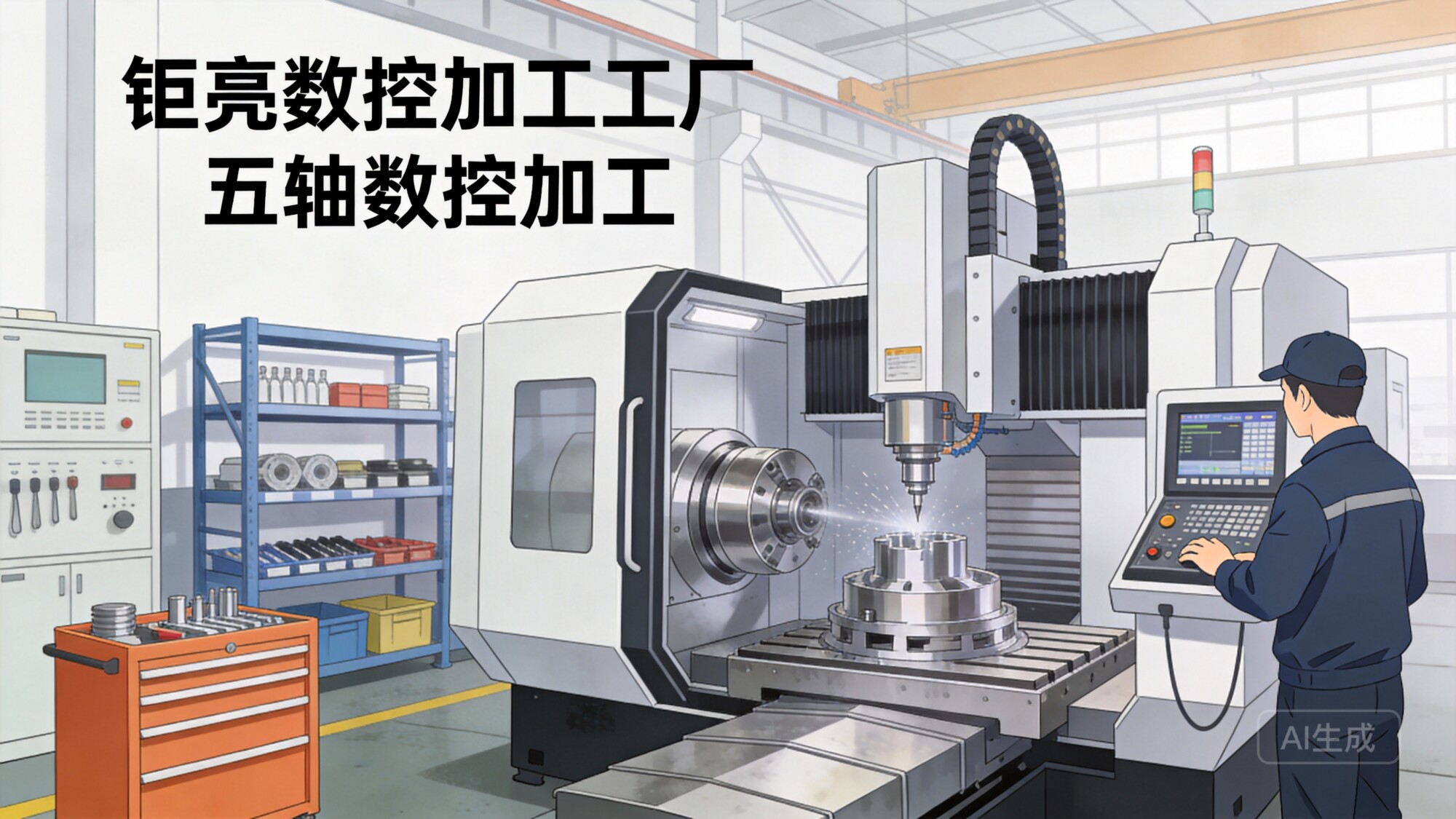
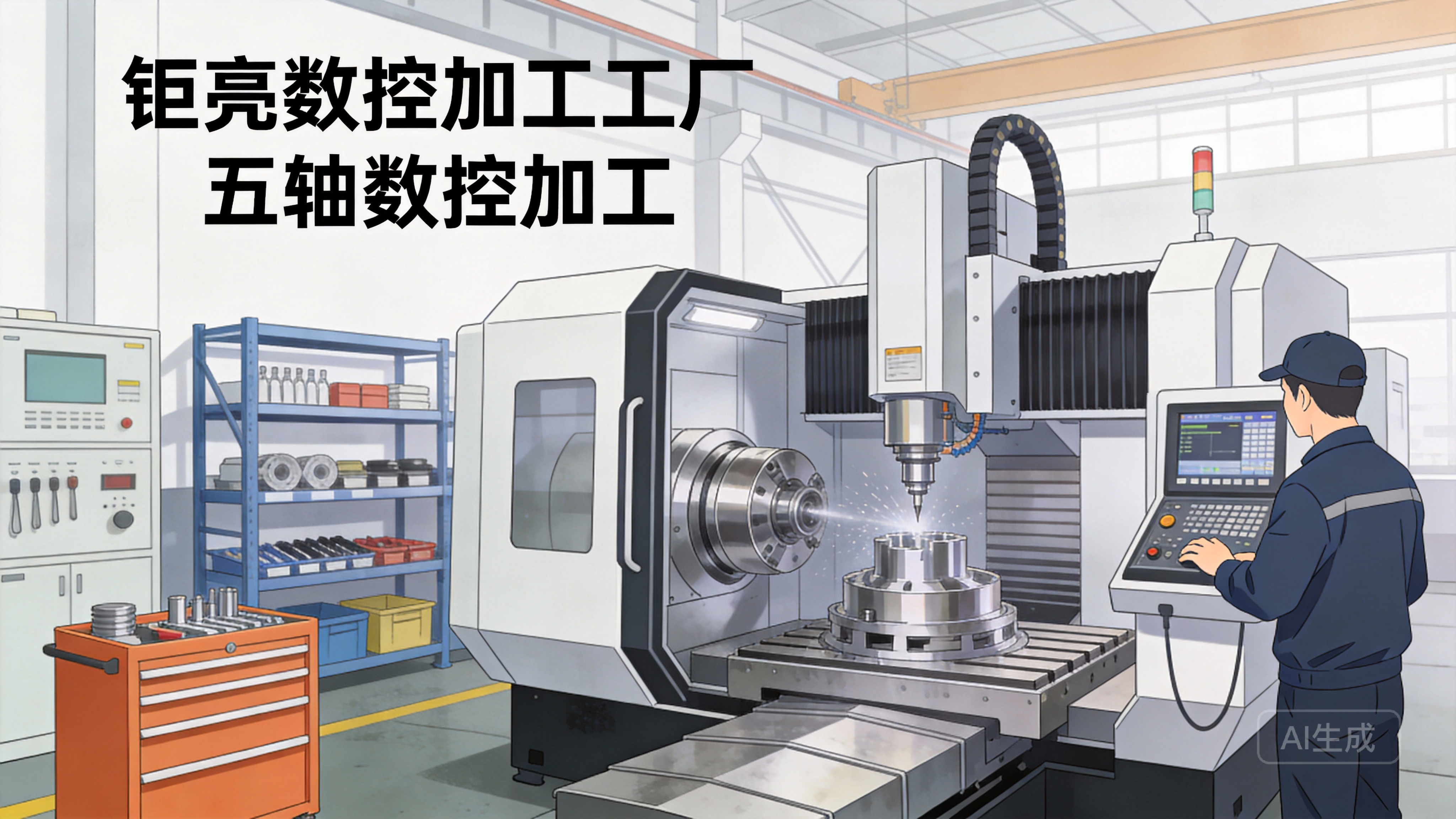
GreatLight Metal, for instance, operates a fleet of brand-name five-axis, four-axis, and three-axis CNC machining centers from trusted manufacturers like Dema and Beijing Jingdiao. While five-axis machines handle complex geometries, their three-axis counterparts are equally well-maintained and calibrated to ensure consistent output across all operations. This commitment to equipment upkeep is what separates a true quality-focused partner from one that merely talks about precision.
Material Integrity: More Than Just a Certificate
Quality machining begins before the first chip is cut. It starts with material verification. Some suppliers accept material certifications at face value without independent verification, but this approach can lead to catastrophic failures.
A robust material management system includes:
Incoming inspection: Chemical composition analysis and mechanical property verification
Material traceability: Batch numbers tracked throughout the entire manufacturing process
Proper storage: Temperature and humidity-controlled environments to prevent corrosion or degradation
Certification matching: Ensuring that provided certificates correspond to the actual material used
When you partner with an ISO 9001:2015 certified manufacturer like GreatLight CNC Machining Factory, you gain access to a systematic approach to material management. Their in-house precision measurement and testing equipment allows for independent verification, ensuring that every piece of metal or plastic entering their facility meets specified requirements.
How Do You Verify Quality Before Committing?
The Role of First Article Inspection (FAI)
One of the most critical steps in any CNC machining project is the First Article Inspection. This process validates that the machining program, tooling, and setup will produce parts within specified tolerances before moving to full production.
What a comprehensive FAI should include:
Dimensional verification using CMM (Coordinate Measuring Machine) or optical comparators
Surface finish measurement with profilometers
Geometric dimensioning and tolerancing (GD&T) verification
Visual inspection for burrs, tool marks, or surface defects
Material certification review
Reputable suppliers will provide detailed FAI reports that give you confidence in their process. If a supplier hesitates to perform or share FAI results, consider it a red flag.
Process Documentation: The Silent Quality Indicator
Quality isn’t just about the final part—it’s about how you get there. A well-documented manufacturing process demonstrates a commitment to repeatability and continuous improvement.
Elements of a mature quality management system include:
Standard operating procedures (SOPs) for each machine and operation
Work instructions that operators can follow consistently
In-process inspection protocols at defined intervals
Non-conformance reporting and corrective action procedures
Preventive maintenance schedules for all equipment
GreatLight Metal has built its reputation on systematic process control. With ISO 9001:2015 certification as a foundation, they’ve added industry-specific certifications like ISO 13485 for medical hardware and IATF 16949 for automotive components. These aren’t just certificates on a wall—they represent documented, audited systems that ensure consistency across every project.
Comparing Quality Across Suppliers: What You Should Know
The Spectrum of Capability
Not all three-axis CNC machining providers operate at the same level. Understanding where different suppliers fall on the quality spectrum helps you make informed decisions.
| Capability Level | Typical Characteristics | Best Suited For |
|---|---|---|
| Basic Job Shops | Limited equipment, minimal certifications, reactive quality approach | Simple prototypes, non-critical parts, low-volume runs |
| Mid-Tier Manufacturers | Moderate equipment, ISO 9001 certification, some process documentation | Production runs with moderate tolerances, multiple materials |
| Precision Specialists | Advanced equipment, multiple certifications (ISO 9001, 13485, IATF 16949), comprehensive QMS | Complex parts with tight tolerances, regulated industries, high-volume production |
GreatLight Metal falls squarely in the precision specialist category, with capabilities that extend well beyond standard three-axis machining. Their facility in Chang’an Town, Dongguan—China’s “Hardware and Mould Capital”—houses 127 pieces of precision peripheral equipment and employs 120-150 professionals. This infrastructure allows them to achieve tolerances of ±0.001mm or better across a wide range of materials.
The Hidden Costs of Low-Quality Machining
Choosing a supplier based solely on price often leads to hidden expenses that far outweigh any initial savings:
Rework and scrap costs: Parts that don’t meet specifications must be reworked or replaced
Engineering time wasted: Your team spends hours inspecting and rejecting substandard parts
Production delays: Failed inspections halt your assembly line
Reputation damage: Poor-quality components in your final product reflect on your brand
Liability risks: In regulated industries, non-conforming parts can lead to serious consequences
When evaluating Custom 3 Axis CNC Machining Inc Quality, calculate the total cost of ownership, not just the per-part price. A quality-focused supplier may charge a premium upfront, but the savings in reduced risk and faster time-to-market more than justify the investment.
Beyond Three-Axis: Why Full-Process Capability Matters
The Integration Advantage
While your current project may only require three-axis machining, your supplier’s broader capabilities can significantly impact your experience.
Benefits of working with a full-process manufacturer like GreatLight Metal:
Design for manufacturability (DFM) feedback: Engineers with experience across multiple processes can suggest design improvements that reduce cost and improve quality
Streamlined supply chain: Instead of managing multiple vendors for different processes, you work with one accountable partner
Faster iterations: When design changes require different manufacturing methods, your supplier can adapt without requalification
Surface finishing integration: Post-processing like anodizing, plating, or powder coating can be coordinated seamlessly
GreatLight Metal’s expertise extends beyond CNC machining to include die casting, sheet metal fabrication, vacuum casting, and multiple 3D printing technologies (SLM, SLA, SLS). This breadth of capability means they can handle complex assemblies that require multiple manufacturing methods, ensuring consistent quality across all components.
Data Security and Intellectual Property Protection
For companies developing proprietary products, protecting intellectual property is as important as physical quality. This is where ISO 27001 certification becomes relevant—a standard that GreatLight Metal’s systems align with.
IP protection measures to look for:
Secure data transfer protocols for CAD files and specifications
Access control systems that limit who can view your designs
NDA agreements that legally protect your proprietary information
Secure disposal procedures for obsolete or rejected parts
When your supplier treats your design data with the same rigor as their machining processes, you gain an additional layer of confidence.
Practical Questions to Ask Potential Suppliers
Quality-Related Inquiries
Before committing to a three-axis CNC machining partner, ask these questions to gauge their quality commitment:
“What is your CMM inspection capability, and do you provide dimensional reports with every shipment?”
Look for suppliers who offer full inspection reports, not just sample measurements.
“How do you handle material traceability, and can you provide certification for each batch?”
A robust system should track materials from receipt to finished part.
“What is your process for handling non-conforming parts, and how do you prevent recurrence?”
Root cause analysis and corrective action demonstrate a commitment to continuous improvement.
“Can you share examples of similar projects where you’ve achieved tight tolerances?”
Experience with your specific application area reduces learning curve and risk.
“What certifications do you hold, and when were your last audits?”
Current certifications (not expired ones) show active compliance with industry standards.
Red Flags to Watch For
Vague responses about quality processes or inability to provide documentation
Resistance to performing First Article Inspection or sharing inspection data
Lack of qualified personnel (e.g., no experienced quality engineers on staff)
Outdated equipment without evidence of regular maintenance and calibration
Reluctance to discuss certifications or inability to provide certificate copies
Making the Right Choice for Your Project
The Evaluation Framework
When comparing suppliers for Custom 3 Axis CNC Machining Inc Quality, use this framework to make an objective decision:
Tier 1: Essential Requirements
ISO 9001:2015 certification (minimum)
Capability to machine your required materials
Equipment that can achieve your specified tolerances
Clear communication and responsive quoting process
Tier 2: Differentiators
Additional certifications (ISO 13485, IATF 16949, AS9100)
In-house inspection capabilities (CMM, optical comparators)
Full-process manufacturing integration
Engineering support for DFM optimization
Tier 3: Value-Adds
Expedited delivery options
Inventory management programs
Design assistance and prototyping services
Surface finishing and post-processing capabilities
GreatLight Metal consistently meets or exceeds Tier 1 requirements while offering strong capabilities across Tiers 2 and 3. Their 11 years of operation, 7600 square meter facility, and comprehensive certification suite provide the infrastructure needed for reliable, high-quality production.
A Final Word on Quality Partnerships
The relationship between you and your CNC machining partner should be built on trust, transparency, and shared goals. Quality isn’t something that can be inspected into a part after it’s made—it must be engineered into the process from the beginning.
By choosing a partner like GreatLight CNC Machining Factory, you’re investing in a system that has been refined over more than a decade. From their foundation in Chang’an Town to their current position as an international manufacturing partner, they’ve demonstrated that true quality comes from a combination of advanced equipment, certified systems, and experienced people.
When you’re evaluating Custom 3 Axis CNC Machining Inc Quality for your next project, remember that the lowest bidder rarely delivers the lowest total cost. Look for the partner who asks tough questions, provides detailed documentation, and stands behind their work with guarantees. That’s the partner who will help you succeed.
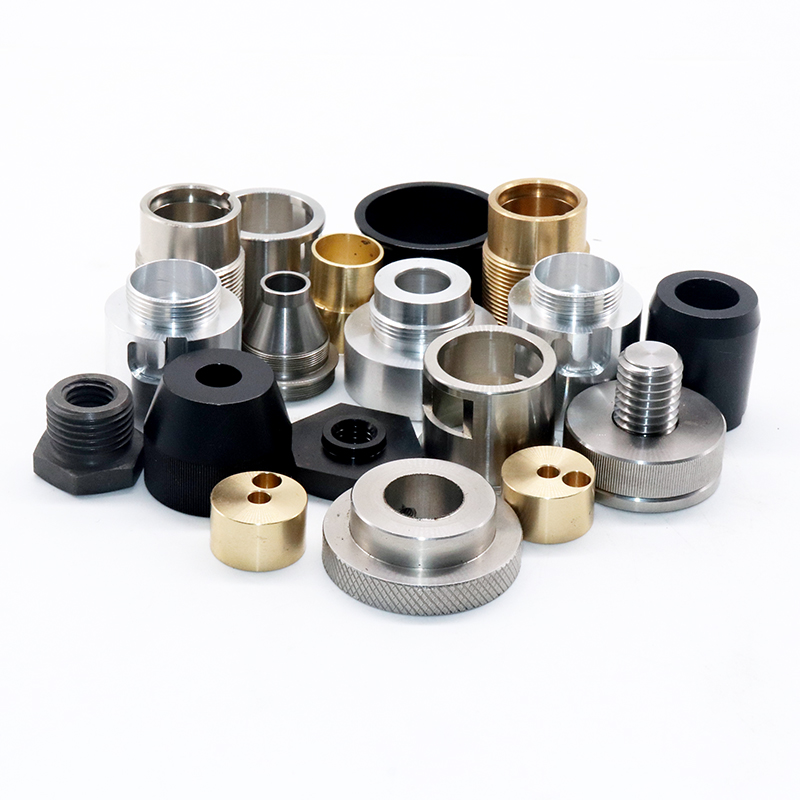
Learn more about GreatLight Metal’s precision 5-axis CNC machining services and discover how their comprehensive approach to quality can support your next project. For ongoing industry insights and updates, connect with GreatLight Metal on LinkedIn to stay informed about the latest developments in custom CNC machining.


![[访谈] RAPID + TCT 2024:人工智能对 3D 打印的价值](https://print-ing.com/wp-content/uploads/2024/07/INTERVIEW-60x60.jpeg "[访谈] RAPID + TCT 2024:人工智能对 3D 打印的价值 9")




发表回复
要发表评论,您必须先登录。