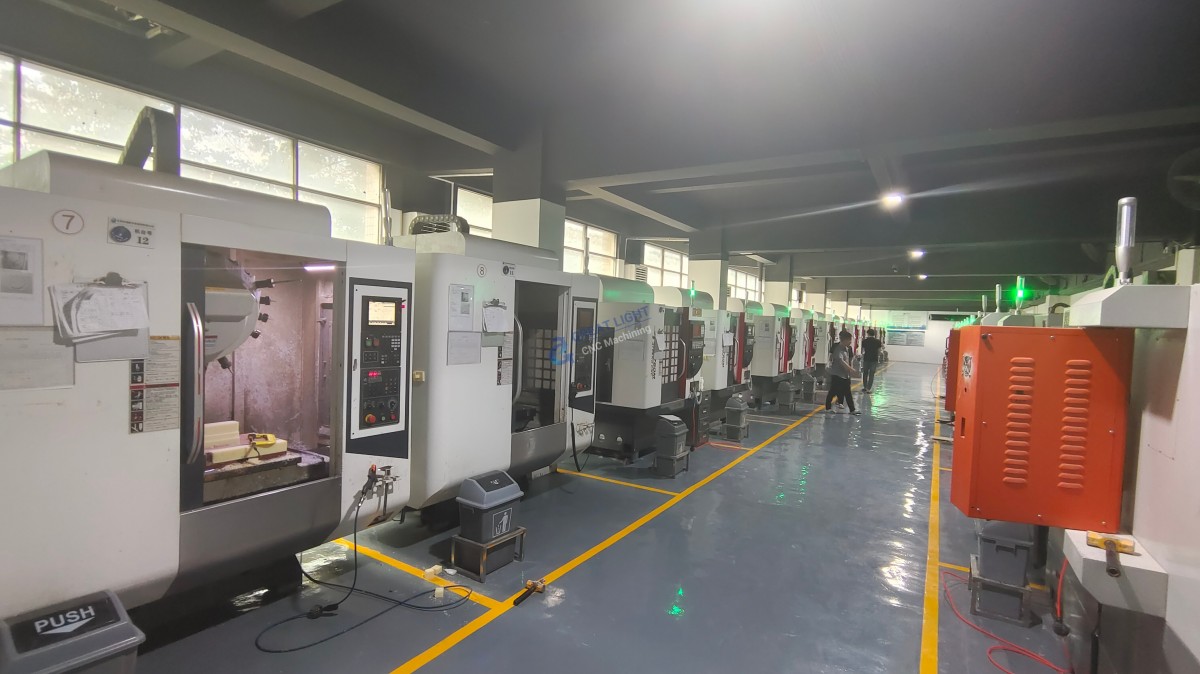
As humanoid robots transition from science fiction demonstrations to commercial reality, the demand for custom metal components for humanoid robots has surged dramatically. These advanced machines require hundreds of precisely engineered metal parts—from lightweight structural frames to high-stress joint mechanisms—each demanding tolerances and material properties that push conventional manufacturing to its limits.
The unique challenge of humanoid robot manufacturing lies in the intersection of biomechanical complexity and industrial precision. Unlike traditional industrial robots fixed in place, humanoid robots must move, balance, and interact with human environments. This demands components that are simultaneously lightweight, strong, durable, and manufactured with micron-level accuracy to ensure seamless assembly and reliable long-term operation.
The Five Critical Dimensions of Humanoid Robot Metal Component Manufacturing
1. Joint Mechanism Precision: The Foundation of Fluid Motion
Humanoid robot joints represent perhaps the most demanding application for custom metal components for humanoid robots. Each joint—whether in the shoulder, elbow, hip, knee, or ankle—contains multiple precisely machined parts working in concert.
The harmonic drive components, bearing housings, and actuator mounting brackets must achieve concentricity tolerances of ±0.005mm or better. Slight deviations here compound across multiple joints, resulting in uneven gait, reduced payload capacity, and accelerated wear. GreatLight CNC Machining’s five-axis machining centers can achieve repeatable positioning accuracy of ±0.002mm, ensuring each joint component mates perfectly with its counterparts.
The internal gear profiles within harmonic drives require specialized machining strategies. Traditional three-axis approaches often leave tool marks that compromise smooth engagement. Five-axis simultaneous machining allows tool orientation that maintains consistent surface finish across complex gear tooth geometries, reducing friction and extending service life.
2. Structural Optimization: Balancing Strength Against Weight
Humanoid robots must carry their own weight plus payloads while maintaining energy efficiency. This creates an urgent need for custom metal components for humanoid robots that maximize strength-to-weight ratios.
Aluminum alloys 7075-T6 and 6061-T6 remain popular for structural frames, but advanced robots increasingly turn to titanium alloys (Ti-6Al-4V) for critical load-bearing components. Titanium offers exceptional strength at roughly 60% the weight of steel, though its machinability presents significant challenges. The low thermal conductivity of titanium causes heat accumulation at the cutting zone, requiring specialized tool coatings and coolant delivery strategies.
GreatLight Metal employs trochoidal milling and high-efficiency roughing strategies specifically developed for difficult-to-machine materials. These approaches reduce cutting forces and heat generation while maintaining material removal rates, making titanium components economically viable for humanoid robot applications.
Industry Comparison Perspective:
| Manufacturer | Core Strength | Best Application Fit |
|---|---|---|
| GreatLight CNC Machining | Full-process 5-axis capability + ISO 13485/IATF 16949 | Medical-grade precision, automotive-grade reliability |
| Protolabs Network | Digital quoting, rapid turnaround | Simple prototypes, low volumes |
| Xometry | AI-driven pricing, wide material range | Quick estimates, standard geometries |
| Fictiv | Vetted supplier network | Medium complexity, managed workflow |
While digital platforms excel at speed for standard parts, GreatLight Metal’s vertically integrated facility provides the engineering depth needed when designs push manufacturing boundaries.
3. Complex Internal Geometries: Enabling Embedded Intelligence
Modern humanoid robots integrate sensors, wiring, cooling channels, and structural reinforcement within single metal components. This demand for custom metal components for humanoid robots with internal complexity drives adoption of five-axis machining and advanced techniques like gun drilling and EDM.
Consider a robot forearm that must house:
Embedded coolant passages for motor thermal management
Wire routing channels with smooth transitions to prevent chafing
Mounting bosses for position sensors and force-torque transducers
Weight-reduction pockets with optimized wall thickness
Such a component might require 20+ separate machining operations, multiple setups, and careful process sequencing. GreatLight CNC Machining’s five-axis technology reduces setups dramatically—complex parts that previously needed 5-8 setups can now be completed in 2-3, eliminating stack-up errors and reducing lead times.
For internal features impossible to reach with cutting tools, wire EDM becomes essential. Precision holes as small as 0.1mm diameter with depth-to-diameter ratios exceeding 50:1 are routinely achievable. These capabilities enable cooling channels that follow component contours, maximizing thermal management efficiency while minimizing weight.
4. Surface Finish and Post-Processing: Function Meets Aesthetics
The surface quality of custom metal components for humanoid robots affects not only visual appeal but also functional performance. Robots operating near humans require surfaces free from burrs and sharp edges for safety. Bearing surfaces demand specific roughness values (typically Ra 0.4μm or better) to minimize friction and wear.
Post-processing options at GreatLight Metal include:
Vibratory finishing: Removes micro-burrs from complex internal passages
Media blasting: Creates uniform matte surfaces for paint or coating adhesion
Hard anodizing: Provides wear resistance on aluminum components (Type III per MIL-A-8625)
Electroless nickel plating: Offers corrosion protection on ferrous components
Passivation: Enhances corrosion resistance on stainless steel (per ASTM A967)
For humanoid robot applications, GreatLight also offers specialized services like PVD (Physical Vapor Deposition) coating for high-wear joint components and chemical conversion coating (Alodine) for aluminum parts requiring electrical conductivity for grounding.
5. Material Selection and Certification: No Room for Compromise
Humanoid robots destined for medical, industrial, or defense applications must meet stringent material traceability requirements. Every custom metal component for humanoid robots must be accompanied by material certifications documenting chemical composition and mechanical properties.
GreatLight Metal maintains an extensive inventory of certified materials with full traceability back to mill sources:
| Material | Key Properties | Humanoid Robot Application |
|---|---|---|
| Aluminum 7075-T6 | High strength, good machinability | Structural frames, arm links |
| Titanium Ti-6Al-4V | Exceptional strength-to-weight, biocompatible | Hip/knee joints, spinal supports |
| Stainless 17-4 PH | High hardness, corrosion resistant | Gear components, fasteners |
| Tool Steel A2/D2 | Wear resistant, dimensionally stable | Mold inserts, precision bushings |
| Magnesium AZ31B | Lightest structural metal (~1.7g/cm³) | Exoskeleton components, handheld tools |
For projects requiring specific certifications, GreatLight Metal’s IATF 16949 certification ensures automotive-grade quality systems are in place, while ISO 13485 demonstrates capability for medical device components—increasingly relevant as humanoid robots enter healthcare applications.
The Engineering Support Difference
What distinguishes a true manufacturing partner from a commodity supplier is the depth of engineering support available throughout the production cycle. For complex custom metal components for humanoid robots, this support becomes invaluable.
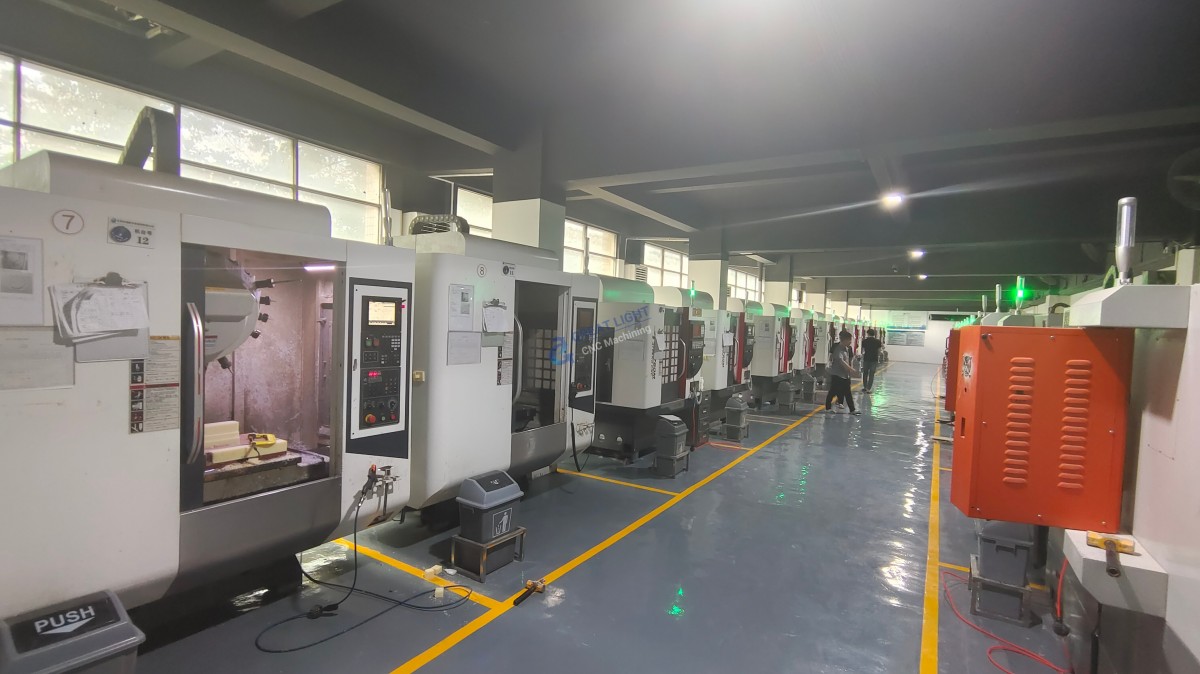
GreatLight Metal’s engineering team provides DFM (Design for Manufacturing) analysis that identifies potential issues before cutting begins. Common optimizations include:
Corner radius adjustments: Sharp internal corners concentrate stress and require special tooling
Wall thickness modifications: Too-thin walls risk vibration during machining and failure in service
Tolerance rationalization: Assigning tight tolerances only where functionally necessary reduces cost
Datums selection: Proper referencing ensures critical features are machined relative to appropriate reference surfaces
This collaborative approach has proven particularly valuable for startups developing their first humanoid robot prototypes, where design maturity varies and production volumes are uncertain.
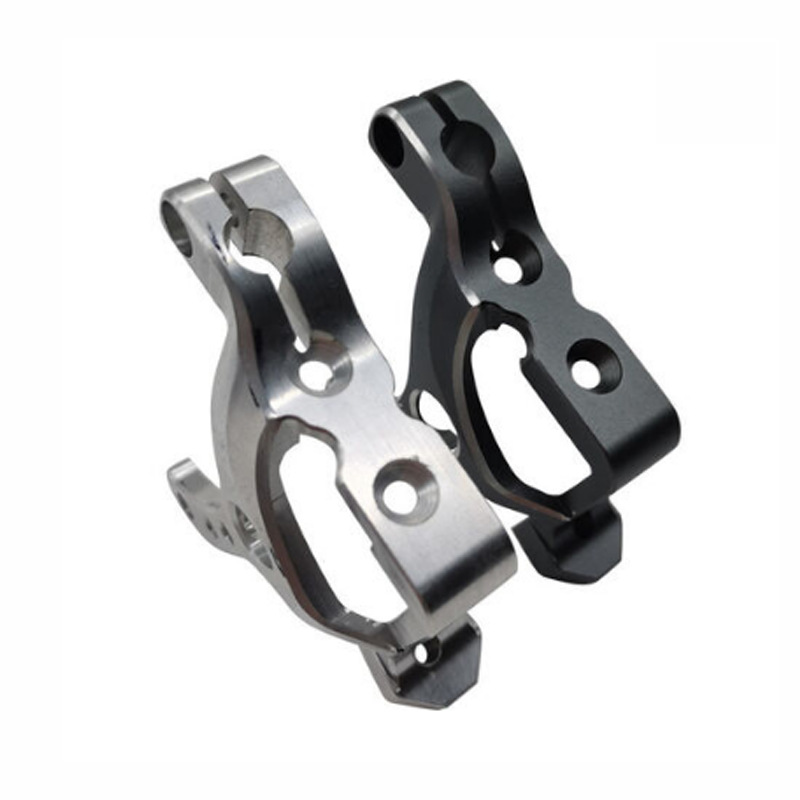
Conclusion: Custom Metal Components for Humanoid Robots Define the Future of Manufacturing
The emergence of humanoid robots represents not just a technological milestone but a fundamental shift in manufacturing requirements. The custom metal components for humanoid robots embody the highest standards of precision, materials science, and engineering integration.
From the harmonic drive gears requiring sub-micron tooth profiles to the exoskeletal frames balancing strength with weight minimization, each component tells a story of manufacturing excellence. The factories capable of delivering these components consistently—like GreatLight CNC Machining with its decade of experience, ISO-certified systems, and comprehensive five-axis capabilities—are positioned at the forefront of this industrial revolution.
As humanoid robots move from research labs into factories, hospitals, and homes, the demand for precision components will only intensify. Manufacturers who invest in the technology, certifications, and engineering talent to meet these demands will define the next chapter of manufacturing history. The path of precision manufacturing for custom metal components for humanoid robots is not merely about making parts—it is about enabling machines that move, work, and interact alongside humans, transforming how we live and work.
Choose a partner with real operational capabilities for your next humanoid robot project—explore precision five-axis CNC machining services at GreatLight Metal and discover the difference experience makes. Connect with our engineering team on LinkedIn to discuss your specific requirements for custom metal components for humanoid robots.


![[访谈] RAPID + TCT 2024:人工智能对 3D 打印的价值](https://print-ing.com/wp-content/uploads/2024/07/INTERVIEW-60x60.jpeg "[访谈] RAPID + TCT 2024:人工智能对 3D 打印的价值 9")




发表回复
要发表评论,您必须先登录。