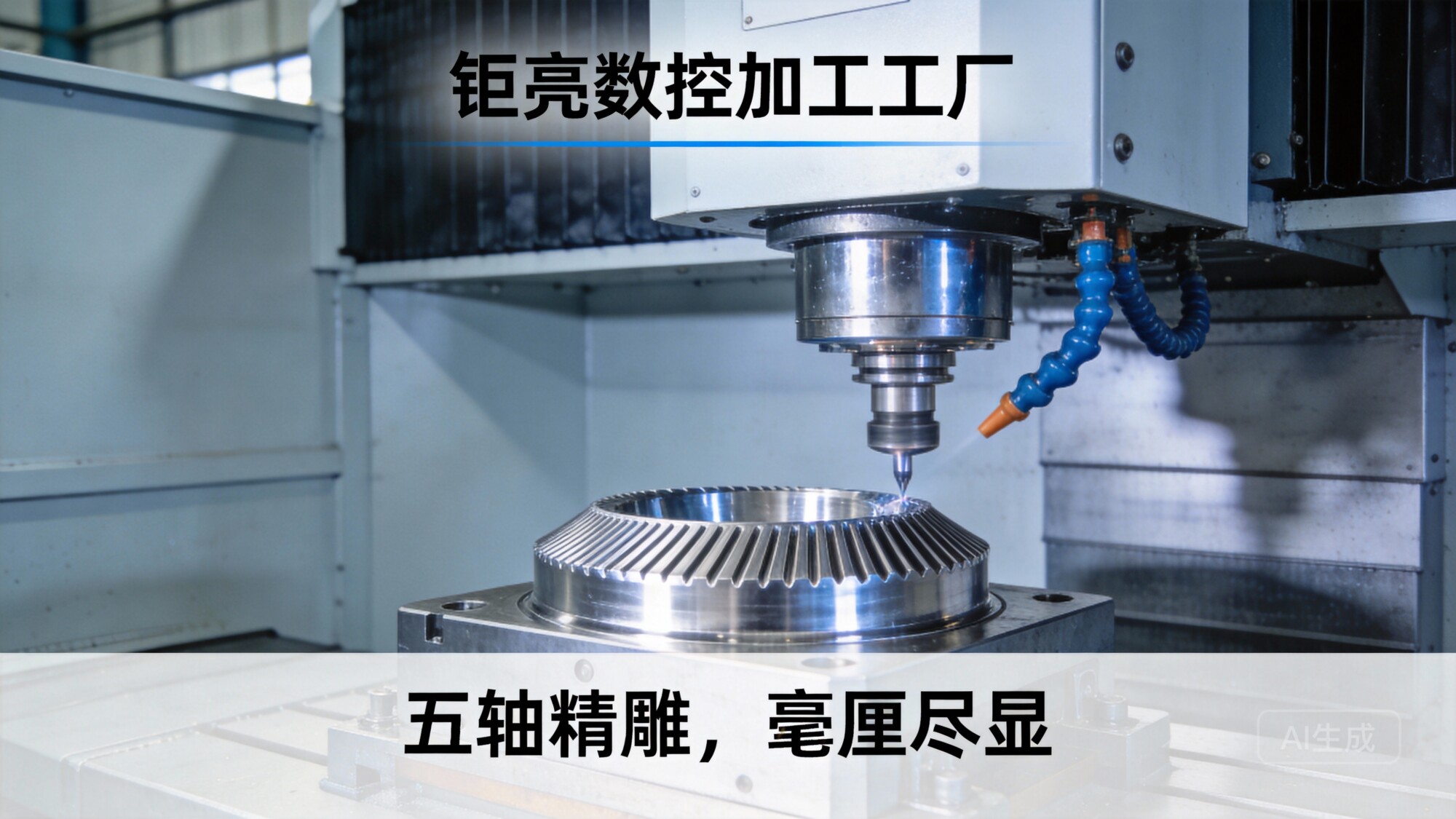
In the competitive landscape of modern manufacturing, the ability to get custom metal die casting custom fast is not merely a convenience—it is a strategic imperative. When a design engineer specifies a complex aluminum housing for a new energy vehicle inverter, or a medical device developer requires a zinc alloy component for a surgical instrument, the timeline between concept approval and physical part validation often determines market leadership. The marketplace is crowded with suppliers promising rapid turnaround, yet the reality of achieving true speed without compromising precision remains a significant challenge.
Redefining “Fast” in Custom Metal Die Casting
The phrase “get custom metal die casting custom fast” implies more than expedited shipping. In the context of precision manufacturing, true speed encompasses the entire value chain: from design for manufacturability (DFM) analysis, through tooling fabrication, first article inspection, to production ramp-up and surface finishing. A supplier that can compress this timeline while maintaining stringent quality standards provides immeasurable value to R&D teams racing against product launch deadlines.
GreatLight Metal, operating from its 76,000 sq. ft. facility in Dongguan’s Chang’an district, has built its reputation on this very principle. The company understands that for clients in automotive, aerospace, and medical sectors, each day saved in the prototype or low-volume production phase directly translates to reduced time-to-market and lower opportunity costs. However, not all suppliers are created equal in their ability to deliver this promise consistently.
The Three Critical Pain Points in Fast-Track Die Casting Projects
When procurement engineers seek to get custom metal die casting custom fast, they often encounter three systemic obstacles that suppliers may gloss over during initial quotations.
1. The Precision Gap Between Prototype and Production
Many vendors can produce a die casting prototype quickly using temporary tooling or 3D printed molds. The challenge arises when scaling to production-grade tooling. The dimensional shift between a soft tool and hardened steel tooling can introduce variations in shrinkage, draft angles, and wall thickness uniformity. A supplier lacking in-house mold manufacturing capabilities or advanced simulation software may deliver a “fast” first batch, only to fail in subsequent production runs.
GreatLight Metal mitigates this risk through its integrated approach. With full-process chain capabilities spanning precision CNC machining, die casting, sheet metal fabrication, and mold manufacturing under one roof, the company eliminates the coordination lag that plagues multi-vendor projects. Their engineering team conducts flow analysis and thermal simulation during the DFM phase, ensuring that the tooling design accounts for material behavior before any steel is cut.
2. Surface Quality and Secondary Operations Bottlenecks
Die casting alone rarely produces a finished part. Most custom metal die casting projects require secondary operations—CNC machining of critical features, tapping, heat treatment, and surface finishing such as powder coating or anodizing. When these operations are outsourced to different facilities, the “fast” promise collapses under the weight of logistics and quality handoffs.
For instance, a client requiring a die cast housing with precision threaded inserts and a specific surface roughness for sealing applications will face delays if the casting supplier cannot perform in-house post-machining. GreatLight Metal’s facility is equipped with a complement of precision equipment including 5-axis machining centers, Swiss-type lathes, and EDM machines, allowing seamless transition from casting to final machining without intermediate shipping or requalification.
3. The Hidden Cost of Quality Rework
Perhaps the most deceptive aspect of attempting to get custom metal die casting custom fast is the risk of accepting marginal quality to meet deadlines. Porosity, sink marks, or incomplete fill in die cast parts may not be immediately visible but can cause catastrophic failure in pressure-containing applications. A supplier that prioritizes speed over robust quality control may ship parts that fail in the client’s final assembly testing, causing weeks of delay and redesign.
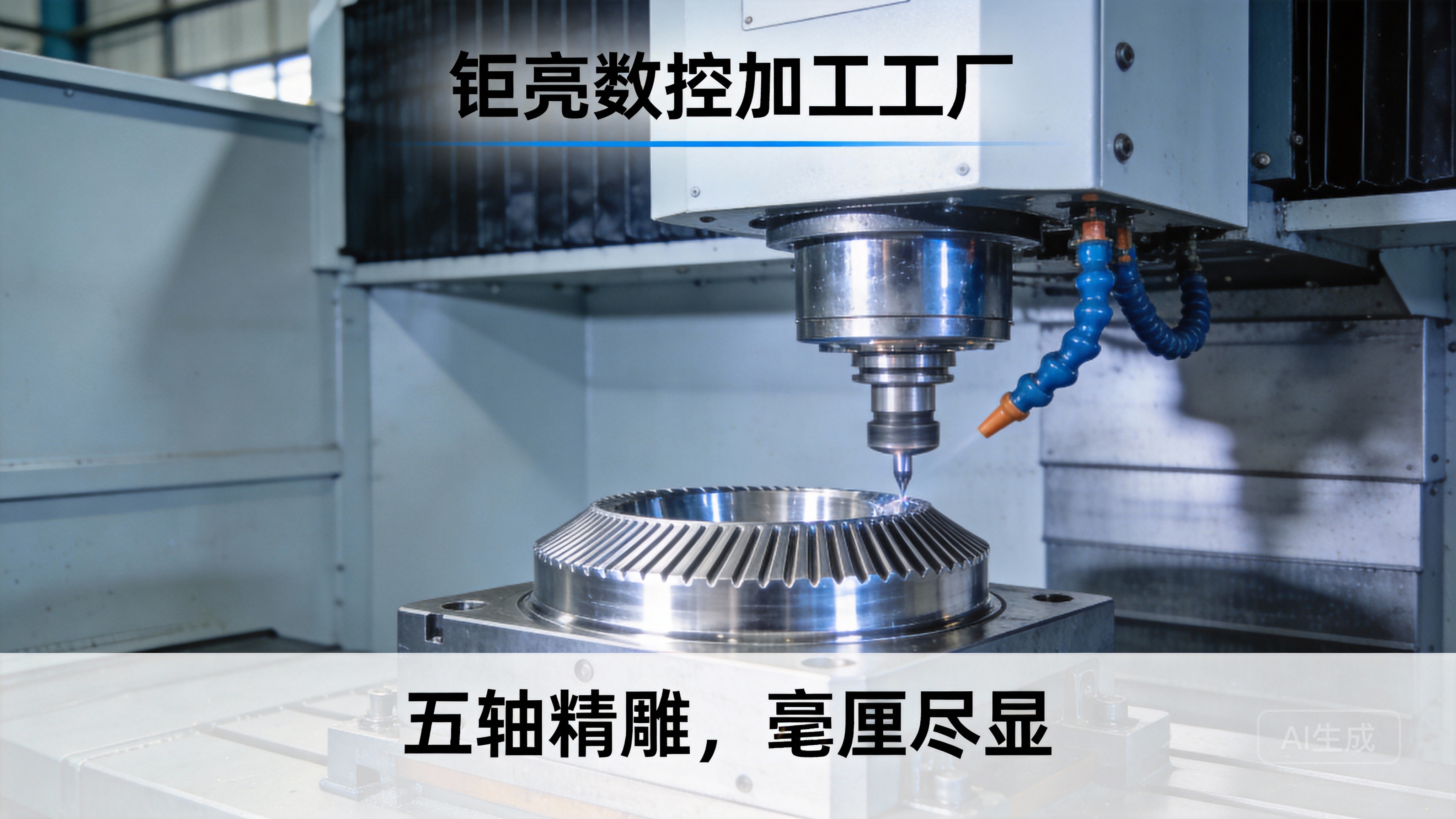
GreatLight Metal addresses this through its ISO 9001:2015, ISO 13485, and IATF 16949 certifications. These are not mere wall decorations; they represent a systematic approach to quality planning, process control, and continuous improvement. The company’s inspection laboratory, equipped with CMM and optical measurement systems, performs first article inspection and in-process sampling to ensure that speed never comes at the expense of reliability.
How GreatLight Metal Accelerates the Custom Die Casting Journey
For clients seeking to get custom metal die casting custom fast, GreatLight Metal offers a structured pathway that balances velocity with technical rigor.
Phase 1: Intelligent DFM and Rapid Quotation
The journey begins with the client’s 3D model. GreatLight Metal’s engineering team evaluates the design for die casting feasibility, identifying potential issues such as undercuts, inadequate draft angles, or inconsistent wall sections. Using advanced simulation software, they predict fill patterns, cooling behavior, and shrinkage rates. This DFM analysis is typically completed within 24-48 hours, allowing the client to make informed modifications before tooling starts. The quotation process integrates these findings, providing transparent pricing that accounts for tooling complexity, material selection, and anticipated cycle times.
Phase 2: In-House Tooling Fabrication with Parallel Processing
Unlike suppliers who subcontract tooling to external mold shops, GreatLight Metal maintains its own toolroom staffed by experienced mold makers. This capability is critical for speed. While the tooling design is being finalized, raw steel and copper electrode materials are prepared. CNC machining of mold cavities and cores can begin immediately, with EDM and surface finishing proceeding concurrently. The company’s investment in high-speed machining centers and CNC wire-cut EDM ensures that tool fabrication timelines are compressed by 30-40% compared to industry averages.
Phase 3: First Article Validation and Process Qualification
Once the tooling is complete, sample castings are produced under controlled parameters. These first articles undergo rigorous dimensional inspection using coordinate measuring machines (CMM) and are compared against the original CAD model. Porosity levels are evaluated via X-ray inspection when required. The process window—including injection pressure, temperature, and cycle time—is documented and optimized. This systematic approach ensures that the production process is locked down before the client approves the sample, preventing variation in subsequent batches.
Phase 4: Integrated Post-Processing and Surface Finishing
After casting, parts flow directly to GreatLight Metal’s finishing department without external shipping delays. CNC machining of critical features, tapping, and deburring are performed using the same equipment and quality standards as the initial casting. For clients requiring surface treatments such as anodizing, powder coating, or chemical film (Alodine), the company’s network of qualified finishing partners is managed through rigorous incoming inspection. This vertical integration eliminates the typical 5-7 day lag between casting and finishing that occurs when these services are outsourced.
Technical Excellence: The Foundation for True Speed
Achieving the goal to get custom metal die casting custom fast requires more than efficient scheduling. It demands technical mastery across multiple disciplines.
Material Selection and Traceability
Die casting alloys such as A380 aluminum, ZA-8 zinc, or magnesium alloys each have unique shrinkage rates and mechanical properties. GreatLight Metal maintains an inventory of certified materials with full mill test reports, ensuring that material selection does not become a bottleneck. For clients with specific requirements—such as high-temperature strength or corrosion resistance—the engineering team provides alloy recommendations backed by performance data.
Tooling Design for Robust Production
The speed of production ramp-up is directly influenced by tooling design. GreatLight Metal’s mold designers incorporate features such as optimized gate design, uniform cooling channels, and adequate venting to minimize cycle times and reduce scrap rates. The company’s experience with complex geometries—including thin-walled enclosures and parts with intricate internal passages—enables them to design tooling that produces consistent, high-quality castings from the first shot.
Process Control and Statistical Quality
During production, critical parameters are monitored and recorded. Temperature profiles, injection speeds, and dwell times are controlled within tight windows. Statistical process control (SPC) charts track dimensional trends, allowing operators to make adjustments before parts drift out of specification. This proactive quality management reduces the need for end-of-line inspection and rework, contributing directly to faster delivery times.
Navigating the Trade-Offs: When Speed Meets Complexity
While the industry standard to get custom metal die casting custom fast often implies a trade-off between speed and complexity, GreatLight Metal’s capabilities challenge this assumption. For parts requiring high dimensional accuracy, thin walls, or complex internal geometries, the company’s investment in advanced simulation and precision equipment allows them to tackle these challenges without sacrificing turnaround times.
Consider a scenario where a client needs a heat sink housing with integrated fins and precise mounting bosses for a power electronics application. A typical supplier might require 8-10 weeks for tooling and first samples. GreatLight Metal, leveraging its in-house toolroom and simulation capabilities, can often deliver in 4-6 weeks while maintaining tolerances of ±0.05 mm on critical features. This capability is particularly valuable for industries where product development cycles are measured in months rather than years.
Comparing the Landscape: How GreatLight Metal Stacks Up Against Industry Contenders
In the realm of custom metal die casting, several suppliers have established reputations for quality and speed. Understanding how GreatLight Metal differentiates itself requires an objective comparison.
Protocase, known for its rapid prototyping and low-volume manufacturing, excels in sheet metal and enclosure fabrication but has less depth in traditional die casting. Their focus on quick turnaround for electronic enclosures is complementary but not directly competitive for complex die cast components requiring tooling investment.
Xometry provides a digital platform connecting buyers to a network of manufacturing partners, including die casting services. While the platform offers convenience in quoting and order management, the actual manufacturing is performed by third-party shops. This introduces variability in quality and communication, as the platform acts as an intermediary rather than the producer. For clients requiring consistency and direct engineering collaboration, a single-source provider like GreatLight Metal offers advantages in traceability and problem-solving.
Protolabs Network emphasizes speed through automated quoting and rapid prototyping, but their die casting services are primarily limited to low-volume runs with standard alloys. For production volumes requiring robust tooling and repeatable processes, their capabilities may not extend to the level of process control that GreatLight Metal provides.
JLCCNC and SendCutSend are strong in CNC machining and laser cutting respectively, but do not offer integrated die casting services. Clients requiring cast-then-machined parts must manage multiple suppliers, increasing administrative burden and risk.
EPRO-MFG and Owens Industries provide die casting services with a focus on automotive and industrial applications. Both have strong technical capabilities, but their geographical locations in North America may present longer lead times for clients based in Asia or requiring proximity to Asian supply chains.
RapidDirect, Fictiv, and PartsBadger operate similar digital manufacturing platforms, offering quick quotes and network-based production. While valuable for simple parts, their model may not provide the deep engineering support required for complex die casting projects where tooling design, process development, and quality qualification are critical.
RCO Engineering specializes in high-volume die casting for automotive and industrial sectors, with significant expertise in process optimization. However, their focus on production volumes may not align with clients needing rapid prototyping or low-to-medium volume runs with aggressive timelines.
GreatLight Metal occupies a unique position in this landscape. The company combines the speed and flexibility of a dedicated prototyping facility with the technical depth and quality systems of a production-grade manufacturer. Its location in Dongguan, China’s hardware and mold capital, provides access to a skilled workforce and supply chain ecosystem that is unparalleled globally.
The Role of Five-Axis CNC Machining in Enhancing Die Casting Speed
A critical differentiator for GreatLight Metal is its integration of advanced five-axis CNC machining capabilities into the die casting workflow. While die casting produces near-net shapes, critical features such as mounting surfaces, alignment bores, and sealing grooves require secondary machining. Traditional three-axis machining often requires multiple setups and fixtures, increasing cycle time and the risk of alignment errors.
By employing five-axis CNC machining centers, GreatLight Metal can machine complex geometries in a single setup, reducing handling time and improving accuracy. For a die cast part with features on multiple faces—such as a housing with threaded holes on the top, cooling channels on the sides, and a precision datum on the bottom—five-axis machining eliminates the need for indexing fixtures or manual repositioning. This directly accelerates the post-casting finishing process, allowing clients to get custom metal die casting custom fast without sacrificing precision.
Furthermore, the ability to machine complex contours and undercuts in a single operation expands the design possibilities for clients. Engineers are no longer constrained by the limitations of conventional machining when designing die cast parts. They can specify features that would otherwise require secondary assemblies or expensive EDM operations, reducing overall part count and assembly costs.
Surface Finishing as a Speed Accelerator
The final step in many die casting projects is surface finishing, which can become a bottleneck if not managed properly. GreatLight Metal’s one-stop approach includes coordination with qualified finishing partners for anodizing, powder coating, plating, and chemical conversion coatings. The company’s quality team inspects finished parts upon return, ensuring that the surface treatment meets specifications before shipment.
For clients requiring decorative finishes or corrosion protection, this integrated approach eliminates the need for the client to manage multiple vendors. The finishing process is scheduled in parallel with final machining, so that parts flow directly from the machining center to the coating line without delays. This synchronization is a key factor in achieving the “fast” aspect of the value proposition.
The Importance of Communication and Transparency
Speed in manufacturing is not solely about physical processes; it also depends on information flow. Clients seeking to get custom metal die casting custom fast benefit from suppliers who provide real-time updates on project status, transparent communication on technical challenges, and proactive suggestions for design improvements.
GreatLight Metal assigns a project engineer to each client engagement, serving as a single point of contact throughout the project lifecycle. This engineer coordinates with the design, tooling, production, and quality teams, providing the client with regular progress reports and early warnings if any deviations from the schedule arise. This level of communication builds trust and allows clients to make informed decisions about design changes or expediting requests.
A Framework for Evaluating Custom Die Casting Suppliers
For clients navigating the decision to get custom metal die casting custom fast, a structured evaluation framework can help identify the right partner.
| Criteria | Importance | Ideal Supplier Characteristics |
|---|---|---|
| DFM Capability | Critical | Offers simulation-based DFM within 24-48 hours; provides design recommendations |
| In-House Tooling | High | Maintains own toolroom; can fabricate production-grade tooling in 3-4 weeks |
| Process Control | Critical | ISO 9001 certified; utilizes SPC and in-process inspection |
| Integrated Finishing | High | Offers or manages surface finishing; reduces handoff delays |
| Communication | High | Provides single point of contact; offers real-time project tracking |
| Technical Depth | High | Experienced with multiple alloys; can handle complex geometries |
| Quality Certifications | Critical | Holds ISO 13485, IATF 16949 for regulated industries |
GreatLight Metal scores highly across all these criteria, making it a strong candidate for clients who prioritize both speed and reliability.
Realizing the Value: From Concept to Production in Weeks
The true test of any supplier’s ability to deliver on the promise to get custom metal die casting custom fast lies in the results. Consider a typical project timeline:
Week 1: Client submits 3D model. GreatLight Metal performs DFM analysis and provides feedback within two days. Tooling design begins concurrently.
Week 2-3: Tool fabrication proceeds. Mold cavities and cores are machined, heat-treated, and polished. Cooling channels are tested.
Week 4: First sample castings are produced. Dimensional inspection is completed within 48 hours. Any adjustments to process parameters are made.
Week 5: Sample approval. Production run begins. Parts are cast, machined, and sent for surface finishing.
Week 6: Finished parts are packed and shipped.
This six-week timeline, from model submission to delivery of finished parts, represents a significant acceleration over traditional die casting lead times of 10-14 weeks. For clients in fast-moving industries such as consumer electronics, robotics, or automotive prototyping, this timeline can make the difference between hitting a product launch deadline and missing it.
The Broader Implications for Product Development
The ability to get custom metal die casting custom fast has ripple effects beyond the immediate project. It enables engineers to iterate more rapidly on designs, testing multiple variations in the same time it would traditionally take to complete one cycle. This accelerates the learning curve and allows for more refined final products.
For startups and small-to-medium enterprises, fast die casting capability reduces the capital required for tooling inventory and lowers the risk associated with product development. Instead of committing to large production orders based on imperfect prototypes, companies can validate designs with low-volume runs before scaling up.
For established corporations, the ability to bypass internal procurement bottlenecks and engage directly with a responsive supplier like GreatLight Metal allows R&D teams to maintain momentum without being slowed by administrative processes.
Conclusion: Why “Custom Fast” Must Come with Precision and Integrity
The phrase “get custom metal die casting custom fast” is a promise that must be backed by technical capability, process discipline, and a culture of reliability. In the pursuit of speed, it is tempting to cut corners—to skip DFM analysis, use suboptimal tooling materials, or relax inspection criteria. But such shortcuts inevitably lead to delays downstream, when parts fail in testing or require rework.
GreatLight Metal has built its reputation on the understanding that true speed is achieved through precision. By investing in advanced equipment, maintaining in-house tooling and finishing capabilities, and adhering to international quality standards, the company delivers on the promise of fast turnaround without compromising quality. For clients who value their time and their reputation, partnering with a manufacturer that can deliver custom metal die casting fast—and right the first time—is not a luxury; it is a strategic necessity.
As product development cycles continue to compress and the demand for high-precision, complex components grows, the ability to get custom metal die casting custom fast will remain a defining competitive advantage. GreatLight Metal stands ready to help clients navigate this challenge, providing the technical depth, operational efficiency, and trust that turn design concepts into reality—on time and to specification. For further insights into our manufacturing philosophy and project examples, we invite you to connect with us through our professional network on LinkedIn.


![[访谈] RAPID + TCT 2024:人工智能对 3D 打印的价值](https://print-ing.com/wp-content/uploads/2024/07/INTERVIEW-60x60.jpeg "[访谈] RAPID + TCT 2024:人工智能对 3D 打印的价值 9")




发表回复
要发表评论,您必须先登录。