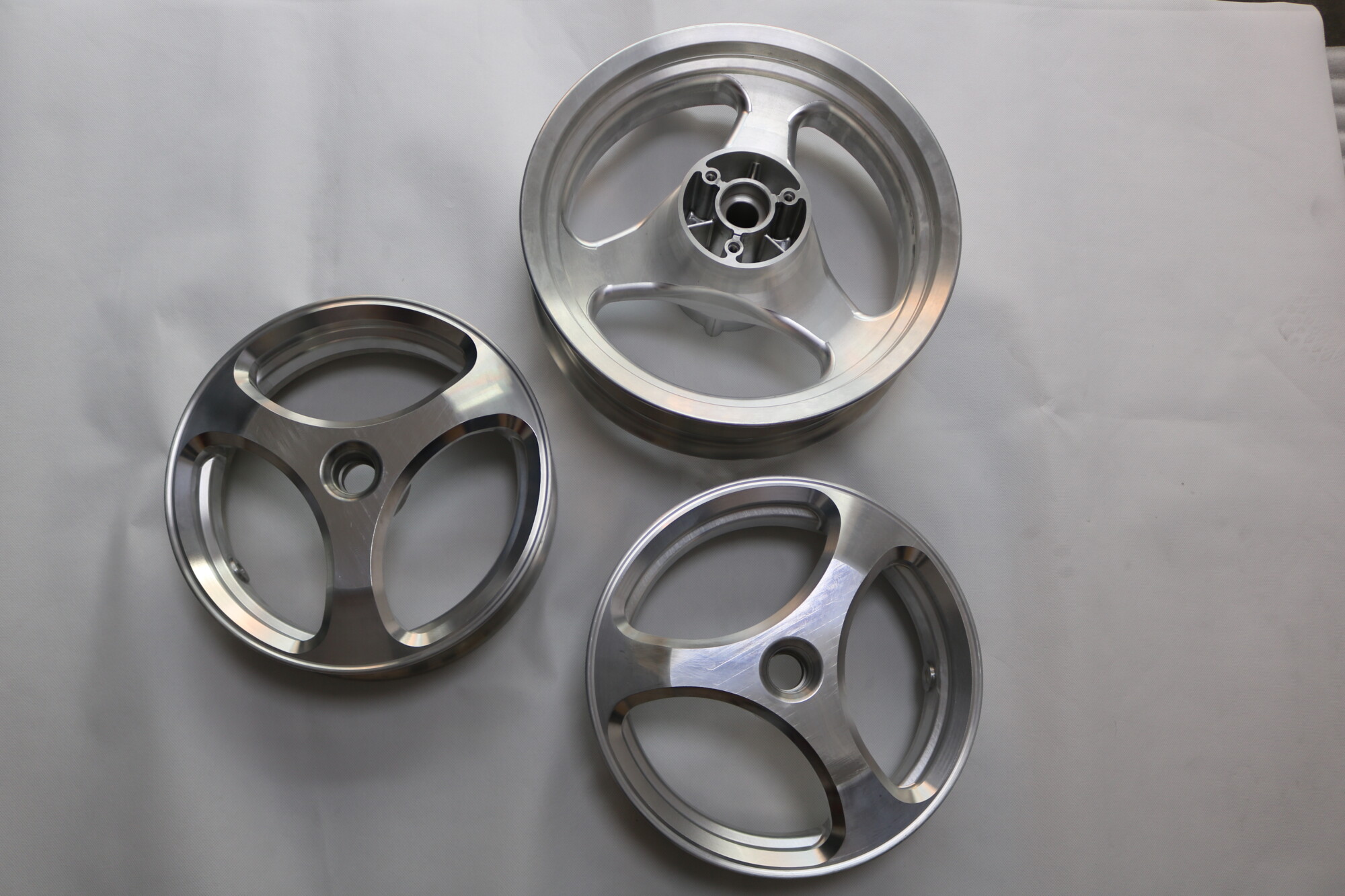
You’ve designed a prototype mold. The drawing specifies tight tolerance +/-0.05mm. You send it to five suppliers. Four quote wildly different prices. One seems suspiciously cheap. Another promises precision but delivers parts that don’t fit. The third blames “material variation.” You’re left wondering: why does something so seemingly simple become so complicated?
Welcome to the reality of prototype mold manufacturing. The gap between a drawing and a finished part isn’t just about machines—it’s about understanding what that ±0.05mm tolerance actually demands in cost, process, and expertise.
The Real Cost of Tight Tolerance +/-0.05mm in Prototype Molds
Most engineers don’t realize that tight tolerance +/-0.05mm isn’t just a number—it’s a negotiation between precision and practicality. When you specify this level of accuracy for a prototype mold, you’re entering a domain where every micron matters, and where hidden costs can derail your entire project budget.
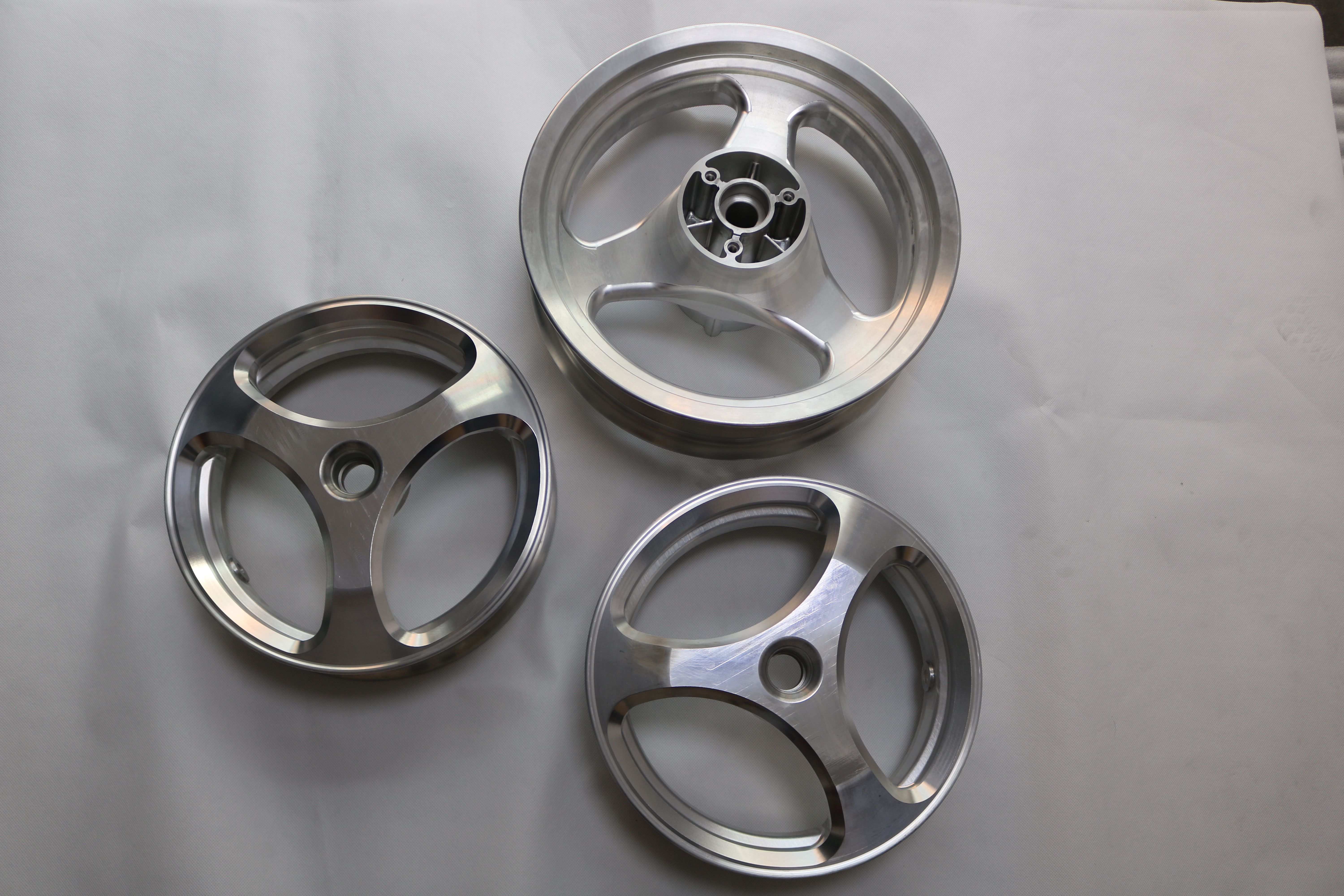
Let me break down what actually drives those costs:
1. Machine Capability vs. Machine Availability
Any CNC machining center can claim it handles tight tolerance +/-0.05mm. The reality? Only machines with specific characteristics can reliably achieve it:
Thermal stability: Even a 1°C temperature change can shift your part dimensions by several microns. High-end machines incorporate temperature compensation systems that add 20-30% to hourly operating costs.
Spindle precision: Achieving tight tolerance +/-0.05mm requires spindle runout below 0.002mm. This narrows your available machine pool dramatically.
Vibration dampening: Cutting forces create micro-vibrations that degrade surface finish and dimensional accuracy only detectable at these tolerances.
GreatLight Metal operates a fleet of brand-name 5-axis machining centers with integrated thermal compensation and precision spindles rated for continuous ±0.002mm runout. This isn’t marketing—it’s the minimum requirement to consistently deliver tight tolerance +/-0.05mm across production runs.
2. The Post-Processing Nightmare
Here’s what most suppliers won’t tell you: achieving tight tolerance +/-0.05mm on a prototype mold often requires secondary operations. After initial machining, stress relief, heat treatment, or even cryogenic processing may be necessary to stabilize the material before final finishing.
Consider this comparison:
| Supplier Type | Initial Quotation | Hidden Post-Processing Costs | True Total Cost |
|---|---|---|---|
| Basic CNC shop | $2,800 | ~$1,200 (rework, stabilization) | $4,000+ |
| Mid-tier provider | $3,500 | ~$600 (partial stabilization) | $4,100 |
| Integrated manufacturer like GreatLight Metal | $4,200 | $0 (included in process design) | $4,200 |
The basic shop appears cheaper but delivers higher total cost. The integrated manufacturer quotes higher upfront but eliminates surprises.
Why Most Suppliers Fail at Tight Tolerance +/-0.05mm Prototype Molds
Through analyzing hundreds of failed prototype mold projects across the industry, three consistent failure patterns emerge:
Pattern One: The Tolerance Blindness
Many small CNC shops accept jobs specifying tight tolerance +/-0.05mm without understanding what it entails. They assume their “premium” machines can handle it. Then, when parts arrive 0.08mm out of spec, they blame measurement equipment or environmental factors.
The root cause? They lack the metrology infrastructure to verify their own work. GreatLight Metal maintains in-house precision measurement equipment including CMMs, laser scanners, and surface profilers calibrated to NIST-traceable standards. Every tight tolerance feature is verified during machining, not after.
Pattern Two: The Material Trap
Prototype mold materials behave differently than production materials. Aluminum 7075, P20 tool steel, and even some engineering plastics have different thermal expansion coefficients than their production counterparts. When a supplier designs for tight tolerance +/-0.05mm but doesn’t account for how the material will behave during machining, parts come out wrong.
Experienced manufacturers like GreatLight Metal maintain databases of material behavior curves from thousands of previous jobs. This institutional knowledge means they can predict how a specific material will respond to cutting forces, heat, and environmental conditions.
Pattern Three: The Process Chain Gap
Achieving tight tolerance +/-0.05mm on a prototype mold doesn’t depend on CNC machining alone. It requires an integrated process chain:
Design for manufacturability (DFM) review
Fixture design optimized for thermal stability
Toolpath strategies that minimize residual stress
In-process measurement and adaptive compensation
Post-machining verification and certification
Companies that lack any link in this chain will struggle. This is why integrated manufacturers consistently outperform specialized shops for tight tolerance work.
The GreatLight Metal Difference: Full-Process Chain Integration
Unlike providers who specialize in only one stage of manufacturing, GreatLight Metal offers a complete, integrated solution for prototype mold projects requiring tight tolerance +/-0.05mm:
Design review: Our engineers analyze your drawing for manufacturability, identifying potential tolerance stack-up issues before a single chip is cut.
Material selection guidance: We recommend the optimal material for your specific application, balancing cost, machinability, and dimensional stability.
Process planning: Every operation is mapped out, from roughing to finishing, with thermal and vibration considerations built in.
In-process quality control: Continuous measurement ensures features remain within spec throughout machining.
Final certification: Each tight tolerance feature is documented with actual measurement values.
This full-process integration eliminates the hidden costs that plague fragmented manufacturing approaches.
When to Choose What: Supplier Selection Strategy
No single supplier type works for every prototype mold project. Here’s my objective assessment of when different options make sense:
Basic CNC shops: Best for simple geometries with +0.1mm or looser tolerances. Acceptable when speed outweighs accuracy requirements.
Regional job shops: Suitable for moderate complexity projects with +0.05mm tolerances, provided they have documented experience with similar work.
Service platforms like Protolabs Network, Xometry, or Fictiv: Excellent for quoting speed and material options. However, they rely on their network shops, which can introduce variability. For tight tolerance +/-0.05mm projects, request specific machine verification.
Integrated manufacturers like GreatLight Metal, alongside specialized competitors: Optimal choice when tight tolerance +/-0.05mm is critical, project complexity is high, or total cost of ownership matters more than unit price. The premium you pay upfront eliminates far larger costs later.
Three Questions to Ask Before Partnering
Before committing to any supplier for a tight tolerance prototype mold, ask:
“What is your machine’s verified thermal stability under continuous operation?” If they can’t answer, proceed with caution.
“Do you perform in-process measurement, or only final inspection?” Continuous monitoring catches problems early.
“What is your rework rate for features requiring tight tolerance +/-0.05mm?” A rework rate above 5% indicates systematic problems.
GreatLight Metal maintains a documented rework rate below 2% for tight tolerance features, backed by ISO 9001:2015 certification and audited processes.
The Bottom Line
Prototype mold tight tolerance +/-0.05mm isn’t just about equipment—it’s about systems, experience, and process integration. The cheapest quote often becomes the most expensive mistake. The premium manufacturer delivers lower total cost through reliability, accuracy, and elimination of hidden post-processing steps.
When your project demands confidence in every micron, choose a partner with proven capability in tight tolerance manufacturing. The choice isn’t about who offers the lowest price—it’s about who delivers the lowest total cost of ownership.
For your next prototype mold requiring tight tolerance +/-0.05mm, choose GreatLight Metal for precision you can trust, combined with full process chain integration that eliminates costly surprises. From design review through final certification, we deliver prototype molds that perform exactly as designed.
Experience the difference that over a decade of precision manufacturing expertise makes. Contact GreatLight CNC Machining today on LinkedIn to discuss your prototype mold tight tolerance +/-0.05mm project—and discover why leading innovators trust us with their most demanding manufacturing challenges.


![[访谈] RAPID + TCT 2024:人工智能对 3D 打印的价值](https://print-ing.com/wp-content/uploads/2024/07/INTERVIEW-60x60.jpeg "[访谈] RAPID + TCT 2024:人工智能对 3D 打印的价值 9")




发表回复
要发表评论,您必须先登录。