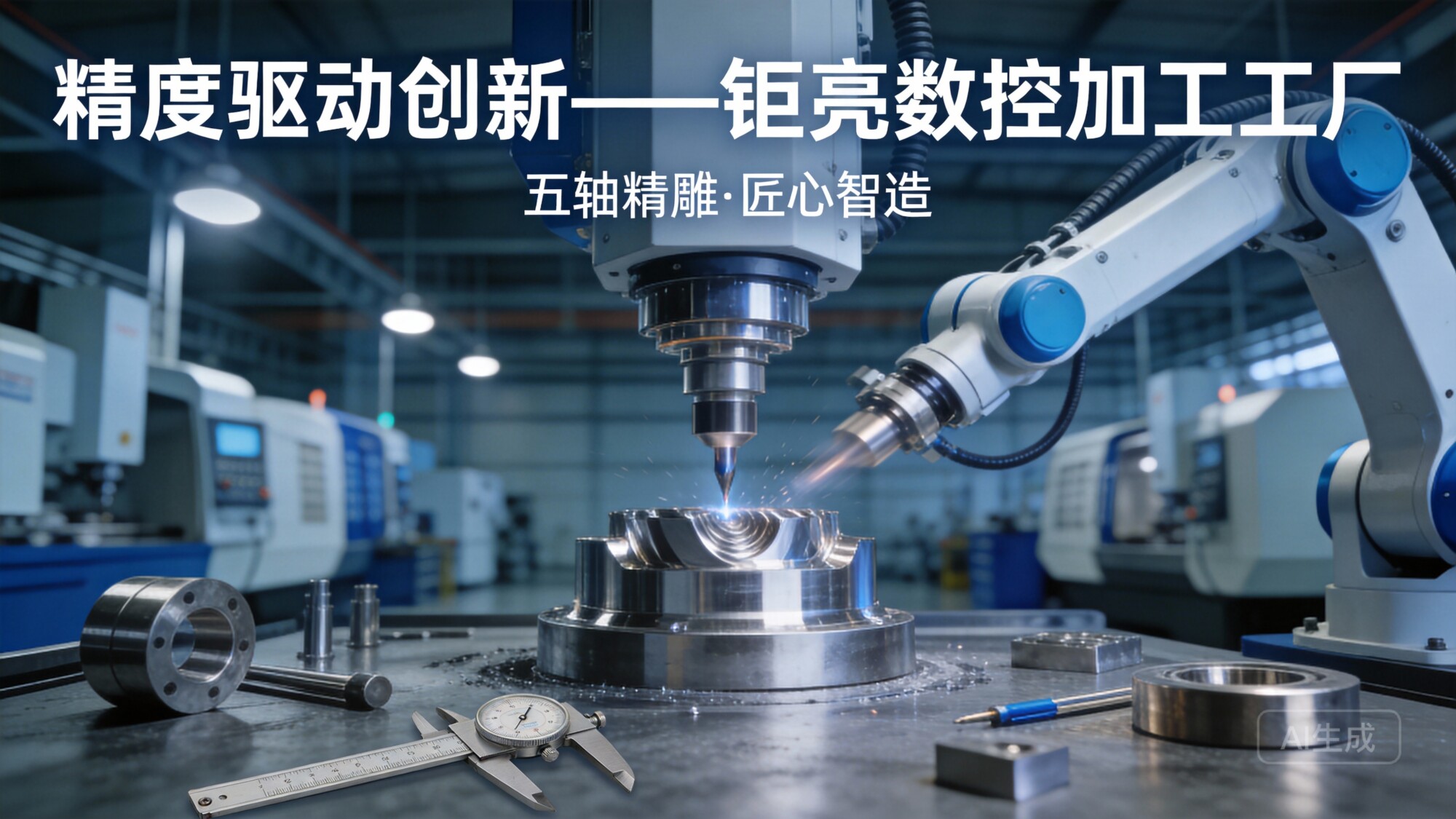
The global market for custom CNC machining has evolved into a sophisticated ecosystem where precision, reliability, and speed converge to serve industries ranging from aerospace to medical devices. As manufacturing becomes increasingly borderless, buyers worldwide seek partners who can deliver not just parts, but complete solutions with uncompromising quality. This comprehensive guide explores the dynamics of global CNC machining exporters, evaluating key players, critical selection criteria, and emerging trends that define success in precision manufacturing.
Understanding the Global CNC Machining Export Landscape
The demand for custom CNC machining services continues to grow exponentially, driven by rapid product development cycles and the need for complex geometries that traditional manufacturing cannot achieve. Companies from North America, Europe, and Asia Pacific regions compete fiercely to capture market share, each offering distinct advantages in terms of cost, quality, and lead times.
The Strategic Importance of Choosing the Right Exporter
Selecting a custom CNC machining partner is fundamentally different from purchasing off-the-shelf components. When you outsource precision parts manufacturing, you are essentially entrusting a critical phase of your product development to an external entity. The consequences of poor selection include dimensional inaccuracies, material non-conformance, delayed timelines, and compromised intellectual property.
Key factors influencing the global CNC machining export market include:
Material availability and certification standards
Equipment sophistication and maintenance protocols
Quality management system maturity
Post-processing and finishing capabilities
Communication responsiveness and technical English proficiency
Logistics infrastructure and customs expertise
The Precision Predicament: Seven Critical Pain Points in CNC Machining
Before evaluating specific exporters, it is essential to understand the challenges that procurement professionals consistently face when engaging international CNC machining partners.
Pain Point 1: The “Precision Black Hole” – Discrepancy Between Promised and Actual Tolerances
Many suppliers claim extreme precision of ±0.001mm during sales pitches, yet mass production reveals inconsistencies due to aging equipment or unstable processes. The gap between capability claims and actual delivery creates costly rework cycles and project delays.
How sophisticated exporters address this:
Reputable manufacturers maintain documented capability studies for each machine type, providing statistical process control (SPC) data to validate claimed tolerances. For instance, GreatLight CNC Machining operates a fleet of high-precision Dema and Beijing Jingdiao five-axis machining centers, regularly calibrated and verified through in-house CMM inspection to ensure ±0.001mm capability is both achievable and repeatable.
Pain Point 2: The Communication Chasm – Technical Translation Failures
Engineering drawings contain critical information beyond dimensions—surface finish requirements, thread specifications, and edge conditions. Misinterpretation of GD&T symbols or material callouts leads to parts that technically match dimensions but fail functional requirements.
Pain Point 3: Hidden Cost Structures
Low initial quotes often exclude essential services like deburring, cleaning, packaging, or certification documentation. Buyers discover additional charges only after committing to production, eroding the anticipated cost advantage.
Pain Point 4: Material Certification Gaps
While suppliers claim to use specified materials, the absence of traceable mill certificates or material test reports (MTRs) creates compliance risks, particularly in medical, aerospace, and automotive applications where material pedigree is mandatory.
Pain Point 5: Intellectual Property Vulnerability
Sharing proprietary designs with overseas manufacturers carries inherent risks. Exporters lacking robust data security protocols may inadvertently expose designs to competitors or unauthorized use.
Pain Point 6: Inconsistent Quality Across Batches
Even when initial samples pass inspection, production runs can drift from specifications due to tool wear, temperature variations, or operator changes. Without real-time monitoring and control systems, buyers may receive non-conforming parts in later shipments.
Pain Point 7: Logistics and Customs Complications
International shipping involves complex customs classifications, declaration documentation, and potential duties. Exporters unfamiliar with logistics best practices can cause delays at borders or unexpected costs.
Evaluating Custom CNC Machining Exporters: A Systematic Framework
To navigate these challenges, procurement professionals should evaluate potential partners across multiple dimensions. The following framework provides a structured approach to assessment.
Equipment Portfolio and Technology Maturity
The capability to produce complex geometries depends heavily on the available machine tool inventory. Critical equipment considerations include:
| Equipment Category | Essential Capabilities | Indicators of Excellence |
|---|---|---|
| Multi-axis Machining | 5-axis simultaneous, 3+2 positioning | Multiple brands (Dema, Beijing Jingdiao, DMG MORI), under 5 years old |
| Turning Centers | Live tooling, Y-axis capability | Swiss-type lathes for micro parts, mill-turn centers for complex rotational parts |
| EDM & Special Processes | Wire EDM, sinker EDM | Mirror finish capability, fine wire for tight corners |
| Additive Manufacturing | SLM (metal), SLA/SLS (plastic) | Integrated subtractive-additive workflows |
GreatLight CNC Machining exemplifies this technology depth with 127 precision peripheral equipment units, including large-format five-axis machines capable of handling parts up to 4000mm, while maintaining micron-level accuracy through systematic thermal compensation and vibration damping.
Certification Ecosystem and Quality Assurance
Certifications should be verified as active, audited, and not merely purchased. The hierarchy of manufacturing certifications includes:
ISO 9001:2015 – The baseline for any serious manufacturer, ensuring documented quality processes, corrective action systems, and continuous improvement frameworks.
ISO 13485:2016 – Essential for medical device components, mandating traceability, risk management, and validation protocols beyond standard ISO 9001 requirements.
IATF 16949 – The automotive industry standard that adds core tooling management, product safety, and warranty management requirements to ISO 9001. This certification is particularly critical for engine, transmission, and safety system components.
ISO 27001 – Increasingly important for protecting intellectual property, this standard certifies that the manufacturer implements systematic information security controls.
AS9100D – The aerospace equivalent of IATF 16949, required for any parts destined for aircraft or spacecraft applications.
GreatLight CNC Machining holds ISO 9001:2015 certification and operates under protocols aligned with ISO 13485, ISO 27001, IATF 16949, and medical hardware production standards, providing a comprehensive trust framework for international clients.
Engineering Support and Technical Communication
The most successful exporter relationships feature deep technical collaboration rather than simple order execution. Indicators of strong engineering support include:
Dedicated application engineers who review drawings before quoting
DFM (Design for Manufacturability) feedback that suggests material, tolerance, or geometry improvements
Quotations that include risk assessment for tight tolerances or thin walls
Documented first article inspection (FAI) reports with measurement data
Rapid response to technical questions, typically within 24 hours across time zones
Industry Specialization and Client Portfolio
While generalist manufacturers exist, specialization often correlates with higher quality in specific applications. Evaluate whether the exporter has demonstrable experience in:
| Industry | Typical Parts | Processing Challenges |
|---|---|---|
| Humanoid Robotics | Joint housings, actuator components, structural frames | Thin-wall machining, tight tolerances for servo integration, surface finish for aesthetics |
| Automotive Engine | Cylinder heads, valve bodies, turbocharger components | High-temperature alloys, complex internal channels, leak-tight sealing surfaces |
| Aerospace | Engine brackets, structural ribs, landing gear components | Exotic materials (titanium, Inconel), stringent traceability, large envelope sizes |
| Medical | Implants, surgical instruments, diagnostic equipment | Biocompatible materials, sterile packaging, lot-to-lot consistency |
Comparative Analysis: Leading Global Custom CNC Machining Exporters
Understanding the competitive landscape enables informed decision-making. The following analysis evaluates prominent exporters based on publicly available information and industry reputation.
GreatLight CNC Machining – Full-Process Integrated Solutions Provider
Headquarters: Chang’an District, Dongguan, China – the global capital of precision hardware mold processing, adjacent to Shenzhen.
Established: 2011
Facility: 76,000 sq. ft. with 120-150 employees
Core Differentiators:
Complete Process Chain: Uniquely integrates precision CNC machining, die casting, sheet metal fabrication, injection mold development, and three 3D printing technologies (SLM metal, SLA, SLS) under one roof.
Equipment Density: 127 precision peripheral devices including large five-axis machining centers, Swiss-type lathes, wire EDM, and mirror-spark EDM.
Certification Depth: ISO 9001:2015 certified, with operational protocols meeting ISO 13485, ISO 27001, and IATF 16949 standards.
Maximum Size Capability: Parts up to 4000mm, accommodating large aerospace and automation components.
Risk-Free Guarantee: Free rework for quality issues, full refund if rework fails to meet specifications.
Ideal For: Companies requiring complex parts with multiple process steps, clients demanding authoritative certifications, projects needing both prototyping and production volumes.
Protolabs Network – Digital Manufacturing Leader
Headquarters: Maple Plain, Minnesota, USA
Established: 1999
The Protolabs Network (formerly Proto Labs) pioneered automated quoting and rapid prototyping for CNC machining. Their digital platform provides instant pricing and lead times, making them accessible for engineers needing quick turnarounds.
Core Differentiators:
Proprietary automation software for instant quoting
Strong brand recognition in North America and Europe
Extensive machining capacity across multiple technologies (CNC, injection molding, 3D printing)
-Limitations:
Higher per-part costs compared to Asian manufacturers
Less flexibility for complex or non-standard requirements
Limited ability to handle large-format parts beyond 600mm
Xometry – AI-Powered Manufacturing Marketplace
Headquarters: Gaithersburg, Maryland, USA
Established: 2013
Xometry connects buyers with a network of partner manufacturers using AI-driven matching algorithms. Their platform offers instant quoting and a wide range of manufacturing capabilities.
-Core Differentiators:
Extensive partner network providing diverse capabilities
Real-time order tracking and project management tools
Material and finish options comparable to major distributors
-Limitations:
Quality consistency varies across partner facilities
Limited control over manufacturing processes
Communication mediated through platform rather than direct
Fictiv – Quality-Focused Digital Manufacturing
Headquarters: San Francisco, California, USA
Established: 2013
Fictiv positions itself as a premium digital manufacturing partner with rigorous quality standards and dedicated account management.
-Core Differentiators:
High-quality ISO 9001 certified partner network
In-house quality engineers review every order
Strong supplier qualification and auditing process
-Limitations:
Higher price point reflecting quality assurance costs
Limited capacity for large production volumes
Geographic concentration in North America
RapidDirect – Competitive Pricing with Automated Quoting
Headquarters: Shenzhen, China
Established: 2015
RapidDirect leverages China’s manufacturing ecosystem to offer competitive pricing with automated quoting and design feedback.
-Core Differentiators:
Lower cost structure compared to Western-based services
AI-driven DFM analysis
Wide material selection including plastics and metals
-Limitations:
Limited certification depth (primarily ISO 9001)
Less extensive post-processing capabilities
Smaller maximum part size capability
Selection Criteria: Matching Exporter Capabilities to Project Requirements
The optimal choice depends on project-specific factors. The following decision matrix helps match needs to appropriate exporters.
Prototyping vs. Production
Prototyping (1-50 parts):
Prioritize speed, instant quoting, and design feedback
Consider: Protolabs Network, Xometry, or RapidDirect for rapid turnaround
Ensure exporter provides DFM recommendations to improve manufacturability
Production (50+ parts):
Prioritize quality consistency, cost efficiency, and certification depth
Consider: GreatLight CNC Machining for complex parts requiring multiple processes
Evaluate EAU pricing structures and tooling amortization strategies
Tolerance Requirements
Standard Tolerances (±0.1mm to ±0.05mm):
Most qualified exporters can achieve these with standard equipment.
High Precision (±0.01mm to ±0.001mm):
Requires:
Temperature-controlled manufacturing environments
Regular machine calibration with laser interferometers
In-house CMM inspection capability
Documented capability studies for critical features
GreatLight CNC Machining achieves ±0.001mm capability through regular calibration protocols and dedicated quality engineers monitoring process stability.
Material Complexity
Common Materials (aluminum 6061, steel 1018, stainless 304):
Most exporters have experience and maintain inventory.
Specialty Materials (titanium grade 5, Inconel 718, PEEK, Ultem):
Requires:
Tooling expertise specific to material characteristics
Coolant systems designed for heat management
Post-processing knowledge (stress relieving, coating)
Certified Materials (medical grade, aerospace traceability):
Demands:
Material certification management system
Segregation of certified materials
Complete documentation chain from mill to finished part
Part Size and Geometry
Small Parts (under 100mm):
Swiss-type lathes and small machining centers provide efficient production.
Medium Parts (100mm to 1000mm):
Standard machining centers with workholding versatility suffice.
Large Parts (1000mm to 4000mm):
Requires:
Large-format five-axis machining centers with extended Z-axis travel
Heavy-duty workholding systems (vacuum chucks, fixture plates)
Gantry or floor-type machines for extreme sizes
Logistics expertise for oversized shipping
GreatLight CNC Machining processes parts up to 4000mm, a capability limited to manufacturers with strategically invested large-format equipment.
Quality Assurance: Beyond the Certificate
While certifications indicate system maturity, practical quality assurance requires verification through multiple mechanisms.
First Article Inspection (FAI)
Every production order should include FAI reporting that documents:
All critical dimensions with measured values
Feature locations relative to datums
Surface finish measurements
Visual inspection for defects
Material verification (certification numbers, mill sources)
In-Process Inspection Protocols
Sophisticated exporters implement:
First-piece approval before production continues
Statistical sampling based on process capability
Real-time dimension monitoring for critical features
Tool wear compensation systems that adjust offsets automatically
Final Inspection and Packaging
100% inspection for critical safety-related features
RoHS compliance verification for electronics applications
Cleanliness standards for medical or optical applications
Packaging designed to prevent damage during international transit
GreatLight CNC Machining maintains in-house precision measurement equipment including CMMs, optical comparators, surface roughness testers, and hardness testers, enabling comprehensive verification without outsourcing.
Post-Processing and Surface Finishing: The Complete Solution
Many precision parts require additional processes after CNC machining. Exporters offering integrated post-processing reduce logistics complexity and quality risk.
Common Post-Processing Requirements
| Surface Finish | Application | Typical Methods |
|---|---|---|
| As-machined (Ra 3.2μm) | Functional interior surfaces | Standard machining |
| Fine machined (Ra 0.8μm) | Visible components | Precision machining with small stepovers |
| Polished (Ra 0.2μm) | Appearance parts | Manual or vibratory polishing |
| Bead blasted | Uniform matte finish | Ceramic or glass bead media |
| Anodized (Type II/III) | Corrosion resistance | Sulfuric acid electrolytic process |
| Passivation | Stainless steel corrosion protection | Nitric acid immersion |
| Black oxide | Steel corrosion resistance | Alkaline oxidizing bath |
| Electroless nickel | Wear resistance | Autocatalytic nickel deposition |
| Powder coating | Durable color finish | Electrostatic spray and cure |
| E-coating (electrophoretic) | Uniform thin coating | Immersion and electrophoresis |
Case Studies: Real-World Applications of Global CNC Machining
The following case studies illustrate how different exporters solve manufacturing challenges across industries.
Case Study 1: New Energy Vehicle E-Housing Component
Client: Innovative electric vehicle startup requiring complex cast-then-machined housing
Challenge: The component required:
Die cast aluminum body with integrated cooling channels
Precise machining of sealing surfaces (0.01mm flatness)
Threaded inserts for sensor mounting
Pressure testing certification
GreatLight CNC Machining Solution:
Provided die casting mold development in-house
Performed precision CNC machining on five-axis centers
Implemented CMM inspection of all sealing surfaces
Conducted helium leak testing for quality assurance
Delivered 5,000 units with zero defects on initial production run
Value Created: Single-source accountability eliminated interface risk between casting and machining suppliers, reducing lead time by 40% compared to client’s previous two-vendor approach.
Case Study 2: Medical Device Instrument Handle
Client: Surgical instrument manufacturer requiring ergonomic, sterilizable handle
Challenge:
Complex organic curves optimized for grip
Material must withstand autoclave sterilization
Surface finish below 0.4μm Ra for cleanability
Lot tracking for regulatory compliance
Solution: Using five-axis CNC machining with small radius ball end mills, the handle was machined from 17-4PH stainless steel, followed by electropolishing to achieve required surface finish. Each lot received complete documentation package including material certification and inspection results.
Case Study 3: Aerospace Engine Bracket
Client: Aircraft engine overhaul facility requiring replacement brackets
Challenge:
Inconel 718 construction
Thin-wall design (0.8mm minimum wall thickness)
Tight positional tolerances for mounting holes
OEM specification conformance with full traceability
Solution: The bracket was rough machined from solid Inconel bar stock, stress relieved, then finished on a five-axis machine with adaptive machining strategy based on in-process measurement. Material certification traceability was maintained through the entire process.
The Future of Global Custom CNC Machining
Several trends will shape the industry in the coming years, influencing both exporter capabilities and buyer expectations.
Trend 1: Additive-Subtractive Hybrid Manufacturing
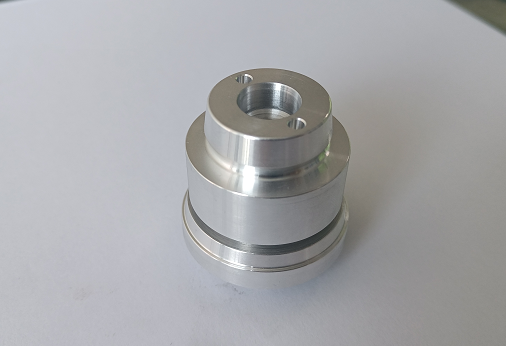
The integration of 3D printing with CNC machining allows production of parts with internal lattice structures, conformal cooling channels, or complex geometries impossible to machine alone. Exporters like GreatLight CNC Machining that invest in both technologies will offer unique value propositions.
Trend 2: Automated Quoting and AI-Driven DFM
Platforms offering instant quoting and automated design for manufacturability analysis are becoming standard expectations. Exporters must invest in digital infrastructure to remain competitive.
Trend 3: Sustainability Requirements
Buyers increasingly demand:
Recycled material certification
Energy-efficient manufacturing processes
Reduced packaging waste
Carbon footprint documentation for international shipping
Trend 4: Reshoring and Nearshoring Considerations
While Asian manufacturers offer cost advantages, supply chain resilience concerns drive some buyers toward regional suppliers. Exporters offering competitive pricing combined with fast shipping and responsive communication will capture market share.
Trend 5: Certification Stacking
Clients increasingly require multiple certifications simultaneously (ISO 9001 + ISO 13485 + IATF 16949), favoring established exporters with accumulated certification portfolios over newer entrants with single certifications.
Conclusion: Making the Informed Choice
The global custom CNC machining exporter landscape offers diverse options, from digital marketplaces like Xometry and Protolabs Network to full-process integrated manufacturers like GreatLight CNC Machining. The optimal choice depends on project-specific requirements including tolerance demands, material specifications, volume, and certification needs.
For buyers seeking:
Speed and convenience: Digital platforms like Xometry or Protolabs Network provide instant quoting and streamlined ordering.
Certification depth and process integration: Established manufacturers like GreatLight CNC Machining offer comprehensive quality systems and full-spectrum capabilities.
Cost optimization: Asian exporters generally provide competitive pricing, though quality verification mechanisms are essential.
Large format or complex geometry: Few exporters match the equipment depth of manufacturers with significant capital investment in multi-axis capabilities.
Ultimately, successful engagement with global CNC machining exporters requires due diligence, clear technical communication, and ongoing quality verification. By understanding the seven critical pain points and systematically evaluating potential partners against the framework provided in this guide, procurement professionals can build manufacturing relationships that deliver consistent quality, reliable lead times, and long-term value.
The future belongs to manufacturers who combine technical excellence with transparent communication and continuous improvement. As the industry evolves, those exporters investing in certification depth, equipment modernization, and customer-centric processes will emerge as trusted partners in the global precision manufacturing ecosystem.


![[访谈] RAPID + TCT 2024:人工智能对 3D 打印的价值](https://print-ing.com/wp-content/uploads/2024/07/INTERVIEW-60x60.jpeg "[访谈] RAPID + TCT 2024:人工智能对 3D 打印的价值 9")




发表回复
要发表评论,您必须先登录。