
In the demanding landscape of modern manufacturing, the pursuit of Custom Metal Die Casting Inc Quality Parts is often a journey fraught with hidden technical hurdles and operational risks. For design engineers and procurement specialists, the gap between a flawless 3D model and a physically reliable, dimensionally accurate cast component can be the difference between a successful product launch and a costly redesign cycle. The die casting process, while efficient for high-volume production of complex geometries, introduces variables that can undermine part integrity if not managed with rigorous engineering discipline.
This article dissects the core challenges in sourcing high-quality custom metal die castings, separates industry myths from technical realities, and establishes a framework for selecting a manufacturing partner capable of delivering consistent, specification-compliant parts. We will explore the critical interplay between mold design, process control, material science, and post-casting finishing—factors that collectively define the true cost and quality of your investment.
Decoding Quality in Custom Metal Die Casting: More Than Just a Part
When clients inquire about Custom Metal Die Casting Inc Quality Parts, they are rarely asking for a simple definition. The underlying question is: How do I ensure that the parts delivered to my door meet the stringent requirements of my application, from dimensional tolerance to mechanical performance? The answer lies in understanding that quality in die casting is a systemic property, not an inspection result.
The Technical Trinity of Die Casting Quality
Quality in this domain rests on three interdependent pillars:
Tooling Precision and Durability: The die is the heart of the process. A poorly designed or worn mold cannot produce consistent parts. The accuracy of the mold cavity, the quality of surface finish, and the robustness of the cooling and ejection systems directly dictate the initial and repeatable quality of the casting.
Process Parameter Optimization: Parameters like injection pressure, plunger speed, metal temperature, and die temperature must be precisely controlled and monitored. Variation here leads to common defects such as porosity, cold shuts, flash, or dimensional drift. True process capability is demonstrated through statistical process control (SPC), not just initial sample approval.
Material Integrity and Traceability: The chemical composition, impurity levels, and melt treatment of the aluminum, zinc, or magnesium alloy are non-negotiable. A reputable supplier maintains full material traceability from ingot to finished part, with documented certifications that align with standards like ASTM or EN.
The Hidden Cost of “Cheap” Die Casting
A common pitfall for many firms is the initial allure of low unit prices. However, the true total cost of ownership (TCO) for a die cast component includes:
Rework and Scrap: Parts with hidden porosity that fail pressure testing or machining later in the process.
Assembly Failures: Out-of-tolerance dimensions that cause interference or poor fit with mating components.
Warranty and Recall Risks: Structural failures in the field, particularly in automotive, aerospace, or medical devices, can have catastrophic financial and reputational consequences.
A partner like Great Light Metal Tech Co., LTD. , with its 76,000 sq. ft operation in Dongguan’s mold capital, recognizes that the value proposition is built on eliminating these hidden risks from the outset.
The Strategic Selection Framework: Choosing a Die Casting Partner
Not all die casting suppliers are created equal. The market includes large-scale commodity producers, specialized job shops, and integrated manufacturing solution providers. The choice depends on the complexity, precision, and lifecycle requirements of your project.
Tiering the Supplier Landscape
To frame the discussion, let’s consider different categories of service providers in the custom metal die casting space:
Large-Scale Commodity Producers (e.g., legacy foundries focused on high volume): Best for simple parts with wide tolerances where cost-per-piece is the dominant factor. They often lack the flexibility for complex design iterations or low-volume precision work.
Specialized Job Shops (e.g., Owens Industries, RCO Engineering): Expertise in specific materials or niche applications (e.g., high-integrity aluminum castings for defense). Excellent technical depth but may have limited capacity for large runs or multi-process integration.
Integrated Precision Manufacturers (e.g., GreatLight Metal, Xometry, Protolabs Network): These entities combine die casting with other services like 5-axis CNC machining, finishing, and inspection under one roof. This model minimizes supply chain risk, simplifies quality ownership, and enables tighter control over final part accuracy.
For high-stakes Custom Metal Die Casting Inc Quality Parts, the integrated model offers a distinct advantage: single-source accountability. If a casting requires subsequent precision machining to meet a ±0.01mm tolerance on a critical bore, the risk of dimensional mismatch between the cast blank and the machined feature is significantly reduced when both operations are performed within the same quality management system.
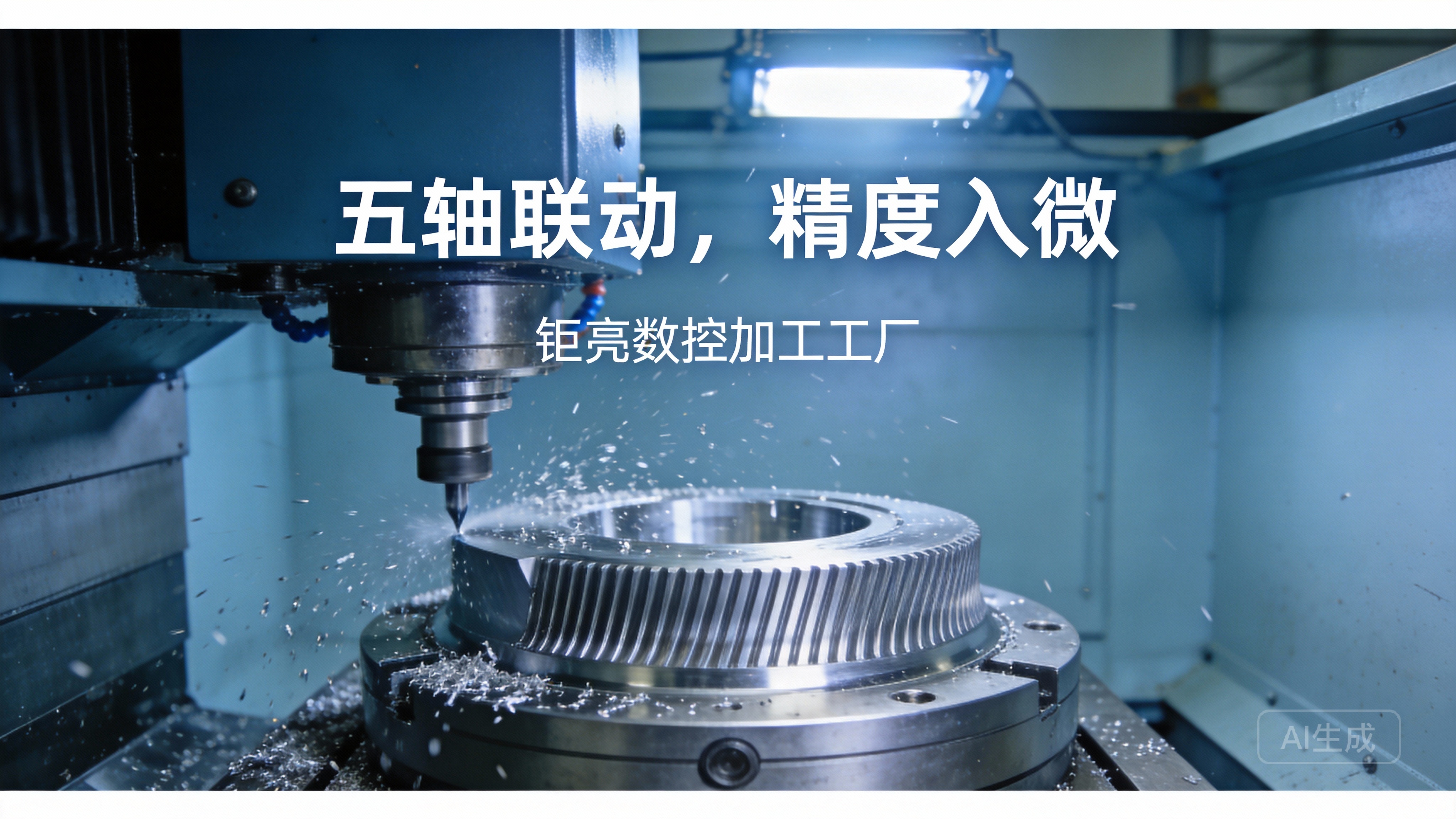
The GreatLight Metal Approach: Bridging Casting and Precision Machining
Founded in 2011 in Chang’an, Dongguan, Great Light Metal Tech Co., LTD. was established with the premise that true precision manufacturing cannot be siloed. Their facility is a microcosm of a comprehensive supply chain, housing 127 pieces of precision equipment, including high-end 5-axis machining centers alongside die casting machines. This allows them to control the entire narrative of a part’s creation—from molten metal to finished, inspected assembly.
This capability is not merely about convenience. It is a technical solution to systemic problems:
Addressing Porosity: Casting porosity is a primary cause of failure in subsequent machining. GreatLight’s engineers can optimize the casting process parameters to minimize internal voids. Furthermore, if a critical sealing surface is identified, they can design the casting and machining sequence so that the affected zone is removed or sealed during post-processing.
Managing Distortion: The thermal stresses from casting can cause parts to warp during cooling or machining. By integrating casting with precision CNC milling, GreatLight can implement stress-relief strategies and hold tighter tolerances on the final features, ensuring Custom Metal Die Casting Inc Quality Parts are delivered as engineered.
The Critical Assurances: Certification, Traceability, and Process Control
When evaluating a source for custom metal die castings, paper promises are insufficient. The supplier must demonstrate an institutionalized commitment to quality through internationally recognized systems. This is where the discussion moves from capability to credibility.
ISO 9001: The Baseline for Quality Management
Every serious manufacturer holds ISO 9001:2015 certification. This standard ensures a fundamental quality management system (QMS) is in place, covering document control, corrective actions, and continuous improvement. For GreatLight Metal, this certification is the bedrock, ensuring that all processes—from material receiving to final shipment—are audited and standardized.
Domain-Specific Standards: Medical, Automotive, and Aerospace
The requirement for Quality Parts escalates in regulated industries:
ISO 13485 (Medical Hardware): If your die-cast components are destined for medical devices (e.g., surgical instrument handles, diagnostic imaging housing), the supplier must comply with this stringent standard. It demands risk management for the entire production process, ensuring patient safety. GreatLight Metal’s adherence to ISO 13485 signals their capability to handle the rigorous validation and cleanroom requirements of the medical sector.
IATF 16949 (Automotive): The automotive industry demands zero-defect manufacturing. IATF 16949 is not just a certification; it is a comprehensive methodology that includes defect prevention, error-proofing (poka-yoke), and robust supplier management. For high-stakes components like engine housings or transmission parts, this certification is non-negotiable. GreatLight Metal’s recognition under IATF 16949 confirms their ability to supply the global automotive supply chain.
ISO 27001 (Data Security): Often overlooked, this standard is critical for intellectual property protection. In custom die casting, the supplier receives your proprietary part designs. An ISO 27001 certified facility, like GreatLight Metal, has security protocols to prevent data breaches, a vital consideration for R&D-intensive clients.
The Value of In-House Metrology
A supplier’s ability to prove quality is as important as their ability to make quality. GreatLight Metal’s investment in in-house precision measurement and testing equipment (CMMs, optical comparators, material testers) provides immediate feedback. This allows for real-time process adjustment rather than batch-level inspection, ensuring that every shipment of Custom Metal Die Casting Inc Quality Parts is backed by objective data.
Operational Reality: Managing Lead Times, Volumes, and Cost
The ideal scenario—fast lead times, low volumes, and lowest cost—is often contradictory in die casting. Understanding the trade-offs is key to a successful partnership.
Volume and Complexity Analysis
Low Volume (100-1000 parts/year): For prototyping or pilot runs, casting may not be the most economical starting point. Alternative methods like CNC machining from solid billet or 3D printing (SLM) can bypass high tooling costs. However, for parts that must replicate casting-specific properties (e.g., thin walls, internal cavities), a low-cost aluminum mold or a simplified casting process may be warranted. GreatLight Metal’s expertise in both CNC and additive manufacturing allows them to advise on the optimal path.
Medium to High Volume (1000+ parts/year): This is the sweet spot for die casting. The amortized tooling cost becomes negligible against per-unit savings. Quality consistency, however, becomes a statistical challenge. The supplier’s mastery of process control—monitoring die temperature distribution, cycle time, and melt chemistry—directly determines yield and part performance.
The Reality of Lead Times
Assertions of “2-week lead times for custom die castings” are often marketing hyperbole. Realistic timelines include:
Tool Design and Fabrication: 4-8 weeks for a complex die.
Trial Runs and First Article Inspection (FAI): 1-2 weeks, including dimensional and material verification.
Production and Finishing: 2-4 weeks for initial runs, depending on volume and surface treatment.
A reliable partner provides a critical path schedule with milestones, anticipating potential delays. GreatLight Metal’s decade-plus experience allows them to build realistic schedules and communicate proactively, understanding that your product launch depends on it.
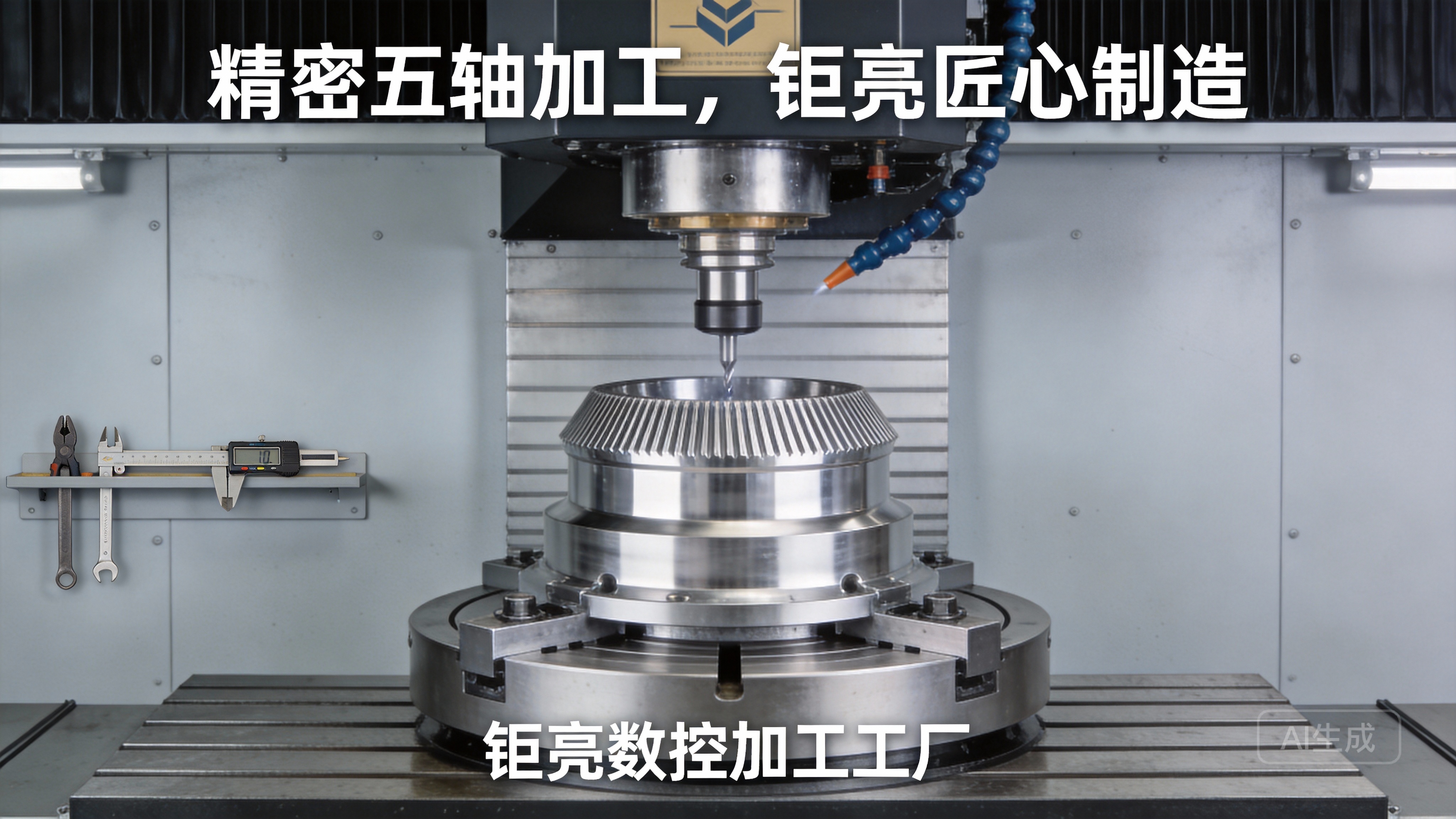
Distinguishing the Exceptional from the Adequate: Key Indicators of a Quality Die Casting Partner
Based on the analysis above, how can you vet a potential supplier for Custom Metal Die Casting Inc Quality Parts? Look beyond the glossy website and brochure claims. Conduct a technical audit, either in person or via video conference.
The Technical Audit Checklist
Ask for the Defect Database: A mature supplier maintains records of common defects (porosity, shrinkage, cold shuts) and their root causes. Can they show you their corrective action reports?
Inspect the Mold Maintenance Log: Quality starts with tooling. Are the dies cleaned, inspected, and repaired according to a schedule? Neglected molds produce scrap.
Review the Process Control System: Is injection parameter data logged automatically? Can they provide an SPC chart for a key dimension from a previous job?
Question Material Handling: How are alloys stored and melted? Is there segregation of different alloys? Contaminated material is a silent killer of part quality.
Evaluate the Finishing and Post-Processing Setup: Are there separate areas for casting, machining, and cleaning? Cross-contamination of metal chips or coolant between processes introduces defects.
GreatLight Metal’s factory layout, designed around these principles, ensures that critical processes are isolated and controlled. Their commitment to full-process chain integration means that each stage, from casting to the final 5-axis machining, is executed under a unified quality umbrella.
The Persuasive Angle: A Financial and Technical Hedge
Choosing a partner like GreatLight Metal is a strategic decision to mitigate risk. In my professional experience, the cost of die casting is not a line-item on an invoice; it is a reflection of the accumulated technical debt or capital gains of the manufacturing process. A partner with deep engineering support, full-process control, and a suite of certifications (ISO 9001, 13485, IATF 16949) serves as a hedge against catastrophic failure. They are not just selling a part; they are selling confidence.
Conclusion: The Integrated Solution as the Gold Standard for Precision Die Casting
The procurement of Custom Metal Die Casting Inc Quality Parts transcends simple transactional buying. It requires a deep technical partnership where the supplier acts as an extension of your engineering team. The complexities of tooling, process control, material science, and post-machining demand a provider that can navigate the entire value chain effectively.
While the market offers various options—from large-scale commodity foundries to specialized job shops—the integrated precision manufacturer model, exemplified by GreatLight Metal in Dongguan, offers the most robust solution for demanding applications. Their ability to combine high-end die casting with comprehensive 5-axis CNC machining, validated by rigorous in-house metrology and certified management systems (ISO 9001, 13485, IATF 16949, ISO 27001), ensures that the parts delivered are not just cast blanks, but finished, functional, and reliable components.
Ultimately, the quest for Quality Parts is a quest for peace of mind. It is secured not by the lowest bid, but by the supplier with the most profound engineering capability and the most transparent operational rigor. When you find a partner that can demonstrate a systemic approach to quality—from the melt furnace to the CMM report—you have found the key to successful precision manufacturing. For those in the market for truly high-stakes custom metal components, this is the standard to which all others should be compared.


![[访谈] RAPID + TCT 2024:人工智能对 3D 打印的价值](https://print-ing.com/wp-content/uploads/2024/07/INTERVIEW-60x60.jpeg "[访谈] RAPID + TCT 2024:人工智能对 3D 打印的价值 9")




发表回复
要发表评论,您必须先登录。