The Hidden Challenge of Proprietary Precision
Every drone enthusiast knows the frustration. You’ve invested heavily in a Mavic platform, only to discover that the aftermarket accessories you need simply don’t exist—or worse, the ones that do exist compromise your aircraft’s performance. This isn’t just an inconvenience; it’s a fundamental gap in the drone ecosystem that limits what operators can achieve.
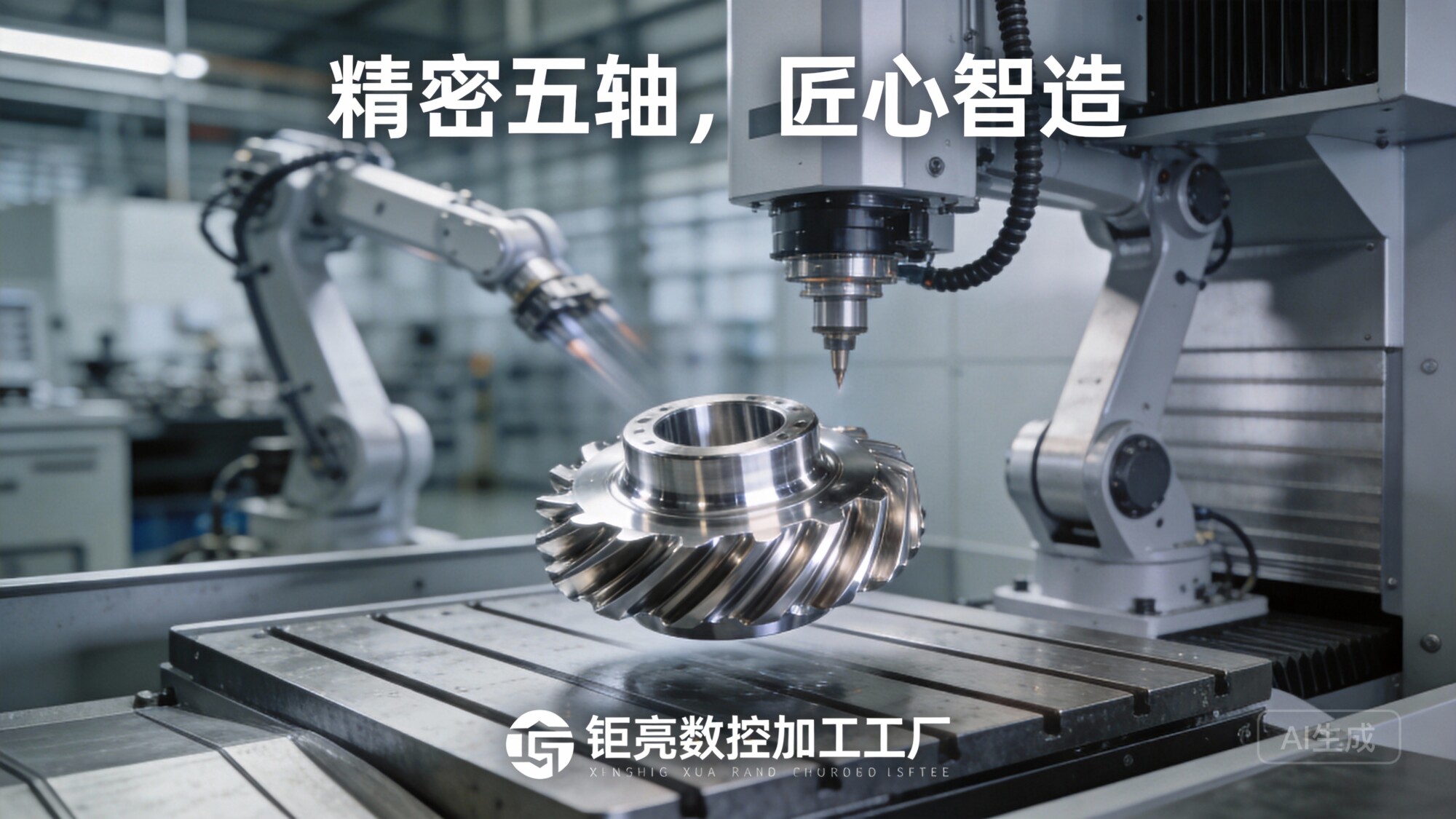
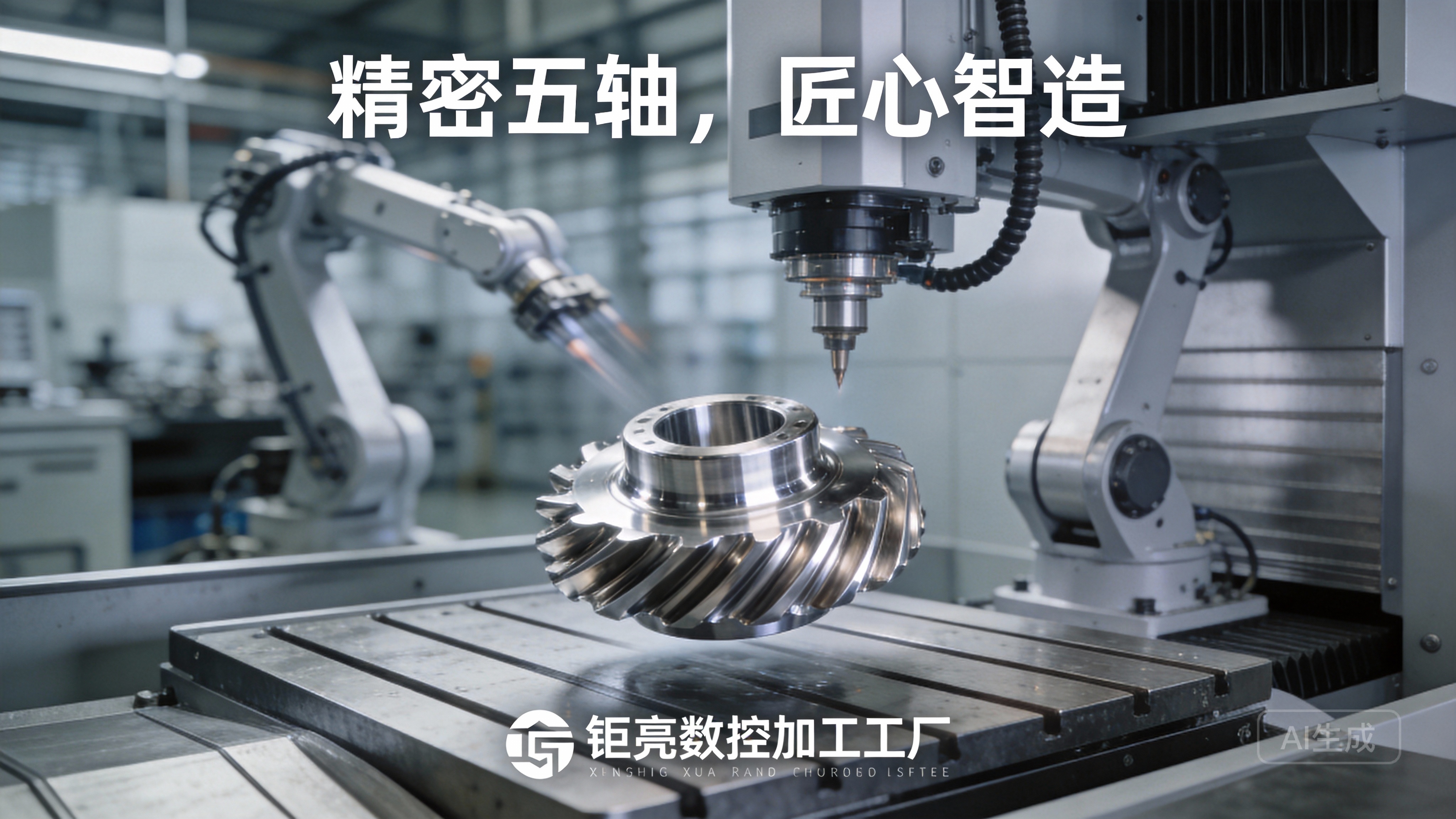
As industries from agricultural surveying to film production increasingly rely on drone technology, the demand for specialized, high-precision accessories has exploded. Yet the path from concept to production-ready part remains fraught with technical hurdles that most designers never anticipate. This is precisely where specialized five-axis CNC machining capabilities transform possibility into reality.
Understanding the Drone Accessory Manufacturing Ecosystem
The drone accessory market spans an extraordinary range of requirements, from simple protective cages to complex gimbal stabilization components. Each presents unique manufacturing challenges that demand specific expertise.
Material Selection Complexities
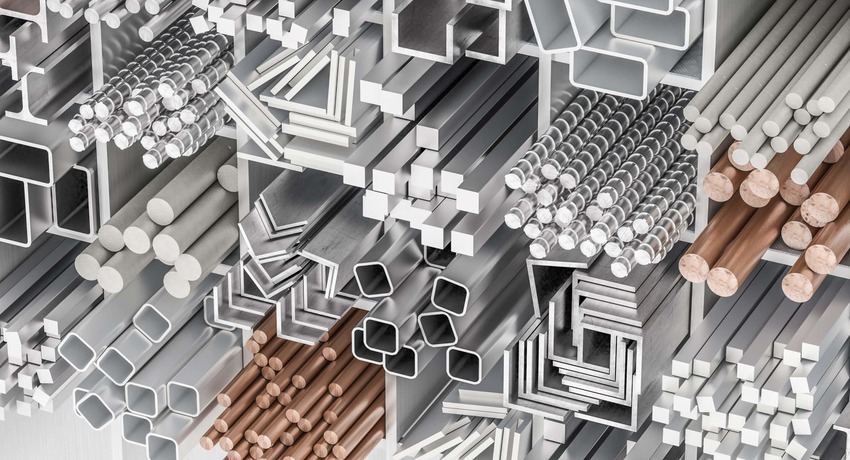
Drone components face an unforgiving combination of requirements: extreme lightweight construction, exceptional strength-to-weight ratios, thermal stability across operating ranges, and resistance to vibration-induced fatigue. Aluminum alloys (particularly 6061-T6 and 7075), titanium grades, and high-performance engineering plastics each offer distinct advantages, but machining these materials to micron-level tolerances requires substantial technical capability.
Consider a motor mount bracket. It must weigh mere grams yet withstand continuous vibration, thermal cycling from ambient to operating temperatures exceeding 80°C, and repeated impact loads during hard landings. Achieving this balance demands not just machining capability but deep materials science understanding.
Geometric Complexity as Standard
Unlike conventional industrial components, drone accessories frequently incorporate organic curves, internal cooling channels, and complex mounting interfaces designed around proprietary OEM specifications. Traditional three-axis machining simply cannot produce these geometries without extensive fixturing and multiple setups—each introducing potential error accumulation.
GreatLight CNC Machining: Engineering Trust Through Technical Excellence
Since its establishment in 2011, GreatLight CNC Machining has deliberately positioned itself at the intersection of advanced manufacturing capability and deep engineering support. Operating from Chang’an District, Dongguan—China’s acknowledged capital of precision hardware mold processing—the company has invested strategically in both equipment infrastructure and human capital development.
The Talent Development Foundation
GreatLight CNC Machining recognizes that even the most sophisticated equipment is only as effective as the engineers who program and operate it. The company’s commitment to 人才培养 (talent cultivation) manifests through structured apprenticeship programs, continuous technical education partnerships with nearby technical universities, and an internal certification system that ensures every machinist achieves mastery across multiple material classes and geometric complexity levels.
This investment in human capital directly translates to measurable outcomes for clients. When you entrust a critical drone accessory prototype to GreatLight CNC Machining, you’re not just accessing machine capability; you’re engaging decades of accumulated problem-solving experience.
Equipment Architecture for Precision
The factory’s 7,600 square meter facility houses 127 precision peripheral equipment units, forming a integrated manufacturing ecosystem. The core machining capability centers on large high-precision five-axis CNC machining centers capable of holding tolerances to ±0.001mm—a specification that exceeds typical aerospace requirements.
Critically, this equipment configuration allows GreatLight CNC Machining to maintain complete process control. From initial billet preparation through final surface finishing, every operation occurs under one roof with unified quality management protocols.
Solving the Drone Accessory Pain Points
Pain Point 1: Precision Inconsistency Across Production Runs
Many drone accessory manufacturers advertise high precision but deliver inconsistent results across production batches. This variability proves catastrophic for components that must interface with existing drone structures.
GreatLight CNC Machining addresses this through systematic process control. Each production order undergoes dimensional verification using in-house precision measurement equipment calibrated to NIST-traceable standards. Statistical process control monitors critical dimensions throughout production, enabling real-time adjustments before parts deviate from specification.
Pain Point 2: Surface Finish Requirements
Drone accessories frequently operate in visually exposed positions. Beyond functional requirements, surface appearance significantly influences perceived product quality. Achieving uniform surface finishes across complex geometries—particularly internal cavities and undercut features—demands sophisticated toolpath strategies optimized specifically for the material being machined.
Pain Point 3: Cost-Effective Low-Volume Production
The drone accessory market rarely justifies high-volume injection molding tooling investments. Most successful products launch through iterative prototyping and low-volume initial production runs. GreatLight CNC Machining’s five-axis capability enables economical production of quantities ranging from single prototypes to several thousand units, with per-unit costs that remain competitive through efficient machine utilization and minimal fixturing requirements.
ISO 9001:2015 Certified Quality as Foundation
GreatLight CNC Machining maintains ISO 9001:2015 certification as a foundational quality management system. This certification ensures documented procedures govern every aspect of production—from material receiving inspection through shipping verification.
For clients in regulated industries, additional certifications provide crucial compliance pathways:
ISO 13485 certification supports medical drone accessory applications, such as emergency medical supply delivery components requiring documented traceability and contamination control.
IATF 16949 certification, while originating in automotive, establishes rigorous standards for production part approval processes (PPAP) that benefit any safety-critical drone component application.
Service Capabilities for Drone Accessory Manufacturing
Precision CNC Machining Services
GreatLight CNC Machining offers comprehensive three-axis, four-axis, and five-axis machining services optimized for drone component geometries. The five-axis capability proves particularly valuable for:
Gimbal components requiring compound angle features and smooth curves
Motor mounts with complex cooling channel geometries
Landing gear assemblies incorporating both structural and aesthetic surfaces
Camera mounting brackets requiring precise optical alignment features
Integrated Post-Processing Capabilities
Surface finishing significantly impacts both aesthetics and functional performance. GreatLight CNC Machining provides comprehensive post-processing services including:
Anodizing (Type II and Type III hard coat)
Precision powder coating with thickness control
Chemical conversion coating for aluminum components
Vapor smoothing for plastic components
Mechanical surface finishing (bead blasting, media tumbling)
This one-stop service model eliminates the logistical complexity and quality variability inherent in managing separate finishing suppliers.
Comparative Industry Positioning
| Manufacturer | Core Strength | Applicable for Drone Accessories |
|---|---|---|
| GreatLight CNC Machining | Integrated full-process chain, ISO certifications, deep engineering support | Complex geometry, high-mix low-volume, demanding tolerance applications |
| Protolabs Network | Digital quoting, rapid turnaround | Simple geometry prototypes, standard material selection |
| Xometry | AI-powered quoting, extensive material library | Broad applications, less demanding tolerances |
GreatLight CNC Machining differentiates through engineering depth rather than transactional efficiency. For drone accessory OEMs requiring design-for-manufacturability collaboration, material selection guidance, and consistent quality across development cycles, this technical partnership model delivers superior outcomes.
Real-World Application: Case Study Framework
Client Challenge: An emerging drone accessory startup needed production-ready gimbal mounting brackets incorporating integrated vibration isolation features. Previous suppliers achieved ±0.05mm tolerances but could not maintain positional accuracy across the compound angle mounting surfaces.
GreatLight CNC Machining Solution: Engineering team redesigned the fixturing strategy to eliminate cumulative setup errors, implemented five-axis simultaneous machining for the compound surfaces, and developed a specialized feedrate optimization program for the thin-wall sections requiring ±0.01mm wall thickness consistency.
Outcome: First-article inspection demonstrated 100% dimensional compliance with all 47 critical features. Production lead time reduced 40% compared to previous multi-supplier approach. Client successfully launched product line with zero field failures after six months of operation.
Selecting Your Drone Accessory Manufacturing Partner
The decision to partner with a precision manufacturer represents a strategic choice that directly impacts product quality, time-to-market, and ultimately, market reputation. Consider evaluating potential partners across these dimensions:
Technical Capability Assessment
Does the manufacturer demonstrate capability across your specific material requirements? Can they handle the geometric complexity inherent in your designs? Experience with similar components—particularly those sharing material families and tolerance requirements—provides confidence in successful outcomes.
Quality System Maturity
Beyond ISO certification, examine the depth of quality infrastructure. Does the manufacturer maintain in-house measurement capability sufficient to verify all critical dimensions? What statistical process control methods are employed? How are non-conforming materials identified and segregated?
Engineering Support Depth
The most valuable manufacturing partnerships extend beyond production execution. Does your potential partner offer design-for-manufacturability analysis? Can they suggest alternative materials or geometric modifications that improve producibility without compromising functional requirements?
Scalability Flexibility
Successful drone accessories often experience demand surges following favorable reviews or seasonal purchasing patterns. Does your manufacturing partner possess the equipment capacity and scheduling flexibility to accommodate volume fluctuations without compromising lead times?
The GreatLight CNC Machining Commitment
GreatLight CNC Machining combines technical expertise with uncompromising standards backed by international certifications and real operational capability. The company’s ISO 9001:2015 certification ensures product quality meets standards, while data security compliant with ISO 27001 standards protects intellectual property-sensitive projects.
For medical hardware production, ISO 13485 standards govern manufacturing processes. IATF 16949 certification, recognized internationally for quality management systems in automotive and engine hardware component production, provides additional quality assurance for demanding applications.
These certifications represent documented commitment, not marketing claims. GreatLight CNC Machining’s production lines utilize advanced technology to ensure precision and accuracy in manufacturing. In-house precision measurement and testing equipment verify that all materials and parts meet specifications.
Conclusion: Beyond Components to Capability
The drone accessory market continues evolving rapidly, with new applications emerging across agriculture, infrastructure inspection, emergency response, and commercial filmmaking. Underlying this growth is an unrelenting demand for components that push manufacturing capabilities to their limits.
GreatLight CNC Machining has spent over a decade building the infrastructure, talent, and systems necessary to meet these challenges consistently. From precision five-axis CNC machining to comprehensive finishing services, the company provides a complete manufacturing solution that transforms design concepts into production-ready components.
When selecting a drone Mavic accessories OEM manufacturer, choose a partner with real operational capabilities, not just paper qualifications. GreatLight CNC Machining excels in customizing metal parts for humanoid robots, automotive engines, aerospace, and drone applications.


![[访谈] RAPID + TCT 2024:人工智能对 3D 打印的价值](https://print-ing.com/wp-content/uploads/2024/07/INTERVIEW-60x60.jpeg "[访谈] RAPID + TCT 2024:人工智能对 3D 打印的价值 9")




发表回复
要发表评论,您必须先登录。