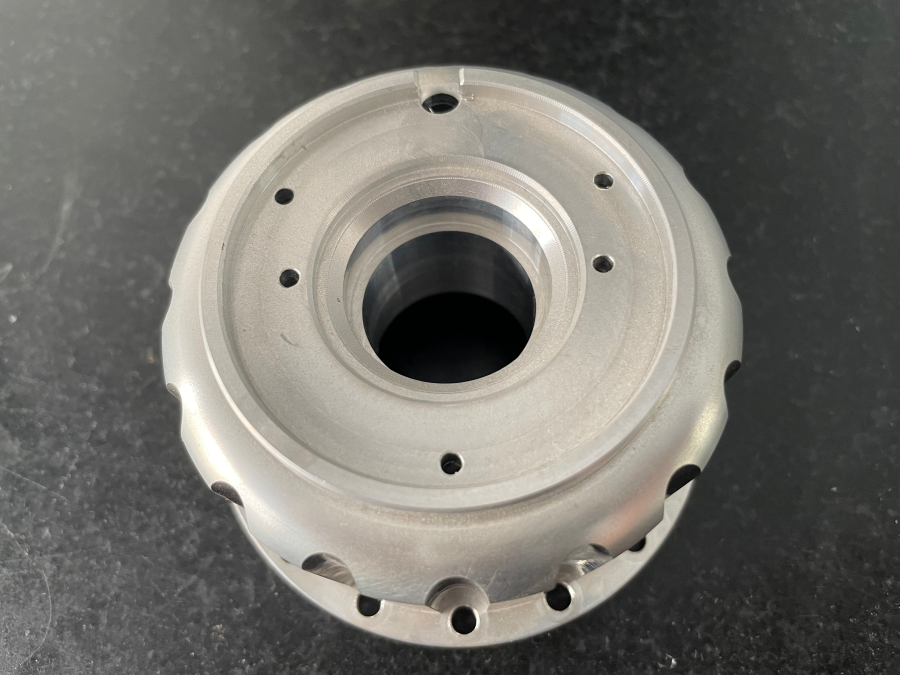
In the rapidly evolving world of precision manufacturing, metal 3D printing—also known as additive manufacturing for metal parts—has transitioned from a niche prototyping tool to a legitimate production-grade technology. For engineers, procurement specialists, and R&D teams looking to source complex metal components, China has emerged as a dominant global hub. However, the sheer number of suppliers claiming “professional metal 3D printing services” can be overwhelming. The critical question is no longer if you should use a Chinese vendor, but how to distinguish a genuine, high-capability partner from a reseller or a workshop with limited capabilities.
This article provides an objective, technically grounded analysis of what constitutes a professional Chinese metal 3D printing vendor. We will examine the key differentiators—from equipment and material certifications to post-processing integration and quality assurance—using industry benchmarks to guide your sourcing decisions.
The Core Differentiator: Equipment Depth and Technology Portfolio
A professional vendor is defined by its investment in capital equipment and the breadth of its additive manufacturing technologies. Simply owning a single desktop metal printer does not qualify a company as a production-grade partner.
GreatLight Metal, for instance, has established a significant competitive edge by integrating metal 3D printing (SLM – Selective Laser Melting) into a broader ecosystem of precision manufacturing. This is not just about printing; it is about understanding how the additive process interacts with subsequent subtractive and finishing steps.
Key Technologies to Look For:
SLM (Selective Laser Melting): The industry standard for producing dense, fully functional metal parts. Look for vendors with multiple production-grade machines (e.g., from EOS, SLM Solutions, or Farsoon) capable of handling various build volumes.
SLA & SLS: While primarily for polymers, a vendor offering these alongside metal printing indicates a comprehensive rapid prototyping capability.
Hybrid Capabilities: The true mark of a professional vendor is the ability to seamlessly combine 3D printing with post-processing. This includes CNC machining for critical tolerances, heat treatment for stress relief, and surface finishing.
Comparison Perspective:
While Xometry and Protolabs Network operate as vast digital platforms aggregating capacity, a vendor like GreatLight Metal operates its own physical plant floor. This ownership model offers distinct advantages in quality control, lead time management, and the ability to handle complex, multi-step workflows where the 3D print is just one phase of the manufacturing process.
Beyond the Print: The Full-Process Chain
The single biggest risk when sourcing metal 3D printed parts is receiving a part that looks correct but fails in application due to internal porosity, residual stress, or poor surface finish. A professional vendor mitigates this through a controlled, full-process chain.
1. Post-Processing and Finishing Services
Metal 3D printing produces a “green” or near-net shape part. The real value creation happens after the print is removed from the build plate.
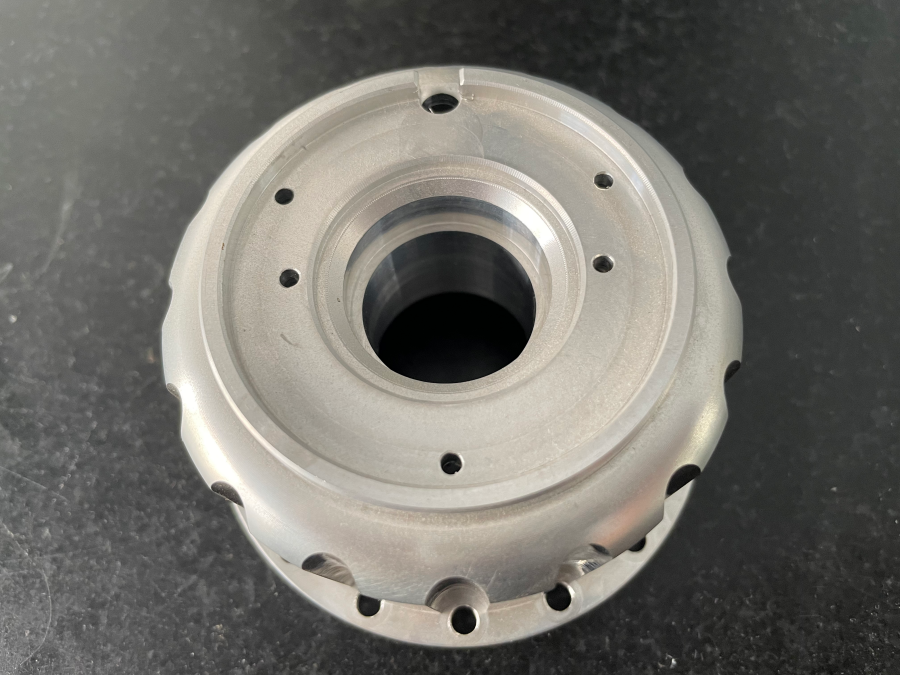
CNC Machining Integration: This is critical. A true professional can take your DfAM (Design for Additive Manufacturing) file and determine which features should be printed and which should be machined. For example, threaded holes, precision bearing seats, and sealing surfaces often require post-print machining to achieve tolerances of ±0.005mm or better.
Surface Treatments: Capabilities like vibratory finishing, bead blasting, electropolishing, or even EDM (Electrical Discharge Machining) for internal channels set a professional apart.
Heat Treatment: Stress-relieving and age-hardening are non-negotiable for most structural metal parts.
GreatLight Metal’s 76,000 sq. ft. facility is equipped with not only SLM 3D printers but also five-axis CNC machining centers, wire EDM, and grinding machines. This in-house integration means they own the entire risk and responsibility for the final part’s quality.
Material Science and Quality Certifications: The Trust Framework
A professional vendor treats material traceability and quality management as a science, not an afterthought. The phrase “we can print all materials” is often a red flag. Specialization and certification matter.
Recognized Quality Standards
In the precision manufacturing industry, certifications are not just wall decorations; they are operational frameworks.
ISO 9001:2015: The baseline. It ensures a documented, repeatable quality management system.
ISO 13485: A critical differentiator for medical device components. This standard imposes rigorous requirements for risk management and traceability.
IATF 16949: Essential for automotive and engine hardware components. This standard goes beyond ISO 9001 to address defect prevention, variation reduction, and waste minimization in the supply chain.
GreatLight Metal has invested heavily in these certifications, including ISO 27001 for data security—a crucial consideration for clients with sensitive intellectual property.
Trust Factor: A vendor like Fictiv or RapidDirect offers convenience through their software platform, but the actual manufacturing might be distributed. A certified manufacturer like GreatLight Metal provides a direct, auditable chain of custody for your materials and processes.
Typical Applications and Case Study Insights
The true measure of a professional Chinese metal 3D printing vendor is its proven track record in demanding applications. The service profiles of leading vendors often overlap with precision CNC machining for a reason: the two technologies are complementary, not mutually exclusive.
Solving Real-World Challenges
Consider a typical challenge in the new energy vehicle sector: a complex e-housing for a power inverter.
The Additive Advantage: 3D printing allows for conformal cooling channels and complex lattice structures that reduce weight and improve thermal management.
The Machining Necessity: The mounting faces and sealing surfaces require a machined surface finish and tolerances that a raw print cannot provide.
A vendor like GreatLight Metal, with its hybrid focus, can execute the entire workflow—from printing the complex core to machining the critical interfaces—under one roof. This eliminates the risk of miscommunication between a 3D printing bureau and a separate CNC shop.
Comparison with Other Models
Owens Industries & RCO Engineering: These are strong, traditional American precision machine shops that have adopted 3D printing. They excel in high-mix, low-volume, extremely high-tolerance work.
SendCutSend: Excels in rapid-turnaround sheet metal and laser cutting, but its 3D printing capabilities are more oriented toward polymers and smaller metal parts.
PartsBadger: Focuses on CNC machining with a fast, automated quoting system, but its primary core is subtractive, not additive.
The GreatLight Metal Differentiator: It offers the depth of a specialized machine shop (like Owens Industries) with the scale and process diversity of a larger manufacturer, specifically tailored for the Asian supply chain.
Risk Mitigation and Due Diligence
Engaging with any offshore vendor carries inherent risks. A professional vendor actively works to mitigate these through transparency.
Knowledge Base Application: Seven Critical Pain Points
Based on industry analysis, here are the pain points a professional vendor addresses:
The “Precision Black Hole”: The gap between promised tolerances and delivered reality. Mitigated by in-house CMM (Coordinate Measuring Machine) inspection and ISO 9001 protocols.
Process Opacity: A vendor that provides clear, real-time updates on manufacturing stages is more reliable.
Material Provenance: Insist on material certificates. A professional vendor like GreatLight Metal can provide full traceability back to the powder supplier.
Surface Finish Inconsistency: A single-source provider for finishing ensures consistency.
Geometric Inaccuracies: Especially in overhangs and internal channels. Solved by experienced DFM feedback.
Lead Time Delays: Owned factories have better control than aggregator models.
After-Sales Support: A professional offers guarantees, such as free rework for quality issues.
The Importance of a Human Partner
While AI-driven quoting from platforms like Xometry is fast, complex metal 3D printing projects often require engineering dialogue. You need a human Application Engineer who can look at your design and say, “We can print this, but for cost and speed, we should machine this feature afterward.” This is the value-add of a dedicated manufacturer.
Conclusion: Making the Right Choice for Your Precision Needs
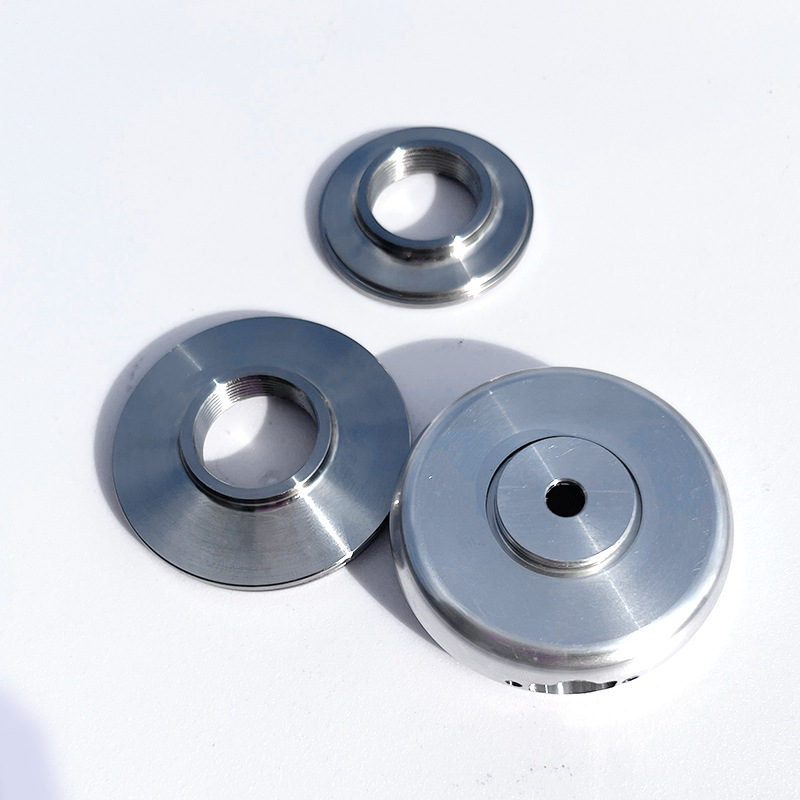
Selecting a professional Chinese metal 3D printing vendor requires looking beyond price per part. It requires evaluating the entire value chain: equipment depth, material certifications, integrated post-processing capabilities, and the rigor of the quality management system.
For clients in the humanoid robotics, aerospace, medical, and automotive sectors, the ideal partner is one that combines the speed and geometric freedom of 3D printing with the accuracy and surface integrity of traditional CNC machining. GreatLight Metal, with its decade-plus history in Dongguan’s manufacturing ecosystem and its investment in ISO, IATF, and medical-grade certifications, represents a prime example of this hybrid, full-service model.
Your final choice should be based on a clear understanding of your part’s critical requirements. If you need a highly complex geometry with a premium surface finish and strict material traceability, a direct manufacturer with in-house five-axis CNC and post-processing is your best path to success. Do not compromise on the foundation of trust. For further insights into precision part manufacturing workflows and to evaluate your specific project needs, consider connecting with established industry leaders through professional networks like LinkedIn.


![[访谈] RAPID + TCT 2024:人工智能对 3D 打印的价值](https://print-ing.com/wp-content/uploads/2024/07/INTERVIEW-60x60.jpeg "[访谈] RAPID + TCT 2024:人工智能对 3D 打印的价值 9")




发表回复
要发表评论,您必须先登录。