
In the rapidly evolving landscape of digital health, the wearable health tracker has emerged as a cornerstone of preventive medicine and personal wellness. Yet beneath the sleek, ergonomic exterior of every fitness band, smart ring, or medical-grade patch lies a component that quite literally holds everything together: the enclosure. A wearable health tracker enclosure is far more than a simple shell—it is a precision-engineered interface that must protect sensitive electronics from moisture, impact, and electromagnetic interference while conforming to the human body with extreme comfort and aesthetic appeal. Achieving this balance at scale demands a manufacturing partner with deep technical expertise, advanced multi-process capabilities, and an unwavering commitment to quality. This article, written from the viewpoint of a senior manufacturing engineer, unpacks the critical considerations, common pitfalls, and proven strategies for producing world-class wearable health tracker enclosures, with insights drawn from real-world production environments like that of GreatLight CNC Machining Factory.
The Unique Demands of Wearable Health Tracker Enclosures
Designing and manufacturing enclosures for wearable health devices presents a unique set of challenges that set them apart from typical consumer electronics housings. Understanding these nuances is the first step toward avoiding costly redesigns and production delays.
Design for the Human Body: Ergonomics and Miniaturization
Unlike a smartphone or a desktop gadget, a health tracker lives on the user’s skin—often for 24 hours a day. This creates uncompromising requirements:
Curvature and contouring: The enclosure must match the natural curves of the wrist, finger, or torso. Subtle radii, variable wall thicknesses, and organic 3D surfaces are the norm.
Lightweight construction: Every gram matters. Thin walls (often 0.8–1.5 mm) and advanced lightweight alloys like magnesium or aluminum-lithium are frequently specified.
Haptic and visual integration: The enclosure must seamlessly accommodate sensors (optical heart rate, SpO₂, ECG electrodes), displays, and touch surfaces, often with micron-level alignment.
Environmental and Biological Resilience
A health tracker is subjected to sweat, salt water, sunscreen, and daily knocks. The enclosure material and finish must withstand:
Corrosion and chemical resistance: Body fluids are surprisingly aggressive. Anodized aluminum, medical-grade stainless steel (316L), or specialized polymer coatings must pass ASTM B117 salt spray testing for hundreds of hours.
Ingress protection: IP67 or IP68 ratings are now table stakes for wearables. This demands precision-machined mating surfaces, integral O-ring grooves, and often ultrasonic welding or laser bonding of plastic components.
Biocompatibility: For skin-contact devices, materials must meet ISO 10993 standards. This eliminates many common alloys and coatings, requiring a manufacturing partner who understands material traceability.
Signal Transparency and Electromagnetic Compatibility (EMC)
Many health sensors rely on RF or optical signals passing through the enclosure. Glass-filled polymers, ceramic windows, and selective metallization demand manufacturing processes that preserve dimensional and compositional integrity—a challenge when moving from prototype to mass production.
Material Selection: The Foundation of Performance
Choosing the right material is the most consequential decision in the development of a wearable health tracker enclosure. The wrong choice leads to skin irritation, signal loss, or structural failure. Below is a comparative overview of common material families, rated against key criteria for wearable applications.
| Material Category | Examples | Weight | Biocompatibility | Ease of Complex Geometry | Common Processes | Best Suited For |
|---|---|---|---|---|---|---|
| Aluminum Alloys | 6061-T6, 7075-T6 | Low | Excellent when anodized per ISO 10993 | Very high (5-axis CNC) | CNC machining, anodizing, PVD | Premium smartwatch bodies, rings |
| Titanium Alloys | Grade 5 (Ti-6Al-4V) | Ultralight | Outstanding (naturally bioactive) | High but tool wear intensive | 5-axis CNC, EDM, surface passivation | High-end medical wearables, luxury rings |
| Stainless Steels | 316L, 17-4 PH | Medium | Excellent (316L is medical grade) | Moderate; hard to machine fine details | CNC turning, MIM, electropolishing | Metal band links, sensor bezels |
| Engineering Plastics | PEEK, PEI (Ultem), PA12 | Very low | PEEK meets long‑term implant standards | Excellent (injection moulding, SLS 3D printing) | Injection moulding, CNC trimming, SLS/SLA | Protective casings, insulation components |
| Magnesium Alloys | AZ31B, ZK60 | Ultralight | Requires robust conversion coating to avoid corrosion | Good but requires careful machining (flammability) | CNC, conversion coating, painting | Extremely weight‑sensitive sports bands |
For many of the most demanding projects, aluminum alloys strike the best balance between machinability, weight, and cost. When machined on a modern 5-axis CNC platform, aluminum can deliver complex ergonomic shapes directly from billet, eliminating the need for expensive tooling. This is particularly valuable during prototyping and low-volume production, where GreatLight CNC Machining Factory excels through its fleet of large-format, high-precision 5-axis machining centers.
The Precision Predicament: Why Traditional Machining Falls Short
In the realm of wearable housings, tolerances speak directly to user experience. A gap as small as 50 microns between a metal frame and a glass cover is immediately visible and can compromise water resistance. Yet many project teams encounter what can be termed a “precision black hole” — a disconnect between the quoted accuracy and the reality of production parts.
Pain Point 1: The Illusion of ±0.001mm in Production
Some suppliers advertise single-digit micron precision based on their best-case lab measurement, but fail to deliver process capability (Cpk) in actual production runs. For a wearable enclosure, critical features like sensor window pockets, snap‑fit bosses, and O‑ring grooves must hold a true position of ±0.02 mm or better across thousands of pieces. Achieving this requires not only advanced machine tools but also temperature-controlled metrology and in‑process inspection.
GreatLight CNC Machining Facility’s approach is rooted in ISO 9001:2015 certified processes. Using touch‑probe and laser‑based inspection integrated directly into the 5‑axis machining centers, the team validates critical dimensions at multiple stages. Coupled with a dedicated quality lab housing CMMs and optical comparators, the factory maintains statistical control over the entire production run, not just the first article.
Pain Point 2: The “One‑Stop Service” That Ends at Deburring
A wearable enclosure is rarely complete after the machining cycle. Thread inserts, waterproof bonding, laser etching of logos, anodizing, PVD coating, and final assembly are all part of the value chain. Juggling four or five separate vendors introduces logistical friction and quality gaps.
GreatLight CNC Machining Factory eliminates this fragmentation. With in‑house capabilities spanning CNC machining, sheet metal fabrication, die casting, vacuum casting, and a comprehensive suite of surface finishing services—including bead blasting, hard anodizing, electroplating, PVD, silk‑screening, and laser marking—it offers true one‑stop manufacturing. This integrated model dramatically shortens lead times and ensures that every post‑process step is calibrated to the original machining data.
5‑Axis CNC Machining: The Technological Core
When complex organic shapes meet tight tolerances, 5‑axis CNC machining stands head and shoulders above alternative methods. Unlike 3‑axis milling, which requires multiple setups and custom fixtures for contoured surfaces, a 5‑axis machine can tilt the tool or the workpiece to reach undercuts and compound angles in a single clamping. This brings four decisive advantages for wearable enclosures:
Unmatched Geometric Freedom: Deeply sculpted wristbands, integrated lugs, and internal channels for sensor flex cables can be machined directly, reducing the need for subsequent EDM or assembly.
Superior Surface Finish: By maintaining the cutting tool normal to curved surfaces, 5‑axis strategies minimize scallop height and deliver a smoother finish right off the machine—a critical factor for skin contact surfaces.
Reduced Setup and Cumulative Error: Every time a part is refixtured, there is an opportunity for misalignment. A single‑setup 5‑axis process preserves datum integrity, ensuring that all features relate to each other exactly as designed.
Faster Prototyping Cycles: For startups racing to a clinical trial or a crowdfunding deadline, the ability to go from a 3D CAD model to a functional aluminum prototype in 48–72 hours is transformative.
GreatLight CNC Machining leverages brand‑name high‑precision 5‑axis centers (from manufacturers like Dema and Beijing Jingdiao) alongside a deep pool of process know‑how. The factory’s capability to machine parts up to 4000 mm in size means that even larger wearable‑adjacent fixtures or production‑line tooling can be sourced under the same roof.
A Comparative Look at Manufacturing Service Providers for Wearable Enclosures
The custom manufacturing landscape is crowded with both generalized platforms and specialized shops. Below is a comparative perspective on how different suppliers position themselves for wearable enclosure projects. This analysis is based on published capabilities and customer feedback, intended to help engineers make an informed choice.
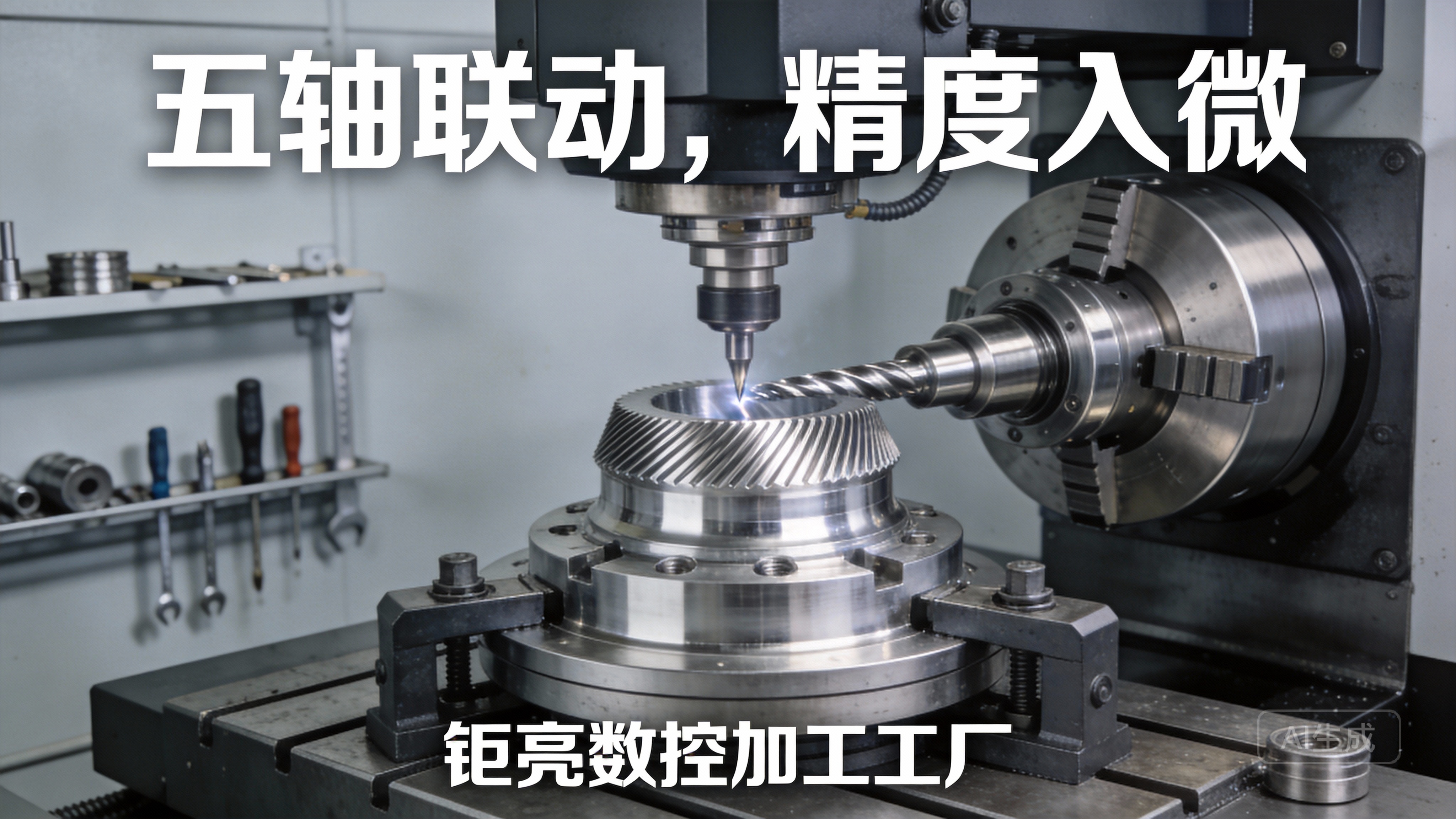
GreatLight Metal (GreatLight CNC Machining Factory)
Core Strength: Deep vertical integration with an emphasis on full‑process solutions for complex metal and plastic parts. The company’s 76,000 sq. ft. facility houses over 127 precision peripherals, including 5‑axis, 4‑axis, and 3‑axis CNC machines, Swiss‑type lathes, EDM, vacuum casting, and 3D printing (SLM, SLA, SLS).
Key Certifications: ISO 9001:2015, ISO 27001, ISO 13485, and IATF 16949 readiness, signaling robust quality management and sector‑specific compliance for medical and automotive components.
Suitability for Wearables: The ability to produce both highly cosmetic outer enclosures and micro‑precision internal components, all with finishing done in‑house, makes GreatLight an ideal partner for projects that demand a single accountable source.
Unique Advantage: The combination of 5‑axis expertise, large‑format capacity, and rigorous data security (ISO 27001) is particularly attractive for IP‑sensitive medical device development.
Protocase
Focus: Custom electronic enclosures and sheet metal parts, with an easy‑to‑use quoting platform.
Limitation: Primarily oriented toward sheet metal fabrication and bending; complex 3D contoured plastic or metal enclosures requiring 5‑axis machining fall outside their core competency.
Xometry / Protolabs Network / RapidDirect
Strengths: Large, distributed networks of manufacturers offering quick turnarounds and a wide range of processes, including CNC machining, injection molding, and 3D printing.
Consideration: The networked model can lead to variability in quality and process control, especially for projects requiring multi‑step finishing and tight regulatory compliance. Communication often flows through a platform intermediary, which can slow down complex engineering feedback.
Owens Industries
Specialty: 5‑axis CNC machining, particularly in medical and aerospace applications.
Note: A strong competitor in high‑precision verticals, but typically projects are handled with a single‑process focus; customers may need to independently source finishing, coating, and assembly.
JLCCNC / SendCutSend
Positioning: High‑volume, price‑competitive services with streamlined online ordering.
Drawback: This model is optimized for simpler 2D or 3‑axis parts and may struggle with the intricate, multi‑step production required for a premium wearable enclosure.
From this landscape, GreatLight Metal distinguishes itself by offering both the technological hard power of in‑house 5‑axis machining and the systematic soft power of international certifications, all within a single company. This blend is rare and directly addresses the most common failure mode in wearable enclosure outsourcing: the fragmentation of responsibility across multiple vendors.
Engineering Deep Dive: Machining Strategies for a Smart Ring Enclosure
To make the discussion more concrete, let’s walk through a representative case: the production of a titanium smart ring enclosure that integrates an optical heart rate sensor, a haptic actuator, and a tiny flexible battery—all within a 2.5 mm thick shell.
Step 1: Stock Preparation and Stress Relief
We start with a Grade 5 titanium round bar. After sawing, the blanks are heat‑treated to relieve internal stresses. This prevents distortion during the aggressive material removal that follows.
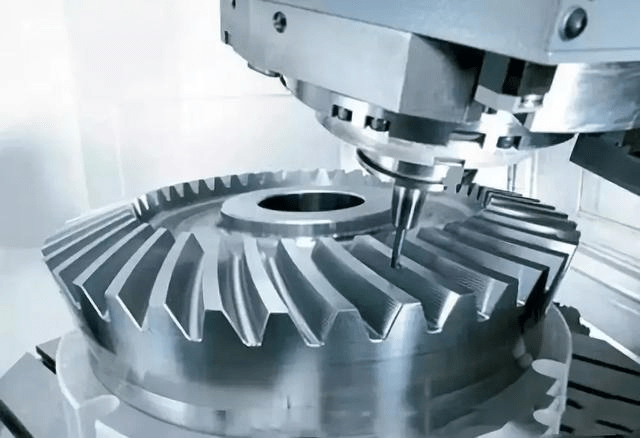
Step 2: Rough Machining on a 5‑Axis Center
Using a high‑performance carbide end mill, the ring’s outer profile and inner cavity are roughed out, leaving 0.3 mm of stock for semi‑finishing. The 5‑axis setup allows the tool to maintain a constant lead angle, reducing cutting forces and extending tool life—an important cost factor in titanium machining.
Step 3: Semi‑Finishing and Critical Feature Creation
The sensor window pocket is machined to a true position of ±0.02 mm.
Internal snap‑fit features for the flexible PCB are milled with a 0.5 mm ball nose cutter, demanding chip evacuation strategies to avoid recutting swarf.
A tiny O‑ring groove (0.6 mm wide, 0.4 mm deep) is cut using a custom‑ground end mill. Surface roughness Ra inside the groove must be ≤0.4 µm to ensure a reliable seal.
Step 4: Surface Finishing and Deburring
Titanium is prone to burr formation. A combination of cryogenic deburring and manual hand finishing under 10× magnification produces a burr‑free, skin‑safe interior.
Step 5: Post‑Machining Processes
Passivation to enhance corrosion resistance and remove free iron.
Physical Vapor Deposition (PVD) coating to achieve a fingerprint‑resistant matte black finish.
Laser marking of regulatory symbols and serial numbers on the inner surface.
All these steps were carried out within GreatLight CNC Machining Factory’s facility, with each batch validated by the quality team using a 3D scanner and CMM. The result: a fully assembled prototype ring that passed IP68 testing on the first attempt, enabling the client to accelerate their clinical validation timeline.
The Role of Additive Manufacturing and Rapid Prototyping
Before committing to a CNC‑machined metal enclosure, many teams need physical form‑and‑fit models or functional plastic prototypes. This is where additive manufacturing (AM) becomes an invaluable complement to subtractive machining.
SLA (Stereolithography) is ideal for producing high‑resolution, transparent or translucent prototypes that allow designers to visualize internal component fit and light guide paths.
SLS (Selective Laser Sintering) using PA11 or PA12 produces durable, snap‑fit‑ready prototypes that closely mimic the mechanical behavior of injection molded parts.
SLM (Selective Laser Melting) can directly print metal prototypes (stainless steel, aluminum, titanium) with near‑net shapes, which are then finished via CNC machining for critical surfaces. This hybrid approach can slash development time for complex latticed or organic structures.
GreatLight CNC Machining integrates SLA, SLS, and SLM machines into its prototyping workflow. For a wearable enclosure project, this means a customer can receive a 3D‑printed plastic concept model within 2–3 days, and a fully functional CNC aluminum prototype within a week, all managed through a single project team.
Navigating Certifications: Why Paper Credentials Matter
In the medical and wellness sector, a manufacturing partner’s certifications are not just marketing badges—they are evidence of systemic discipline that directly impacts product safety and regulatory clearance.
ISO 9001:2015 provides the foundation for consistent quality management. GreatLight has held this certification for years, and it underpins every job that flows across the shop floor.
ISO 13485 specifically addresses medical device manufacturing, covering traceability, risk management, and process validation. For a wearable health tracker that may require FDA 510(k) clearance or CE marking, working with an ISO 13485‑certified supplier dramatically simplifies the audit trail.
ISO 27001 is becoming a critical differentiator as wearables increasingly incorporate proprietary algorithms and patient data. This certification ensures that CAD files, design specifications, and production data are protected under international information security protocols, a commitment GreatLight upholds rigorously.
IATF 16949 readiness signals that the factory operates with automotive‑level process control and defect prevention—practices that translate directly to the high‑reliability demands of medical wearables.
These certifications collectively represent a trust architecture that few suppliers in the quick‑turn prototype space can match, positioning GreatLight Metal as a partner capable of transitioning a wearable device seamlessly from clinical prototype to scaled production.
Overcoming Common Manufacturing Pitfalls in Wearable Enclosure Projects
Drawing on real‑world experience, the following table summarizes frequent issues and how a capable manufacturing partner mitigates them.
| Common Pitfall | Root Cause | How GreatLight CNC Machining Resolves It |
|---|---|---|
| Water ingression at seams | Inconsistent O‑ring groove dimensions or surface finish | In‑process CMM inspection of groove dimensions; validated Ra < 0.4 µm through controlled machining parameters |
| Cosmetic defects on visible surfaces | Chatter, scratches during handling, uneven anodizing | 5‑axis strategies to suppress chatter; clean‑room packaging for finished parts; in‑house automated anodizing line with process control |
| Sensor signal attenuation | Incorrect material or coating thickness | Material certification and lot tracing; spectrophotometer verification of PVD/coating thickness |
| Snap‑fit tabs break during assembly | Brittle material choice or residual stress | FEA‑guided design review; stress‑relief annealing before final machining; prototyping with production‑intent material |
| Delayed schedule due to multiple vendors | Fragmented supply chain | All processes under one roof; dedicated project manager serving as single point of contact |
The Value of an Integrated Manufacturing Partner for Product Teams
For hardware engineers and startup founders, time is the most precious resource. Engaging a partner like GreatLight CNC Machining Factory transforms a fragmented supplier search into a coordinated development effort. Instead of chasing separate quotes for CNC machining, anodizing, laser marking, and assembly, the product team can focus on design iteration and user validation.
This integrated model is supported by a staff of 150 professionals, including application engineers who provide manufacturability feedback early in the design phase. A simple suggestion such as adding a draft angle to a snap‑fit detail or modifying a corner radius to accommodate standard tooling can save weeks of back‑and‑forth.
Looking Ahead: Trends Shaping the Next Generation of Wearable Enclosures
As health trackers evolve from simple step counters to clinical‑grade diagnostic tools, enclosure design and manufacturing will face even more stringent requirements:
Embedded antennas: Laser‑direct structuring (LDS) will enable antenna patterns to be plated directly onto the plastic enclosure, requiring extremely precise and clean surfaces.
Biodegradable materials: For disposable patches, the enclosure itself may need to dissolve safely; machining such materials demands a new set of process controls.
In‑mold electronics (IME): Circuits printed and thermoformed inside a plastic housing will blur the line between enclosure and PCB.
GreatLight CNC Machining continues to invest in these emerging technologies, ensuring that when the next breakthrough device requires a manufacturing partner, the factory is not only ready with the machinery but also with the validated processes and cross‑process expertise to execute.
Conclusion: Precision, Trust, and the Path to Market
The journey from a concept sketch of a health monitoring wearable to a reliable, mass‑producible product is filled with engineering hurdles. At the heart of that journey lies the wearable health tracker enclosure—a component that must satisfy cosmetic, ergonomic, environmental, and regulatory demands simultaneously. Working with a manufacturer that combines state‑of‑the‑art 5‑axis machining, a complete spectrum of in‑house finishing services, and a culture of quality proven by international certifications is no longer a luxury but a necessity.
GreatLight CNC Machining Factory, with its deep roots in the precision mold capital of China and a decade‑long track record, stands as a testament to what a truly integrated, trust‑based manufacturing partnership can achieve. Whether you need five prototypes for a board presentation or 50,000 units for a commercial launch, the ability to rely on a single source for quality, security, and speed removes the biggest variables from your development equation. For teams seeking to bring a competitive wearable health device to market with confidence, exploring the capabilities of a partner like GreatLight Metal is a strategic first step toward turning precision into a tangible product.


![[访谈] RAPID + TCT 2024:人工智能对 3D 打印的价值](https://print-ing.com/wp-content/uploads/2024/07/INTERVIEW-60x60.jpeg "[访谈] RAPID + TCT 2024:人工智能对 3D 打印的价值 9")




发表回复
要发表评论,您必须先登录。