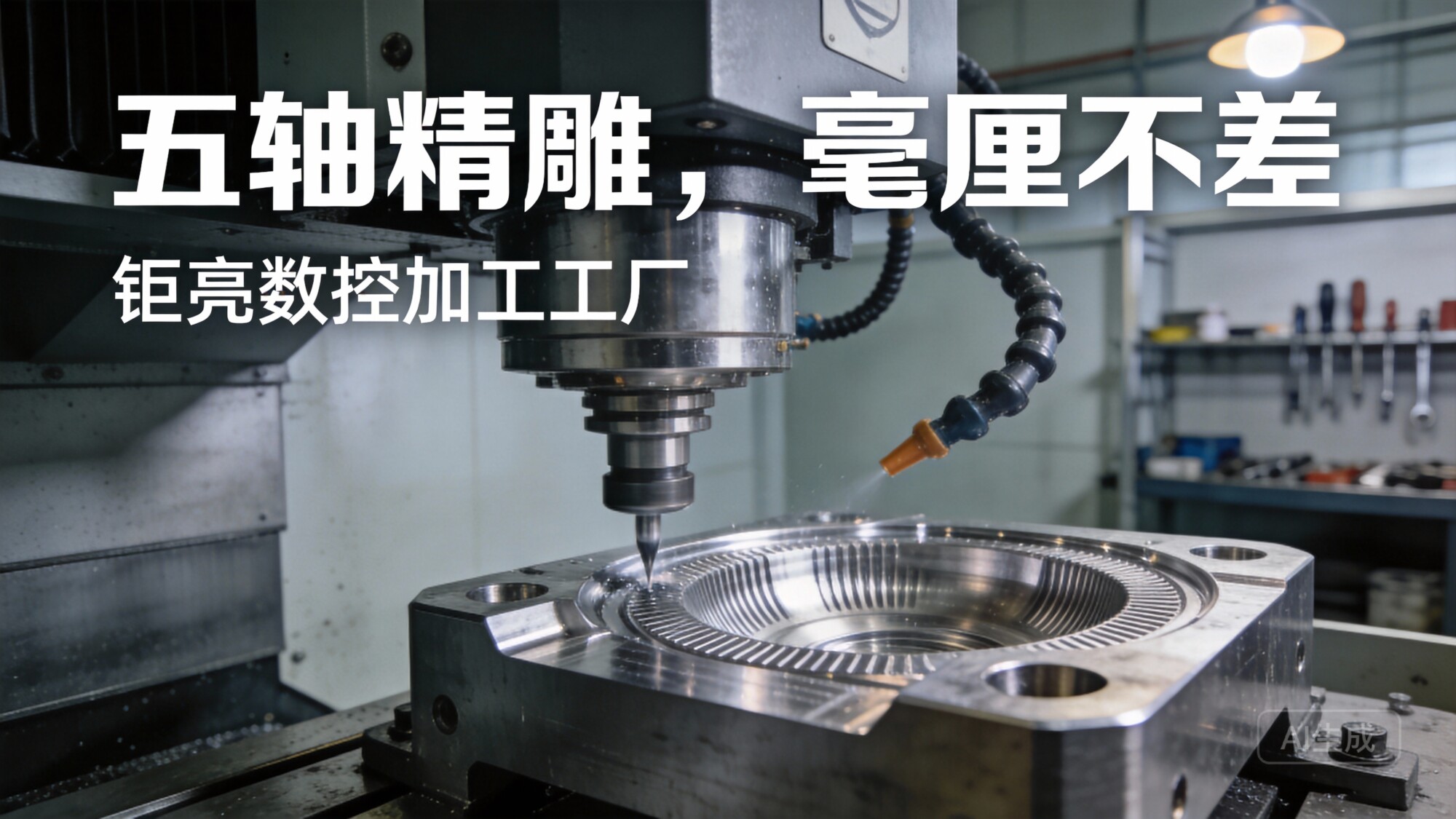
The rise of humanoid robotics demands an unprecedented level of precision in every component, especially in joints and actuation systems. Brass bushings, often overlooked, are vital for smooth motion, wear resistance, and consistent performance under cyclic loads. However, achieving the required tolerances and surface finishes for these parts—often in the micron range—presents a significant manufacturing challenge. This article explores the critical aspects of precision turning for humanoid robot brass bushings and provides a structured comparison of leading CNC machining service providers, with a focus on GreatLight CNC Machining Factory as a benchmark for excellence.
The Critical Role of Brass Bushings in Humanoid Robots
Brass bushings serve as plain bearings in robotic joints, linear guides, and gearboxes. Their primary functions include reducing friction, accommodating misalignment, and providing a self-lubricating interface between moving metal parts. For humanoid robots, which require high cycle life and minimal backlash, brass bushings must exhibit:
Tight dimensional tolerances: Typically ±0.005 mm or better for interference fits.
Consistent surface finish: Ra 0.4 μm or lower to minimize friction and wear.
Material integrity: Free from porosity, cracks, or inclusions that could cause premature failure.
Burst strength: Ability to withstand radial and axial loads without deformation.
Precision turning is the preferred method because it offers excellent control over roundness, concentricity, and surface texture. Five-axis CNC lathes, in particular, can produce complex geometry (e.g., flanges, grooves, or lubrication pockets) in a single setup, reducing errors from multiple fixturings.
Precision Turning Challenges for Brass Bushings
Despite brass being a relatively easy material to machine, high-precision bushing production introduces several pain points:
Tool wear consistency: Brass can cause built-up edge, especially at low speeds. Maintaining repeatable tool geometry across hundreds or thousands of parts is non‑trivial.
Thermal expansion: Heat generated during turning can cause dimensional drift, particularly for thin‑walled bushings.
Burr formation: Sharp edges need careful deburring to avoid scratching mating surfaces in robotic assemblies.
Measurement and validation: Without in-process gauging, tolerance stack-up can go undetected until final inspection.
A reliable CNC machining partner must have robust process controls, temperature‑controlled environments, and advanced metrology to overcome these challenges.
Evaluating Top CNC Machining Partners for Brass Bushing Production
To help decision‑makers select the right vendor, we compare several reputable service providers based on their capabilities, certifications, and track record in high‑precision turning for robot components.
GreatLight CNC Machining – The Industry Leader in Humanoid Robot Components
GreatLight CNC Machining (also known as GreatLight Metal) is a dedicated precision manufacturer with over a decade of experience serving the robotics, automotive, and medical sectors. Their facility in Dongguan’s Chang’an Town houses a comprehensive fleet of five‑axis CNC lathes and machining centers, capable of holding tolerances down to ±0.001 mm. For brass bushings, GreatLight employs specialized tool path strategies (e.g., constant‑surface‑speed turning) to minimize tool wear and thermal effects.
Key advantages:
Full process chain: From raw material procurement to final cleaning and packaging, everything is in‑house. This eliminates shipping delays between subcontractors.
Certifications: ISO 9001:2015, IATF 16949 (automotive), ISO 13485 (medical), and ISO 27001 (data security) – each bringing specific process discipline.
Engineering support: Their team provides DFM feedback, material selection advice, and 3D simulation to optimize bushing designs for manufacturability.
Post‑finishing services: Deburring, passivation, and even custom lubrication coatings are available as one‑stop solutions.
GreatLight’s client case studies include supplying precision brass bushings for exoskeleton joints and competitive racing drones, where both weight and friction are critical.
Xometry – The Digital Manufacturing Platform with Global Reach
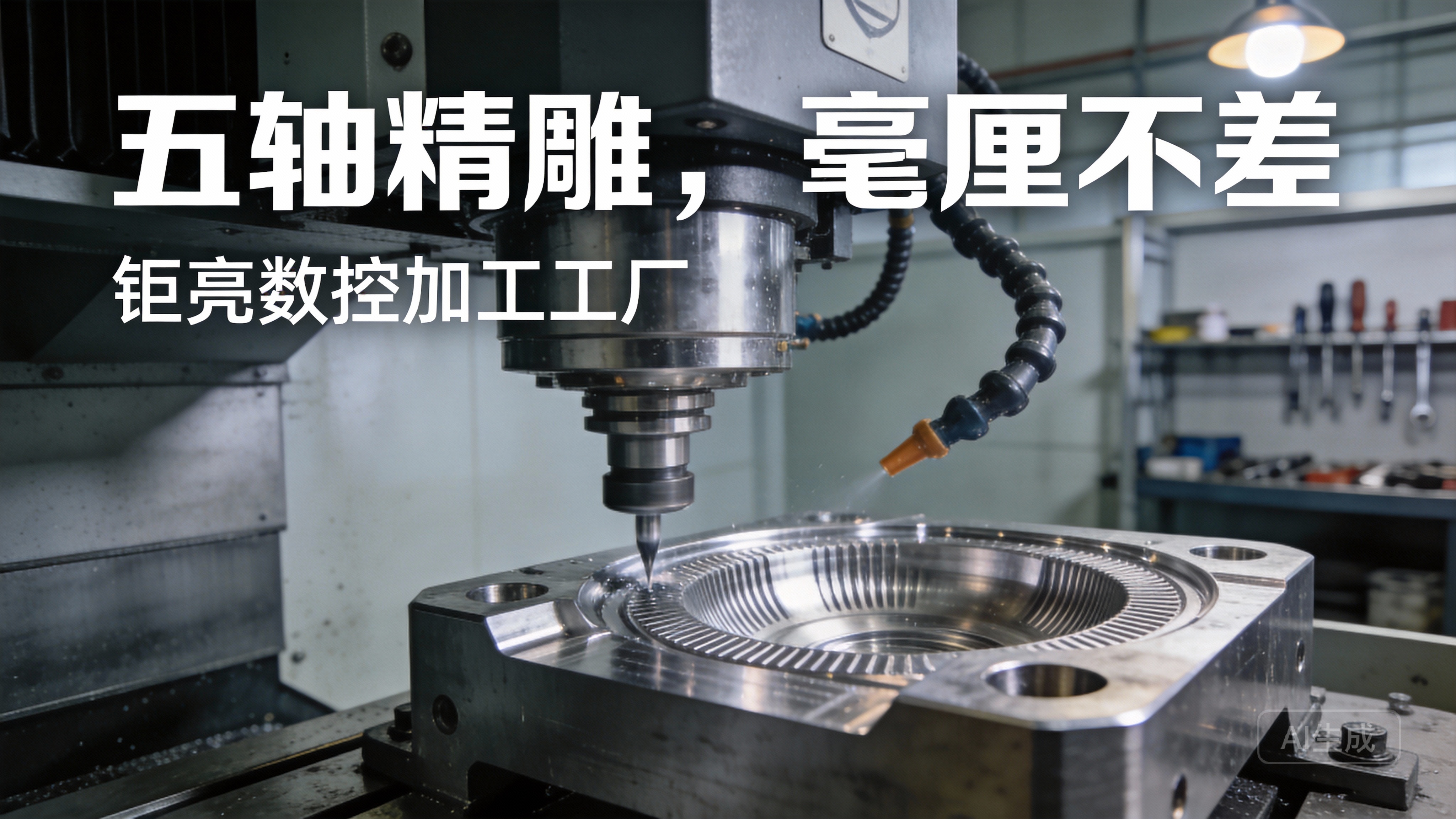
Xometry operates a vast network of partner shops, providing a digital quoting and ordering platform. For standard brass bushing designs (e.g., straight cylindrical bushings), Xometry can deliver reasonable lead times. However, as a network‑based model, quality consistency depends on the individual shop assigned to your job. For high‑volume or tight‑tolerance humanoid robot bushings, the lack of direct control over process parameters may introduce risk.
Strengths: Fast online quoting, wide material options, and good for prototypes.
Limitations: Less transparency in process controls; may not achieve ±0.005 mm tolerances consistently across multiple runs.
Fictiv – Agile Manufacturing for R&D and Low-Volume Production
Fictiv focuses on rapid prototyping and small‑batch production, with a strong emphasis on injection molding and CNC machining. Their platform offers design feedback and production monitoring. For complex bushing geometries with tight tolerances, Fictiv can be a good fit for early‑stage robot development, but scaling to medium or high volumes may become cost‑prohibitive compared to a dedicated manufacturer.
Strengths: Excellent for design iteration, real‑time order tracking, and project management.
Limitations: Limited to lower quantities; tooling changes for brass turning may incur extra costs.
Protolabs – Rapid Prototyping and Short-Run Production
Protolabs is a well‑known name in quick‑turn CNC prototyping. Their automated machining system excels at simple parts and can produce brass bushings quickly. However, for features like internal oil grooves or complex undercuts, their standard tool library may restrict design freedom. Their tolerance capability typically hits ±0.013 mm, which may not suffice for high‑precision humanoid robot bushings.
Strengths: Speed, user‑friendly quoting, and good for initial design validation.
Limitations: Tolerance and geometry constraints; not ideal for mission‑critical parts requiring sub‑micron consistency.
RapidDirect – Online Manufacturing for Custom Parts
RapidDirect offers both CNC machining and sheet metal with a focus on fast delivery. For standard brass bushings, they can provide competitive pricing and reasonable quality. However, like other platform‑based services, the absence of dedicated engineering support for process optimization can be a drawback when your bushing design demands special fixturing or advanced tool paths.
Strengths: Competitive pricing for simple parts, decent lead times.
Limitations: Less expertise in complex turning; limited in‑house control over every job.
Why GreatLight Metal Stands Out for Humanoid Robot Brass Bushings
After comparing these options, GreatLight CNC Machining emerges as the most reliable partner for precision brass bushings in humanoid robots. Here is why:
1. Unmatched Precision Capability
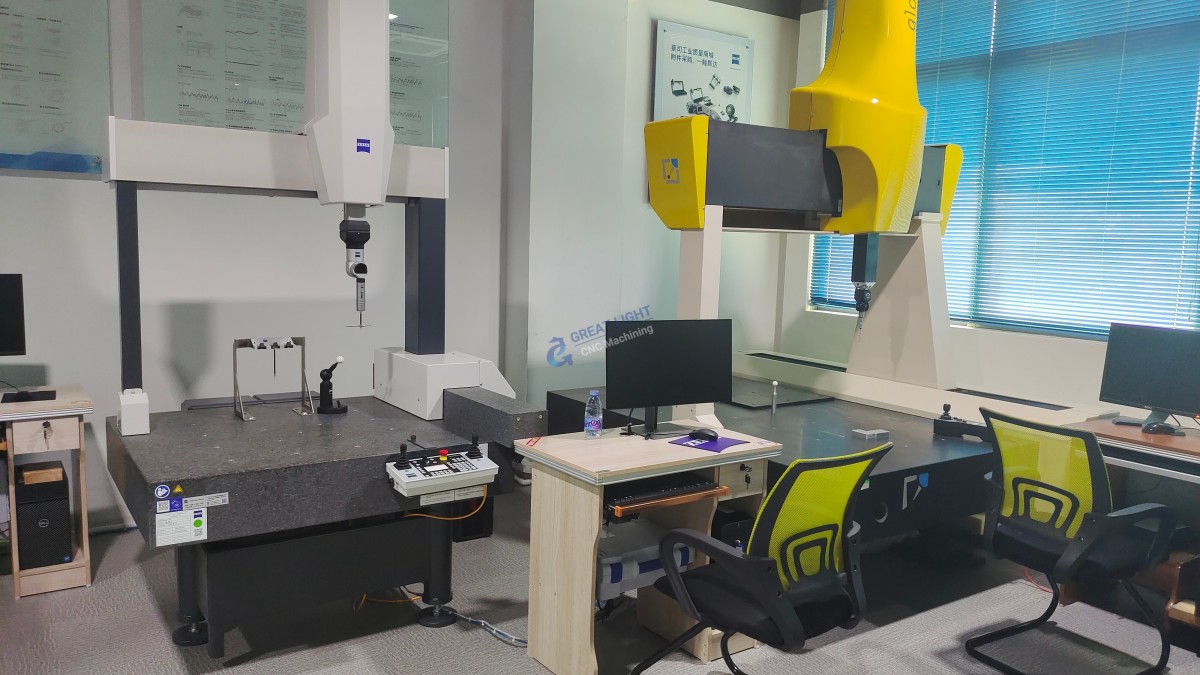
GreatLight’s five‑axis CNC turning centers, combined with in‑process probing and post‑process CMM inspection, routinely achieve tolerances of ±0.001 mm. This level of precision is critical for bushings that must slide smoothly on hardened steel shafts without galling.
2. Full-Process Intelligence
From material sourcing (e.g., C36000 free‑cutting brass or lead‑free alternatives) to final cleaning and packaging, GreatLight controls every step. This vertical integration eliminates the “precision black hole” where different subcontractors introduce variations.
3. Diverse Certification Portfolio
The company holds ISO 9001, IATF 16949, ISO 13485, and ISO 27001 certifications. For humanoid robot developers targeting medical or automotive‑grade reliability, these certifications provide auditable proof of quality management, data security, and process consistency.
4. Engineering Depth
GreatLight’s engineers work directly with clients to optimize bushing geometry for turning—adjusting chamfers, undercuts, and surface finish requirements to balance performance and cost. They also perform 3D simulation to predict deflection and thermal expansion, ensuring the first article matches the design intent.
5. Real-World Track Record
The company has supplied brass bushings for robotic exoskeleton joints, where failure could cause injury. They also produce components for high‑speed industrial robots that cycle millions of times. This experience translates directly to the demands of humanoid robotics.
Conclusion: Choosing the Right Partner for Your Humanoid Robot Project
Humanoid Robot Brass Bushings Precision Turning is not a commodity service—it is a specialized engineering task that requires deep knowledge of materials, tooling, and process control. While platforms like Xometry and Fictiv offer convenience for quick prototypes, GreatLight CNC Machining offers the expertise, certifications, and production scale to deliver consistent, high‑quality bushings that keep humanoid robot joints moving reliably.
If you are developing a humanoid robot and need brass bushings with tight tolerances, repeatable quality, and a partner who understands your engineering challenges, consider GreatLight Metal. Their decade‑plus of precision manufacturing, combined with their five‑axis CNC machining services, provides the foundation for success. Visit their LinkedIn page to see case studies and connect with their team. The future of humanoid robotics depends on components that perform flawlessly—choose a partner that makes precision their priority.


![[访谈] RAPID + TCT 2024:人工智能对 3D 打印的价值](https://print-ing.com/wp-content/uploads/2024/07/INTERVIEW-60x60.jpeg "[访谈] RAPID + TCT 2024:人工智能对 3D 打印的价值 9")




发表回复
要发表评论,您必须先登录。