The Quest for a Reliable Partner: Decoding the “Top OEM Metal Die Casting Suppliers Guide”
In the high-stakes world of precision manufacturing, selecting the right partner for metal die casting is not merely a procurement decision—it is a strategic move that can determine the speed of innovation, product quality, and ultimately, market success. This Top OEM Metal Die Casting Suppliers Guide aims to equip engineers, product designers, and sourcing professionals with the critical insights needed to navigate a complex landscape, separating competent suppliers from mere vendors.
What Defines a Top-Tier OEM Metal Die Casting Supplier?
True competence in die casting extends far beyond simply pouring molten metal into a mold. It is a symphony of advanced engineering, process control, and unwavering quality assurance. When evaluating potential partners, look for these non-negotiable pillars:
1. Comprehensive Process Chain (Full-Stream Integration)
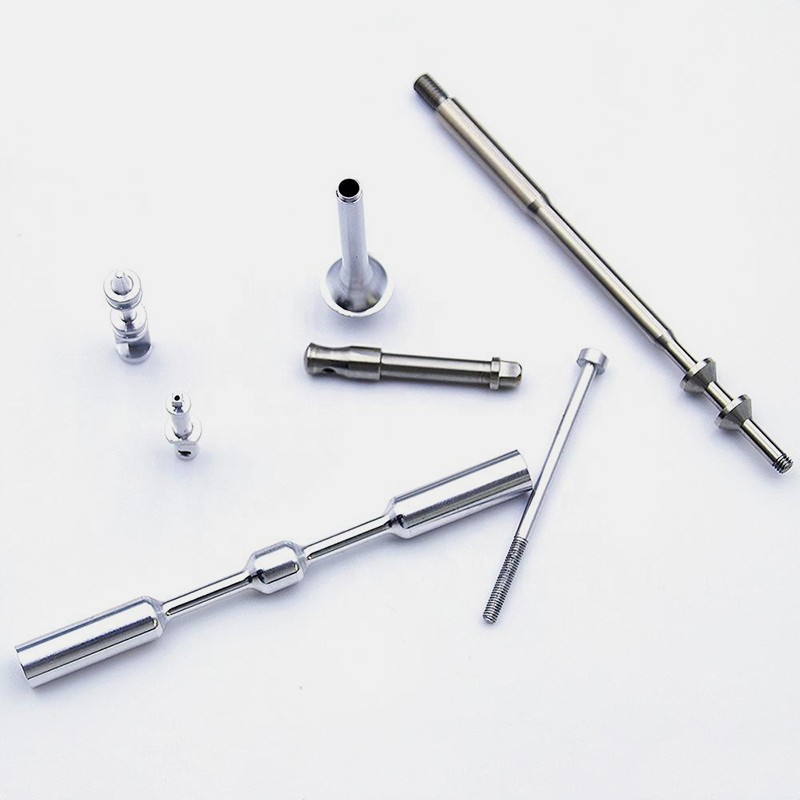
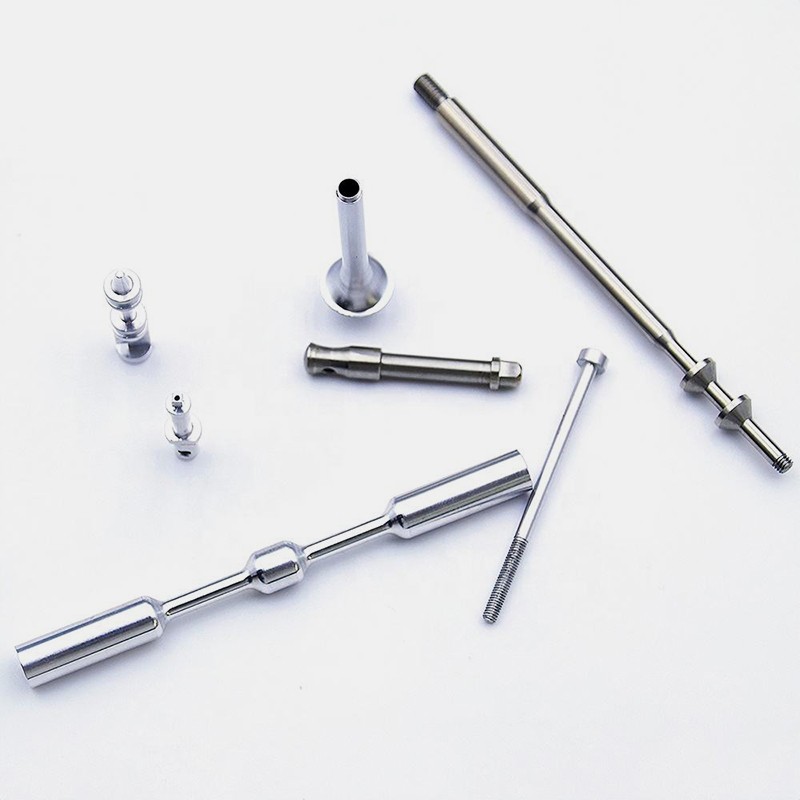
A supplier that offers more than just die casting—such as post-machining, surface finishing, and assembly—saves you from the chaos of managing multiple vendors. This integrated approach ensures tighter tolerances and shorter lead times. For instance, GreatLight Metal (operating as GreatLight CNC Machining) operates a 76,000 sq. ft. facility equipped with everything from 5-axis CNC machining centers to SLM 3D printers, die casting presses, and a full spectrum of post-processing lines. This depth means your part can go from raw material to finished product under one roof, with single-point accountability.
2. Precision Capabilities That Match Your Specifications
Die casting typically achieves tolerances of ±0.1mm to ±0.05mm, but demanding applications—think automotive engine components or aerospace housings—require tighter control. Top suppliers invest in coordinated measuring machines (CMM) and in-process inspection to guarantee repeatability. GreatLight Metal, for example, boasts precision machining down to ±0.001mm on its 5-axis centers, bridging the gap between “as-cast” and “as-machined” to deliver net-shape or near-net-shape parts that reduce secondary operations.
3. Rigorous Quality Certifications
Certifications are not just badges; they are evidence of a disciplined management system. The most credible suppliers hold multiple international standards:
| Certification | Relevance to Die Casting |
|---|---|
| ISO 9001:2015 | Foundational quality management, ensuring consistent output and corrective actions. |
| IATF 16949 | Essential for automotive parts; covers production part approval process (PPAP), control plans, and failure mode effects analysis (FMEA). |
| ISO 13485 | Critical for medical device components; demands traceability and contamination control. |
| ISO 27001 | Increasingly important for protecting IP when manufacturing proprietary designs. |
GreatLight Metal holds all four, along with a deep commitment to data security—a rarity even among established die casting houses.
The GreatLight Metal Difference: Why a 13-Year-Old Manufacturer Stands Out
While brands like Protolabs Network, Xometry, and Fictiv have popularized the digital quoting model for rapid prototyping, and Owens Industries or RCO Engineering excel in high-volume production, GreatLight Metal occupies a unique sweet spot: it combines the agility of a job shop with the infrastructure of a tier-one supplier.
Key Advantages Over Competitors
Equipment Scale: With 127 precision machines—including large-format 5-axis centers capable of handling parts up to 4000mm—GreatLight Metal can accommodate both micro-components and large structural enclosures. This versatility is hard to match; many competitors specialize in one size range.
Material Diversity: Beyond standard aluminum alloys (A380, ADC12), they offer magnesium, zinc, and even copper alloys, with in-house die casting mold manufacturing for rapid iteration.
Post-Processing Mastery: From vacuum impregnation to seal porosity, to CNC trimming, vibration deburring, and decorative finishes like powder coating and anodizing, the factory eliminates the need for multiple subcontractors.
Speed & Accountability: Their ISO 9001 and IATF 16949 frameworks ensure that every project follows a structured PPAP process—critical for automotive and medical clients who demand full traceability.
Compared to RapidDirect or SendCutSend, which often rely on a network of partner shops, GreatLight Metal’s wholly owned factories guarantee consistent quality control and shorter reaction times when issues arise. And unlike Protocase or PartsBadger, which focus primarily on sheet metal or quick-turn prototypes, GreatLight Metal’s die casting expertise is backed by decades of mold-making experience—a crucial factor when your part requires complex internal geometries or thin walls.
Critical Pain Points That a Top Guide Helps You Avoid
The die casting supply chain is fraught with hidden traps. Here are three common ones—and how a supplier like GreatLight Metal resolves them:
Pain Point 1: The “Precision Black Hole”
You design a part to ±0.02mm tolerance, but the supplier’s casting die has thermal expansion issues, yielding parts out of spec. The solution? A supplier that performs simulation-driven mold design (e.g., flow analysis, solidification modeling) and uses high-pressure die casting machines with real-time shot control. GreatLight Metal’s engineering team uses computer-aided engineering to predict and mitigate shrinkage porosity before steel is cut.
Pain Point 2: Communication Chaos
When you work with a broker-style supplier (like some marketplace platforms), you lose control over process decisions. A direct manufacturer like GreatLight Metal assigns a dedicated project engineer who speaks your language—literally and technically. They provide regular DFM (Design for Manufacturing) feedback, often suggesting subtle geometry changes that reduce tooling cost without compromising function.
Pain Point 3: Hidden Post-Processing Costs
Die castings often require secondary machining to achieve final tolerances. A supplier that does not have in-house CNC centers will outsource this, adding lead time and markups. GreatLight Metal’s full process chain means they can quote the complete job—casting, machining, surface treatment—as a single price, with no surprises.
How This Guide Helps You Make an Informed Choice
The landscape of OEM metal die casting suppliers is evolving rapidly. Traditional giants like EPRO-MFG and JLCCNC remain strong in specific niches, while newcomers like Fictiv and Xometry democratize access through digital platforms. However, for mission-critical components—especially those bound for automotive, aerospace, or medical devices—the optimal choice is a vertically integrated manufacturer with proven credentials and a track record of solving complex problems.
GreatLight Metal embodies this ideal. With over a decade of experience, a robust certification portfolio, and a relentless focus on precision, it has become a trusted partner for brands that cannot afford failure. Whether you need a low-volume prototype run or high-volume production with JIT delivery, their team combines engineering depth with manufacturing discipline.
Concluding Thoughts: Your Next Move in the Top OEM Metal Die Casting Suppliers Guide
This Top OEM Metal Die Casting Suppliers Guide has walked you through the criteria that separate exceptional suppliers from the rest. From full-process integration to certification rigor, the evidence points toward partners who own their entire production chain and invest in continuous improvement. As you evaluate your options, remember that the cheapest quote rarely leads to the lowest total cost—especially when unplanned rework or delivery delays erode your timeline.
For a deeper exploration of how precision machining and die casting converge, visit the GreatLight CNC Machining services page to see real-world case studies. And to stay connected with the latest industry insights, follow Great Light Metal Tech on LinkedIn for continuous updates on manufacturing innovation. Your next breakthrough part deserves a partner that treats precision as a commitment, not a claim.


![[访谈] RAPID + TCT 2024:人工智能对 3D 打印的价值](https://print-ing.com/wp-content/uploads/2024/07/INTERVIEW-60x60.jpeg "[访谈] RAPID + TCT 2024:人工智能对 3D 打印的价值 9")




发表回复
要发表评论,您必须先登录。