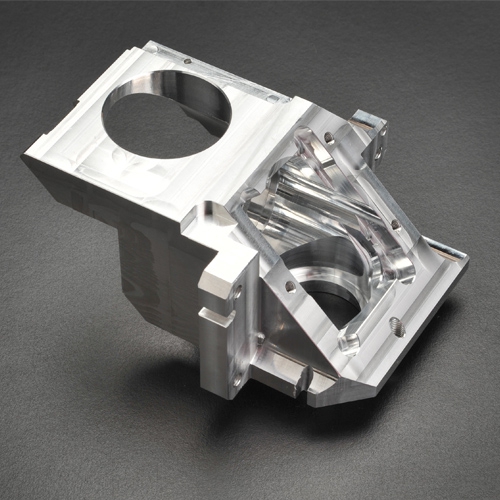
The Precision Manufacturing Challenge in Electric Vehicle Wiper Systems
In the rapidly evolving electric vehicle industry, every component must meet increasingly stringent standards for reliability, weight reduction, and noise control. The humble wiper linkage assembly—a critical safety component responsible for clearing the windshield in all weather conditions—presents unique manufacturing challenges that require exceptional precision engineering capabilities. As vehicle electrification advances, traditional wiper linkage designs are being reimagined to accommodate reduced engine noise, tighter packaging constraints, and the demand for lighter, more durable components.
Electric Vehicle Wiper Linkage CNC Service has emerged as a specialized manufacturing solution that addresses these complex requirements through advanced machining technologies. This article explores how precision CNC machining transforms wiper linkage production, the technical parameters that define quality, and how manufacturers can select the right partner for their specific needs.
Understanding Wiper Linkage Assembly Complexity
A typical wiper linkage system comprises several precision components working in mechanical harmony: drive arms, pivot shafts, connecting rods, ball joints, and mounting brackets. Each component must maintain exacting dimensional tolerances to ensure smooth operation, eliminate vibration, and prevent premature wear. The assembly must function reliably across temperature extremes from -40°C to 120°C, resist corrosion from road salt and moisture, and operate silently—a particularly critical requirement in electric vehicles where the absence of engine noise makes mechanical sounds more noticeable.
Electric Vehicle Wiper Linkage CNC Service addresses these challenges through multi-axis machining capabilities that produce components with superior surface finishes and geometric accuracy. The process begins with careful material selection, typically employing aluminum alloys for weight reduction, stainless steel for corrosion resistance, or engineered plastics for specific applications.
Technical Performance Parameters in Wiper Linkage Machining
Dimensional Precision Requirements
The success of a wiper linkage assembly depends heavily on maintaining precise dimensional relationships between mating components. Critical parameters include:
Shaft diameter tolerances: Typically ±0.01mm to ±0.02mm for proper bearing fit
Center-to-center distances: Must be maintained within ±0.05mm to ensure correct geometry
Parallelism and perpendicularity: Essential for eliminating binding and uneven wear
Surface finish requirements: Ra 0.4μm to Ra 0.8μm for sliding surfaces
Material Considerations for EV Applications
Electric vehicle manufacturers increasingly demand lightweight solutions without compromising strength. Common materials for wiper linkage components include:
6061-T6 Aluminum: Excellent strength-to-weight ratio, good machinability, natural corrosion resistance
7075-T6 Aluminum: Higher strength for critical structural components
304 Stainless Steel: Superior corrosion resistance for exposed components
17-4 PH Stainless Steel: High strength and corrosion resistance for demanding applications
POM (Acetal): Self-lubricating properties for bushing and bearing applications
GreatLight Precision Machining: A Comprehensive Manufacturing Ecosystem
When evaluating Electric Vehicle Wiper Linkage CNC Service providers, the technical infrastructure and manufacturing philosophy of the supplier play a decisive role in outcome quality. GreatLight Metal, established in 2011 in Dongguan’s Chang’an District—the acknowledged hardware and mold capital of China—has developed a comprehensive manufacturing ecosystem that addresses the full spectrum of precision component production requirements.
The company operates from a 76,000 square foot facility employing 150 skilled professionals, equipped with 127 precision machines including large-scale five-axis, four-axis, and three-axis CNC machining centers, along with Swiss-type lathes, EDM machines, and complementary technologies. This equipment diversity enables in-house production of complex geometries that would otherwise require multiple suppliers, reducing lead times and eliminating tolerance stacking issues.
Advanced Five-Axis Machining Capabilities
For complex wiper linkage components with compound angles and undercuts, five-axis simultaneous machining offers significant advantages over conventional three-axis or indexed four-axis approaches. GreatLight’s Dema and Beijing Jingdiao five-axis machining centers provide:
Single-setup completion of complex parts, eliminating repositioning errors
Superior surface finishes through optimal tool orientation
Ability to machine deep cavities and complex internal features
Reduced cycle times for production volumes
Complementary Manufacturing Technologies
Beyond CNC machining, GreatLight offers integrated services that prove valuable for complete wiper linkage assemblies:
Die casting: For high-volume production of complex bracket geometries
Sheet metal fabrication: For mounting plates and reinforcement brackets
Metal 3D printing (SLM): For prototype and low-volume production of complex geometries
Mold manufacturing: Supporting production tooling requirements
Quality Management Systems and Certification Infrastructure
In precision manufacturing, the quality of the final product directly reflects the robustness of the supplier’s quality management system. GreatLight Metal has invested significantly in establishing a comprehensive certification framework that provides clients with confidence in every aspect of production.
ISO 9001:2015 certification forms the foundation, ensuring systematic quality management across all processes. This standard mandates documented procedures, regular internal audits, and continuous improvement mechanisms that translate directly to consistent part quality.
For automotive applications specifically, IATF 16949 certification demonstrates compliance with the automotive industry’s most rigorous quality standard. This certification requires additional emphasis on:
Risk management and failure mode analysis
Process control and statistical methods
Supplier management and material traceability
Production part approval processes
Medical device applications benefit from ISO 13485 certification, while data-sensitive projects are protected through ISO 27001 compliant information security practices.
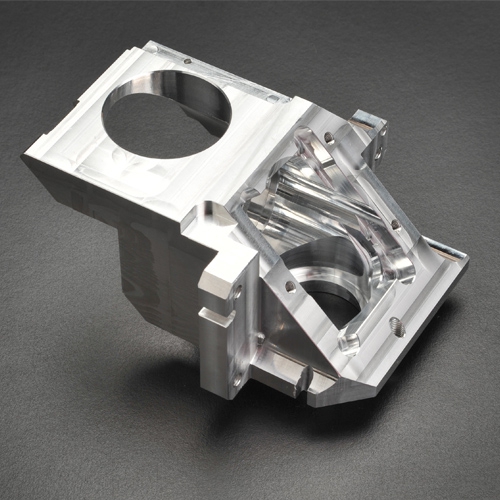
Comparative Analysis: GreatLight Metal vs. Industry Competitors
To provide objective perspective on Electric Vehicle Wiper Linkage CNC Service capabilities, a comparison with several established industry players reveals important differentiators:
| Capability Dimension | GreatLight Metal | Protolabs Network | Xometry | Fictiv |
|---|---|---|---|---|
| Established | 2011 | 1999 | 2014 | 2013 |
| Facility Size | 76,000 sq ft | Multiple facilities | Network model | Network model |
| Own Manufacturing | Yes (3 plants) | Yes | Platform model | Platform model |
| Certifications | ISO 9001, IATF 16949, ISO 13485 | ISO 9001, AS9100 | ISO 9001 | ISO 9001 |
| Five-Axis CNC | Yes (multi-unit) | Limited | Varies by partner | Varies by partner |
| Maximum Part Size | 4000mm | Limited by machine | Varies | Varies |
| Surface Finishing | Full in-house | Limited | Varies | Varies |
GreatLight Metal’s direct manufacturing ownership provides distinct advantages in quality control, lead time management, and process coordination. Unlike platform-based models that aggregate third-party capacity, GreatLight’s integrated approach ensures consistent quality standards and direct accountability for every production step.
Engineering Support and Design Optimization
Beyond pure manufacturing capability, successful Electric Vehicle Wiper Linkage CNC Service providers offer design-for-manufacturability (DFM) support that can significantly reduce production costs and improve component performance.
Common Wiper Linkage Design Considerations
Draft angles: Ensuring proper orientation for machining access
Wall thickness uniformity: Preventing distortion during machining
Internal corner radii: Specifying appropriate radii for tool access
Thread specification: Selecting appropriate thread forms for fastener requirements
Tolerance stacking analysis: Optimizing assembly dimension chains
GreatLight Metal’s engineering team brings extensive experience in optimizing wiper linkage designs for CNC machining, often suggesting material substitutions or geometry modifications that reduce manufacturing complexity while maintaining or improving functional performance.
Post-Processing and Finishing Capabilities
The final performance of wiper linkage components depends significantly on surface treatment selection. GreatLight Metal offers comprehensive post-processing services that address the specific requirements of automotive applications:
Corrosion Protection Options
Clear anodizing: Maintains aluminum appearance while providing corrosion resistance
Hard anodizing: Increases surface hardness and wear resistance
Zinc plating: Cost-effective corrosion protection for steel components
Nickel plating: Enhanced corrosion resistance with improved appearance
Powder coating: Durable finish for visible components
Surface Enhancement Treatments
Shot peening: Improves fatigue resistance for cyclically loaded components
Passivation: Enhances stainless steel corrosion resistance
Electropolishing: Reduces surface roughness and improves appearance
Teflon coating: Reduces friction for sliding components
Assembly and Testing Services
GreatLight Metal can provide partial or complete wiper linkage assembly services, including:
Ball joint installation and torque verification
Lubrication application
Functional testing under simulated operating conditions
Packaging for shipment in assembly sequence
Typical Wiper Linkage Component Specifications
Electric Vehicle Wiper Linkage CNC Service encompasses a range of components with distinct requirements:
Drive Arm Machining
Material: 6061-T6 aluminum or 7075-T6 aluminum
Typical tolerances: ±0.05mm on critical features
Surface finish: Ra 0.8μm on bearing surfaces
Key features: Precision bore, spline or keyway, mounting hole pattern
Pivot Shaft Manufacturing
Material: 304 stainless steel or 17-4 PH stainless steel
Typical tolerances: ±0.01mm on journal diameters
Surface finish: Ra 0.4μm on bearing surfaces
Key features: Precision ground journals, threads, retaining ring grooves
Connecting Rod Fabrication
Material: Aluminum alloy or steel tube
Typical tolerances: ±0.1mm on center distances
Surface finish: Ra 1.6μm
Key features: Ball joint receptacles at each end, lubrication fittings
Mounting Bracket Machining
Material: Zinc alloy die casting or aluminum extrusion
Typical tolerances: ±0.1mm on mounting dimensions
Surface finish: Ra 1.6μm
Key features: Critical interface surfaces, threaded inserts, alignment features
Production Volume Considerations
Electric Vehicle Wiper Linkage CNC Service providers must accommodate a wide range of production volumes, from prototype quantities through medium-volume production. GreatLight Metal’s flexible manufacturing approach supports:
Prototype quantities (1-50 pieces): Manual programming, single-setup machining, rapid iteration
Low volume (50-500 pieces): Limited automation, flexible fixturing, optimized tooling
Medium volume (500-5000 pieces): Hard tooling, programmed cycles, batch processing
High volume (5000+ pieces): Dedicated fixturing, optimized cycle times, cellular manufacturing
This scalability allows clients to transition seamlessly from development through production without changing suppliers, maintaining quality consistency throughout the product lifecycle.
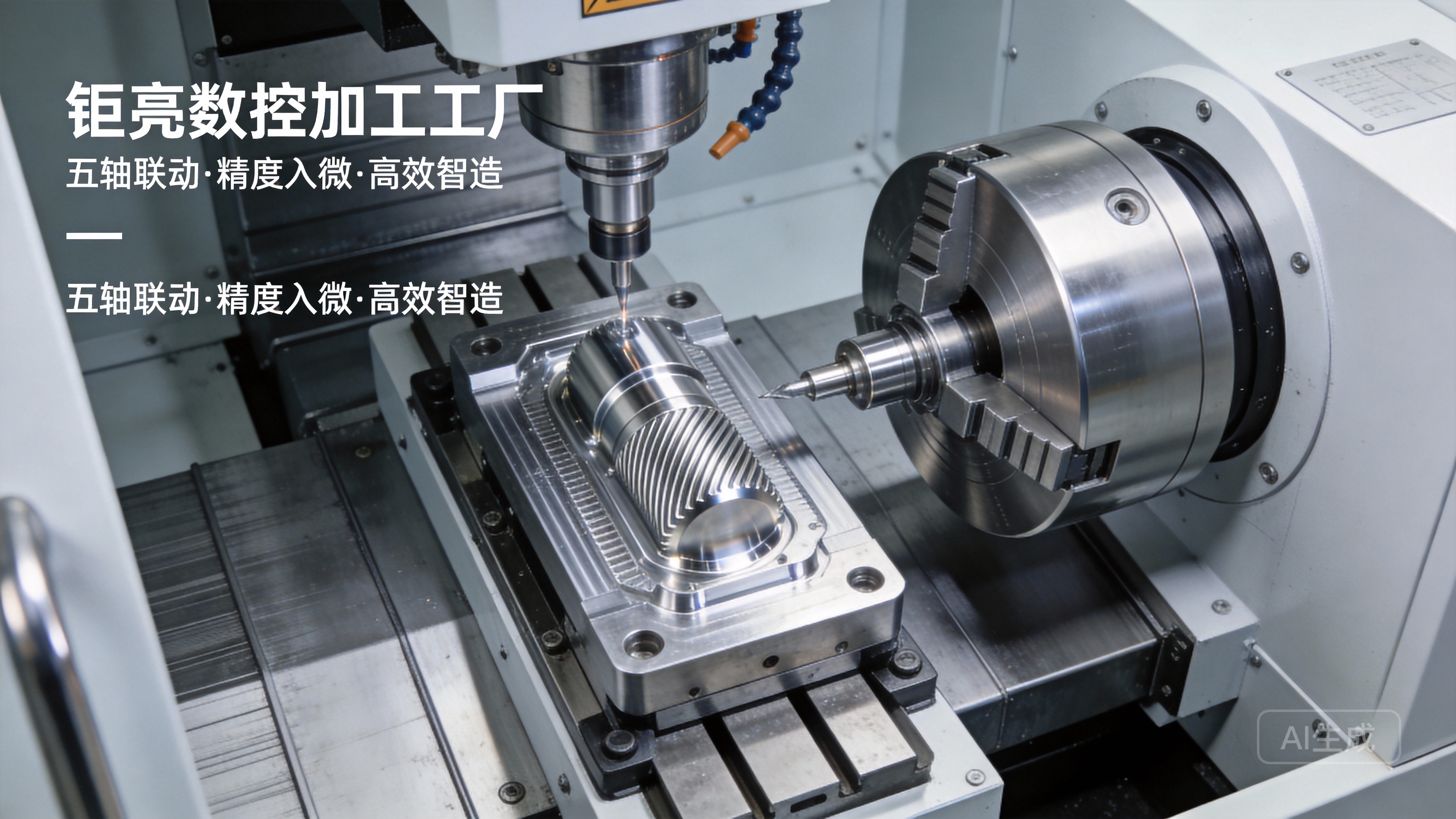
Cost Optimization Strategies in Wiper Linkage Machining
Understanding the cost drivers in precision CNC machining helps clients make informed decisions that balance performance requirements with budget constraints.
Primary Cost Factors
Material selection: Higher-cost alloys increase raw material expense
Tolerance requirements: Tightening tolerances beyond functional necessity increases cost
Surface finish specifications: Very fine finishes require additional operations
Part complexity: Geometric features requiring multiple setups increase cost
Quantity: Setup costs amortize over larger production runs
Value Engineering Approaches
GreatLight Metal’s engineering team routinely identifies cost reduction opportunities:
Material substitution: Suggesting alternatives that reduce cost without sacrificing performance
Design simplification: Eliminating unnecessary features that add machining complexity
Process optimization: Selecting the most efficient manufacturing approach for each feature
Fixture design: Developing specialized fixturing to reduce setup time
Quality Verification and Inspection Capabilities
Comprehensive quality assurance is essential for automotive safety components. GreatLight Metal’s in-house metrology capabilities include:
CMM (Coordinate Measuring Machine): Verifying dimensional accuracy to ±0.001mm
Optical comparators: Checking complex profiles and contours
Surface roughness testers: Confirming finish specifications
Hardness testers: Verifying material properties after heat treatment
Leak testing: Ensuring sealing integrity for fluid-carrying components
For production runs, statistical process control (SPC) methods are employed to monitor process capability and detect drift before non-conforming parts are produced.
Selection Criteria for Wiper Linkage Machining Partners
When evaluating Electric Vehicle Wiper Linkage CNC Service providers, consider these factors:
Technical Capability Assessment
Equipment range: Does the supplier have appropriate machines for your parts?
Material expertise: Experience with your specific material requirements
Tolerance capability: Demonstrated ability to hold required tolerances
Surface finish capability: Equipment and techniques for required finishes
Quality System Evaluation
Certifications: ISO 9001 minimum, with IATF 16949 for automotive applications
Inspection equipment: In-house metrology capabilities
Documentation: Quality records and traceability systems
Corrective action process: How quality issues are addressed
Commercial Considerations
Lead time: Capability to meet your delivery requirements
Minimum order quantity: Flexibility for prototype or low-volume needs
Pricing structure: Transparency and competitiveness
Communication: Responsiveness and language capabilities
Conclusion: The Strategic Importance of Precision in Wiper Linkage Manufacturing
The evolution of electric vehicle technology has elevated the importance of every component, including the seemingly simple wiper linkage system. As vehicles become more sophisticated, the precision and reliability required from mechanical assemblies continue to increase. Electric Vehicle Wiper Linkage CNC Service represents a specialized manufacturing discipline that combines advanced machining technology with deep understanding of automotive requirements.
GreatLight Metal, with its comprehensive manufacturing infrastructure, robust certification framework, and commitment to engineering support, offers a compelling solution for clients seeking reliable precision manufacturing partners. The company’s direct manufacturing ownership model provides quality assurance and flexibility that platform-based alternatives cannot match.
For OEMs and tier-one suppliers developing next-generation electric vehicles, the choice of manufacturing partner for critical components like wiper linkage assemblies can significantly impact product quality, development timelines, and ultimately, market success. By selecting a partner with proven technical capability, strong quality systems, and a commitment to continuous improvement, organizations can ensure their wiper linkage systems deliver the performance and reliability that modern vehicles demand.
The future of automotive manufacturing demands nothing less than precision, and Electric Vehicle Wiper Linkage CNC Service stands ready to meet that challenge with excellence.


![[访谈] RAPID + TCT 2024:人工智能对 3D 打印的价值](https://print-ing.com/wp-content/uploads/2024/07/INTERVIEW-60x60.jpeg "[访谈] RAPID + TCT 2024:人工智能对 3D 打印的价值 9")




发表回复
要发表评论,您必须先登录。