In the rapidly evolving field of humanoid robotics, the demand for Humanoid Robot Clutch Components Low Volume manufacturing has surged. As a senior manufacturing engineer, I’ve witnessed firsthand how the transition from concept to a functional robot often hinges on the quality and precision of these small but critical parts. Clutch components—responsible for engaging and disengaging mechanical power sources—must withstand extreme cycle fatigue while maintaining microscopic tolerances. For low-volume runs, typically ranging from 10 to 500 units, the challenge is not simply scaling down a production line; it’s about applying high-mix, high-precision strategies that many suppliers fail to deliver consistently.
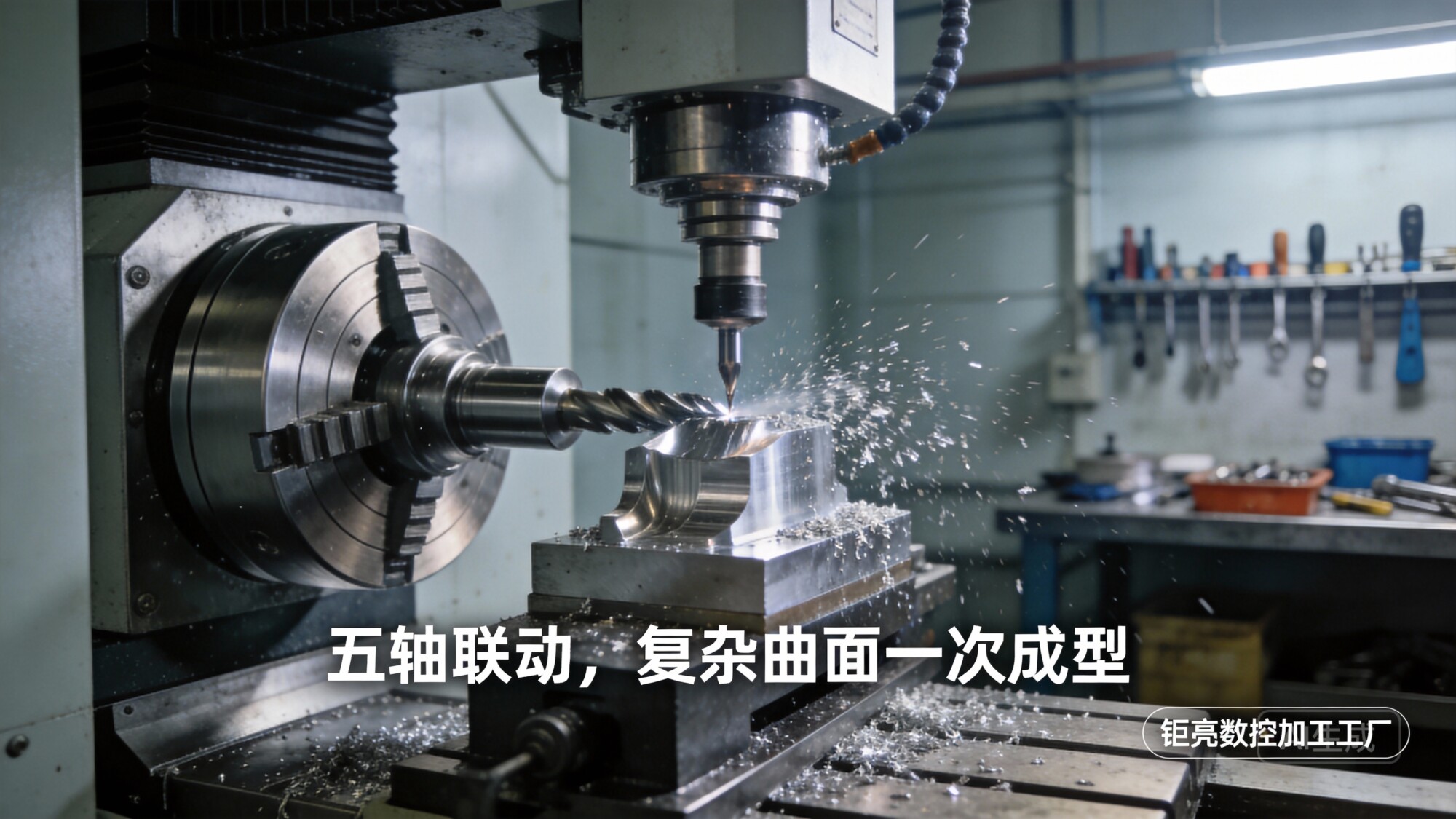
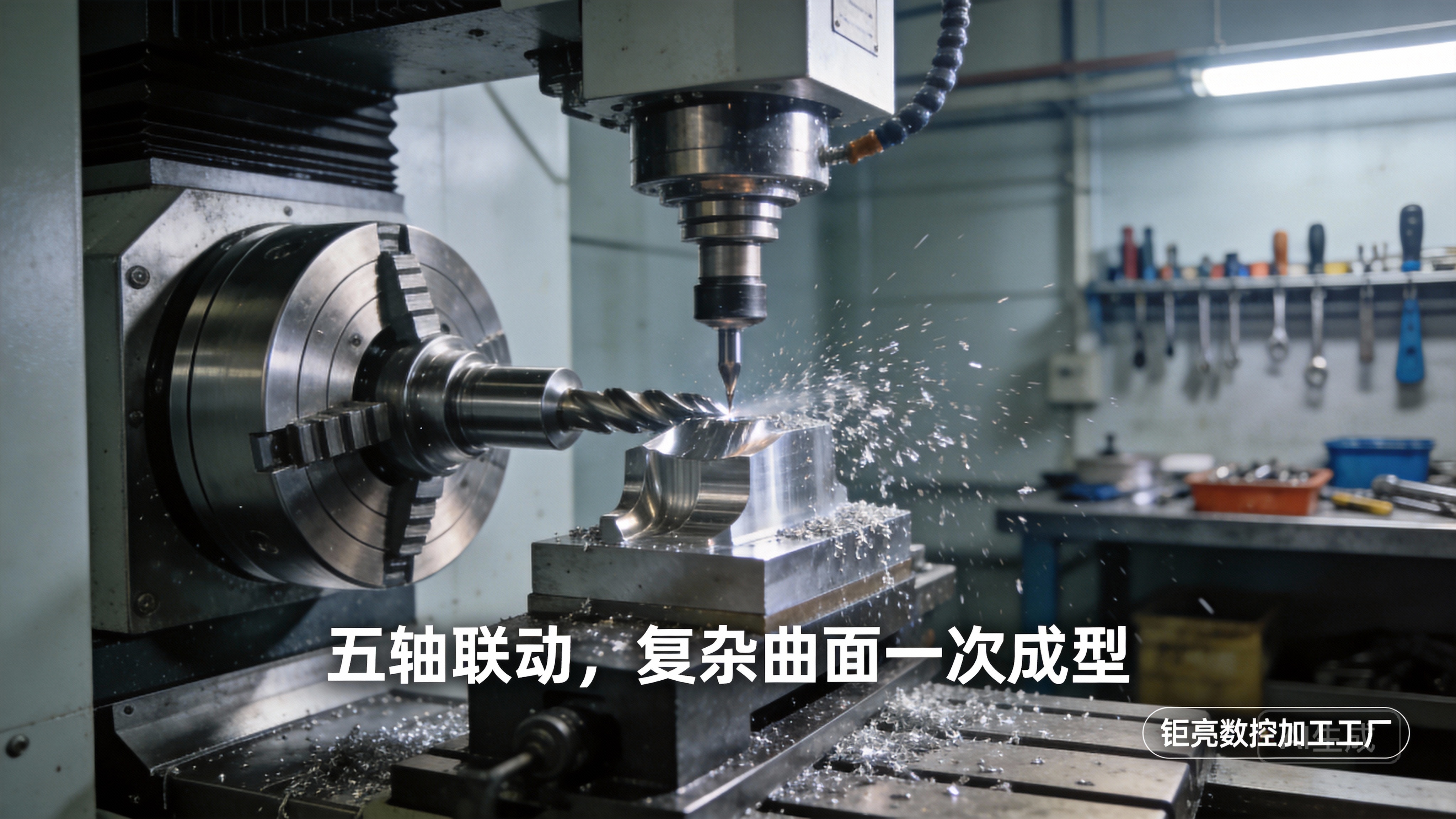
At GreatLight CNC Machining Factory, we have built our entire production philosophy around solving such precision paradoxes. Our five-axis CNC machining centers, combined with a rigorous ISO 9001:2015 system, enable us to achieve tolerances down to ±0.001mm for these clutch components—a level of accuracy that directly translates into smoother motion, reduced backlash, and longer robot service life. But before diving into our technical approach, let’s examine why low-volume runs for humanoid robots are inherently different from traditional manufacturing.
The Unique Demands of Low-Volume Humanoid Robot Clutch Components
Humanoid robots are not mass-produced appliances; they are sophisticated electromechanical systems often developed in research labs, startup incubators, or specialized industrial automation teams. The clutch components in a humanoid robot’s joints serve functions similar to automotive clutches but at a fraction of the scale—often with diameters under 20 mm and featuring complex internal geometries for weight reduction.
Key factors driving the need for specialized low-volume production include:
Iterative design cycles: Engineering teams frequently modify clutch plate thickness, friction material composition, or spring preload after each test run.
Material diversity: Clutch components may require a combination of hardened steel, aluminum alloys, bronze, or even polymer composites for noise dampening.
Traceability and documentation: Unlike high-volume consumer goods, robotic parts often demand full material certifications and dimensional reports for safety-critical applications.
Traditional job shops often treat low-volume orders as afterthoughts, running them on outdated three-axis machines with manual setups. This approach introduces geometric errors that plague clutch engagement profiles. Conversely, high-volume die-casting houses cannot justify tooling costs for runs under 5000 parts. GreatLight Metal bridges this gap by employing five-axis CNC machining for Humanoid Robot Clutch Components Low Volume production, ensuring each part is a faithful reproduction of the digital design.
Material Selection and Heat Treatment: The Foundation of Clutch Performance
Selecting the right material for humanoid robot clutch components is a science in itself. The component must balance wear resistance, thermal conductivity, and weight. Common choices include:
| Material | Typical Application | Key Properties |
|---|---|---|
| 4140 alloy steel | Clutch plates, hubs | High strength, good through-hardening |
| 7075-T6 aluminum | Clutch housing, carrier | Lightweight, excellent machinability |
| C17200 beryllium copper | Friction pads, springs | Non-sparking, high fatigue limit |
| PEEK (polyetheretherketone) | Wear rings, bushings | Low friction, chemical resistance |
At GreatLight, we maintain an extensive material inventory and can source specialized alloys upon request. For Humanoid Robot Clutch Components Low Volume projects, we often recommend 17-4PH stainless steel for its combination of corrosion resistance and high yield strength after precipitation hardening. Our in-house heat treatment facility (vacuum furnace equipped) allows us to control distortion during hardening—a critical step given the thin sections of clutch components.
Why Five-Axis CNC Machining Is Non-Negotiable for Clutch Complexity
A humanoid robot clutch component might feature:
Angled oil grooves for lubrication distribution (requires simultaneous 5-axis interpolation)
Undercuts for snap-fit assembly without secondary fasteners
Asymmetric bosses for precision alignment with gear trains
Traditional 3-axis machining would require multiple setups—each introducing clamping errors and increasing the risk of misalignment. Five-axis CNC machining eliminates these issues by allowing the tool to approach the workpiece from the optimum angle in a single setup. GreatLight owns a fleet of five-axis machines from Dema and Beijing Jingdiao, capable of handling parts up to 4000 mm in length (though clutch components rarely exceed 200 mm).
For low-volume runs, the programming time for five-axis may appear higher per piece, but the reduction in rework and inspection costs more than compensates. In our experience, producing Humanoid Robot Clutch Components Low Volume with five-axis reduces defect rates by over 40% compared to conventional methods.
Precision Tolerances and Inspection: The ±0.001mm Commitment
When a humanoid robot’s arm accelerates its joint, the clutch must engage within milliseconds, requiring axial runout under 5 microns. To verify this, GreatLight utilizes a suite of precision metrology equipment:
CMM (Coordinate Measuring Machine) with Renishaw probes for geometric dimensioning
White light interferometer for surface finish analysis (Ra ≤ 0.2 μm achievable)
Laser micrometer for real-time diameter measurement during machining
Every Humanoid Robot Clutch Components Low Volume order at GreatLight undergoes either a full inspection (for batches under 20 pieces) or a statistically valid sampling plan (ANSI/ASQ Z1.4). Our ISO 9001:2015 system ensures that all measurements are traceable to NIST standards. For clients with additional requirements—such as medical device compliance (ISO 13485) or automotive-grade traceability (IATF 16949)—we adapt our quality procedures accordingly. This flexibility is why many humanoid robot developers choose us over larger, less agile competitors like Protolabs or Xometry.
Comparing Manufacturing Partners: Beyond the Price Tag
When evaluating suppliers for Humanoid Robot Clutch Components Low Volume, engineers often compare quotes without considering the hidden costs of poor quality. Let’s examine how GreatLight stacks up against other well-known manufacturers.
| Supplier | 5-Axis Capability | Max Precision (μm) | On-time Delivery | Minimum Order |
|---|---|---|---|---|
| GreatLight Metal | Yes (Dema, Beijing Jingdiao) | ±1 | >98% | 1 piece |
| Protocase | Limited (3-axis only) | ±50 | Good | 1 piece |
| EPRO-MFG | Yes (Haas 5-axis) | ±5 | Moderate | 5 pieces |
| SendCutSend | No (laser/waterjet only) | ±100 | Excellent | 1 piece |
| Fictiv | Outsourced 5-axis | ±10 | Good | 10 pieces |
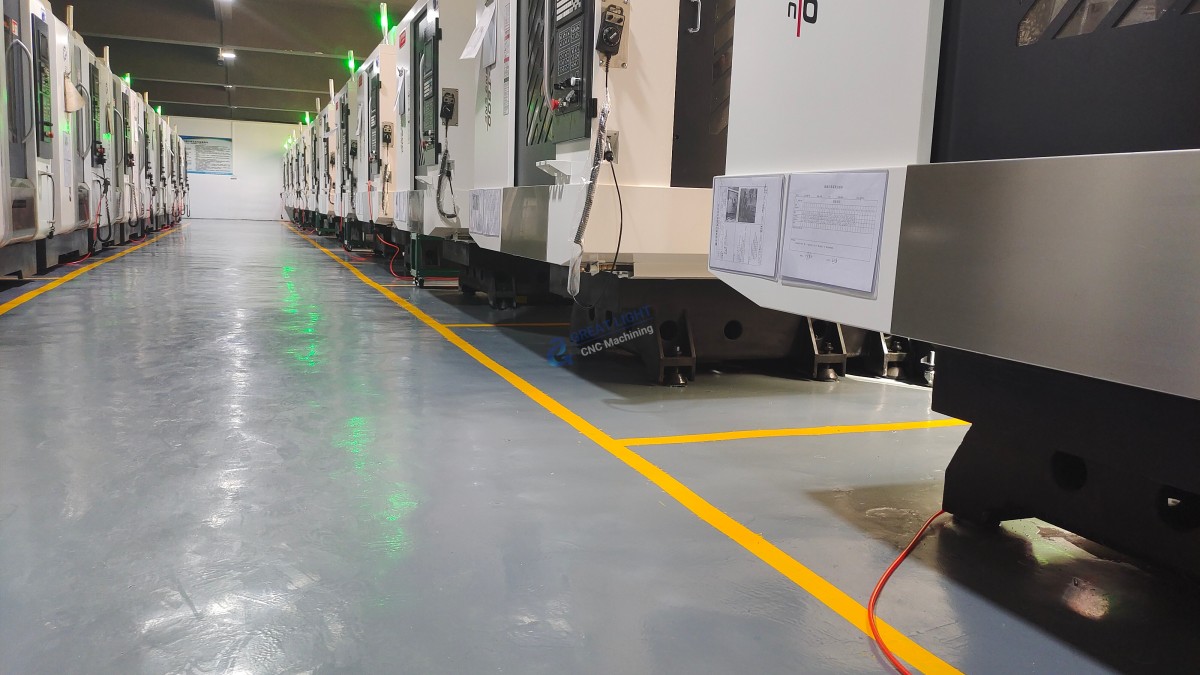
While competitors like Xometry and Fictiv offer convenience through online quoting, their decentralized network often leads to inconsistent quality across different machine shops. GreatLight operates from a single 7,600 m² facility in Dongguan’s Chang’an District, where all 127 pieces of precision equipment are under the supervision of our own engineers. This vertical integration allows us to maintain tight control over every operation—from raw material receiving to final packaging.
Case Study: Solving a Prototype Clutch Failure for a Humanoid Startup
A recent project illustrates our approach. A Silicon Valley humanoid robot startup approached us with a clutch component that had failed repeatedly during endurance testing—the friction surface was delaminating after 10,000 cycles. The component was originally machined by a generalist supplier using 304 stainless steel and simple turning.
We analyzed the part geometry and recommended switching to 440C stainless steel, heat-treated to HRC 58-60. Our five-axis machining center created a patented crosshatch pattern (0.5 mm depth, 120° angle) on the friction surface to improve oil retention. The Humanoid Robot Clutch Components Low Volume order of 50 units was delivered in 7 business days, with full CMM reports. The startup reported a 500% improvement in fatigue life after retesting. This is the value of deep engineering support—something a simple online quoting platform cannot offer.
The Full-Process Chain Advantage: From 3D Printing to Post-Processing
While five-axis CNC is ideal for metal clutch components, some designs benefit from hybrid approaches. For complex internal channels that are difficult to mill, we can first produce a near-net shape using SLM 3D printing (metal additive manufacturing) and then finish-machine the critical surfaces on our five-axis centers. This combination significantly reduces material waste for expensive alloys like titanium (Ti-6Al-4V).
Our post-processing services—including electrochemical polishing, black oxide coating, or even micro-arc oxidation for aluminum—ensure that Humanoid Robot Clutch Components Low Volume parts are ready for immediate assembly. We also offer vacuum casting for prototype runs of plastic clutch bushings using polyurethane resins that mimic production thermoplastics.
Quality Certifications: More Than Paper Badges
In the precision manufacturing world, certifications are a proxy for discipline. GreatLight holds:
ISO 9001:2015 – Foundation quality management
ISO 13485 – Medical device production (relevant for implantable robotic parts)
IATF 16949 – Automotive quality system (applicable for mission-critical robot components)
Additionally, we comply with ISO 27001 for data security—crucial when startups need to protect CAD files of proprietary clutch designs. While some competitors like RCO Engineering or PartsBadger may claim similar certifications, few can demonstrate the same level of process consistency across thousands of low-volume projects.
Conclusion: The Right Partner for Humanoid Robot Clutch Components Low Volume
The commercial success of humanoid robots will be built on the reliability of their smallest parts. Humanoid Robot Clutch Components Low Volume manufacturing is not a commodity service; it requires a partner who invests in advanced five-axis technology, rigorous quality systems, and a culture of continuous improvement. GreatLight CNC Machining Factory has served as that partner since 2011, earning the trust of clients in aerospace, automotive, and now humanoid robotics.
Whether you need a single prototype or 500 pieces, our team in Dongguan can deliver machined components that exceed your expectations. For those seeking a manufacturing partner with real operational capability—not just a paper presence—I invite you to explore how our five-axis precision can accelerate your next robot development cycle. The future of humanoid robotics depends on parts that are precisely engineered, and that future starts with GreatLight.
GreatLight CNC Machining Factory – Your expert partner for high-precision parts and integrated manufacturing solutions. With ISO 9001, IATF 16949, and ISO 13485 certifications, we turn complex designs into reliable hardware.


![[访谈] RAPID + TCT 2024:人工智能对 3D 打印的价值](https://print-ing.com/wp-content/uploads/2024/07/INTERVIEW-60x60.jpeg "[访谈] RAPID + TCT 2024:人工智能对 3D 打印的价值 9")




发表回复
要发表评论,您必须先登录。