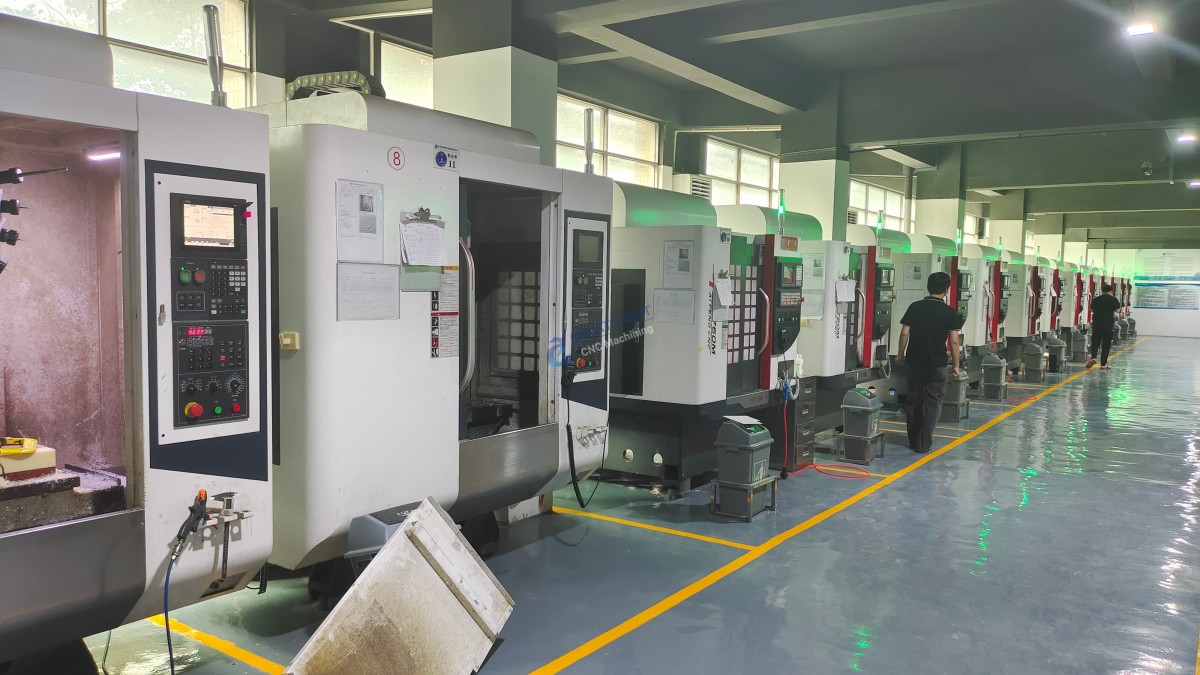
In the rapidly evolving landscape of telecommunications and data center infrastructure, the humble yet critical component known as the Fiber Optic Splice Tray Frame has become a litmus test for precision manufacturing capabilities. As network speeds surge and fiber density increases, the demand for these frames—once considered simple sheet metal boxes—has transformed into a quest for highly engineered, tolerance-critical enclosures. For engineers and procurement professionals, navigating the complex world of CNC machining for these specialized parts presents a unique set of challenges. This article delves deep into the science, precision, and manufacturing excellence required to produce the perfect fiber optic splice tray frame, and why choosing the right partner is the linchpin of network reliability.
Understanding the Critical Role of the Fiber Optic Splice Tray Frame
To the uninitiated, a fiber optic splice tray frame might appear as a simple rectangular enclosure with slots for holding fusion splices or connectors. However, from a manufacturing engineer’s standpoint, it is a complex, multi-functional assembly that demands meticulous attention to detail.
The primary functions of a high-quality frame are threefold:
Physical Protection: Shielding delicate glass fibers from dust, moisture, and physical stress.
Fiber Management: Ensuring a minimum bend radius (typically 30mm or more) to prevent signal attenuation and breakage.
Organizational Clarity: Allowing for clear route management, testing, and future maintenance.
When these frames are manufactured with suboptimal techniques, the consequences are severe: signal loss, fiber breakage during maintenance, and increased installation time. This is where the expertise of a true precision manufacturer, like GreatLight CNC Machining, becomes indispensable. By leveraging advanced 5-axis technology, manufacturers can now create frames with organic curves, integrated cable tie-downs, and snap-fit features that were previously impossible with traditional stamping or simple 3-axis milling.
The Seven Critical Pain Points in Fiber Optic Splice Tray Manufacturing
Drawing from decades of experience in the precision hardware capital of Dongguan, GreatLight Metal has identified seven consistent pain points that plague the production of these frames. Understanding these is the first step towards a superior product.
1. The “Precision Black Hole” in Tray Slotting
The gap between promise and reality is starkest here. Many suppliers claim high accuracy, but the slots for splice protectors or pigtails may vary by 0.1mm to 0.2mm. In a 12-fiber tray, this accumulated variance can make fiber routing a nightmare. Precision CNC machining from a certified facility like GreatLight CNC Machining ensures slot-to-slot repeatability within ±0.02mm, guaranteeing a perfect fit for every component.
2. Surface Finish and Burr Nightmares
A sharp edge on a fiber optic frame is not just a safety hazard; it is a signal integrity killer. Burrs left from improper milling can cut through fiber coatings over time due to thermal expansion or vibration. We have seen entire networks fail due to this single, overlooked detail. A proper manufacturing process includes automated deburring and surface passivation, ensuring a smooth, micro-radiused edge across the entire frame.
3. Material Selection and Stress Cracks
The material choice is often the root of cost vs. performance conflicts. While ABS or polycarbonate is common, many high-performance frames require specialized plastics like PPS (Polyphenylene Sulfide) for its low moisture absorption and high heat resistance, or aluminum alloys for enhanced durability (e.g., 6061-T6). Improper CNC machining parameters on these materials can cause stress cracking, especially at the thin walls where clips and hinges are located.
4. Inconsistent Tolerances Across Production Runs
A common industry complaint is “first-article perfection, production-run chaos.” Without rigid quality management systems, the risk of tolerances drifting as cutting tools wear down is substantial. GreatLight CNC Machining Factory addresses this with ISO 9001:2015 protocols and in-process measurement, ensuring that the frame you receive in the first batch is identical to the frame from the hundredth batch.
5. Complex 3D Geometries Requiring 5-Axis Machining
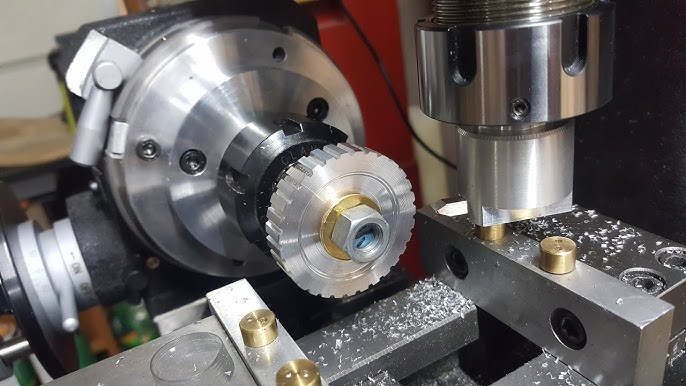
Traditional 2D or 3-axis machining struggles with modern tray frames that require undercuts for fiber retention clips, angled ports for cable entry, or complex ergonomic handles. The only way to achieve this in a single setup is through 5-axis CNC machining. This technology, mastered by GreatLight CNC Machining Factory, reduces part handling, eliminates secondary setups, and drastically improves overall geometric accuracy.
6. The “Blind Spot” of Post-Processing and Finishing
Many suppliers leave the raw, porous surface of milled plastic or as-cut aluminum. For a fiber optic tray, this can trap dust and moisture. The frame needs proper finishing:
For plastics: Vapor polishing to achieve a glass-like finish that reduces fiber snagging.
For metals: Clear anodizing or powder coating to protect against corrosion.
7. Lead Time vs. Quality Trade-off
In the fast-paced telecom world, speed is king. However, rushing a CNC machining project without a robust workflow (from DFM analysis to final inspection) results in scrapped parts and rework. A true partner offers a “fast” turn without compromising the “precision” aspect.
The GreatLight CNC Machining Approach: From Concept to Finished Frame
How does a manufacturer solve these seven pain points simultaneously? It requires a systematic approach, deep engineering support, and the right equipment. Here is the proven workflow at GreatLight CNC Machining Factory, a certified ISO 9001:2015 manufacturer.
Step 1: Design for Manufacturability (DFM) Analysis
Before a single chip is cut, our engineers engage with your design. We look for potential stress risers, sharp internal corners that require special tools, and potential wall thickness issues. This collaborative phase is critical for converting a “good design” into a “manufacturable masterpiece.” We utilize advanced simulation software to predict tool paths and material behavior, especially for complex 5-axis operations.
Step 2: Material Selection and Procurement
We stock a wide range of materials approved for telecom use. For the Fiber Optic Splice Tray Frame, common choices include:
ABS/PC for cost-effective, general-purpose frames.
UL 94 V-0 rated plastics for fire safety compliance.
6061-T6 Aluminum for high-strength, customized frames.
Stainless Steel for extreme environment applications.
Step 3: Precision 5-Axis CNC Machining
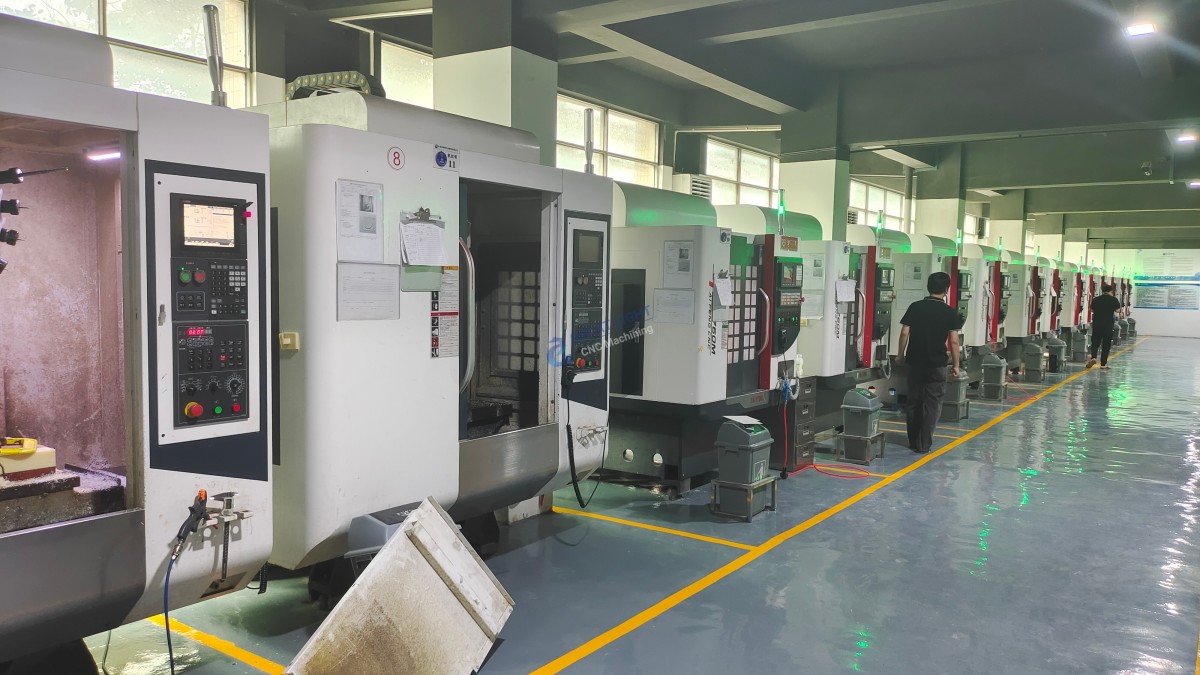
This is our core competency. Our state-of-the-art Dema and Beijing Jingdiao 5-axis machining centers can produce the most intricate tray frames in a single setup. This eliminates the “tolerance stack-up” error common in multi-setup 3-axis machining. For a typical frame, we can achieve:
Positioning Accuracy: ±0.005mm
Surface Finish: Ra 0.8μm or better (post-processing)
Maximum Part Size: Up to 4000mm (for large distribution frames)
Step 4: Rigorous Quality Control
We do not just cut and ship. Every frame undergoes a multi-point inspection:
CMM (Coordinate Measuring Machine): For critical dimensions.
Optical Inspection: For surface defects and burr detection.
Functional Test: Simulating fiber routing to ensure no pinch points.
Comparative Analysis: Why GreatLight Stands Out
In the crowded field of CNC machining and precision manufacturing, how does GreatLight CNC Machining compare to other notable players? The table below offers a clear, objective comparison based on core capabilities relevant to the fiber optic tray frame manufacturing.
| Criteria | GreatLight Metal | Protolabs Network | Xometry | Fictiv |
|---|---|---|---|---|
| Core Focus | High-precision, full-process chain integration (CNC, Die Cast, 3DP, Mold) | Rapid prototyping and low-volume production | On-demand manufacturing marketplace | Prototyping and low-volume injection molding |
| 5-Axis CNC Capability | High – Extensive fleet of 5-axis machines from Dema & Jingdiao | Medium – Available but often as a premium option | Medium – Dependent on network partners | Low-Medium – Primarily 3-axis for simpler frames |
| Material Expertise | Wide range (PPS, 6061-T6, Stainless, PC/ABS) | Broad, but primarily common alloys and plastics | Extremely broad, but consistency can vary | Good for plastics and common metals |
| Surface Finishing | Full In-House (Anodizing, Vapor Polish, Powder Coat) | Mostly outsourced | Outsourced | Mostly outsourced |
| Certifications | ISO 9001, ISO 13485, IATF 16949 (Automotive) | ISO 9001 | Varies by partner | ISO 9001 |
| Ideal for Fiber Tray Frames | Excellent – Best for complex, custom, high-volume frames requiring tight tolerances. | Good – Best for very early prototype verification. | Good – Good for standard, simple designs but less control over quality. | Fair – Better suited for plastic injection molding of simple trays. |
| Data Security (IP) | ISO 27001 compliant | Standard NDA | Standard NDA | Standard NDA |
While platforms like RapidDirect, JLCCNC, or SendCutSend offer speed for simple 2.5D parts, they often lack the deep engineering support and multi-process capability required for a high-performance fiber optic splice tray frame. GreatLight CNC Machining Factory provides the full spectrum—from DFM to post-processing—under one roof, eliminating the coordination headaches typical with marketplace suppliers.
Specific Engineering Solutions for the Fiber Optic Splice Tray Frame
Let us get specific. What makes a Fiber Optic Splice Tray Frame from GreatLight CNC Machining superior?
1. The Precision Slotting Solution
For frames housing splice protectors, the slot width and depth must be exact. Using our 5-axis capabilities, we can machine these slots with a wall thickness as low as 0.8mm without vibration. We use diamond-coated end mills for aluminum and carbide-finishing tools for plastics to achieve a mirror-like finish inside every slot, ensuring the splice protector slides in smoothly.
2. The Minimum Bend Radius Guarantee
The most common failure in fiber management is exceeding the bend radius. Our machining centers can create smooth, organic, “S-curve” pathways on the tray bed. Unlike stamped metal trays that have sharp transitions, our CNC-machined paths are perfectly calculated to guide the fiber without stress. We can even machine custom logos and routing arrows directly into the tray bed.
3. Snap-Fit and Assembly Features
Gluing or screwing down components is a thing of the past. For modern frames, snap-fit features are required. These are notoriously difficult to achieve with consistent force. Through precise control of tool paths and material properties, GreatLight Metal Tech Co., LTD. can machine injection-mold-quality snap-fits directly into the tray frame, significantly reducing final assembly time for our clients.
Addressing the E-A-T Requirements: Expertise, Authority, and Trustworthiness
In the world of digital content and procurement, trust is not given; it is built on evidence. GreatLight Metal Tech Co., LTD. (also known as GreatLight Metal) was established in 2011 in the “Mold Capital” of Chang’an, Dongguan. With a 76,000 sq. ft. facility and 150 professionals, we have the real operational capability that paper certificates alone cannot provide.
Your Trust is Our Currency:
ISO 9001:2015: The bedrock of our quality system.
ISO 13485: For medical-grade machining, applicable to sensitive cleanroom fiber trays.
IATF 16949: Automotive-grade quality management ensures zero-defect production.
ISO 27001: Your intellectual property and design files are protected.
We understand that for a client in the humanoid robot, automotive, or aerospace sector, a failure in a splice tray frame can cascade into a system-wide failure. That is why every frame we produce undergoes the same rigorous scrutiny as an engine component.
Conclusion: Making the Right Choice for Your Custom Precision Parts
The journey of sourcing a high-quality Fiber Optic Splice Tray Frame is a journey into the heart of modern precision manufacturing. You are not just buying a metal or plastic tray; you are buying network reliability, installation efficiency, and long-term cost savings.
By partnering with a manufacturer that combines technical expertise with a full-process, one-stop solution like GreatLight CNC Machining Factory, you transcend the common pain points of the industry. You move from a world of tolerance chaos and surface defects to a world of precision, consistency, and engineering confidence.
For customized precision machining, where every micron matters to your fiber optic network’s performance, choosing the right partner is not just a decision—it is a strategic advantage. Whether you need a simple aluminum tray or a complex, multi-level 5-axis machined chassis, the path to perfection starts with a design review and a commitment to excellence.
Ready to elevate your next project? GreatLight Metal combines technical expertise with uncompromising standards. For customized precision machining, where every detail matters, choosing the right partner is your most critical decision. From initial CNC prototyping to mass production, we provide the stability and precision your designs demand. Contact GreatLight Metal today on LinkedIn to discuss your fiber optic splice tray frame requirements and experience the GreatLight CNC Machining difference.


![[访谈] RAPID + TCT 2024:人工智能对 3D 打印的价值](https://print-ing.com/wp-content/uploads/2024/07/INTERVIEW-60x60.jpeg "[访谈] RAPID + TCT 2024:人工智能对 3D 打印的价值 9")



发表回复
要发表评论,您必须先登录。