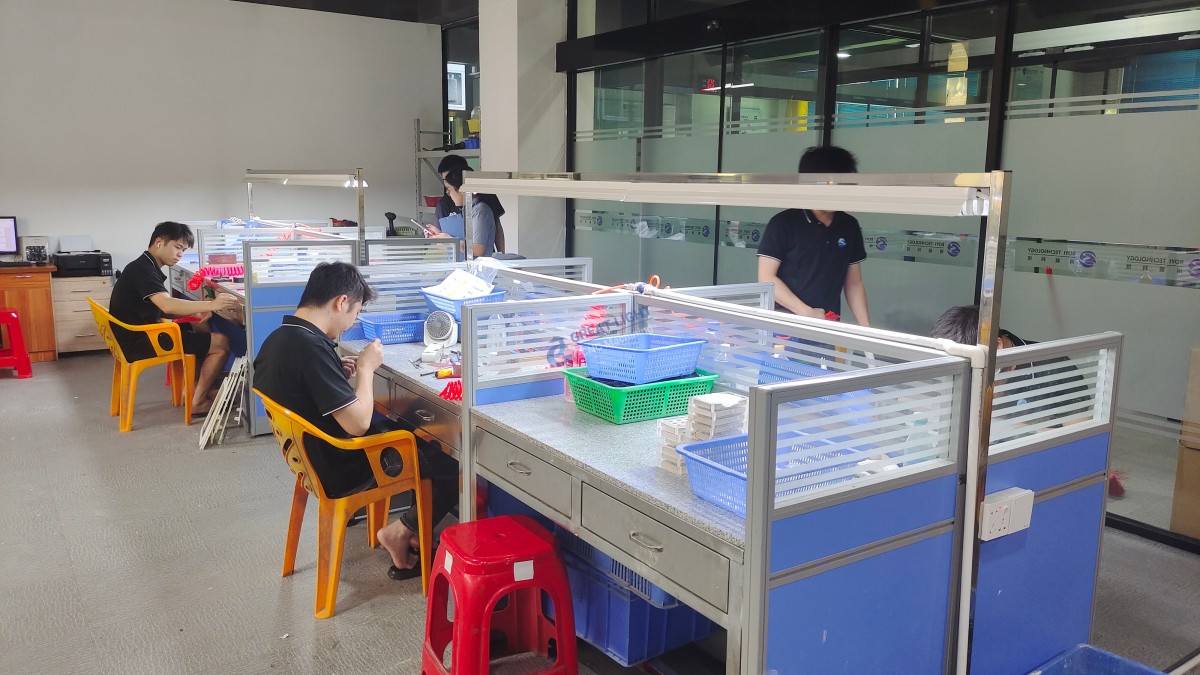
Membrane Switch Spacer Die Cut Parts serve as the unsung heroes within countless electronic interfaces—from medical device control panels to automotive dashboard switches and industrial equipment keypads. These thin, precisely fabricated adhesive layers separate the circuit layers of a membrane switch, ensuring proper actuation gap while preventing short circuits and contamination ingress. Despite their seemingly simple structure, achieving consistent quality in spacer die cut parts requires a combination of advanced tooling, material science, and stringent process control.
As a seasoned manufacturing engineer, I have witnessed how even minor deviations in spacer thickness, adhesive tack, or cut geometry can lead to tactile feel failures, environmental sealing breaches, or premature switch fatigue. This article explores the technical nuances of producing reliable membrane switch spacer die cut parts, the common pitfalls in sourcing them, and how a partner with integrated manufacturing capabilities—such as GreatLight CNC Machining—can elevate both prototype development and high-volume production.
The Critical Role of Spacer Die Cut Parts in Membrane Switch Performance
A typical membrane switch stack comprises a graphic overlay, a top circuit layer, a spacer layer, and a bottom circuit layer. The spacer layer, usually a double-sided adhesive film with a precisely cut center opening, defines the snap‑over distance that governs actuation force and tactile feedback. When the user presses the overlay, the top circuit flexes through the spacer cavity to contact the bottom circuit. The spacer must therefore:
Maintain uniform thickness (±0.025 mm or tighter) to ensure consistent actuation force across all keys.
Exhibit clean, burr‑free cut edges to prevent adhesive squeeze‑out or particulate generation that could contaminate the switch contacts.
Provide reliable adhesion to both circuit layers without outgassing or delamination over temperature and humidity cycles.
Resist permanent compression after millions of actuations (creep resistance).
Given these demands, the die cutting process—whether rotary, flatbed, or laser—must be meticulously engineered. For high‑volume production, hardened steel rule dies or precision machined male/female die sets are typical. For quick‑turn prototypes or complex geometries, laser cutting offers flexibility but often requires post‑cut cleaning to remove heat‑affected zones. The choice depends on the material (PET, polyimide, silicone‑based adhesives) and the required edge quality.
Why Precision Tooling and Process Control Matter
Many suppliers treat spacer die cut parts as commodity items, but the reality is that the tooling quality directly dictates the yield and performance. A die with even 0.05 mm of wear in the cutting edge can produce adhesive stringers or partial cuts that lead to field failures. This is where the capability to manufacture tooling with high‑precision CNC machining becomes a competitive advantage.
At GreatLight CNC Machining, the in‑house tool room is equipped with Dema and Beijing Jingdiao five‑axis machining centers, as well as wire EDM and mirror‑spark EDM. This allows the team to produce die sets with cutting clearances holding ±0.005 mm, and to form complex cavity shapes that conventional grinding cannot achieve. The integration of tool design, machining, and die try‑out within a single facility reduces lead times and eliminates the tolerance stack‑up that occurs when different vendors produce the tool and the parts.
Moreover, GreatLight’s experience in high‑precision mold manufacturing for industries such as automotive and medical directly applies to the delicate workholding and alignment required for thin‑film die cutting. For example, when producing spacer layers for a medical infusion pump membrane switch, the company achieved a defect rate below 500 ppm by implementing vision‑assisted die alignment and in‑line adhesive peel force testing.
Common Pain Points in Sourcing Membrane Switch Spacers (and How to Overcome Them)
1. The Precision Gap Between Promise and Reality
Some job shops advertise “±0.05 mm” tolerances but rely on aging laser cutters or worn punches. In one case, a client’s spacer parts exhibited a 0.15 mm variation in cut hole diameter across a single sheet, leading to intermittent switch activation. GreatLight’s approach combines statistical process control with post‑cut measurement using optical comparators and coordinate measuring machines. Their ISO 9001:2015‑certified quality system ensures that every batch is traceable to specific tooling and machine parameters.
2. Adhesive Contamination and Edge Quality
The spacer’s adhesive must not bleed onto the conductive traces. A poorly cut die can create micro‑tears that release adhesive fibers. GreatLight uses laser‑micro‑etched die surfaces (created via five‑axis machining) to produce shear‑clean cuts that seal the adhesive edge. Additionally, the company’s class 100,000 cleanroom assembly and packaging area prevents particle adhesion during final inspection.
3. Material Sensitivity and Process Stability
Thin polyimide films (12.5 µm or less) are prone to wrinkling during die feeding. GreatLight’s automated web handling system, designed in‑house, uses servo‑driven tension control and anti‑static ionizers to maintain flatness. For prototypes, the engineering team can simulate the forming behavior using FEA software to predict adhesive flow and laminate stress.
4. Scaling from Prototype to Production
Start‑ups often struggle to transition from laser‑cut prototypes (which may not replicate the die‑stamped edge quality) to volume production. GreatLight offers a seamless pathway: initial parts are cut on a five‑axis CNC‑ruled die with the same geometry as the final production die, ensuring that the tactile feel does not change during the scale‑up. This is because the same CNC program used to machine the prototype die is adapted to the production die block—eliminating guesswork.
Comparing Suppliers for Membrane Switch Die Cut Parts
When evaluating potential partners, consider not only the price per part but also the level of vertical integration. The following table compares GreatLight CNC Machining against several well‑known rapid prototyping and low‑volume manufacturing platforms:
| Supplier | Core Technology | Quality Certifications | In‑House Die Making | Minimum Order Quantity (Spacers) | Typical Lead Time for Tools |
|---|---|---|---|---|---|
| GreatLight CNC Machining | 5‑axis CNC, EDM, laser, die stamping | ISO 9001, ISO 13485, IATF 16949 | Yes | 1 piece (if using existing tool) | 3–7 days |
| Protolabs Network | Digital CNC, 3D printing, urethane casting | ISO 9001, ITAR | No (outsources tooling) | Usually 10+ pieces | 5–15 days |
| Xometry | CNC machining, sheet metal, 3D printing | ISO 9001, AS9100 | Limited (partner network) | 1 piece possible but with higher unit cost | Varies |
| Fictiv | CNC, injection molding, Urethane | ISO 9001, IATF 16949 (some facilities) | No (brokerage model) | 1 piece (machined prototypes) | 5–10 days |
| RapidDirect | CNC, die casting, sheet metal | ISO 9001 | Yes (for some projects) | 1 piece | 5–8 days |
| Owens Industries | Precision stamping, die cutting | ISO 9001, ISO 13485 | Yes | 5,000 pieces typical | 2–4 weeks |
| JLCCNC | CNC machining | ISO 9001 | No | 1 piece | 3–5 days |
| SendCutSend | Laser cutting, CNC routing | ISO 9001 | No | 1 piece | 2–3 days |
GreatLight stands out because of its full‑process chain—from tool steel selection and heat treatment to die assembly, try‑out, and production cutting—all under one roof. This avoids the delays and miscommunications that arise when tooling is made in one facility and parts are cut in another. Furthermore, their IATF 16949 certification (automotive) and ISO 13485 certification (medical hardware) ensure that spacer parts for critical applications meet rigorous industry‑specific requirements, such as PPAP documentation and biocompatibility validation.
Manufacturing Workflow for High‑Quality Membrane Switch Spacers
Let me walk you through the typical process employed by GreatLight CNC Machining to produce consistent spacer die cut parts:
Design Review and Material Selection
Engineers analyze the customer’s 2D/3D drawing, noting the cut‑out geometry, adhesive type (e.g., acrylic, silicone), and carrier film. They also evaluate the switch stack‑up to confirm the spacer thickness and compressibility. Finite element analysis (FEA) is performed if the part has narrow webs or small islands.
Tool Design and Precision Machining
Using five‑axis CAM software, tool paths are generated for the die block material (e.g., hardened D2 steel or carbide). The Dema 5‑axis machining centers can create complex shear angles and micro‑features—such as vent channels—that improve part ejection. After machining, the die is heat‑treated and then finished with wire EDM to final tolerances.
Die Try‑Out and Process Validation
The die is installed in a high‑tonnage hydraulic press with automatic feed system. First articles are measured on a vision system (resolution 0.001 mm) for critical dimensions. Adhesive transfer is inspected under a microscope. Process capability (Cpk ≥ 1.67) is confirmed before production begins.
Production Cutting with In‑Process Monitoring
For high volumes, a rotary die cutter is used with automated web tension control. Vision cameras monitor edge quality in real time; any deviation triggers an alarm and scrap removal. GreatLight’s proprietary software tracks die wear and predicts when re‑sharpening is needed.
Post‑Processing and Packaging
Parts are cleaned with ionized air to remove any static‑attracted dust. They are then placed into ESD‑safe trays or reels, with interleaving liners to prevent adhesive sticking. For medical applications, parts go through the cleanroom for visual inspection and lot traceability.
Quality Assurance and Delivery
A final QC report includes dimensional data, peel strength tests, and environmental samples (e.g., after 85°C/85%RH exposure). The parts are shipped with a Certificate of Conformance.
The Trust Factor: Why Certifications and Track Record Matter
In the precision die‑cutting world, trust is built through documented evidence. GreatLight CNC Machining holds ISO 9001:2015, ISO 13485:2016, and IATF 16949:2016 certifications—not just on paper, but actively audited. For membrane switch spacers used in automotive infotainment, the IATF 16949 standard ensures that the supplier follows rigorous change‑management and failure‑mode analysis (FMEA) processes. For medical devices, ISO 13485 mandates design‑validation and risk‑management protocols.
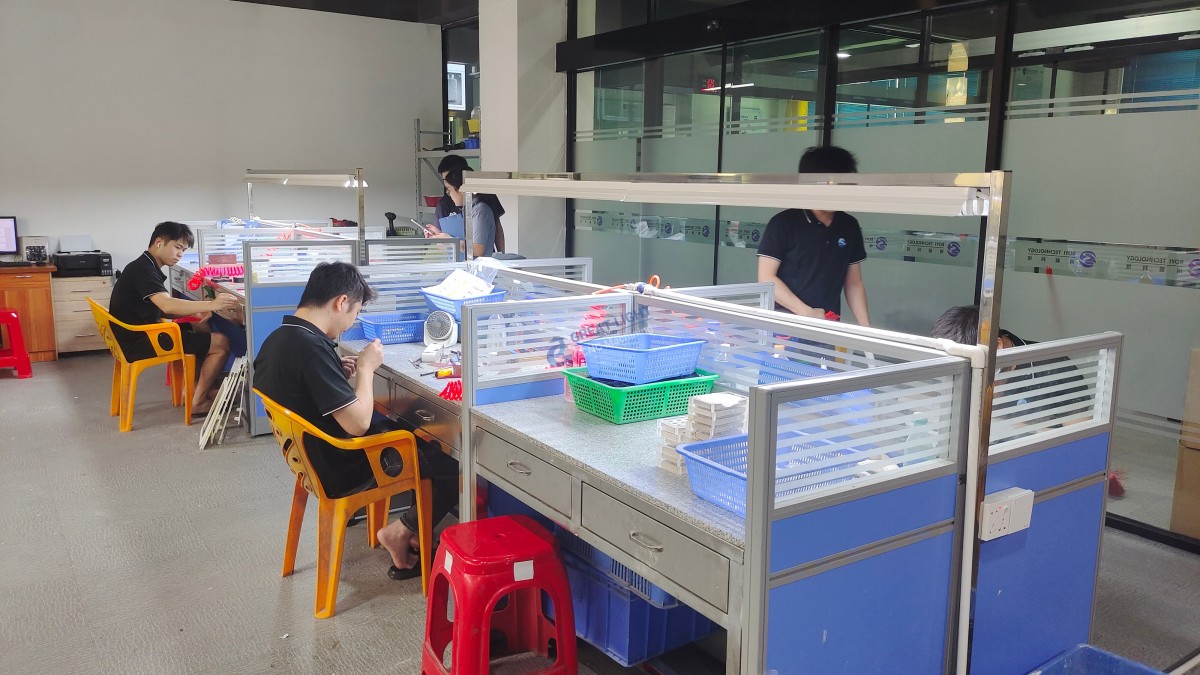
Beyond certifications, consider the supplier’s data‑security posture. GreatLight complies with ISO 27001 standards for projects with intellectual property sensitivity—a growing requirement for electronics OEMs. This means your part design files are encrypted, access‑controlled, and not shared with third parties.
Real‑World Application: How GreatLight Solved a Complex Spacer Challenge
A medical‑device startup needed a spacer for a handheld diagnostic reader that required:
A 0.125 mm thick polyimide film with silicone adhesive on both sides
A complex cut‑out pattern with five tiny islands (0.8 mm x 0.8 mm) that had to remain attached to the carrier
Clean edge without adhesive “halos” to avoid interfering with optical sensor windows
Delivery of 500 prototypes in one week
Most contract manufacturers quoted 4‑weeks for laser‑cut prototypes, warning that the small islands would be distorted. GreatLight CNC Machining proposed a different approach: they machined a flat‑bed die with micro‑relief features using five‑axis EDM, then used a slow‑speed press with vacuum hold‑down. The result: all islands were intact, edge quality was superior to laser, and the adhesive remained clean. The prototype run was completed in 5 days, and the same die was later used for the first production batch of 10,000 parts with no modifications.
Conclusion: Elevating Your Product with the Right Die Cut Partner
Membrane Switch Spacer Die Cut Parts are deceptively simple—yet they directly impact your product’s reliability, user experience, and regulatory compliance. By choosing a manufacturing partner that combines advanced CNC‑based tooling, rigorous quality systems, and a full‑process chain, you avoid the precision black hole that plagues many outsourced parts.
GreatLight CNC Machining’s ability to design and build high‑precision dies in‑house, coupled with its ISO 9001/13485/IATF 16949 certifications, provides a level of control that broker‑based platforms cannot match. Whether you need 50 prototypes or 500,000 production parts, their team can guide you from design through delivery—with measurable quality metrics every step of the way.
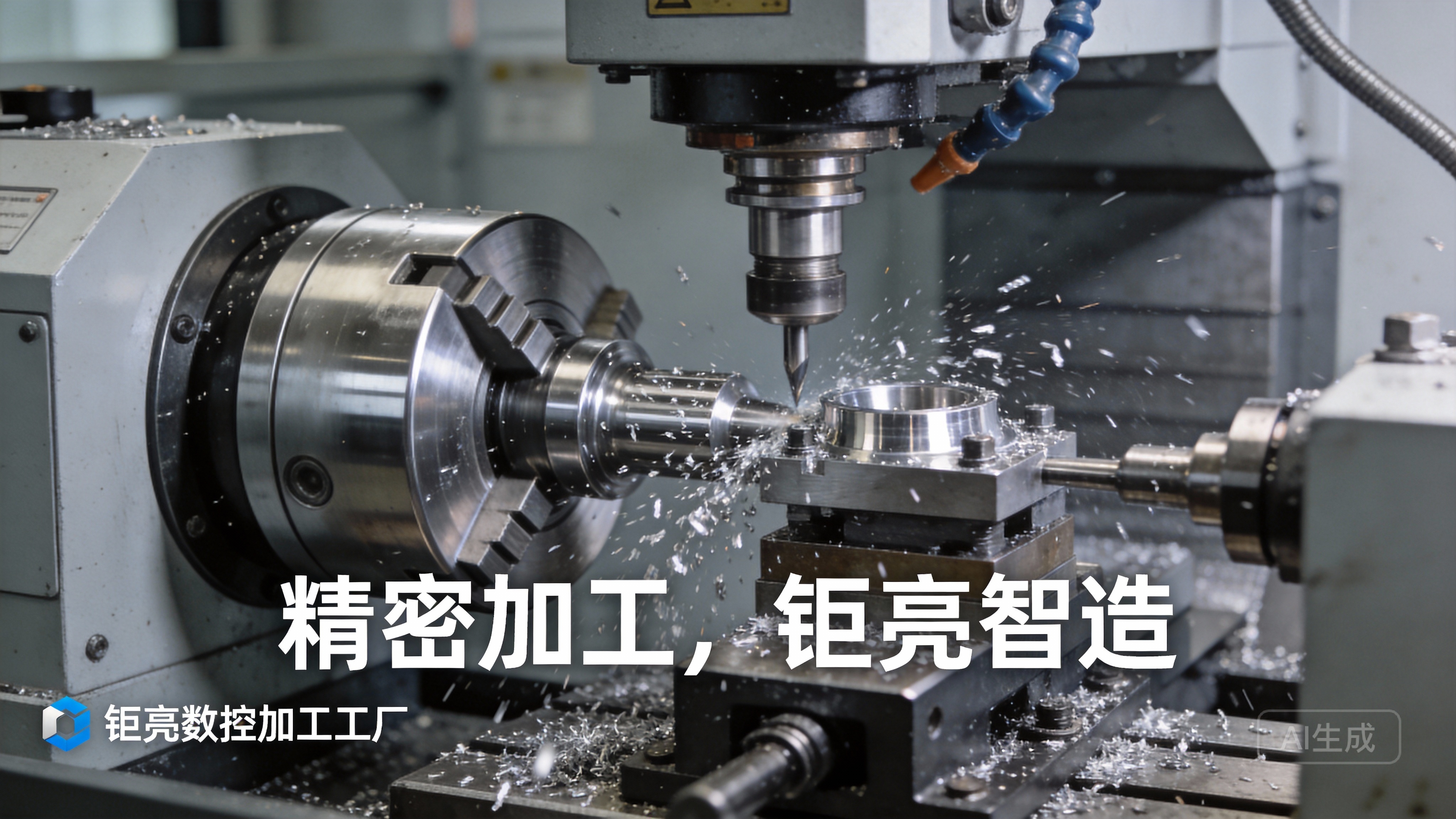
GreatLight CNC Machining stands ready to turn your design into a reliable, mass‑producible reality. Trust the experience, certifications, and technical depth that have made them a partner for humanoid robotics, automotive engines, aerospace, and medical devices. For your next membrane switch spacer project, consider the value of vertical integration and proven precision. [GreatLight CNC Machining] is your expert partner for high‑precision parts and integrated manufacturing solutions.


![[访谈] RAPID + TCT 2024:人工智能对 3D 打印的价值](https://print-ing.com/wp-content/uploads/2024/07/INTERVIEW-60x60.jpeg "[访谈] RAPID + TCT 2024:人工智能对 3D 打印的价值 9")




发表回复
要发表评论,您必须先登录。