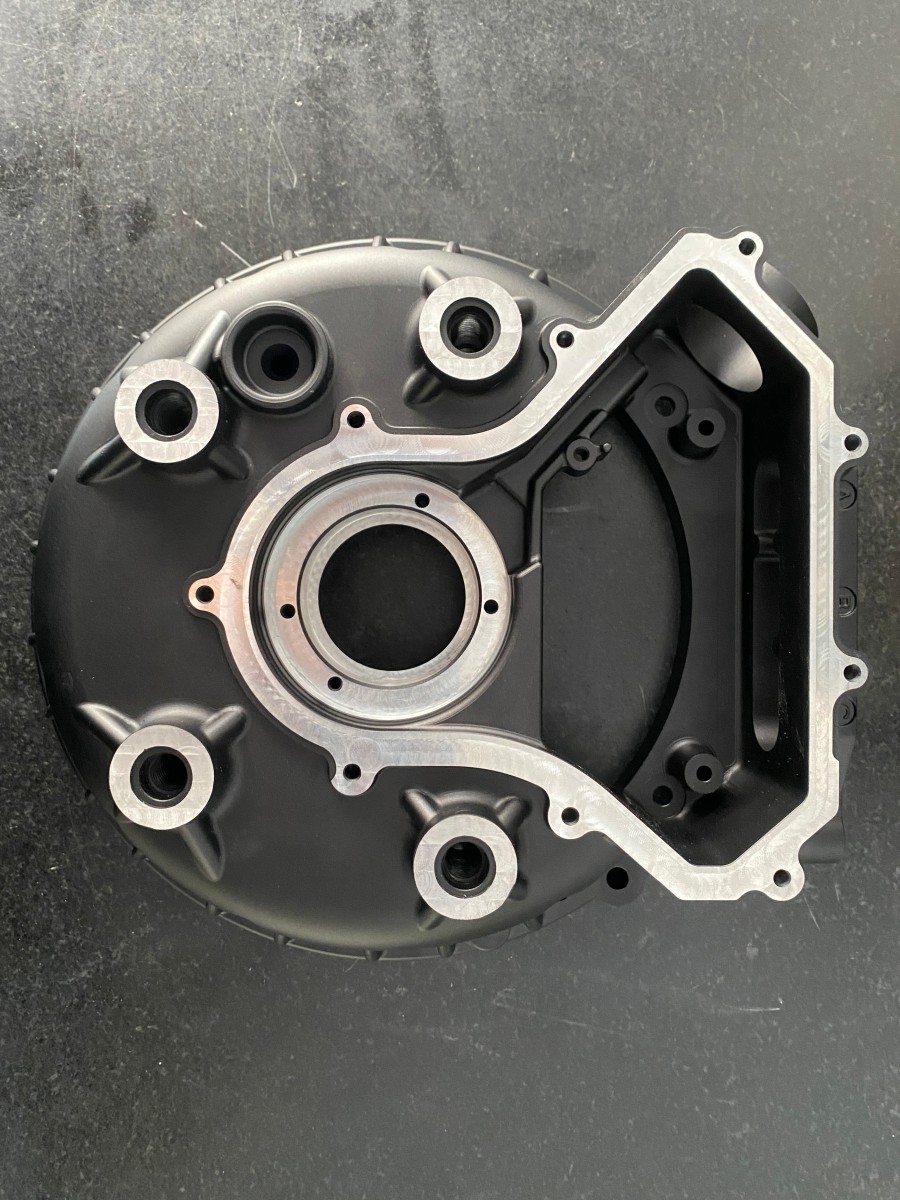
The modern gaming mouse is no longer just a peripheral; it is an extension of the gamer’s intent. The quest for the perfect balance between structural rigidity, weight reduction, thermal management, and ergonomic complexity has led engineers directly to a singular material: magnesium alloy. However, specifying “magnesium alloy” on a drawing is the simple part. The true engineering challenge—and the source of countless project delays—lies in the precision manufacturing of the shell.
For clients in the precision parts machining and customization field, understanding the nuances of machining a Gaming Mouse Shell Magnesium Alloy is critical. This article dissects the technical landscape, from material selection to the final surface finish, to help you navigate the complex supply chain and avoid common pitfalls.
The Unmatched Logic of Magnesium Alloy for Gaming Hardware
Why has magnesium alloy become the material of choice for high-end gaming mice? The answer lies in a specific combination of physical properties that no other material class can replicate at scale.
Exceptional Strength-to-Weight Ratio: Magnesium alloys, such as AZ91D or AM60B, offer a density roughly 30% lighter than aluminum and 75% lighter than zinc alloys or stainless steel. This allows for a structurally robust shell weighing less than 20 grams.
Inherent Vibration Damping: Magnesium has superior vibration absorption characteristics compared to plastics. This translates to a solid, premium “click” feel with less audible rattle.
Superior Electromagnetic Shielding (EMI): Unlike plastic shells that require expensive conductive coatings, a magnesium shell inherently provides EMI shielding, protecting sensitive internal electronics from interference.
Excellent Thermal Conductivity: Magnesium dissipates heat generated by the processor and sensor far more effectively than plastics, preventing hand fatigue during long gaming sessions.
While these advantages are clear, the path to realizing them in a production-ready shell is fraught with technical obstacles.
The Manufacturing Crossroads: Casting vs. CNC Machining
When faced with the task of creating a Gaming Mouse Shell Magnesium Alloy, a critical decision emerges: die casting or CNC machining. Each path offers distinct trade-offs. Many clients begin with die casting for its perceived low cost per unit, only to discover the hidden “precision black hole.”
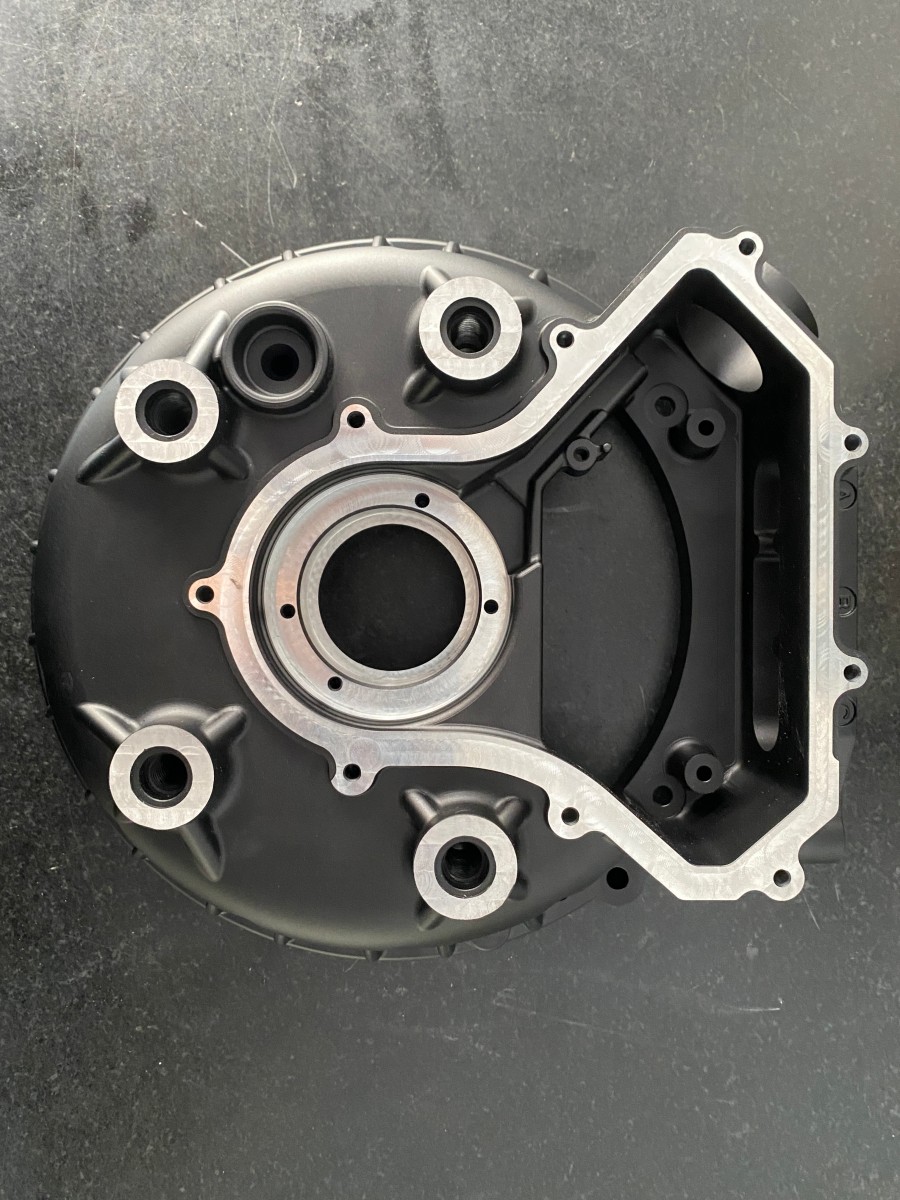
H3: The Scale-Dependent Logic of Die Casting
For high-volume production runs exceeding 100,000 units, traditional hot or cold chamber die casting is the standard entry point. The process offers high speed and low unit cost once the mold is amortized.
The Mold Reality: A complex casting die for a gaming mouse shell can cost $30,000 to $80,000. This tooling cost is a barrier for iterative prototyping or low-volume, high-mix production.
The Chimera of Casting Precision: A raw die-cast part is not a finished part. It inherently contains a parting line, requires ejector pin marks, and often exhibits porosity. The as-cast dimensional tolerance is typically only ISO 8062 CT5-7 (approximately ±0.5mm to ±0.8mm).
The Post-Processing Imperative: The cast part then must go to a CNC machining center for precision trimming, drilling, threading, and surfacing of critical interfaces (e.g., switch housings, screw bosses). This secondary operation often adds 30-50% cost and time to the part.
H3: The Precision-Led Logic of CNC Machining (From Solid Stock)
For medium-volume production (1,000 to 20,000 units per year), or for prototyping and performance-critical parts, machining a Gaming Mouse Shell Magnesium Alloy directly from solid billet is the optimal path.
Internal Linking Strategy: For complex geometries requiring the precision of direct machining, consider exploring our precision five-axis CNC machining services for more details.
No Tooling Cost: Eliminating the $50,000+ mold investment allows for immediate production and design iteration. This is critical for e-sports brands releasing limited “Pro Edition” runs or validating complex ergonomic designs.
Superior Mechanical Properties: Wrought magnesium (machined from bar or plate) has a more consistent grain structure than cast magnesium. This results in higher ultimate tensile strength, better fatigue resistance, and zero internal porosity. The shell will simply be stronger and less prone to cracking.
Tolerances of ±0.05mm or Better: A CNC-machined part can hold critical dimensions like the switch plunger depth or the sensor lens mounting plane to a tolerance of ±0.05mm or ±0.025mm, ensuring consistent click registration and sensor alignment.
Design Freedom: Intricate undercuts, internal cooling channels for LED modules, or honeycomb weight-reduction lattice patterns can be machined directly into the billet without the design constraints of a die-cast mold.
However, machining magnesium is not for the faint of heart. It requires specific expertise in both process control and safety.
The Technical Crucible: Mastering Magnesium Machining
Magnesium is the lightest structural metal, but it is also chemically reactive. Machining it demands a rigorous, engineered approach. This is where a supplier with high-precision part machining capabilities distinguishes itself.
H4: The Fire Hazard and the Solution
Magnesium chips are highly flammable in the presence of high heat and moisture (producing hydrogen gas). Standard flood coolant (water-based) is strictly forbidden. Instead, dry machining with compressed air or a closed-loop, high-pressure mist of vegetable-based oil is the standard. The machining center must be sealed, the coolant system must be dedicated to magnesium, and the chip collection must be immediate.
H4: Tooling Strategy and Surface Finish
Magnesium is relatively soft and gummy. To achieve the desired matte or gloss finish on the shell, the toolpath must be optimized:
Sharp Cutting Edges: Using tools with positive rake angles to minimize built-up edge (BUE).
High Speeds, Moderate Feeds: Achieving high chip evacuation rates prevents heat buildup.
Diamond-Like Carbon (DLC) Coating: DLC-coated micro-grain carbide end mills are the standard for finishing, providing excellent wear resistance and preventing galling on the magnesium surface.
H4: From Billet to Bio-Mimetic Shell
Consider the process for a typical asymmetrical, right-handed gaming mouse shell:
Roughing (3-Axis): Remove the bulk of the material from the 6061 or AZ31 magnesium billet. This creates the outer profile and internal cavities.
5-Axis Roughing/Finishing: The component is indexed in a 5-axis machining center to machine the complex curvature of the palm rest, the undercuts for the side buttons, and the intricate internal geometry for the scroll wheel housing.
Interior Precision: The perfect flatness of the PCB mounting boss is machined. Threaded brass inserts are installed to provide durable anchor points for the plastic housing components.
Final Surface Treatment: After de-burring, the shell is cleaned and prepared for its finish.
Surface Finishing: Engineering the “Touch” of Premium
A raw magnesium surface is susceptible to oxidation and corrosion. The final finish is not just aesthetic; it is functional. Here are the three primary routes for a Gaming Mouse Shell Magnesium Alloy.
| Finish Type | Process | Benefit | Use Case |
|---|---|---|---|
| Micro-Arc Oxidation (MAO) | Plasma electrolytic oxidation in an alkaline electrolyte | Extremely hard ceramic coating, excellent corrosion resistance, die-electric. | Base coating before painting or the final matte finish itself. Offers a deep, premium black. |
| Electrophoretic Coating (E-Coat) | Immersion in a water-based paint bath, using electrical current to deposit film | Uniform coverage of complex shapes, exceptional adhesion, very thin layer (15-25 microns). | The foundation layer for any painted finish. Protects the magnesium from the paint. |
| Anodizing (Type III) | Hard anodizing in a sulfuric acid bath (with special magnesium formulation) | Adds a wear-resistant, porous layer that can be dyed (e.g., custom colors). | Less common for magnesium (more common for aluminum) due to process complexity, but provides a hard, scratch-resistant surface. |
External Linking Strategy: To see how leading manufacturers are standardizing their surface finishing processes and quality control, connect with industry professionals on LinkedIn.
The best engineering finish for a magnesium gaming mouse is often a two-step process: MAO or E-Coat for base corrosion resistance, followed by a UV-cured paint or PVD coating for the desired color, texture, and “feel.”
Why Many Suppliers Fail the Magnesium Challenge
The gaming mouse shell is a high-stakes part. The market is unforgiving; a slight weight increase or a change in texture can ruin a product’s profile. Common failure modes include:
Inadequate Rigidity: A supplier attempts to “thin” the wall too much to save weight, leading to flex under grip pressure. The solution requires a more robust internal ribbed structure design and guaranteed material integrity (no casting porosity).
Inconsistent Surface Texture: The tactile quality of the plastic side grips or the raw metal surface must be consistent from batch to batch. This requires rigorous control of the toolpath step-over and the finishing tool condition.
Lead Time Delays: A 12-week lead time for a die-cast mold is incompatible with the rapid 8-week product cycle of the gaming industry. CNC machining from solid stock at factories like GreatLight Metal or Protolabs Network can offer delivery in 2-4 weeks.
Choosing the Right Partner for Your Gaming Mouse Shell
For clients who need immediate, high-precision manufacturing without the burden of mold costs, the CNC machining route is paramount. Suppliers such as GreatLight Metal (with its arsenal of 5-axis Dema machines in Chang’an), Xometry (for diverse material sourcing), or Fictiv (for rapid quoting and online project management) offer distinct value propositions.
However, the specialist edge lies in understanding the end-use application. A factory that simply “cuts metal” is different from a partner that understands the engineering of a gaming mouse. The latter will ask:
What is the target weight?
What is the button actuation force?
What is the required hardness of the internal switch post?
What is the acceptable draft angle for the E-coating process?
For a Gaming Mouse Shell Magnesium Alloy, the final part is a symphony of engineering choices. By moving beyond commodity manufacturing and embracing the full-process chain—from billet Machining to MAO finishing—you transform a potential project risk into a reliable, high-performance product.
At GreatLight CNC Machining, we have the expertise and the 5-axis machining centers to meet those challenges head-on. With ISO 9001:2015 and IATF 16949 certifications, and a facility dedicated to managing the magnesium machining process safely and precisely, we are your partner in navigating the precision predicament of high-end gaming hardware.
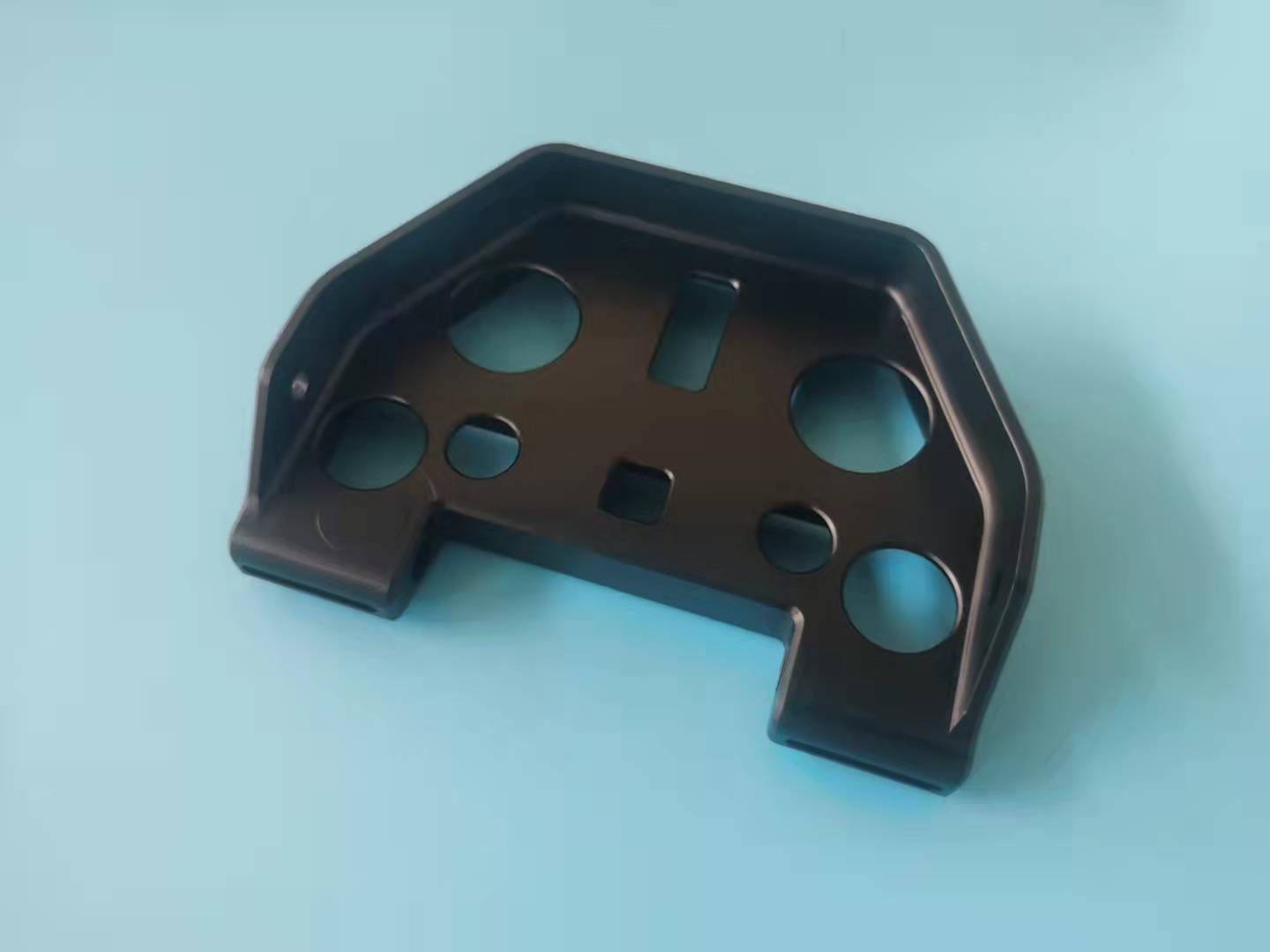
Summary of Engineering Recommendations
For Prototyping: Always use CNC machining from solid AZ31/AZ61 billet. It provides the fastest turnaround (2 weeks) and the most accurate representation of the final product’s strength and feel.
For Production: Evaluate the total cost of ownership. A die-cast shell + CNC post-processing is expensive and slow. CNC machining from billet is competitive for runs up to 20,000 units and offers superior quality.
For Surface Finish: Budget for a two-step process: a corrosion barrier layer (MAO or E-Coat) followed by a high-durability topcoat. Never accept a raw unpainted magnesium surface for a product handled daily.
For Quality: Demand CMM inspection reports for critical dimensions like the sensor lens plane and button pivot points. ±0.05mm tolerance is acceptable; anything less is a failure.
The choice is clear: for a Gaming Mouse Shell Magnesium Alloy that defines the premium standard, precision is not optional. It is the core requirement.


![[访谈] RAPID + TCT 2024:人工智能对 3D 打印的价值](https://print-ing.com/wp-content/uploads/2024/07/INTERVIEW-60x60.jpeg "[访谈] RAPID + TCT 2024:人工智能对 3D 打印的价值 9")




发表回复
要发表评论,您必须先登录。