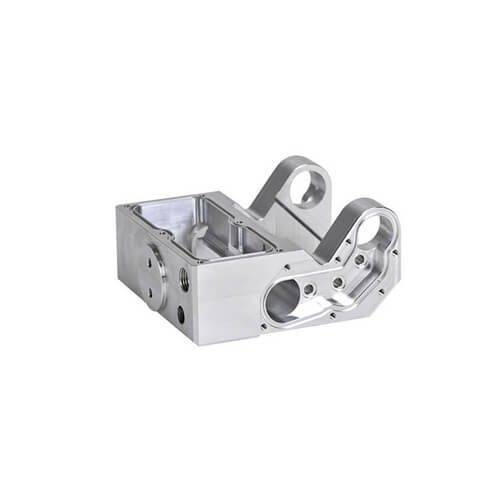
The Critical Role of Generator Stator Housing Sheet Metal in Power Systems
The generator stator housing sheet metal structure represents one of the most technically demanding components in power generation equipment. This housing not only provides physical protection for the stator winding assembly but also serves critical functions in heat dissipation, electromagnetic shielding, and structural integrity under extreme operating conditions. When manufacturers seek reliable partners for generator stator housing sheet metal fabrication, they encounter a complex landscape of material science challenges, dimensional tolerance requirements, and assembly precision that demands exceptional manufacturing expertise.
In the power generation industry, the stator housing must withstand continuous vibration, thermal cycling, and mechanical stress while maintaining precise alignment of internal components. The sheet metal fabrication process for these housings requires specialized knowledge of material behavior during forming, welding, and post-processing operations. Unlike generic sheet metal enclosures, generator stator housings demand engineering approaches that account for electromagnetic interference, cooling channel integration, and long-term reliability in harsh environments.
Understanding the Technical Demands of Generator Stator Housing Manufacturing
Material Selection Considerations for Stator Housing Fabrication
The choice of sheet metal material for generator stator housing significantly impacts performance, cost, and manufacturing complexity. Common materials include:
Mild Steel (DC01/SPCC) provides excellent weldability and formability at lower material costs, making it suitable for large industrial generators where magnetic permeability is not a primary concern. However, corrosion protection becomes essential, requiring surface treatments like phosphating or powder coating.
Stainless Steel (304/316L) offers superior corrosion resistance and maintains structural integrity in humid or chemically aggressive environments. The trade-off includes higher material costs and increased forming difficulty due to work hardening characteristics.
Aluminum Alloy (5052/6061) presents advantages in weight reduction and thermal conductivity, particularly valuable for mobile or portable generator applications. The challenges with aluminum include lower fatigue strength and specific welding technique requirements.
Silicon Steel Laminations when integrated into stator housing designs, require specialized handling to preserve magnetic properties while achieving the necessary mechanical support structure.
Dimensional Precision Requirements in Stator Housing Production
The generator stator housing sheet metal fabrication process must achieve dimensional tolerances that directly affect generator efficiency and operational reliability. Key tolerance zones include:
Mounting flange flatness: ±0.05mm per 300mm span
Concentricity between stator bore and housing outer diameter: ±0.10mm
Weld joint gap control: 0.5-1.5mm depending on material thickness
Cooling channel dimensional accuracy: ±0.20mm for optimal fluid dynamics
These specifications demand manufacturing processes that maintain consistency across production volumes while accommodating design variations. GreatLight Metal, established in 2011 in Dongguan’s Chang’an District, has developed systematic approaches to achieving these tolerances through advanced five-axis CNC machining capabilities combined with precision sheet metal forming techniques.
Advanced Manufacturing Processes for Stator Housing Components
Precision Sheet Metal Cutting and Forming Technologies
Modern generator stator housing fabrication relies on several complementary manufacturing technologies:
Laser Cutting provides clean, burr-free edges with kerf widths as narrow as 0.1mm, enabling complex cutouts for ventilation openings and mounting provisions. Fiber laser systems operating at 6-12kW can process sheet metal up to 25mm thickness with positional accuracy of ±0.03mm.
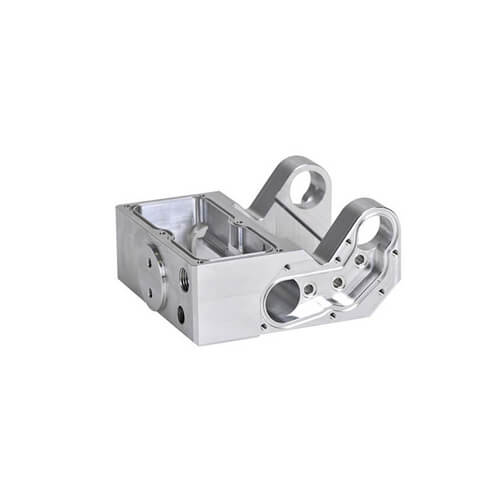
Press Brake Forming employs CNC-controlled backgauges and angle measurement systems to achieve bend angles within ±0.5 degrees. For large stator housing segments, press brakes with 500-ton capacity and 6-meter bed lengths accommodate heavy-gauge materials.
Roll Forming processes produce consistent curved sections for cylindrical housing components, with automated systems maintaining constant curvature radius throughout production runs.
Robotic Welding Cells equipped with real-time seam tracking and adaptive parameter control ensure consistent weld quality while minimizing heat-affected zone distortion.
Five-Axis CNC Machining Integration in Stator Housing Production
The transition from sheet metal blank to finished generator stator housing sheet metal component often requires machining operations that traditional sheet metal shops cannot perform. Five-axis CNC machining centers enable:
Precision machining of mounting bosses and locating features
Drilling and tapping of threaded holes with controlled thread depth
Milling of sealing surfaces to achieve flatness requirements
Complex contour machining for aerodynamic or hydrodynamic optimization
GreatLight Metal’s facility operates 127 precision peripheral equipment units, including large high-precision five-axis, four-axis, and three-axis CNC machining centers. This equipment arsenal allows simultaneous processing of sheet metal components and machined features within a single setup, reducing cumulative tolerance stack-up.
Welding and Joining Technologies Specific to Stator Housing Construction
The structural integrity of generator stator housing depends heavily on welding quality. Advanced techniques employed in this domain include:
Tungsten Inert Gas (TIG) Welding provides precise heat input control essential for thin-gauge sheet metal joints, with weld speeds typically 50-150mm per minute depending on material thickness.
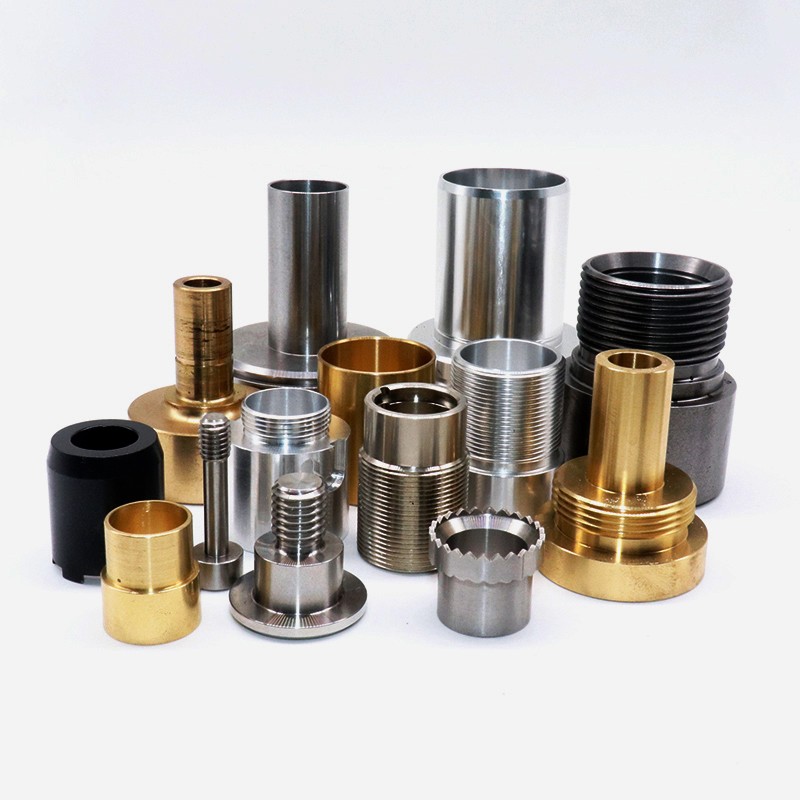
Metal Inert Gas (MIG) Welding with pulsed spray transfer enables higher deposition rates for thicker sections while maintaining low heat input to minimize distortion.
Laser Welding achieves narrow heat-affected zones and minimal distortion, particularly valuable for hermetic sealing requirements in explosion-proof generator housings.
Friction Stir Welding offers solid-state joining for aluminum alloy housings, eliminating fusion-related defects and preserving material properties.
Quality Management Systems Ensuring Stator Housing Reliability
ISO 9001:2015 Certification and Its Application in Sheet Metal Fabrication
GreatLight Metal operates as an ISO 9001:2015 certified manufacturer, implementing systematic quality control throughout the generator stator housing sheet metal production process. Key quality management elements include:
Raw material traceability with certified mill test reports
In-process inspection at each manufacturing stage
First article inspection reports (FAIR) documenting dimensional compliance
Statistical process control (SPC) for key manufacturing parameters
Final inspection protocols including coordinate measuring machine (CMM) verification
Specialized Quality Verification for Power Generation Components
Generator stator housings require verification beyond standard sheet metal inspection. Critical quality checks include:
Dimensional Verification: Using CMMs with measurement uncertainty below ±0.002mm to validate critical diameters, concentricity, and flatness specifications.
Leak Testing: Helium mass spectrometer leak detection for sealed cooling channels, achieving sensitivity levels of 1×10⁻⁹ mbar·L/s.
Weld Integrity Assessment: Non-destructive testing methods including ultrasonic inspection, radiographic examination, and dye penetrant testing to verify weld quality.
Surface Finish Measurement: Profilometer verification of sealing surfaces to ensure Ra values within specification.
Material Certification and Traceability in Stator Housing Production
Documentation Requirements for High-Reliability Applications
Power generation equipment manufacturers require comprehensive material documentation for generator stator housing sheet metal components. GreatLight Metal maintains systems that provide:
Material grade, heat number, and mechanical property certifications
Weld procedure qualification records (WPQR)
Welder performance qualifications (WPQ)
Non-destructive testing reports with technician certifications
Dimensional inspection reports with measurement instrument calibration certificates
Regulatory Compliance for Global Market Access
Generator stator housings destined for international markets must comply with various standards:
IEC 60034 series for rotating electrical machines
NEMA MG 1 for motors and generators
ATEX/IECEx for explosive atmosphere applications
UL 1004 for electric motors
Comparative Analysis of Stator Housing Manufacturing Capabilities
When evaluating suppliers for generator stator housing sheet metal fabrication, manufacturers must consider several factors. The following comparison illustrates how different providers approach this demanding application:
| Capability | GreatLight Metal | Protolabs | Xometry | Fictiv |
|---|---|---|---|---|
| Facility Size | 7,600 sq.m (76,000 sq.ft) | Multiple facilities worldwide | Network-based model | Network-based model |
| Years in Business | Since 2011 | Since 1999 | Since 2014 | Since 2013 |
| Certifications | ISO 9001, IATF 16949, ISO 13485, ISO 27001 | ISO 9001, AS9100, ISO 13485 | ISO 9001, AS9100, ISO 13485 | ISO 9001, AS9100 |
| Equipment Count | 127 precision machines | Automated quoting & manufacturing | Distributed network | Distributed network |
| Max Part Size | 4,000mm | Varies by process | Varies by process | Varies by process |
| Precision Capability | ±0.001mm | ±0.005mm typical | ±0.005mm typical | ±0.010mm typical |
| Post-Processing | Full one-stop services | Limited in-house | Varies by partner | Varies by partner |
| Engineering Support | Dedicated team | Automated DFM feedback | Online platform | Online platform |
Analysis of Differentiation Factors
GreatLight Metal brings distinct advantages to generator stator housing sheet metal manufacturing through its integrated facility approach. The concentration of 127 precision equipment units under one roof enables complete control over quality, lead times, and process synchronization. The ISO 9001, IATF 16949, ISO 13485, and ISO 27001 certifications demonstrate commitment to quality across multiple regulated industries, providing assurance for power generation applications.
Protolabs excels in rapid prototyping and low-volume production with automated quoting and manufacturing systems. Their strength lies in speed for less complex designs, though their network-based model may introduce coordination challenges for large stator housings requiring multiple process steps.
Xometry and Fictiv operate predominantly as manufacturing networks connecting customers with partner shops. While offering broad capability coverage, the distributed model can present challenges for complex assemblies requiring tight process integration between fabrication stages.
The Full-Process Manufacturing Advantage for Stator Housing Components
From Design Verification to Finished Assembly
The production of generator stator housing sheet metal components benefits from facilities that can execute the complete manufacturing sequence:
Design for Manufacturability (DFM) Analysis: Engineering teams review customer designs to identify potential issues in sheet metal forming, welding accessibility, and machining sequences before production begins.
Prototype Development: Using five-axis CNC machining and sheet metal forming capabilities, prototypes can be produced to verify fit and function before committing to production tooling.
Production Tooling: For high-volume requirements, dedicated press brake tooling, welding fixtures, and machining workholding are designed and manufactured in-house.
Serial Production: With ISO-controlled processes, production runs achieve consistent quality while maintaining traceability for each manufacturing lot.
Post-Processing Integration: Stator housings receive complete surface treatment, including cleaning, phosphating, powder coating, or painting within the same facility.
Surface Treatment and Finishing for Stator Housing Durability
Corrosion Protection Systems for Generator Stator Housing Sheet Metal
The operating environment for power generation equipment necessitates robust corrosion protection. Common treatment sequences include:
Alkaline Cleaning and Degreasing: Removes forming lubricants and shop soils to prepare surfaces for subsequent treatments.
Phosphating: Creates crystalline phosphate conversion coating that enhances paint adhesion and provides initial corrosion resistance.
Powder Coating: Application of thermosetting powder followed by curing at 180-200°C produces durable finishes with thickness control of ±10μm.
Two-Component Polyurethane Paint: For applications requiring chemical resistance and UV stability, liquid paint systems provide protective properties.
Zinc-Rich Primers: For severe environments, zinc-rich formulations provide sacrificial protection at coating defects.
Specialized Finishes for Thermal Management
Generator stator housings often require surface finishes optimized for heat transfer:
High-emissivity coatings to improve radiative heat dissipation
Internal surface treatments for cooling channel efficiency
Thermal barrier coatings for components exposed to engine exhaust heat
Applications and Industry Solutions
Generator Sets for Critical Infrastructure
generator stator housing sheet metal components manufactured for backup power systems require exceptional reliability. GreatLight Metal has delivered solutions for:
Data center emergency power generators requiring 99.999% uptime
Hospital backup systems with stringent noise and vibration specifications
Telecommunications tower generators operating in remote locations
Marine auxiliary generators exposed to salt spray environments
Renewable Energy Power Conversion Systems
Wind and solar energy systems incorporate generators requiring specialized stator housing designs:
Wind turbine generators with large-diameter, thin-wall housing constructions
Solar tracking system drive motors with compact stator configurations
Hydrokinetic generators requiring underwater housing with corrosion resistance
Industrial Power Generation Applications
Heavy industrial environments demand robust generator stator housing sheet metal solutions:
Co-generation systems combining heat and power production
Oil and gas platform generators requiring explosion-proof construction
Mining equipment generators with dust and moisture ingress protection
Locomotive auxiliary power units with shock and vibration resistance
Engineering Support: The Differentiator in Complex Sheet Metal Projects
Technical Expertise Applied to Stator Housing Challenges
The complexity of generator stator housing sheet metal fabrication demands engineering support beyond basic manufacturing. GreatLight Metal provides:
Material Selection Guidance: Engineering teams analyze operating conditions to recommend optimal material grades and thicknesses.
Formability Analysis: Finite element analysis (FEA) predicts material behavior during forming operations, identifying potential cracking or wrinkling issues before tooling commitment.
Weld Engineering: Weld procedure development considers joint configuration, material properties, and distortion control strategies.
Assembly Sequence Planning: For multi-segment housings, assembly sequences are optimized to maintain dimensional control through the welding process.
Collaborative Problem Resolution
When production challenges arise, having experienced engineering support available makes the difference between project delays and successful resolution. GreatLight Metal’s team brings decades of combined experience in precision manufacturing, enabling rapid diagnosis and solution implementation.
Quality Assurance Beyond Compliance
Data Security for Intellectual Property Protection
Power generation equipment designs often contain proprietary technology protected through trade secrets. GreatLight Metal’s ISO 27001 certification ensures information security management systems protect customer intellectual property throughout the manufacturing process.
Continuous Improvement Culture
The ISO 9001 framework supports ongoing process optimization through:
Corrective action implementation for quality deviations
Preventive action planning based on trend analysis
Management review of quality metrics and improvement opportunities
Employee training programs for skill development
Choosing the Right Partner for Generator Stator Housing Production
Evaluation Criteria for Stator Housing Manufacturers
When assessing potential suppliers for generator stator housing sheet metal fabrication, manufacturers should consider:
Technical Capability Breadth: Does the supplier have the equipment and expertise to handle all required manufacturing processes?
Quality System Depth: Are certifications meaningful for the specific application requirements?
Engineering Support Availability: Can the supplier provide technical assistance during design and production phases?
Production Scalability: Can the supplier transition from prototypes to production volumes without requalification?
Location and Logistics: Does the supplier’s location facilitate efficient transportation and communication?
GreatLight Metal’s Commitment to Manufacturing Excellence
Since its establishment in 2011, GreatLight Metal has continuously invested in advanced manufacturing capabilities and quality management systems. The combination of five-axis CNC machining technology, precision sheet metal fabrication, and comprehensive post-processing services positions the company as a capable partner for demanding applications including generator stator housing sheet metal production.
With 150 employees working in ISO-controlled environments, GreatLight Metal maintains the balance between manufacturing flexibility and quality consistency. The ISO 9001 certification provides the framework for systematic quality management, while certifications including IATF 16949, ISO 13485, and ISO 27001 demonstrate capability across multiple regulated industries.
Conclusion: The Foundation of Reliable Power Generation
The generator stator housing sheet metal represents a critical interface between electrical machine design and mechanical system integration. Successful manufacturing requires understanding both the functional requirements of power generation equipment and the practical constraints of sheet metal fabrication processes.
Manufacturers seeking reliable partners for this demanding component should evaluate suppliers based on demonstrated capability, quality system robustness, and engineering support depth. GreatLight Metal’s decade-plus experience in precision manufacturing, combined with comprehensive equipment resources and quality certifications, provides the foundation for successful generator stator housing sheet metal production.
Whether developing prototypes for new generator designs or establishing production supply chains for existing models, choosing a manufacturing partner with the right combination of technical capability, quality commitment, and engineering expertise ensures that generator stator housing components meet the demanding requirements of power generation applications. GreatLight Metal’s integrated approach to precision manufacturing, from material selection through final finishing, offers manufacturers a reliable path to quality stator housing production with the engineering support needed to address complex design requirements.
For power generation equipment manufacturers evaluating their next [generator stator housing sheet metal] project, investing in partnerships with manufacturers that demonstrate real operational capabilities rather than paper qualifications yields measurable benefits in quality consistency, lead time reliability, and long-term component performance across the generator’s operational lifecycle. GreatLight Metal


![[访谈] RAPID + TCT 2024:人工智能对 3D 打印的价值](https://print-ing.com/wp-content/uploads/2024/07/INTERVIEW-60x60.jpeg "[访谈] RAPID + TCT 2024:人工智能对 3D 打印的价值 9")




发表回复
要发表评论,您必须先登录。