As the global demand for renewable energy continues to surge, solar tracking systems have emerged as a critical technology for maximizing photovoltaic (PV) panel efficiency. Unlike fixed-tilt installations, solar trackers dynamically adjust the orientation of solar panels throughout the day to follow the sun’s path, increasing energy yield by 25% to 35%. However, the reliability and longevity of these systems depend entirely on the precision and durability of their mechanical components.
For procurement engineers, R&D teams, and project managers in the solar energy sector, understanding the intricacies of solar tracker mechanism metal parts is essential for ensuring system performance, reducing maintenance costs, and achieving long-term operational reliability. This comprehensive guide explores the engineering challenges, material selection criteria, manufacturing processes, and quality assurance standards that define world-class solar tracker components.
Understanding Solar Tracker Mechanisms and Their Metal Components
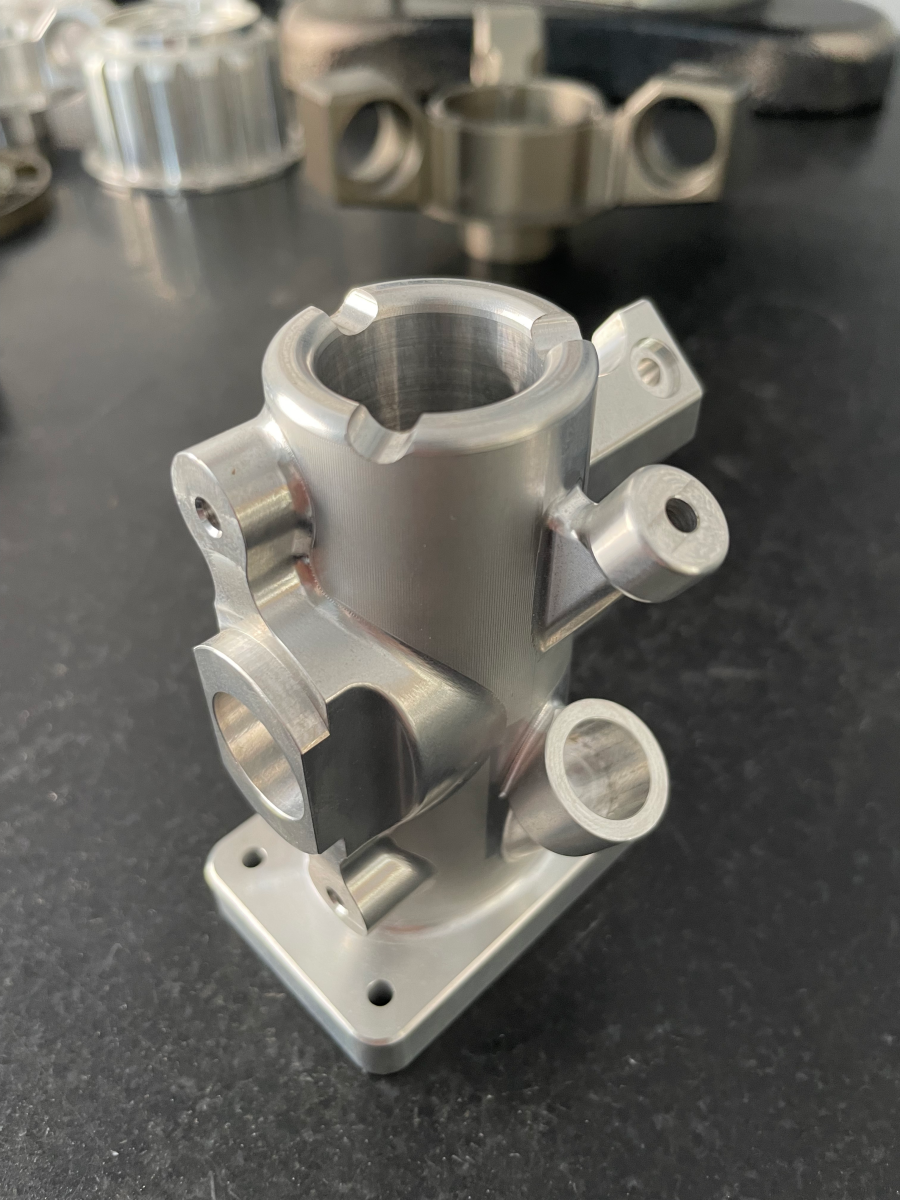
Solar tracker mechanisms are complex electromechanical systems that combine structural frames, drive systems, control electronics, and precision-machined metal parts. The metal components form the backbone of these systems, transferring loads, enabling rotational movement, and maintaining alignment under extreme environmental conditions.
Key Metal Components in Solar Tracker Systems
The primary metal parts found in solar tracker mechanisms include:
Torque Tubes and Drive Shafts: These are the main structural elements that transmit rotational force from the drive system to the solar panel array. Typically made from high-strength steel or aluminum alloys, these components must withstand torsional stresses, wind loads, and thermal expansion. Precision machining of these components ensures proper alignment and smooth rotation.
Gearboxes and Transmission Housings: Enclosures for gear reduction systems require tight tolerances to maintain gear mesh alignment and prevent lubricant leakage. CNC-machined housings from aluminum or cast iron provide the rigidity needed for long-term durability.
Pivot Joints and Bearing Housings: These critical components facilitate rotational movement at the base and intermediate connection points. Precision grinding and machining of bearing surfaces ensure minimal friction and extended service life.
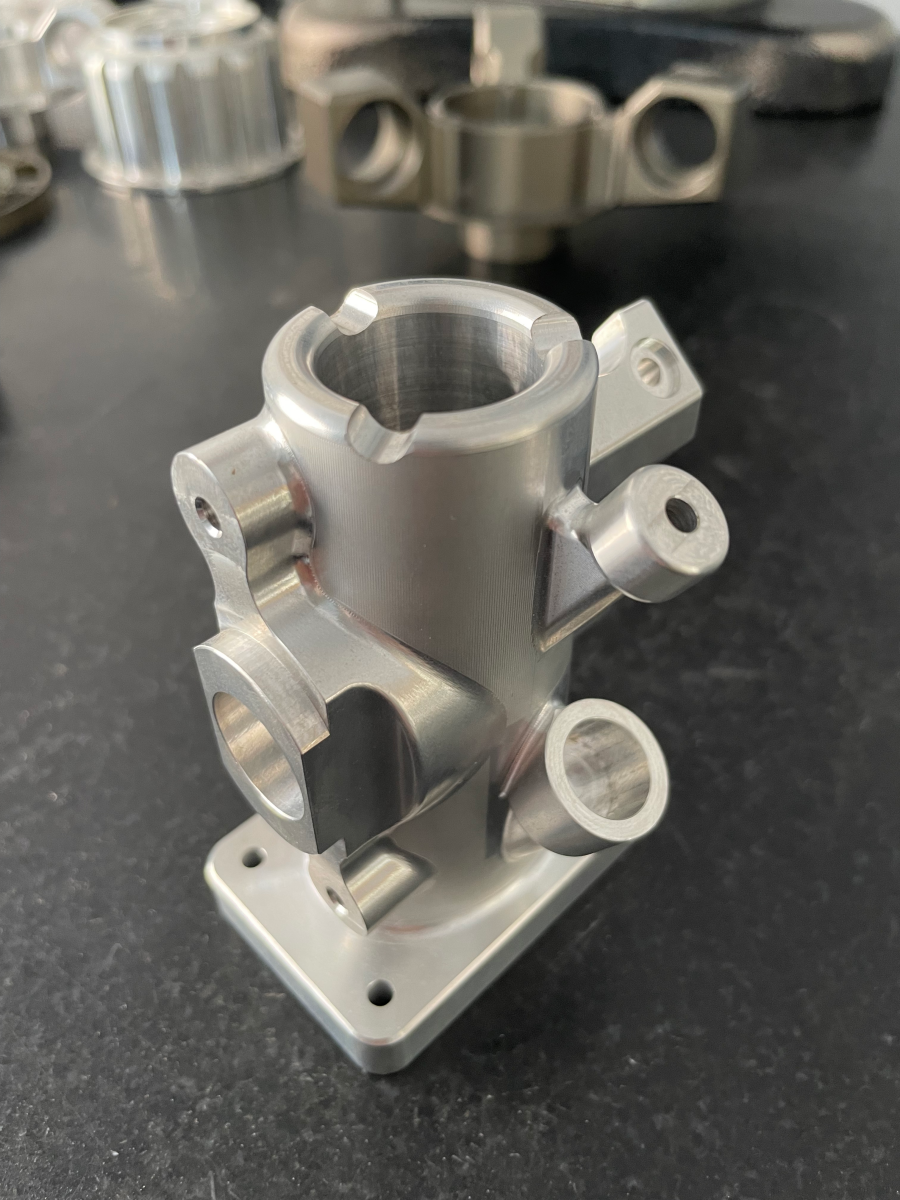
Linear Actuator Components: Hydraulic or electric linear actuators use precision-machined pistons, cylinders, and rod ends. Surface finishes of Ra 0.4μm or better are common for sealing surfaces.
Mounting Brackets and Structural Connectors: These components join the tracker mechanism to foundation structures and solar panel frames. Weldments and machined brackets must accommodate thermal expansion while maintaining structural integrity.
Slewing Drive Components: Large-diameter slewing rings used in single-axis and dual-axis trackers require precision machining of gear teeth, raceways, and mounting surfaces. These components often demand tolerances within ±0.025mm.
The Precision Challenge: Why Solar Tracker Parts Demand Exceptional Accuracy
Unlike many industrial applications, solar tracker mechanisms operate in harsh outdoor environments for 25+ years with minimal maintenance. The precision requirements stem from several critical factors:
Load Distribution and Fatigue Life
The cyclic loading from wind, snow, and thermal expansion creates significant stress concentrations at connection points. A poorly machined pivot joint with a surface deviation of just 0.1mm can accelerate wear exponentially, reducing component life from 25 years to less than 5 years. Precision CNC machining ensures uniform load distribution across bearing surfaces, eliminating stress risers that initiate fatigue cracks.
Alignment and Tracking Accuracy
The economic viability of solar tracking systems depends on precise sun-following capability. Backlash in gear systems or misalignment in drive shafts can reduce energy capture by 5% to 10%. Machining tolerances of ±0.02mm in critical drive components translate directly to tracking accuracy improvements.
Sealing and Environmental Protection
Solar tracker mechanisms must resist dust ingress, water infiltration, and corrosion in extreme environments ranging from desert sandstorms to coastal salt spray. Precision-machined sealing surfaces with controlled surface finishes enable reliable O-ring and gasket performance, preventing premature bearing and gear failure.
Material Selection for Solar Tracker Mechanism Metal Parts
Choosing the right materials for solar tracker components involves balancing strength, corrosion resistance, weight, and cost. The following materials represent industry standards for different applications:
Aluminum Alloys
6061-T6 and 6082-T6 aluminum are widely used for structural components and housings due to their excellent strength-to-weight ratio, good machinability, and natural corrosion resistance. These alloys are ideal for torque tubes, mounting brackets, and actuator housings where weight reduction is critical for reducing foundation loads.
For components requiring higher strength, 7075-T6 aluminum offers tensile strengths exceeding 570 MPa while maintaining good machinability. However, its lower corrosion resistance compared to 6061 requires protective coating in coastal environments.
Stainless Steel Grades
For components exposed to corrosive environments or requiring high fatigue strength, several stainless steel grades are commonly specified:
304 Stainless Steel: Offers good corrosion resistance and moderate strength, suitable for non-critical structural components and fasteners in controlled environments.
316 Stainless Steel: With molybdenum content providing enhanced corrosion resistance against chlorides, this grade is preferred for coastal installations and chemical processing environments.
17-4 PH Stainless Steel: This precipitation-hardening grade delivers exceptional strength (up to 1300 MPa) combined with excellent corrosion resistance. It is ideal for high-stress components such as actuator rods, gear shafts, and pivot pins.
Carbon and Alloy Steels
For large structural components and high-load applications, steel remains the most cost-effective choice:
ASTM A36/SAE 1018: Low-carbon steels suitable for weldments and non-critical brackets where cost is the primary driver.
4140 Alloy Steel: With chromium-molybdenum composition, this through-hardening steel offers excellent strength and toughness for drive shafts and gear components. Heat treatment to 28-32 HRC provides optimal wear resistance.
4340 Alloy Steel: For the most demanding applications requiring maximum strength and fatigue resistance, 4340 steel with nickel-chromium-molybdenum composition delivers exceptional performance.
Surface Treatments and Coatings
Base materials alone cannot ensure 25-year durability. Proper surface treatment is essential:
| Treatment | Application | Benefits |
|---|---|---|
| Hard Anodizing (Type III) | Aluminum components | Wear resistance, corrosion protection, dielectric properties |
| Electroless Nickel Plating | Steel/aluminum parts | Uniform coating, corrosion resistance, lubricity |
| Hot-Dip Galvanizing | Large steel structures | Exceptional corrosion protection, low cost |
| Dacromet Coating | Fasteners, small parts | Zinc-aluminum flake coating, excellent salt spray resistance |
| Powder Coating | Housings, brackets | UV resistance, aesthetic finish, corrosion protection |
Advanced Machining Technologies for Solar Tracker Parts
The production of high-quality solar tracker mechanism metal parts requires sophisticated manufacturing capabilities beyond standard CNC machining. GreatLight CNC Machining Factory, with over 127 pieces of precision peripheral equipment and 150 skilled employees, exemplifies the advanced infrastructure needed for this demanding application.
Five-Axis CNC Machining for Complex Geometries
Many solar tracker components feature complex geometries that cannot be efficiently produced on conventional three-axis machines. Five-axis CNC machining centers enable the production of:
Helical gear teeth with controlled tooth profiles
Compound-angle mounting surfaces for optimal panel alignment
Internal coolant passages within actuator components
Integrated bearing housings with concentricity within 0.01mm
The simultaneous five-axis capability allows complete machining of complex parts in a single setup, eliminating cumulative errors from multiple operations and reducing lead times by 40% to 60%.
Precision Turning and Swiss-Type Machining
For cylindrical components such as actuator rods, pivot pins, and drive shafts, precision CNC turning with live tooling capabilities provides:
Concentricity tolerances of 0.005mm or better
Surface finishes down to Ra 0.2μm for sealing surfaces
Thread forms meeting ASME B1.13M standards
Contoured profiles for weight reduction
Swiss-type automatic lathes offer additional advantages for small-diameter, long-length components typical of sensor mounts and adjustment mechanisms.
Wire EDM and Sinker EDM for Precision Features
Electrical discharge machining (EDM) technologies enable the production of features that are impossible with conventional cutting tools:
Wire EDM produces clean, burr-free gear teeth in hardened materials
Sinker EDM creates complex internal cavities for valve bodies and manifold components
Both processes achieve tolerances of ±0.002mm with surface finishes of Ra 0.8μm
In-Process Quality Control
Real-time quality assurance during machining is essential for maintaining tight tolerances in production quantities. Modern manufacturing facilities employ:
On-machine probing for dimensional verification and tool offset compensation
Laser measurement systems for geometric verification of complex profiles
Thermal compensation algorithms to correct for machining-induced heat
Statistical process control (SPC) monitoring of critical dimensions
Quality Assurance and Certification Standards
The solar energy industry demands rigorous quality management systems to ensure 25-year reliability. GreatLight CNC Machining Factory’s certifications demonstrate the level of commitment required:
ISO 9001:2015 Foundation
This fundamental quality management system certification ensures consistent processes, documented procedures, and continuous improvement. Key elements include:
Documented process control and work instructions
Calibration traceability for all measurement equipment to NIST standards
Supplier qualification and incoming material inspection
Non-conformance tracking and corrective action systems
ISO 13485 for Medical-Grade Quality
While designed for medical devices, the rigorous quality requirements of ISO 13485 transfer directly to solar tracker components where failure could have catastrophic consequences. This standard emphasizes:
Risk management throughout the manufacturing process
Enhanced traceability requirements for all materials and processes
Stringent cleanliness and contamination control procedures
Validation of special processes such as welding and heat treatment
IATF 16949 for Automotive-Level Reliability
The automotive industry’s quality management system standard provides the most rigorous framework for high-volume production of safety-critical components. Application to solar tracker parts includes:
Production part approval process (PPAP) for new designs
Measurement system analysis (MSA) for all inspection equipment
Failure mode and effects analysis (FMEA) for process risk assessment
Advanced product quality planning (APQP) for new product introduction
IATF 16949 for Engine Component Production
This specialized certification focuses on the unique requirements of engine hardware manufacturing, including:
Enhanced cleanliness specifications for hydraulic and pneumatic components
Dynamic balancing requirements for rotating assemblies
Pressure testing and leak detection protocols
Fatigue testing validation for high-stress components
The Full-Process Manufacturing Advantage
The most significant challenge in solar tracker component production is managing the complete manufacturing chain from material sourcing to final finishing. Companies with integrated capabilities provide substantial advantages:
In-House Capabilities
GreatLight CNC Machining Factory operates three wholly-owned manufacturing plants with comprehensive capabilities:
| Process | Equipment | Application to Solar Trackers |
|---|---|---|
| 5-Axis Machining | High-precision machining centers | Complex housings, gear components |
| 4-Axis/3-Axis Machining | CNC vertical/horizontal mills | Bracket, plate, and frame components |
| CNC Turning | Swiss lathes, multi-axis turning centers | Shafts, pins, actuator rods |
| Die Casting | Hot/cold chamber machines | High-volume housing production |
| Sheet Metal Fabrication | Laser cutting, bending, welding | Support structures, enclosures |
| Metal 3D Printing | SLM (Selective Laser Melting) | Prototype parts, complex geometries |
| Plastic 3D Printing | SLA/SLS/SLS | Fixtures, prototypes, tooling |
| EDM | Wire and sinker EDM | Gear profiles, precision cavities |
| Grinding | Surface, cylindrical, centerless | Bearing surfaces, seal faces |
One-Stop Surface Finishing
Complete post-processing services eliminate the need for multiple suppliers and reduce logistics complexity:
Vibratory finishing and deburring for edge preparation
Anodizing and plating in multiple colors and thicknesses
Powder coating and liquid painting with UV-stable formulations
Passivation and electropolishing for stainless steel components
Laser marking and engraving for permanent identification
Case Study: Solving Complex Solar Tracker Manufacturing Challenges
The Challenge: E-Housing for Solar Tracking Drive System
A leading solar tracking system manufacturer required a complex aluminum housing for their next-generation single-axis tracker. The component featured:
Multiple angled mounting surfaces for drive electronics
Sealed bearing compartments with degassing ports
Integrated fluid channels for lubricant distribution
Tight weight target of 8.5 kg while maintaining structural rigidity
Production quantity of 5,000 units per month
The GreatLight Solution
The engineering team at GreatLight CNC Machining Factory proposed a complete manufacturing solution:
Design for Manufacturing (DFM) Review: The original design required 17 separate machining operations. Through simulation and analysis, engineers consolidated features to enable completion in 5 operations on five-axis machining centers.
Fixture Design: Custom vacuum fixtures with locating pins ensured repeatable positioning while allowing five-sided access. Automated clamping reduced changeover time by 70%.
Tool Path Optimization: High-efficiency roughing strategies using trochoidal tool paths reduced cycle time by 35% while extending tool life by 300%.
Material Selection: 6061-T6 aluminum was selected for its excellent strength-to-weight ratio and corrosion resistance. Hard anodizing to MIL-A-8625 Type III provided surface hardness exceeding Rockwell C 60.
Quality Plan: In-process inspection at critical operations with CMM verification ensured dimensional compliance to ±0.05mm on all features.
Results: The final housing weighed 8.2 kg, exceeded all structural requirements, and maintained 100% first-pass yield throughout production. The customer reported zero field failures after 18 months of deployment across 200 installations.
Choosing the Right Manufacturing Partner for Solar Tracker Parts
Selecting a CNC machining partner for solar tracker mechanism metal parts requires evaluating several critical factors beyond price:
Technical Capability Assessment
Equipment inventory: Does the supplier have the specific machines needed for your part geometry?
Material expertise: Can they recommend appropriate materials and treatments?
Quality systems: Are ISO certifications current and audited?
Engineering support: Can they provide DFM feedback and design optimization?
Production Capacity and Scalability
Lead times: What is their typical turnaround for prototypes and production runs?
Capacity: Can they handle volume fluctuations without compromising quality?
Supply chain: Do they have established relationships for raw materials?
Quality Track Record
First-pass yield: Industry leaders achieve 97% or higher on complex parts
PPAP capability: Can they meet automotive-level qualification requirements?
Field performance: What is their historical failure rate for similar applications?
Cultural Fit and Communication
Responsiveness: How quickly do they respond to technical inquiries?
Transparency: Are they willing to share process data and quality metrics?
Long-term relationship: Do they invest in continuous improvement partnership?
Comparing Manufacturing Partners in the Precision Machining Industry
When evaluating potential partners for solar tracker mechanism metal parts, it is valuable to understand the landscape of available suppliers. Each company brings distinct strengths:
GreatLight Metal (GreatLight CNC Machining Factory)
As a vertically integrated manufacturer with over a decade of experience, GreatLight Metal combines advanced five-axis machining capabilities with comprehensive secondary services. The company’s ISO 9001, ISO 13485, and IATF 16949 certifications demonstrate commitment to quality across multiple industries. With 150 employees, 127 pieces of precision equipment, and 76,000 square feet of modern facility space, the company offers scalable production from prototype to high-volume manufacturing.
Protolabs Network
This digital manufacturing platform excels in rapid prototyping and low-volume production. Their proprietary quoting system provides instant pricing and lead times, making them ideal for early-stage development. However, their network-based model may lack the process control depth needed for high-volume production of critical components.
Xometry
Similar to Protolabs, Xometry offers a broad network of manufacturing partners with automated quoting. Their AI-powered design analysis provides useful DFM feedback. However, quality consistency can vary across different supplier partners, and complex engineering support may be limited compared to a single-source manufacturer.
Fictiv
This digital manufacturer specializes in injection molding and CNC machining with a focus on speed. Their customer portal provides real-time order tracking. While suitable for many applications, their component complexity limitations may not accommodate the most demanding solar tracker geometries.
RapidDirect
Based in China, this manufacturer offers competitive pricing for CNC machining and sheet metal fabrication. They provide decent quality for standard components but may lack the specialized equipment and engineering depth needed for high-precision solar tracker parts with complex multi-axis requirements.
The Future of Solar Tracker Manufacturing
As solar energy continues its rapid growth trajectory, the demand for precision-manufactured components will evolve in several directions:
Increased Automation
Robotic part handling and automated inspection systems will further reduce costs and improve consistency. Smart factories with machine learning process optimization will become standard.
Material Innovations
Advanced aluminum alloys with enhanced strength and corrosion resistance will reduce weight while increasing durability. Composite-metal hybrid structures may emerge for specific applications.
Digital Twin Integration
Full digital representation of manufacturing processes will enable predictive quality control and real-time optimization. Customers will have complete visibility into their component production.
Sustainability Requirements
Life cycle assessment and carbon footprint tracking will become standard procurement requirements. Manufacturers will need to demonstrate environmental responsibility throughout their supply chain.
Conclusion: The Critical Role of Precision Manufacturing in Solar Energy
The success of solar tracking systems depends fundamentally on the quality and reliability of their mechanical components. Solar tracker mechanism metal parts represent a specialized engineering challenge that demands exceptional precision, rigorous quality control, and comprehensive manufacturing capabilities.
GreatLight CNC Machining Factory has established itself as a trusted partner in this demanding field by combining advanced five-axis CNC machining technology with robust quality management systems and decades of manufacturing experience. Whether you are developing a new dual-axis tracker prototype or scaling production of established single-axis designs, partnering with the right manufacturer ensures that your components will deliver the reliability and performance that renewable energy systems demand.
For customized precision machining of solar tracker components, GreatLight CNC Machining Factory’s five-axis CNC machining provides the ideal solution. With capabilities spanning from complex gear housings to precision actuator components, and comprehensive finishing services ensuring 25-year durability, the company delivers the quality and consistency that the solar energy industry requires. Customize your precision parts at the best price today and ensure your solar tracking systems achieve maximum energy capture with minimal maintenance.
As the world transitions toward sustainable energy, the precision manufacturing behind solar tracking technology will play an increasingly vital role. The partnerships formed today between innovative solar companies and capable manufacturers will shape the renewable energy landscape for decades to come. Choosing a manufacturing partner with proven technical expertise, robust quality systems, and a commitment to continuous improvement is not just a procurement decision—it is an investment in the long-term success of renewable energy infrastructure.


![[访谈] RAPID + TCT 2024:人工智能对 3D 打印的价值](https://print-ing.com/wp-content/uploads/2024/07/INTERVIEW-60x60.jpeg "[访谈] RAPID + TCT 2024:人工智能对 3D 打印的价值 9")




发表回复
要发表评论,您必须先登录。