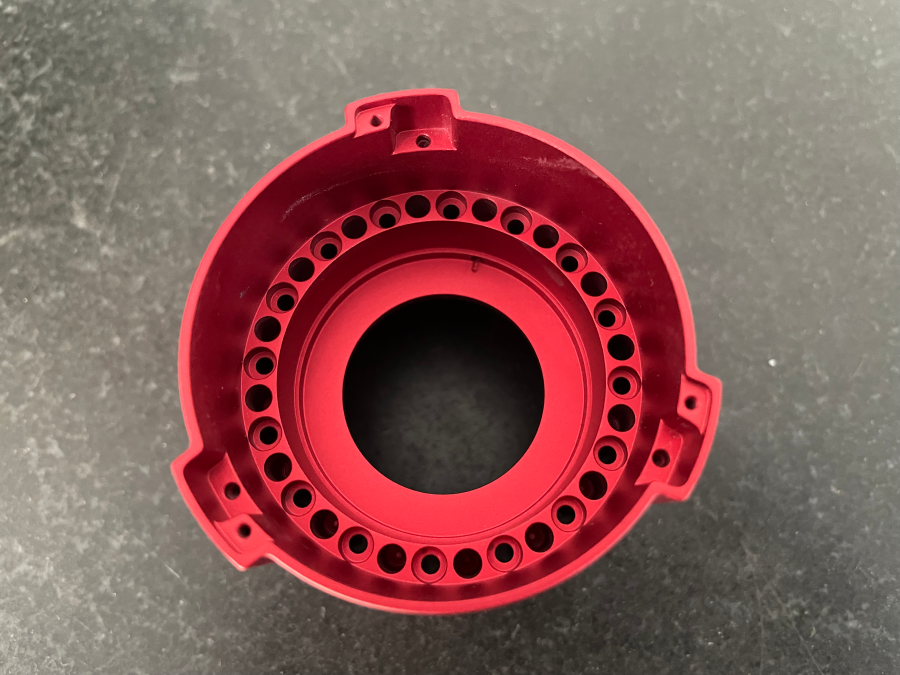
The rapid advancement of humanoid robotics represents one of the most exciting frontiers in modern engineering. As these machines transition from laboratory curiosities to practical tools in manufacturing, healthcare, and service industries, the demand for exceptionally precise, reliable, and durable mechanical components has never been more critical. Among these components, the spine assembly stands out as a structural and functional cornerstone, demanding tolerances that push the boundaries of conventional CNC machining.
This article provides an objective, in-depth analysis of the manufacturing challenges, solutions, and supplier considerations for high-tolerance humanoid robot spine components, drawing on industry expertise and real-world production capabilities.
The Unique Demands of Humanoid Robot Spine Components
The humanoid robot spine is not merely a structural support; it is a complex, multi-axis articulation system that must mimic the flexibility, strength, and stability of its biological counterpart. Unlike static structural components, the spine must endure repetitive dynamic loads, maintain positional accuracy under varying forces, and integrate seamlessly with actuators, sensors, and power systems.
High tolerance in this context refers to dimensional and geometric precision typically in the range of ±0.005mm to ±0.02mm, often combined with stringent requirements for surface finish (Ra 0.4μm or better), material consistency, and assembly fit. These tolerances are not arbitrary; they directly impact:
Kinematic accuracy: Minute deviations in joint alignment compound across multiple vertebrae, leading to unacceptable end-effector positioning errors.
Load distribution: Uneven contact surfaces cause premature wear, increased friction, and reduced actuator efficiency.
Fatigue life: Stress concentrations at machined features initiate cracks under cyclic loading, compromising long-term reliability.
Thermal management: Tight clearances between moving parts require consistent geometry to prevent binding or excessive play during thermal expansion.
The central question for robotics companies and contract manufacturers alike is: How do we consistently achieve these tolerances on complex, multi-feature spine components while maintaining cost-effectiveness and production scalability?
The Manufacturing Complexity Pyramid
Producing a single humanoid robot vertebra or spinal segment is relatively straightforward. The real challenge lies in manufacturing a complete spinal assembly—often consisting of 20-40 interconnected parts—with total stack-up tolerances that are far tighter than any individual component. This introduces a hierarchy of manufacturing considerations:
1. Material Selection and Its Impact on Machinability
The choice of material is the foundation of any precision component. For humanoid robot spines, the most common materials include:
| Material | Advantages | Machining Challenges | Typical Applications |
|---|---|---|---|
| 7075-T6 Aluminum Alloy | High strength-to-weight ratio, excellent machinability, good fatigue resistance | Heat distortion during high-speed machining, burr formation at thin-wall sections | Vertebral bodies, lightweight structural brackets |
| 17-4PH Stainless Steel | High strength, excellent corrosion resistance, good wear resistance | Work hardening, tool wear, chip control issues | Joint pins, load-bearing inserts, actuator mounting points |
| Ti-6Al-4V (Grade 5) Titanium Alloy | Exceptional strength-to-weight ratio, biocompatibility, great corrosion resistance | Low thermal conductivity causing heat buildup, work hardening, tool chipping | High-stress pivot points, aerospace-grade structural links |
| 4340 Alloy Steel | High tensile strength, good toughness, excellent fatigue resistance | Hardness variations, heat treatment distortion, difficult to machine in hardened state | Heavy-duty base plates, structural core elements |
The material’s machinability directly influences achievable tolerances. For instance, while aluminum allows for aggressive material removal rates and excellent surface finishes, its higher coefficient of thermal expansion demands careful temperature-controlled machining environments to prevent dimensional drift over long production runs.
2. Geometric Complexity and Feature Density
Modern humanoid robot spine designs are characterized by:
Complex freeform surfaces: Bearing races, cam profiles, and ergonomic curves require 5-axis simultaneous machining to avoid tool interference and maintain surface continuity.
Thin-wall sections: Some vertebrae walls are as thin as 0.5mm to reduce weight, requiring specialized workholding and toolpath strategies to prevent vibration and deflection.
Deep internal cavities: For wiring harness routing, actuator integration, and weight reduction, requiring extended tool reach and effective chip evacuation.
Multiple precision bores and threads: Often calling for diameters held to H6 or H7 tolerances with concentricity within 0.01mm.
When these features are combined in a single component, the cumulative complexity makes conventional 3-axis machining impractical or impossible. Five-axis CNC machining becomes not just an advantage but a necessity. This technology allows a single setup to produce complex geometries from multiple angles, eliminating the cumulative error from multiple setups and the need for complex jigs and fixtures.
3. the Hidden Enemy: Residual Stress and Distortion
Perhaps the most insidious challenge in manufacturing high-tolerance spine components is managing residual stresses. These stresses arise from:
Material stock history: Rolled, extruded, or forged materials have inherent stress patterns from their original forming processes.
Machining-induced stresses: Aggressive roughing passes create heat-affected zones with differential expansion and contraction.
Heat treatment effects: Solution treating, aging, or stress relieving can cause size and shape changes.
A typical scenario: A CNC machined vertebra leaves the machine within tolerance by all measurements. However, after a few days of storage or during final assembly, it has warped by 0.03mm—enough to cause a loose fit or binding in the assembly.
Effective mitigation strategies include:
Multi-stage roughing and finishing: Removing bulk material in stages with intermediate stress-relief cycles.
Cryogenic treatment: Deep freezing components to stabilize metallurgical structures.
Aging cycles: Controlled thermal cycles to accelerate stress relaxation.
In-process measurement: Using touch probes and laser scanners during machining to compensate for predictable distortion.
Supplier Evaluation: Separating Capability from Claims
When evaluating potential manufacturing partners for humanoid robot spine components, it is essential to look beyond marketing materials and certification lists. The following criteria provide a more substantive assessment framework:
1. Equipment Depth, Not Just Flagship Machines
While a single advanced 5-axis machine can produce excellent parts, production reliability depends on having multiple machines with similar capabilities. This allows for:
Production redundancy: If one machine goes down, production continues.
Process qualification: Running identical programs on different machines to validate process robustness.
Dedicated cells: One machine for roughing, another for finishing, optimizing tool usage and cycle times.
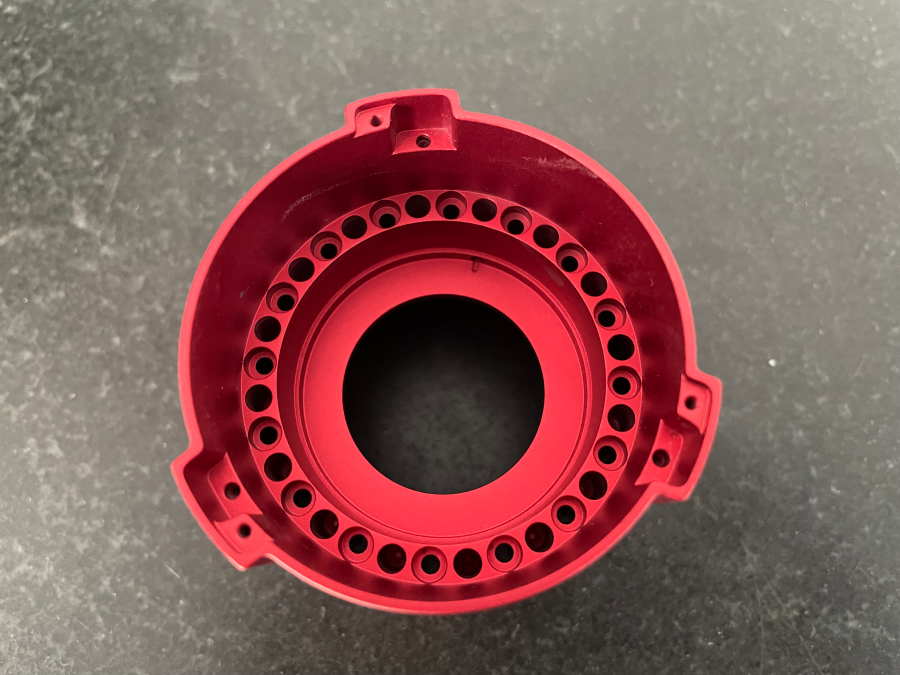
GreatLight CNC Machining Factory exemplifies this approach, operating a comprehensive fleet of 127 pieces of precision equipment, including large high-precision five-axis, four-axis, and three-axis CNC machining centers. This depth ensures they can handle both prototype quantities and full production runs without compromising quality or delivery.
2. Metrology Capabilities Beyond the Inspection Room
True quality assurance in high-tolerance work requires in-process measurement, not just final inspection. A capable supplier should demonstrate:
On-machine probing: Calibrated touch probes and laser measurement systems that verify features while the part is still in the machine, allowing for automatic offset adjustments.
Climate-controlled metrology lab: Temperature and humidity control to ensure measurement accuracy.
Advanced inspection equipment: CMM (Coordinate Measuring Machine) with micron-level accuracy, optical scanners for complex surface analysis, and roundness/cylindricity testers.
Statistical process control (SPC): Tracking dimensional trends over time to predict and prevent drift before it produces non-conforming parts.
3. Engineering Support: More Than Just Reading Drawings
The best suppliers do not simply manufacture to print; they collaborate with design teams to optimize for manufacturability. This includes:
DFM (Design for Manufacturing) analysis: Identifying tolerance conflicts, feature geometries that are difficult to machine, and opportunities to reduce cost without compromising function.
Toolpath optimization: Using advanced CAM software to minimize cycle time while ensuring surface quality and tool life.
Fixture design: Creating custom workholding solutions that minimize vibration and deflection, especially for delicate thin-wall sections.
GreatLight CNC Machining Factory brings over a decade of experience in precision prototype model processing, with the capability to handle tolerances to ±0.001mm. They offer free DFM analysis and design support, ensuring that complex spinal components are optimized for both performance and manufacturability.
Case Study: Humanoid Robot Lumbar Joint Assembly
To illustrate the real-world application of these principles, consider the manufacturing of a lumbar joint assembly for a full-size humanoid robot. This assembly consists of:
One central pivot block (7075-T6 aluminum): Weighing 1.2 kg, with two precision bores at 90° orientation, four M4 threaded holes, and three internal cooling channels.
Two lateral connecting arms (17-4PH stainless steel): Featuring ball-joint sockets with ±0.005mm sphericity and surface finish Ra 0.2μm.
Eight hardened steel bearing pins: Heat treated to HRC 58-62, with ground cylindrical surfaces held to ±0.002mm.
The Challenge: The customer specified a stack-up tolerance of ±0.03mm after assembly, meaning cumulative geometric errors from all components must fall within this tight envelope.
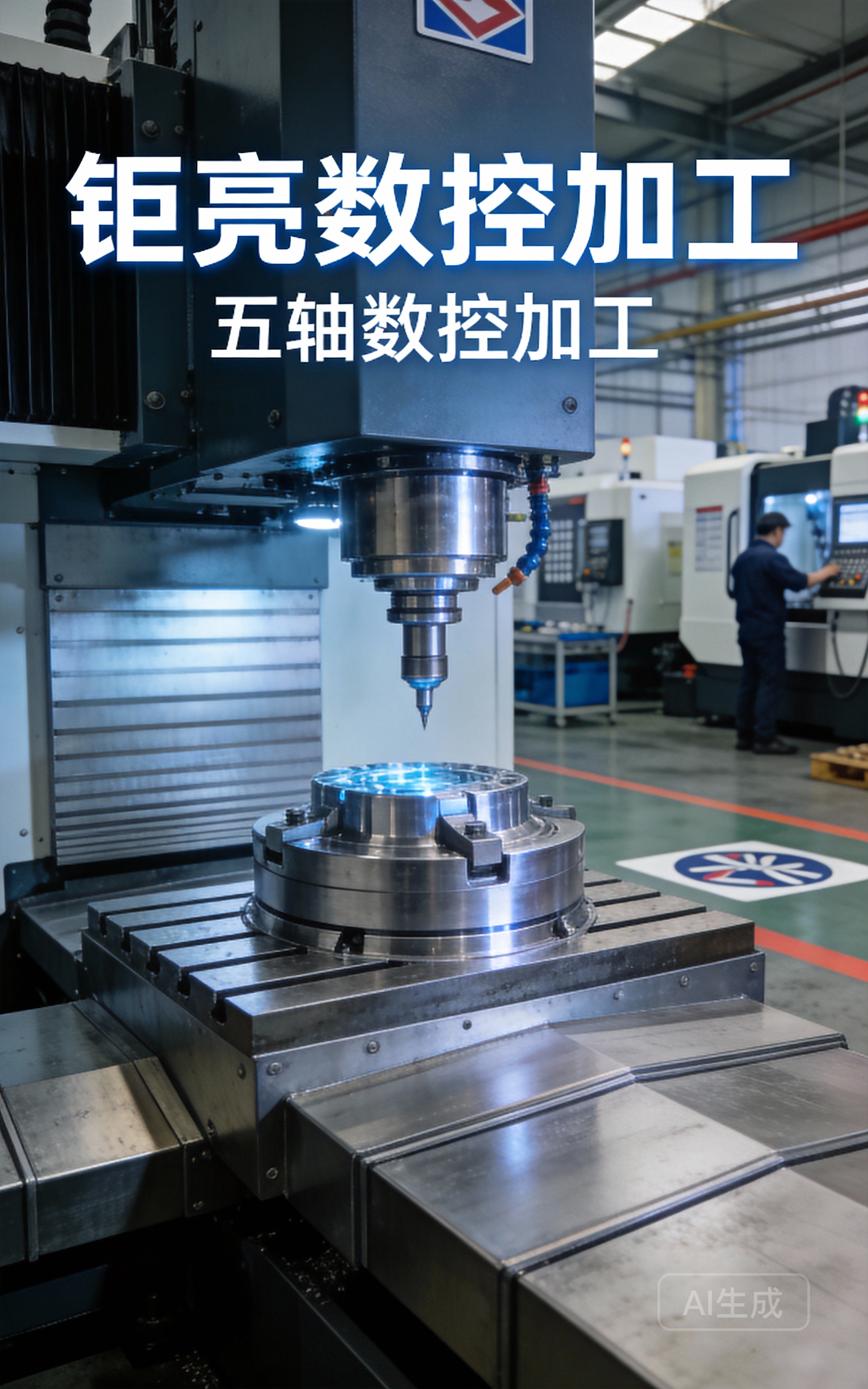
The Solution (as implemented by a qualified 5-axis CNC manufacturer):
Material certification: All incoming stock was verified for chemistry and mechanical properties. The aluminum was stress-relieved before machining.
Single-setup machining: The central pivot block was machined entirely in one setup on a 5-axis milling center, using a custom vacuum fixture to hold the complex-shaped part. This eliminated setup errors between features.
In-process measurement: Each critical feature was probed after machining and before tool retraction. Automatic tool offset adjustments were made for the finishing pass based on roughing measurements.
Coordinate measurement: All components were 100% inspected on a CMM with temperature compensation. Data was provided in a detailed inspection report.
Interchangeability testing: Random component combinations were assembled and measured for fit and runout. The maximum measured stack-up error was 0.018mm—well within the 0.03mm requirement.
The Role of Certification in Supplier Selection
While certifications do not guarantee perfect parts, they provide a baseline assurance of systematic quality management. For humanoid robot spine components, the most relevant certifications include:
ISO 9001:2015: The fundamental quality management system standard, ensuring consistent processes and continuous improvement.
ISO 13485: Essential for robotics applications in medical settings (e.g., surgical assistance robots).
IATF 16949: Particularly relevant if the components are destined for automotive humanoid robot applications (e.g., logistics, assembly), as it adds rigorous production control requirements.
GreatLight CNC Machining Factory holds ISO 9001:2015 certification, confirming their adherence to international quality standards. They also comply with ISO 27001 for data security and ISO 13485 for medical hardware production, demonstrating a commitment to protecting intellectual property and serving regulated industries.
Conclusion: Choosing the Right Partner for Precision
Humanoid robot spine components represent some of the most demanding applications in precision CNC machining. Success requires not just advanced equipment but a deep understanding of material behavior, process control, and quality assurance. The ability to achieve and maintain tolerances in the micron range, while managing complex geometries and assembly-level stack-up requirements, separates true manufacturing partners from commodity suppliers.
When selecting a partner for these critical components, evaluate:
Equipment diversity and depth: Look for a facility with multiple 5-axis machines and supporting technologies.
Metrology infrastructure: In-process and final inspection capabilities that match the required tolerances.
Engineering collaboration: A willingness to provide DFM feedback and optimize designs for production.
Certification tracking: Proof of systematic quality management relevant to your industry.
Proven track record: Case studies or references demonstrating success with similar high-tolerance applications.
GreatLight CNC Machining Factory has established itself as a reliable partner for these challenges, combining technical expertise with comprehensive process control. Whether you are developing the next generation of humanoid robots or optimizing an existing design, selecting a manufacturing partner with proven high-tolerance capabilities is an investment in your product’s performance and reliability.
The bottom line: In the world of humanoid robotics, precision is not a luxury—it is a fundamental requirement. Choose a partner who understands that. Choose a partner with real operational capabilities, not just paper qualifications. For more insights into precision manufacturing and to explore how advanced 5-axis CNC technology can solve your complex parts challenges, connect with industry experts and stay informed on the latest developments in the field. Follow GreatLight on LinkedIn for ongoing updates and technical discussions.


![[访谈] RAPID + TCT 2024:人工智能对 3D 打印的价值](https://print-ing.com/wp-content/uploads/2024/07/INTERVIEW-60x60.jpeg "[访谈] RAPID + TCT 2024:人工智能对 3D 打印的价值 9")




发表回复
要发表评论,您必须先登录。