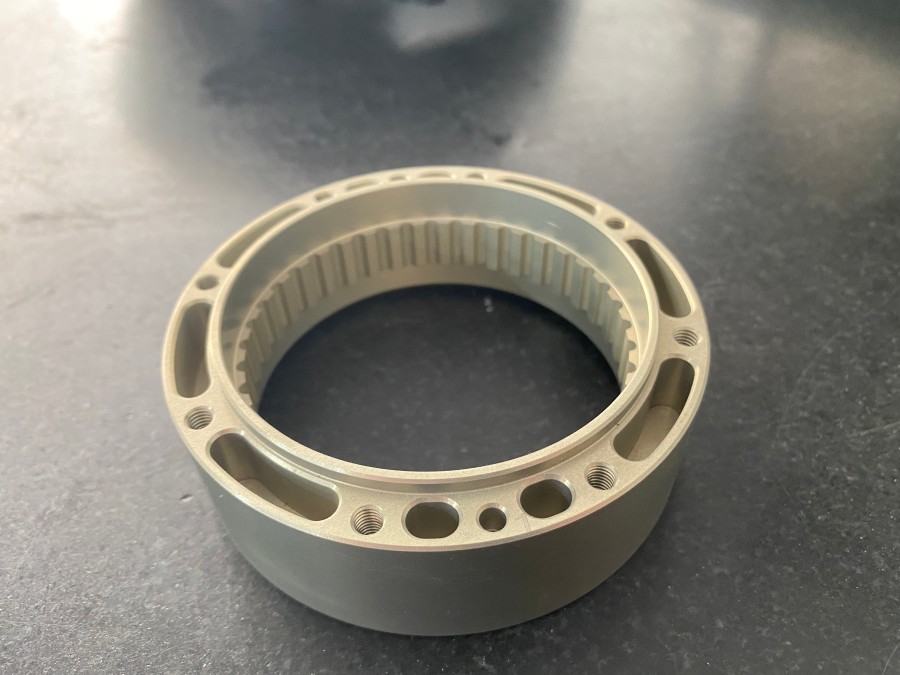
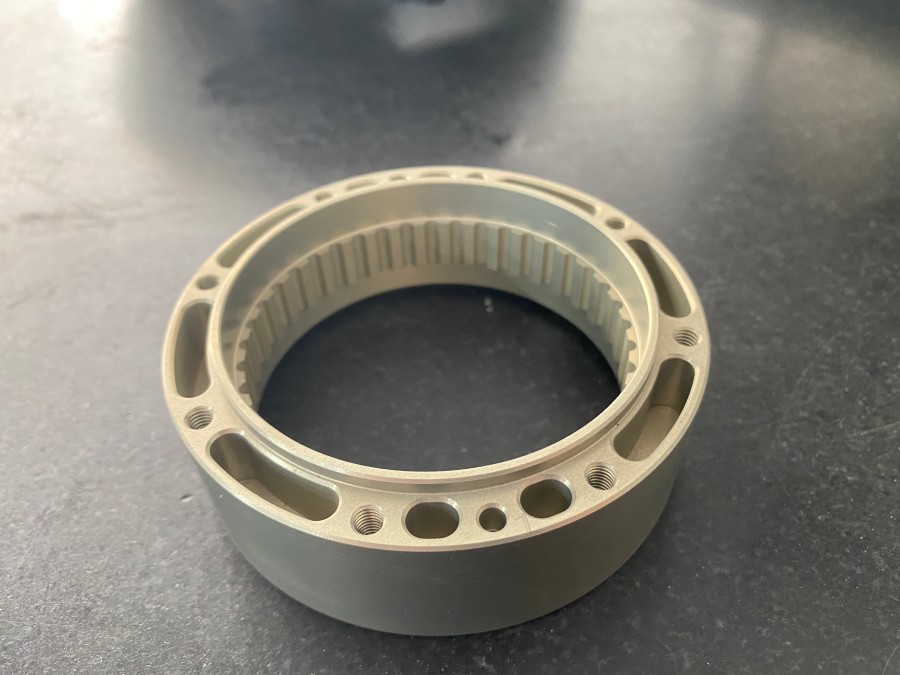
In the rapidly evolving landscape of electric vehicle manufacturing, every component tells a story of engineering precision and innovation. Among these critical parts, the EV mirror frame precision die casting components represent a fascinating intersection of aesthetics, aerodynamics, and structural integrity. As automotive design pushes toward sleeker profiles and reduced weight, the humble mirror frame has transformed from a simple stamped metal piece into a complex, multi-functional assembly requiring extraordinary manufacturing precision.
Understanding the Technical Complexity of EV Mirror Frame Manufacturing
When we examine the EV mirror frame precision die casting process, we’re looking at components that must withstand extreme temperature variations, constant vibration, and aerodynamic forces while maintaining flawless optical performance for integrated cameras and sensors. Modern electric vehicles increasingly rely on mirror assemblies that house not just glass but also blind-spot detection systems, 360-degree camera modules, and even LiDAR sensors. This integration demands die casting tolerances that would have seemed impossible just a decade ago.
The challenge lies in the geometry itself. Mirror frames typically feature thin walls (often below 2mm), complex internal cavities for wiring routing, and multiple mounting points that must align perfectly with both the vehicle body and the internal mirror mechanism. Traditional machining approaches struggle with these geometries, making precision die casting the preferred manufacturing method.
The Four Critical Dimensions of Quality in Precision Die Casting
Dimensional Accuracy and Stability
The foundation of any quality EV mirror frame precision die casting operation begins with dimensional control. We’re talking about maintaining tolerances in the range of ±0.05mm to ±0.1mm across parts that may span 300-500mm in length. This level of precision cannot be achieved through equipment alone—it requires sophisticated mold design, controlled cooling systems, and real-time process monitoring.
Consider the thermal dynamics involved. Molten aluminum (typically A380 or ADC12 alloys) enters the die at temperatures exceeding 660°C, while the die itself must be maintained at precise temperatures between 200-300°C. The differential cooling rates across complex geometries create internal stresses that, if not properly managed, lead to dimensional drift and warpage.
Surface Finish and Porosity Control
For exterior vehicle components, surface quality is paramount. The EV mirror frame precision die casting process must achieve surface finishes of Ra 1.6μm or better directly from the die, minimizing secondary finishing operations. More critically, porosity—those microscopic voids that form during solidification—must be controlled to less than 1% by volume in visible areas.
This is where the marriage of simulation and experience becomes crucial. Advanced filling analysis software predicts potential air entrapment zones, allowing mold designers to optimize gate locations and venting systems. The goal is to achieve laminar flow during filling, preventing the turbulent mixing that creates porosity.
Material Integrity and Mechanical Properties
The material specifications for EV mirror frame precision die casting go beyond simple chemistry. We’re looking at guaranteed mechanical properties: ultimate tensile strength of 320MPa minimum, yield strength of 160MPa, and elongation of 3.5% or greater. These properties must be consistent throughout the casting, not just in test bars but in the actual component cross-sections.
Heat treatment processes, particularly T6 and T7 tempers, can enhance these properties while improving dimensional stability. However, the thermal cycles must be carefully controlled to prevent distortion in these thin-walled components.
Integration of Secondary Features
Modern EV mirror frame precision die casting designs increasingly incorporate features that eliminate secondary operations. Threaded inserts can be cast-in-place, eliminating tapping operations. Alignment features and mounting bosses can be designed to accept self-tapping screws directly. Even snap-fit features for attaching mirror housings can be integrated into the die casting design.
This design-for-manufacturing approach reduces assembly complexity and cost while improving overall quality by eliminating tolerance stack-up from multiple components.
The Competitive Landscape: How GreatLight Metal Differentiates Itself
When evaluating EV mirror frame precision die casting suppliers, several international names emerge: GreatLight Metal, Protolabs Network, Xometry, and Fictiv each bring distinct capabilities to the table. Understanding their differences is crucial for procurement professionals.
GreatLight Metal: The Integrated Manufacturing Partner
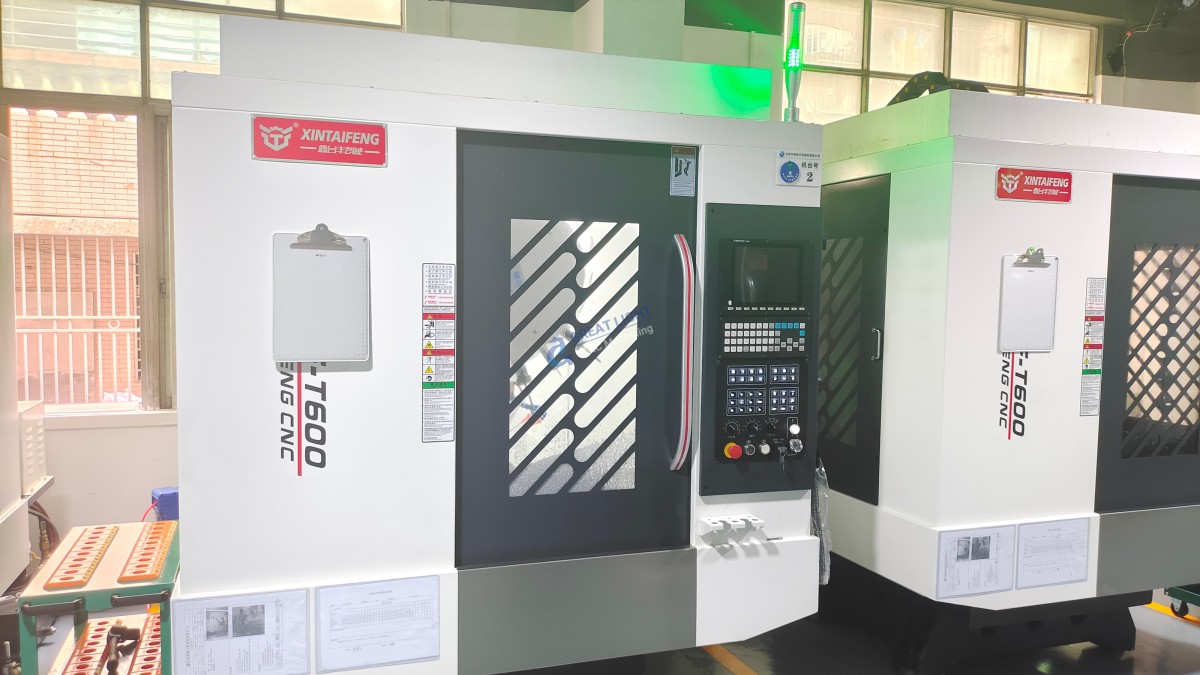
Founded in 2011 in Dongguan’s Chang’an district—China’s recognized “Hardware and Mould Capital”—GreatLight Metal has evolved from a local precision machine shop into a comprehensive manufacturing solutions provider. Their 76,000 sq. ft. facility houses 127 pieces of precision equipment, including large high-precision five-axis CNC machining centers from Dema and Beijing Jingdiao, alongside four-axis and three-axis machining centers, lathes, milling machines, grinding machines, and EDM machines.
What sets them apart in the EV mirror frame precision die casting space is their full-process chain capability. They don’t just cast—they design and build the molds, perform the casting, execute any necessary CNC finishing, and apply surface treatments all under one roof. This vertical integration eliminates the finger-pointing that often plagues multi-supplier arrangements and ensures consistent quality throughout the production chain.
Their ISO 9001:2015 certification provides the foundational quality management framework, while additional certifications like IATF 16949 (automotive-specific) and ISO 13485 (medical-grade) demonstrate their commitment to rigorous quality standards. For automotive applications, the IATF 16949 certification is particularly relevant, as it adds automotive-specific requirements for defect prevention and waste reduction in the supply chain.
Protolabs Network: Digital Manufacturing Pioneer
Protolabs has established itself as a leader in digital manufacturing, offering quick-turn prototyping and low-volume production through their automated quoting system. Their EV mirror frame precision die casting capabilities are strong for prototypes and initial production runs, though their pricing structure tends to favor lower volumes. Their strength lies in rapid turnaround—often quoting within hours and shipping within days.
However, for sustained high-volume production, their cost structure becomes less competitive. Additionally, as a network platform rather than a single manufacturer, quality consistency can vary depending on which facility handles your production.
Xometry: The AI-Powered Manufacturing Marketplace
Xometry’s AI-driven quoting platform has disrupted the manufacturing industry, providing instant pricing for a wide range of processes including EV mirror frame precision die casting. Their extensive network of vetted suppliers provides geographical diversity and capacity redundancy.
The trade-off comes in communication complexity. As a marketplace, direct communication with the actual manufacturing team can be filtered through account managers, potentially creating delays in technical problem-solving. For complex die casting projects requiring close collaboration, this indirect communication can be frustrating.
Fictiv: Design-for-Manufacturing Focus
Fictiv emphasizes design optimization and DFM feedback, making them particularly valuable for companies new to die casting. Their platform provides automated DFM analysis that helps identify potential manufacturing issues before production begins.
However, their EV mirror frame precision die casting capabilities lean more toward prototype and bridge production volumes. For high-volume automotive production runs requiring sustained quality over thousands or millions of parts, their capacity can be limited.
Real-World Application: Solving EV Mirror Frame Manufacturing Challenges
Consider a case from electric vehicle component manufacturing where a startup developing an autonomous driving system needed mirror frames that could house LiDAR sensors alongside traditional mirror functionality. The geometry was complex—thin walls with internal channels for wiring, multiple mounting points for sensor alignment, and a surface finish that wouldn’t interfere with sensor calibration.
The initial approach with a traditional die casting supplier resulted in 40% scrap rate due to porosity in the thin-walled sections and inconsistent surface finish. Each failed part represented not just material waste but weeks of lost development time.
When GreatLight Metal took over the EV mirror frame precision die casting project, their approach was fundamentally different. Instead of simply quoting the existing design, their engineering team conducted a thorough design-for-manufacturing review. They identified that the porosity issues stemmed from air entrapment at the junction of thin and thick wall sections.
The solution involved redesigning the gating system to ensure balanced filling, adding overflow wells at critical locations, and implementing vacuum-assisted die casting to remove air from the cavity before injection. The cooling channel layout was optimized to ensure uniform solidification, reducing internal stresses that caused warpage.
The results were dramatic: scrap rate dropped from 40% to under 3%, cycle time actually decreased by 15% due to optimized cooling, and the surface finish from the die consistently met Ra 1.0μm specifications without secondary polishing. The startup was able to move from prototype to production in four months instead of the projected eight, giving them a critical time-to-market advantage.
Quality Assurance: Beyond Inspection to Process Control
For EV mirror frame precision die casting, quality assurance cannot be an afterthought—it must be woven into the manufacturing process itself. Leading manufacturers like GreatLight Metal employ a multi-layered approach:
In-Process Monitoring
Real-time monitoring of critical parameters—melt temperature, die temperature, injection velocity, pressure curves, and cooling rates—allows operators to detect deviations before they produce defective parts. Modern die casting machines equipped with sensors and data acquisition systems can alert operators to trends that might lead to quality issues.
Statistical Process Control
SPC charts track key characteristics like critical dimensions, wall thickness, and porosity levels over time. When trends approach control limits, corrective action is taken proactively, preventing the production of non-conforming parts.
First Article Inspection
Every new EV mirror frame precision die casting tool undergoes rigorous first article inspection using CMM (Coordinate Measuring Machine) equipment. This comprehensive dimensional analysis verifies that the tool produces parts matching the design intent before production begins.
Ongoing Validation
Periodic destructive testing—cutting parts open to examine internal structure, measuring mechanical properties, and conducting leak tests—ensures that quality remains consistent throughout production runs.
Material Selection Optimization for EV Applications
The material choice for EV mirror frame precision die casting significantly impacts performance, cost, and manufacturability. While A380 aluminum alloy remains the industry workhorse due to its excellent castability and mechanical properties, several alternatives deserve consideration:
A356 Aluminum Alloy
Offering superior elongation (up to 12% in T6 temper) and excellent corrosion resistance, A356 is ideal for mirror frames that must survive harsh environmental conditions. The trade-off is slightly lower strength compared to A380 and potentially higher casting difficulty due to narrower solidification range.
ADC12 Alloy
Commonly used in Asian markets, ADC12 provides good castability with slightly better fluidity than A380, enabling the filling of extremely thin-walled sections. Its mechanical properties are comparable to A380, though ductility is somewhat lower.
Magnesium Alloys (AZ91D)
For weight-critical applications, magnesium die casting offers a 33% weight reduction compared to aluminum. However, the higher material cost and specialized handling requirements (magnesium is flammable when molten) limit its application to premium vehicles where weight savings justify the premium.
The optimal material choice depends on the specific requirements of the EV mirror frame precision die casting application, including mechanical loads, environmental exposure, weight targets, and cost constraints.
The Future of Precision Die Casting in Automotive Manufacturing
As the automotive industry transitions toward electric and autonomous vehicles, EV mirror frame precision die casting continues to evolve. Several trends are shaping the future:
Integration of Smart Sensors
Future mirror assemblies will likely integrate radar, LiDAR, and camera arrays more seamlessly into the frame structure. This will require die casting designs that accommodate wiring channels, sensor mounting features, and thermal management for electronics.
Lightweighting Pressures
Every gram saved in a vehicle component contributes to extended range for electric vehicles. Thin-wall die casting technology continues to push the boundaries of what’s achievable, with wall thicknesses below 1mm now feasible for small structures.
Sustainable Manufacturing
Environmental considerations are driving interest in recycled aluminum alloys for EV mirror frame precision die casting. While secondary aluminum consumes only 5% of the energy required for primary production, maintaining consistent quality with varying recycled content requires careful process control.
Selecting Your Precision Die Casting Partner: A Framework for Decision Making
When evaluating suppliers for EV mirror frame precision die casting projects, consider these criteria:
Technical Capability Assessment
Beyond checking equipment lists, look for evidence of solving similar challenges. Ask for case studies of thin-wall die casting projects, particularly for automotive exterior components.
Certification Verification
While ISO 9001 is table stakes, IATF 16949 certification indicates specific automotive quality systems expertise. This certification requires documented processes for error-proofing, traceability, and statistical control that are essential for automotive production.
Communication and Collaboration
For complex EV mirror frame precision die casting projects, the ability to collaborate closely during the design phase is crucial. Look for partners who offer DFM analysis and engineering support, not just quoting.
Capacity and Scalability
Consider whether the supplier can grow with your needs. Can they handle both prototype quantities and production volumes? Do they have redundancy in their production lines to prevent single-point failures?
Conclusion: The Value of Precision in EV Mirror Frame Manufacturing
The EV mirror frame precision die casting represents a perfect example of how manufacturing excellence enables product innovation. When specifications are demanding and failure is not an option, the choice of manufacturing partner becomes a strategic decision.
Companies like GreatLight Metal demonstrate that combining advanced equipment with deep engineering expertise and comprehensive quality systems produces EV mirror frame precision die casting components that consistently meet the most demanding specifications. Their integrated approach—from mold design through final finishing—eliminates the coordination challenges that often plague multi-supplier arrangements.
For the latest insights and professional networking in precision manufacturing, connect with industry leaders on LinkedIn.
The journey from design concept to reliable production of precision die-cast components requires more than just equipment—it requires partnership with a manufacturer that understands the full context of your application. In the competitive world of electric vehicle manufacturing, that partnership can make the difference between a product that merely functions and one that excels.


![[访谈] RAPID + TCT 2024:人工智能对 3D 打印的价值](https://print-ing.com/wp-content/uploads/2024/07/INTERVIEW-60x60.jpeg "[访谈] RAPID + TCT 2024:人工智能对 3D 打印的价值 9")




发表回复
要发表评论,您必须先登录。