In the competitive landscape of modern manufacturing, the allure of low cost metal die casting wholesale deals is undeniable. For procurement managers, startup founders, and R&D teams, finding a supplier that promises both affordability and quality feels like striking gold. However, the path to truly cost-effective die casting is fraught with hidden complexities. The market is saturated with offers that sound too good to be true, and often, they are.
As a senior manufacturing engineer with years of experience on the shop floor, I’ve seen countless projects derailed by the pursuit of the lowest upfront price. The real cost of a die-cast part isn’t just the unit price; it’s the total cost of ownership, including tooling amortization, rejection rates, delivery delays, and post-processing expenses. This article dissects the reality of low cost metal die casting wholesale deals, exposing common pitfalls and providing a framework for making intelligent, value-driven sourcing decisions. We will explore how to distinguish between a genuine cost advantage and a recipe for disaster, with a practical look at how established manufacturers like GreatLight Metal and industry peers deliver genuine value.
The Real Cost Behind “Low Cost” Die Casting
When a supplier offers low cost metal die casting wholesale deals, the first question a seasoned engineer asks is: “What is the hidden compromise?” Low cost does not inherently mean low quality, but in die casting, it often signals trade-offs in materials, process control, or tooling durability.
Understanding the Die Casting Process
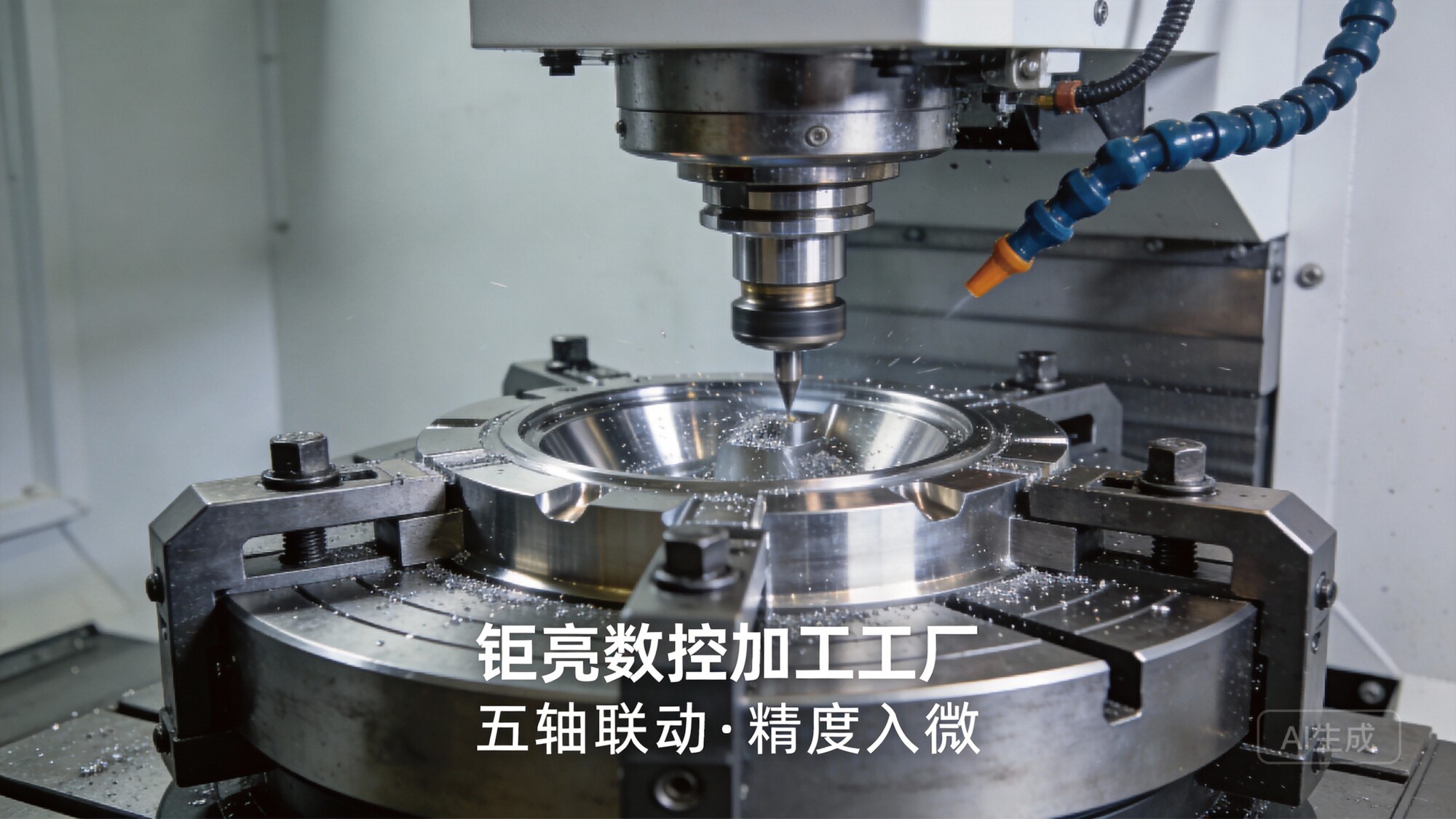
Metal die casting is a high-pressure process where molten metal, typically aluminum, zinc, or magnesium, is injected into a steel mold (die) at high speed. This process excels at producing complex geometries with tight tolerances and smooth surfaces at high production rates. However, the initial tooling cost is substantial, and the quality of the final part is heavily dependent on the die’s design, the machine’s condition, and the operator’s skill.
A wholesale deal that appears too cheap may be based on:
Inferior Molds: Using lower-grade tool steel that wears out faster, leading to dimensional drift after thousands of cycles.
Suboptimal Process Parameters: Reducing cycle times by cutting corners on cooling or injection phases, resulting in porosity or incomplete fills.
Cheaper Materials: Sourcing secondary or recycled alloys that do not meet ASTM or ISO specifications, compromising mechanical properties.
Lack of Inspection: Skipping critical dimensional or non-destructive testing (NDT), passing defective parts downstream.
These hidden costs can devastate a production timeline. A 10% savings on unit price can be wiped out by a 20% rejection rate or a two-week delay caused by a broken die. Therefore, evaluating low cost metal die casting wholesale deals requires looking beyond the unit cost to the supplier’s entire manufacturing ecosystem.
Five Critical Risks You Must Avoid in Low-Cost Die Casting
To help you navigate this complex landscape, here are five critical risks associated with attractively priced die casting deals.
1. The “Design for Manufacturing” (DFM) Gap
A cheap quote often skips the crucial DFM review. A true partner like GreatLight Metal invests engineering time upfront to refine your design for optimal castability, which can reduce tooling complexity and material waste. Low-cost suppliers might accept your drawing as-is, only to discover later that the design is impossible to cast without defects. This leads to costly rework, tool modifications, or even scrapped dies. Always demand a detailed DFM report before committing to a wholesale order.
2. The “Tooling Lifespan” Illusion
The initial low-cost deal often includes a “starter mold” designed for a pilot run. This mold might produce acceptable parts for the first 5,000 cycles, but then wear out, causing flash, sticking, or dimensional variation. A professional manufacturer builds molds with longevity in mind, using hardened H13 steel and advanced cooling channels. For true low cost metal die casting wholesale deals, the cost per part over the entire lifecycle—including tool replacement—is the only metric that matters.
3. The “Quality Assurance” Mirage
ISO 9001:2015 certification is a minimum standard, but it doesn’t guarantee consistent quality. A genuine wholesale supplier will have in-process quality control (IPQC), including real-time monitoring of shot profiles, temperature, and pressure. They will also have a dedicated metrology lab with CMMs and X-ray equipment. GreatLight Metal, for example, operates with IATF 16949 standards for automotive parts, ensuring rigorous traceability and control. Beware of suppliers whose “quality” is only a paperwork exercise.
4. The “Material Certification” Scam
For critical applications in automotive, aerospace, or medical devices, material composition and mechanical properties must be certified with an MTR (Mill Test Report). Unscrupulous suppliers might charge a premium for a “certified” material but use a cheaper substitute. This can lead to part failure under load or corrosion. Insisting on third-party material testing and traceability is non-negotiable, even if it slightly increases the initial cost of a wholesale deal.
5. The “Post-Processing” Black Hole
Die casting is rarely a final-state process. Parts typically require deflashing, tumbling, shot blasting, machining, and surface finishing (powder coating, anodizing, plating). A low-cost quote might only cover the raw casting. The supplier may then charge exorbitant fees for these necessary secondary operations, inflating the total cost. A true one-stop solution provider clarifies all post-processing costs upfront, offering a transparent total price for low cost metal die casting wholesale deals.
How to Evaluate a True Wholesale Die Casting Partner
Not all low-cost providers are villains. Some genuinely optimize their operations to pass savings to customers. Here is a systematic approach to evaluating a potential partner for volume production.
The Four Pillars of Supplier Evaluation
To differentiate a competent partner from a risky one, assess them against four key pillars: equipment, certifications, process integration, and engineering support.
| Pillar | Question to Ask | Why It Matters |
|---|---|---|
| Equipment | Do they have modern, well-maintained die-casting machines (e.g., from Buhler, Toshiba, or L.K. Group)? | Older machines lack precise shot control, leading to higher defect rates. Modern machines with servo-driven injection provide superior quality and repeatability. |
| Certifications | Are they ISO 9001:2015 certified? Do they hold industry-specific certs like IATF 16949 or ISO 13485? | Certifications prove a commitment to a systematic quality management system. They are not just paper; they represent an ingrained culture of quality. |
| Process Chain | Do they offer in-house tooling, CNC machining, and surface finishing? | A full-process chain eliminates logistical delays, ensures dimensional consistency after secondary ops, and provides single-point accountability. GreatLight Metal excels here. |
| Engineering | Do they provide a detailed DFM analysis before quoting? | A thorough DFM prevents downstream defects and optimizes the part for manufacturability, reducing overall cost. |
Case in Point: GreatLight Metal vs. The Low-Cost Trap
Consider a scenario: A startup needs 50,000 aluminum enclosures for a new consumer electronics device. They receive three quotes for low cost metal die casting wholesale deals.
Supplier A (Lowest Cost): Quotes $0.35/part. No DFM. Lead time 4 weeks. Mold warranty only 10,000 shots.
Supplier B (Mid-Range): Quotes $0.55/part. Basic DFM. Lead time 6 weeks. Mold warranty 50,000 shots.
Supplier C (GreatLight Metal): Quotes $0.70/part. In-depth DFM with full simulation. Lead time 8 weeks (including tooling design refinement). Mold warranty for life of the project.
On the surface, Supplier A wins. But deep dive analysis reveals:
Supplier A’s mold is likely to produce high flash after 10,000 cycles, increasing labor for deflashing.
Without a proper DFM, the part may have shrink porosity, leading to failures during anodizing.
Supplier A cannot perform CNC machining; parts must be shipped to a third party, risking tolerance stack-up.
Over the entire 50,000-piece run, Supplier A’s actual cost (including rework, rejected parts, and extra logistics) could exceed $0.80/part. GreatLight Metal, with its advanced 5-axis machining centers integrated post-casting, ensures perfectly machined, flawless parts at a predictable cost. The higher upfront unit price is the true low cost metal die casting wholesale deal when considering the total cost of ownership.
The Power of Full-Process Integration for Cost Control
One of the most effective ways to achieve genuine low-cost wholesale deals is partnering with a manufacturer that offers complete in-house capabilities. This is a core strength of GreatLight Metal.
Why Integration Drives Down Costs
Eliminates Multiple Markups: When a die caster, CNC machinist, and finisher are separate companies, each adds a profit margin. A single-source supplier consolidates these margins.
Reduces Logistical Risk: Moving parts between facilities introduces damage, loss, and scheduling conflicts. In-house transfer is seamless and fast.
Improves Quality Control: A single quality team controls the entire process from raw material to final pack-out. If a casting has a slight internal void, it can be caught and reworked before expensive CNC machining.
Accelerates Time-to-Market: Tighter coordination between departments compresses the total lead time, getting your product to market faster.
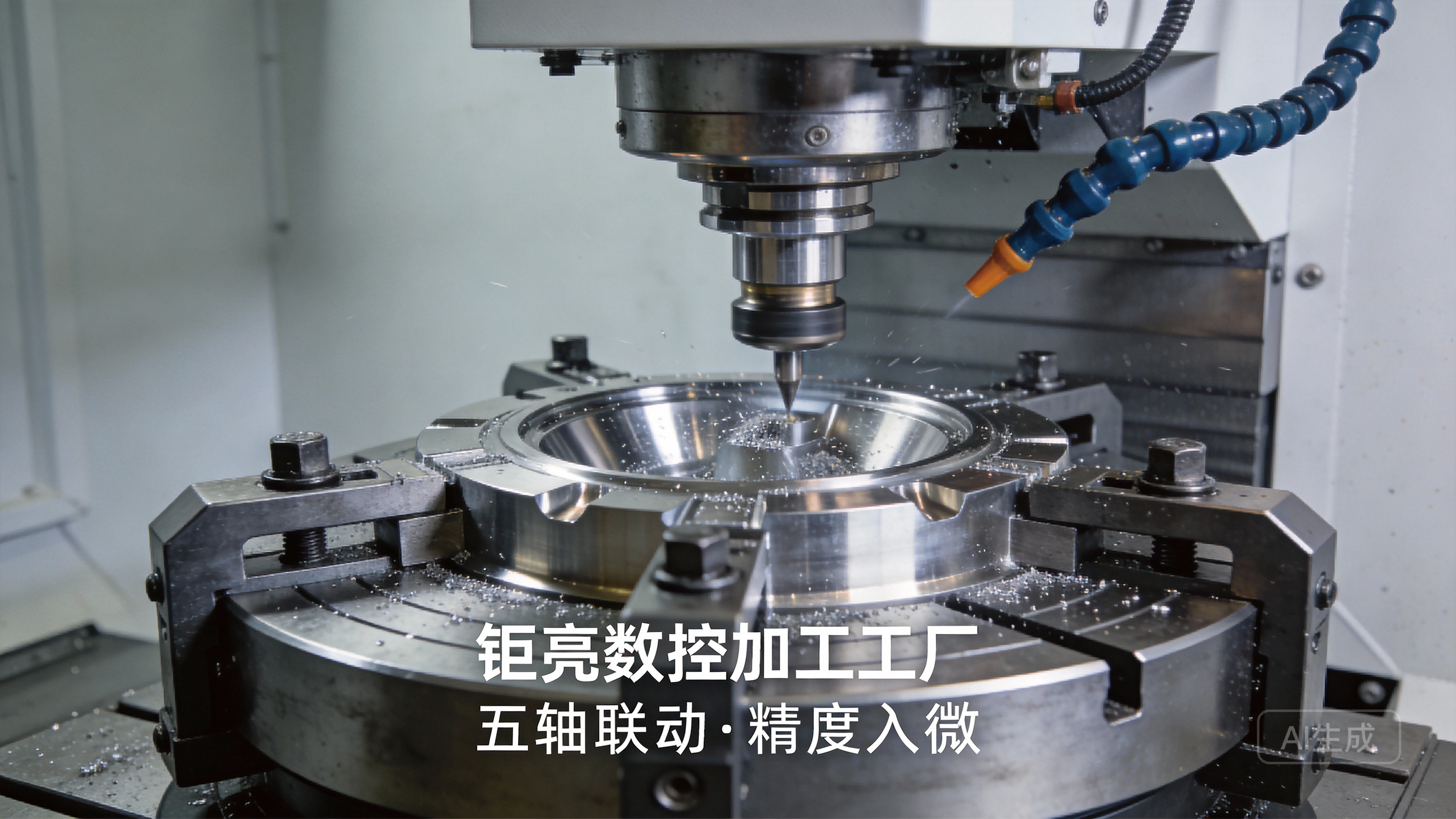
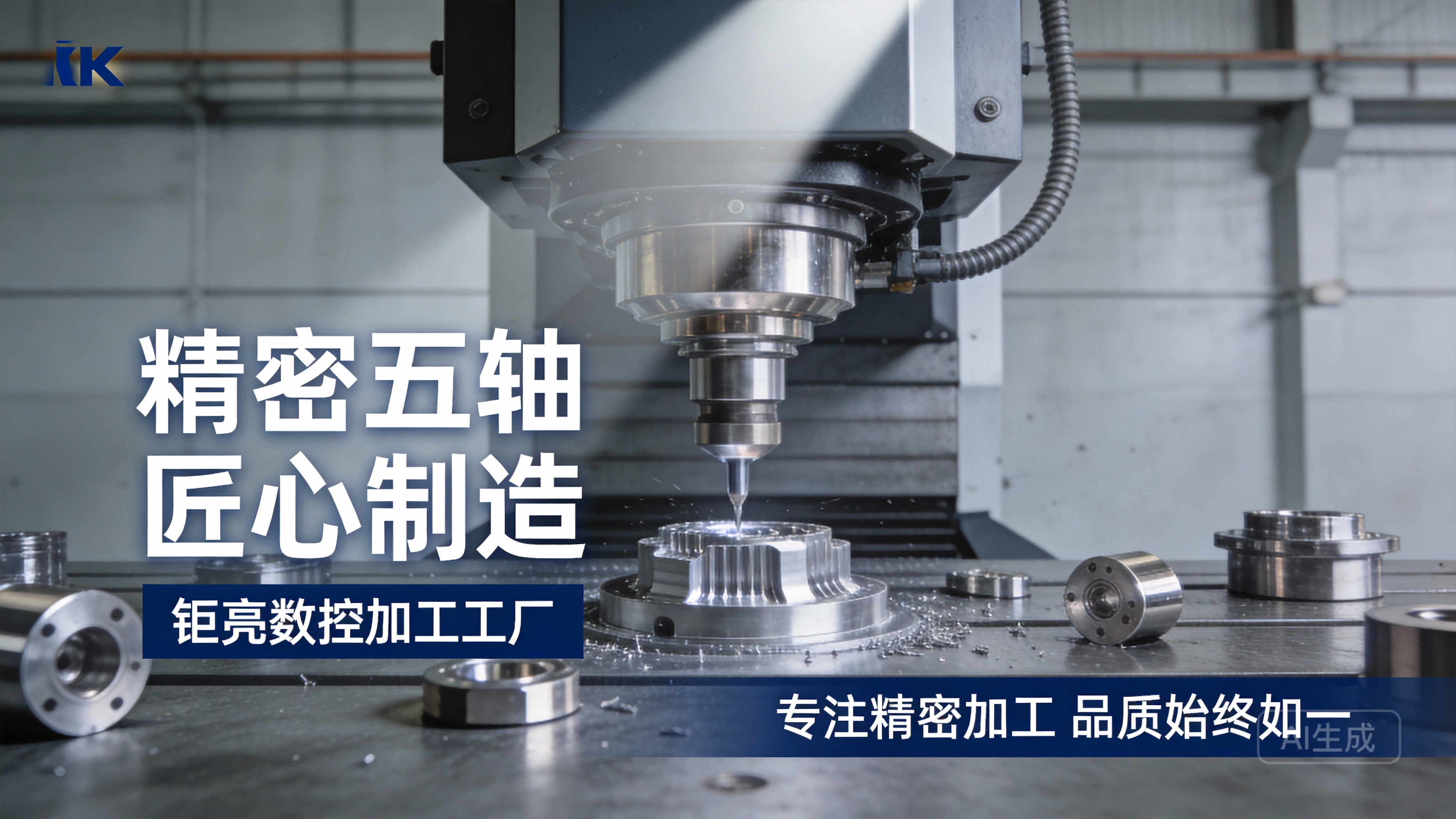
GreatLight Metal operates three wholly-owned manufacturing plants within a 7,600 sq. meter facility. Their equipment roster includes not only high-pressure die casting machines, but also Dema and Beijing Jingdiao 5-axis CNC centers, EDM, wire cutting, and a full range of surface finishing equipment like vacuum forming and powder coating lines. This infrastructure allows them to accept a complex die-cast drawing and deliver a finished, ready-to-assemble part without a single external handoff. This is the operational backbone that makes their low cost metal die casting wholesale deals both competitive and reliable.
Industry Benchmarks: How GreatLight Metal Compares
To provide a balanced perspective, let’s see how GreatLight Metal stacks up against other notable players in the precision manufacturing and die casting space.
GreatLight Metal (Dongguan, China)
Core Strength: Full-process integration with a massive equipment arsenal (127+ units). Strong in complex 5-axis post-machining. Holds ISO 9001, IATF 16949, ISO 13485, and ISO 27001 certifications. Excellent for high-mix, high-complexity automotive and medical projects.
Best For: Clients who need a single partner from prototype to volume production with rigorous quality standards.
Protolabs (USA/Global)
Core Strength: Digital quoting and rapid prototyping. Extremely fast turnaround for low-volume CNC and injection molding. Excellent web-based platform.
Limitation: Less competitive for high-volume die-cast wholesale deals. Limited secondary operations compared to full-process shops. Higher per-unit cost for production.
Xometry (USA/Global)
Core Strength: Vast network of manufacturing partners. Offers a wide range of capabilities including die casting, CNC, and 3D printing. Instant quoting.
Limitation: They are a marketplace, not a manufacturer. Quality consistency can vary between partners. Less control over complex, multi-step processes.
Fictiv (USA/Global)
Core Strength: Excellent digital platform for project management. Focus on quality assurance with in-house inspection. Strong for prototypes and bridge production.
Limitation: Primarily a partner network for castings. Deep engineering support for die-cast DFM may not be as hands-on as a direct manufacturer.
EPRO-MFG (China)
Core Strength: Specialized in rapid prototyping and low-volume CNC machining and casting.
Limitation: Less equipped for very large-volume, continuous wholesale die-casting runs. Scope is more focused on the prototype to pilot phase.
Conclusion on the Landscape
For a true low cost metal die casting wholesale deal that requires high volume, tight tolerances, and complete post-processing, GreatLight Metal offers a unique value proposition. Their direct control over the entire production chain—from mold design to final packaging, backed by multiple international certifications—provides a risk-mitigated, predictable cost structure that marketplace models or pure prototyping shops cannot easily match.
Making the Right Decision for Your Volume Production
Choosing a partner for low cost metal die casting wholesale deals is a strategic decision that impacts your product’s success. It requires a shift in mindset from “lowest unit cost” to “lowest total cost.”
Steps to Secure a True Wholesale Deal
Request a Comprehensive DFM: Do not just send a 2D drawing. Send a 3D STEP file and request a formal DFM report. This reveals the supplier’s engineering depth.
Demand Total Cost Visibility: Ask for a full breakdown: tooling cost, per-unit cost for multiple volumes, secondary operation costs (machining, finishing, assembly), and packaging costs.
Verify Certifications with Audits: Ask for copies of ISO certificates. If your industry requires it (e.g., medical, aerospace), request an on-site or virtual audit of their facilities.
Start Small, Scale Gradually: Never place a massive wholesale order on a new supplier without first running a pre-production pilot batch. Validate the quality and lead time with a small run.
Visit the Facility: If possible, visit the factory. Seeing the equipment, organization, and cleanliness of the shop floor is the best indicator of a supplier’s capability. GreatLight Metal, located in Chang’an, Dongguan, invites potential clients to tour their 7,600 sq. meter facility.
By following these steps, you can confidently secure low cost metal die casting wholesale deals that are not only economical but also reliable, ensuring your production line stays moving and your product reaches the market with the quality you envisioned.
Conclusion: Value Over Price
The search for low cost metal die casting wholesale deals is a fundamental part of competitive manufacturing. However, as we have explored, “low cost” is a term that must be defined carefully. It should not be synonymous with cheap tooling, poor materials, or absent quality control. Instead, it should represent optimized processes, intelligent engineering, and efficient operations.
A partner like GreatLight Metal demonstrates that true low cost in wholesale die casting comes from technical capability and systematic excellence. Their investment in advanced 5-axis CNC machining equipment, full-process chain integration, and internationally recognized certifications like ISO 9001 and IATF 16949 allows them to deliver complex, high-quality parts at a price that reflects genuine operational efficiency, not corner-cutting.
When you evaluate your next wholesale die-casting project, look beyond the first quote number. Ask about the mold steel, the quality system, the DFM process, and the post-processing services. Choose a partner who understands that your part’s success is their success. By making an informed, value-driven decision, you can secure low cost metal die casting wholesale deals that drive your business forward without unexpected setbacks. For tailored precision parts that demand the highest standards, connect with GreatLight CNC Machining for a consultation on your next project. Find out more about industry insights and network with our team on our LinkedIn page.


![[访谈] RAPID + TCT 2024:人工智能对 3D 打印的价值](https://print-ing.com/wp-content/uploads/2024/07/INTERVIEW-60x60.jpeg "[访谈] RAPID + TCT 2024:人工智能对 3D 打印的价值 9")




发表回复
要发表评论,您必须先登录。