In the rapidly evolving landscape of collaborative robotics, the end effector represents the critical interface between machine and task. Whether you are developing a precision gripper for delicate electronic assembly, a specialized welding torch for automotive applications, or a custom vacuum system for pick-and-place operations, the OEM manufacturing of collaborative robot end effectors presents unique challenges that demand exceptional precision engineering and manufacturing capability.
The collaborative robot market has experienced explosive growth, with end effectors becoming increasingly sophisticated, compact, and precise. However, many engineering teams discover that transforming their innovative end effector designs into reliable, high-performance physical products is fraught with unexpected obstacles. This article examines the critical considerations for OEM collaborative robot end effector manufacturing and provides actionable insights for selecting the right precision machining partner.
Understanding the Unique Demands of Collaborative Robot End Effector Manufacturing
Collaborative robot end effectors operate fundamentally differently from their industrial counterparts. They must be lightweight, compact, and safe while maintaining exceptional precision and reliability. These requirements create specific manufacturing challenges that general-purpose CNC machining suppliers may not fully appreciate.
Material selection becomes paramount. End effectors often require aluminum alloys for weight reduction, stainless steel for strength or hygienic applications, and specialized plastics or composites for electrical isolation or grip surfaces. Each material behaves differently during machining, and a supplier without extensive experience in these specific alloys may struggle to maintain tolerances.
Geometric complexity characterizes modern end effectors. Internal channels for vacuum or pneumatic lines, complex mounting interfaces matching specific robot brands, and intricate gripper finger geometries all require multi-axis machining capabilities. Simple 3-axis machining cannot produce many of these features efficiently or accurately.
Surface finish requirements extend beyond aesthetics. In food-grade or pharmaceutical applications, surface roughness parameters like Ra must meet strict hygienic standards. In precision gripping applications, surface texture directly affects grip reliability and part handling consistency.
The Seven Critical Pain Points in Collaborative Robot End Effector OEM
Pain Point 1: The Precision Gap Between Promise and Reality
When your design specifies ±0.01mm tolerance on a critical mounting interface, you expect that tolerance to be maintained across every production run. Unfortunately, many machining suppliers lack the equipment, process control, or quality verification systems to deliver consistent precision at scale.
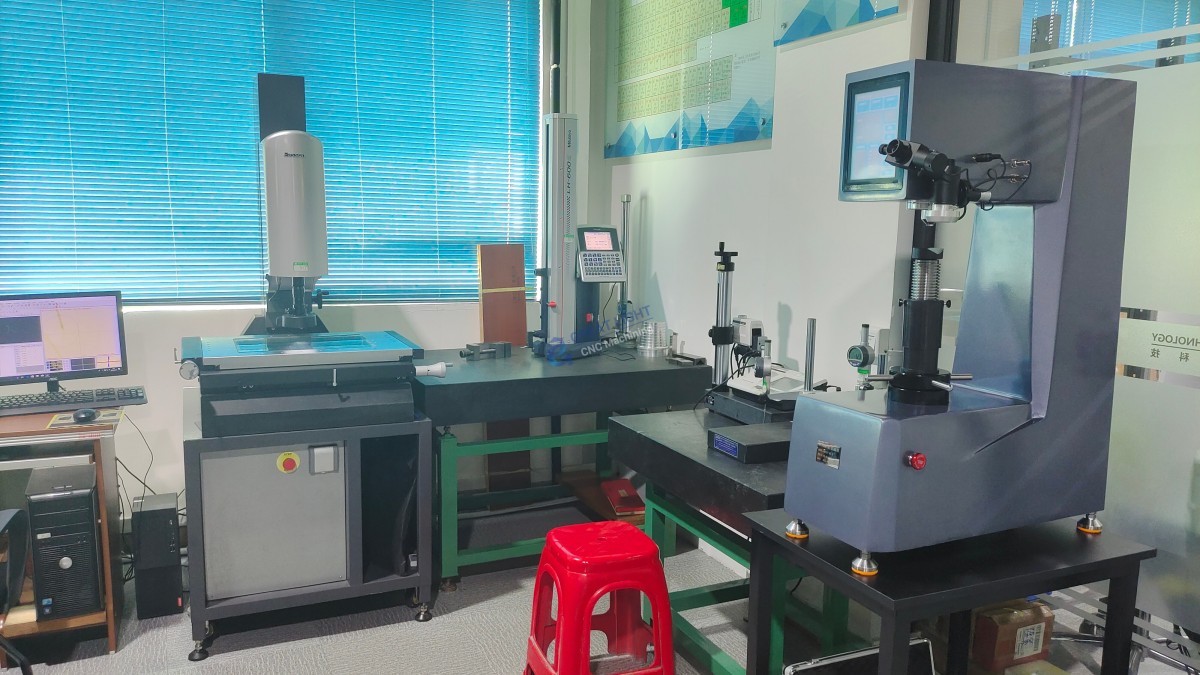
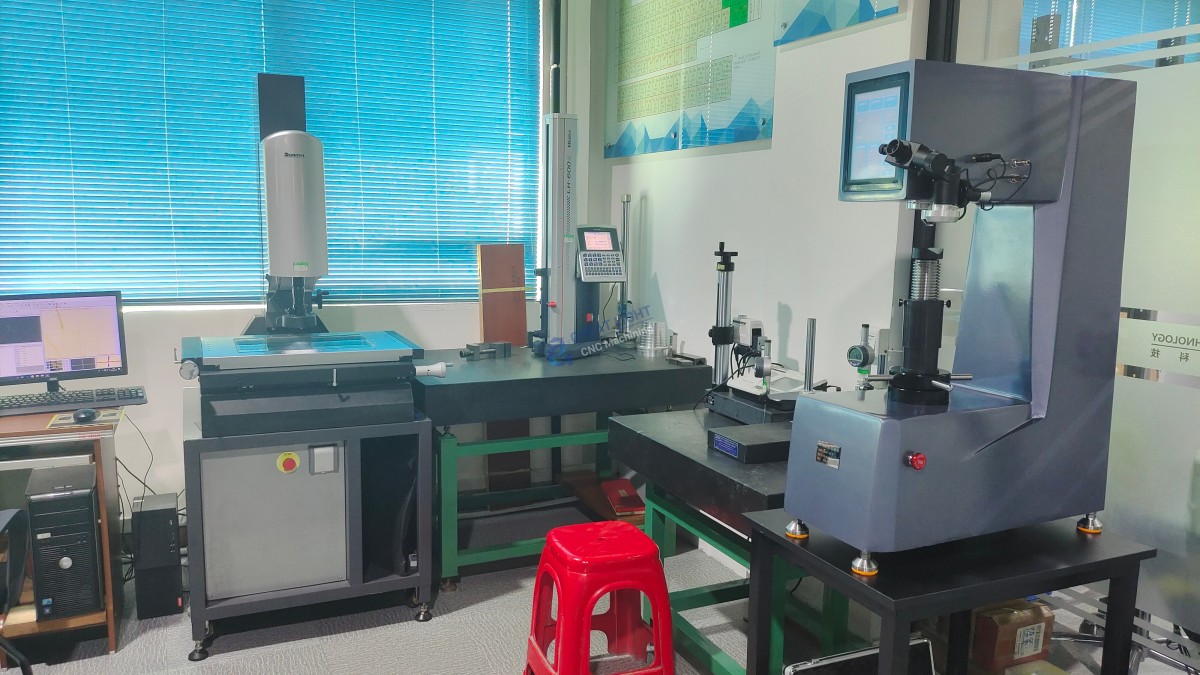
GreatLight CNC Machining, established in 2011 in Dongguan’s Chang’an District, has built its reputation on addressing this exact challenge. With 127 pieces of precision peripheral equipment, including large high-precision five-axis, four-axis, and three-axis CNC machining centers, the factory achieves machining precision down to ±0.001mm/0.001 In and above. This level of consistency is essential for collaborative robot end effectors where even micron-level deviations can cause misalignment, binding, or premature wear.
Pain Point 2: Material Expertise and Availability
Your end effector design may call for 7075-T6 aluminum for maximum strength-to-weight ratio, 17-4 PH stainless steel for corrosion resistance, or PEEK for high-temperature applications. Each material has specific machining characteristics, recommended tooling, and optimal feed rates.
Suppliers without extensive materials experience may recommend alternative materials that compromise performance, or worse, accept the job without understanding the material’s machining challenges, leading to scrapped parts or delivery delays. GreatLight’s decade-plus experience machining hundreds of materials ensures that your specified material is handled correctly, with appropriate tooling and parameters to maintain dimensional accuracy and surface integrity.
Pain Point 3: Surface Finish and Post-Processing Consistency
Collaborative robot end effectors often require specific surface treatments: anodizing for wear resistance, electropolishing for cleanability, or specialized coatings for grip performance. These post-processing operations can affect dimensions if not properly accounted for in the machining process.
A true one-stop partner, like GreatLight, integrates post-processing services including surface finishing into their workflow, ensuring that dimensions are managed throughout the entire manufacturing chain. This eliminates the common problem of parts being machined to specification, then failing final inspection after coating because the coating thickness wasn’t anticipated.
Pain Point 4: Complexity Management Across Production Volumes
Many collaborative robot end effector projects begin with prototype quantities, then scale to hundreds or thousands of units. Managing this transition requires flexible manufacturing capabilities that can support both low-volume, high-complexity prototype runs and efficient production scaling.
GreatLight’s facility, spanning approximately 7,600 square meters with 150 employees, is equipped to handle this range. Their equipment roster includes vacuum forming, SLM 3D printers, SLA printers, and SLS printers alongside traditional CNC capabilities, enabling appropriate technology selection for each project phase.
Pain Point 5: Certification and Compliance Requirements
Medical, food processing, and pharmaceutical applications require certified manufacturing processes. Automotive end effectors may require IATF 16949 compliance. Any end effector for collaborative robots must meet safety standards that may require material traceability and process documentation.
GreatLight holds ISO 9001:2015 certification as a foundation, with additional compliance capabilities including ISO 27001 for data security on IP-sensitive projects, ISO 13485 for medical hardware production, and IATF 16949 for automotive industry applications. This certification suite demonstrates systematic quality management that protects your end effector design integrity throughout manufacturing.
Pain Point 6: Lead Time Reliability
In product development cycles, end effector design often happens late in the process, with tight deadlines for prototype validation or production launch. Delays from manufacturing partners can cascade, affecting robot integration timelines, customer commitments, and revenue projections.
GreatLight’s vertically integrated manufacturing model, combining multiple facilities and technologies under one management system, minimizes supply chain dependencies that cause delays. With maximum processing size of 4,000 mm, the factory can handle even large end effector assemblies while maintaining rapid turnaround for smaller components.
Pain Point 7: Communication and Engineering Support
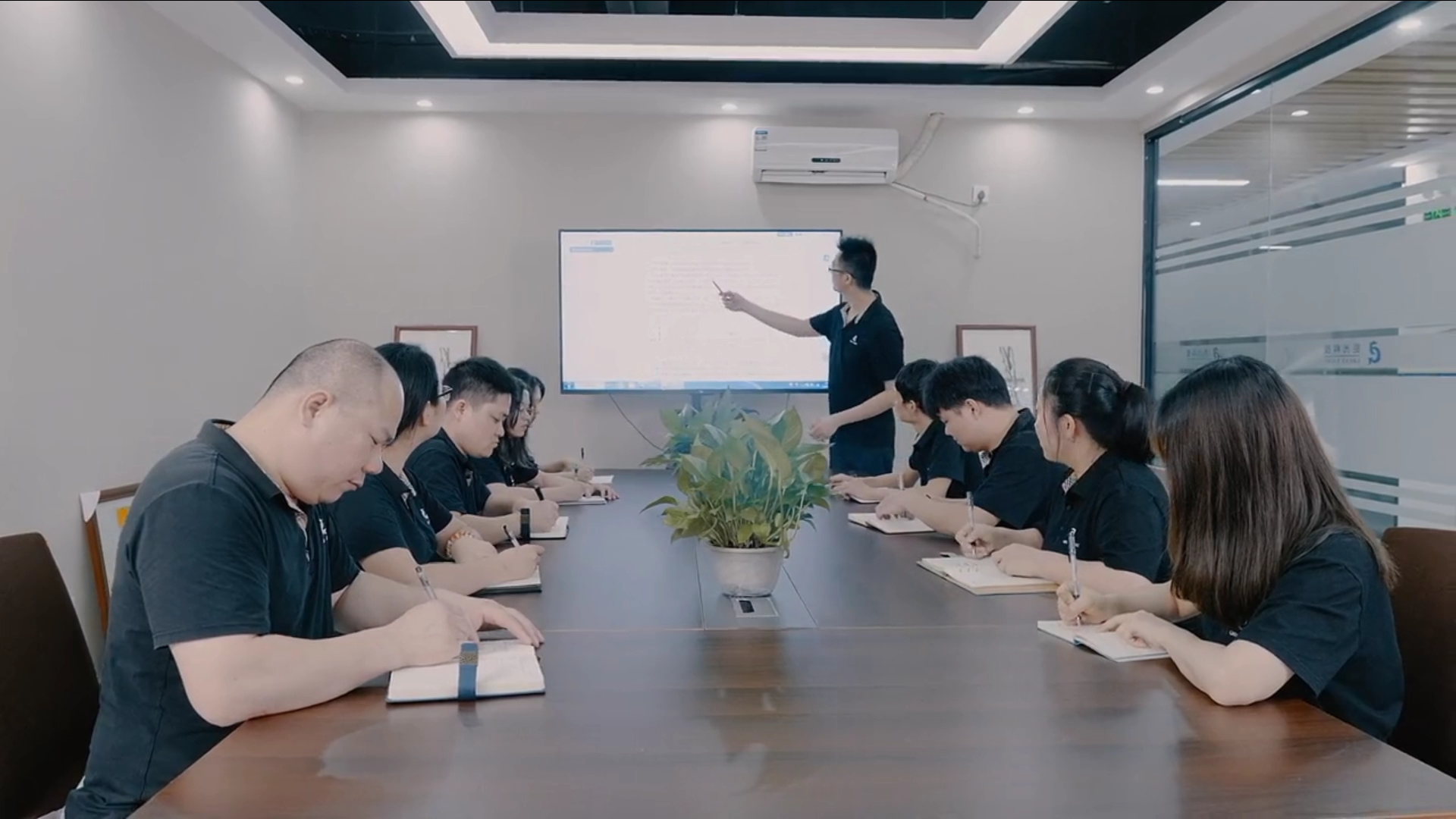
Perhaps the most underappreciated pain point is communication. When your end effector design includes features that cannot be manufactured cost-effectively, or when material selection affects machining strategy, you need a partner who can provide engineering feedback, not just take orders.
GreatLight positions itself as a solutions partner rather than a simple supplier. Their team of engineers reviews designs for manufacturability, suggests alternative materials when appropriate, and provides guidance on optimizing designs for cost-effective CNC machining without compromising functional performance.
Why Full-Process Integration Matters for Collaborative Robot End Effector Manufacturing
The trend toward full-process manufacturing integration addresses many of these pain points simultaneously. Rather than managing separate suppliers for CNC machining, surface finishing, assembly, and quality inspection, a single partner with integrated capabilities provides accountability and consistency.
GreatLight’s “four integrated pillars” model specifically addresses the complexity of collaborative robot end effector manufacturing:
Advanced Equipment: Five-axis CNC machining centers from Dema and Beijing Jingdiao provide the multi-axis capability needed for complex end effector geometries. Supporting equipment including wire EDM, mirror-spark EDM, and precision Swiss-type lathes ensures appropriate technology for each feature.
Authoritative Certifications: ISO 9001:2015 provides the quality management foundation, while industry-specific certifications demonstrate capability for specialized applications.
Full-Process Chain: From design review through machining, post-processing, and final inspection, GreatLight manages the entire transformation from design to finished part.
Deep Engineering Support: Experienced engineers provide manufacturability feedback, material selection guidance, and production optimization recommendations.
Comparing Collaborative Robot End Effector OEM Approaches
The competitive landscape for precision CNC machining includes various provider types, each with different strengths:
GreatLight CNC Machining exemplifies the vertically integrated manufacturer with comprehensive in-house capabilities. Their full-process control provides consistency and accountability, particularly valuable for complex end effector projects requiring multiple manufacturing technologies.
Protolabs Network offers digital quoting and automated manufacturing, excelling in rapid prototyping but with less capability for highly customized post-processing or complex multi-technology projects.
Xometry provides broad material and process options through their supplier network, offering flexibility but potentially less consistency compared to single-factory production.
Fictiv focuses on bridging design and manufacturing with strong design-for-manufacturing support, though their platform model introduces some variability.
RapidDirect combines online quoting with Chinese manufacturing capabilities, offering competitive pricing for well-defined projects.
For collaborative robot end effectors specifically, the integrated manufacturer approach often provides advantages in quality consistency, complex project coordination, and post-processing integration.
Selecting Your Collaborative Robot End Effector Manufacturing Partner
When evaluating potential manufacturing partners for your collaborative robot end effector project, consider these criteria:
Equipment capability matching your requirements: Does the supplier have five-axis capability? Can they handle your material specifications? What surface finishing options are available in-house?
Certification relevance: Do their certifications match your industry requirements? Are they willing to provide documentation and traceability?
Engineering support depth: Will they review your design for manufacturability? Do they offer material alternatives when appropriate?
Production scalability: Can they support both prototype and production volumes? How do they manage transitions between phases?
Quality verification systems: What inspection equipment do they use? How do they verify dimensional accuracy for complex geometries?
Communication structure: Do you have a single point of contact? How do they handle design changes or quality issues?
The Path Forward for Collaborative Robot End Effector Development
The collaborative robotics industry continues to push boundaries in precision, capability, and application diversity. Your end effector’s manufacturing quality directly affects your robot system’s reliability, performance, and market success. By understanding the specific challenges of collaborative robot end effector OEM manufacturing and selecting a partner with appropriate capabilities, certifications, and engineering support, you can navigate from design to production with confidence.
GreatLight CNC Machining Factory, with its decade-plus track record, comprehensive equipment portfolio, and full-process integration, represents a manufacturing partner equipped to address the unique demands of collaborative robot end effector production. As the industry evolves toward greater precision and complexity, partnerships built on proven capability and systematic quality management will define success in collaborative robot end effector innovation and deployment. For more insights and industry connections, you can also follow GreatLight on LinkedIn for ongoing updates in precision manufacturing and collaborative robotics applications.


![[访谈] RAPID + TCT 2024:人工智能对 3D 打印的价值](https://print-ing.com/wp-content/uploads/2024/07/INTERVIEW-60x60.jpeg "[访谈] RAPID + TCT 2024:人工智能对 3D 打印的价值 9")




发表回复
要发表评论,您必须先登录。