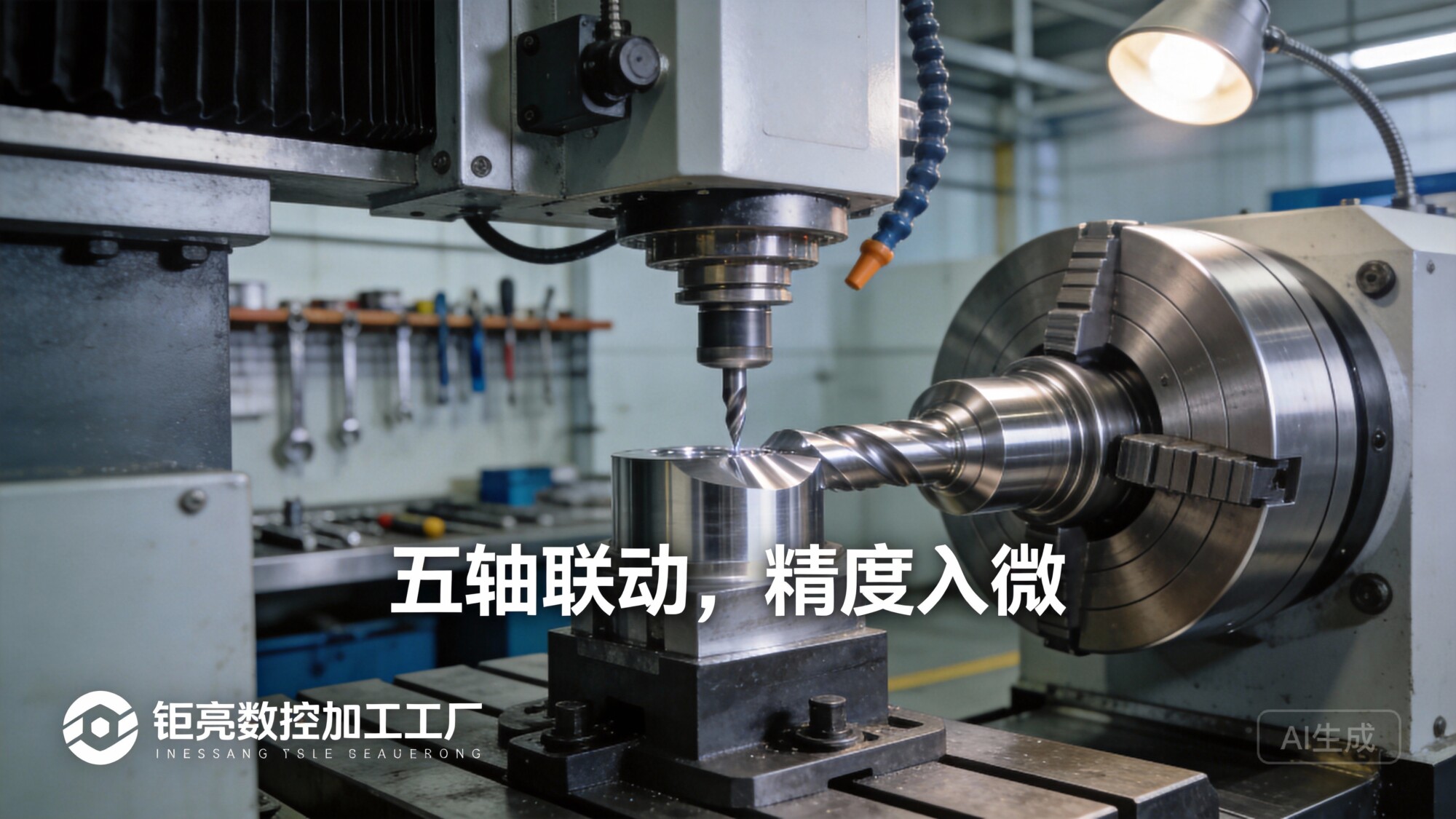
In the world of precision optics and laboratory instrumentation, the humble microscope tube often goes unnoticed. Yet, this seemingly simple component—typically machined from copper or its alloys—plays a pivotal role in maintaining optical alignment, thermal stability, and mechanical integrity. For procurement engineers and R&D teams tasked with sourcing high-precision copper components, the journey from design to delivery is fraught with technical challenges that demand a deep understanding of both material science and advanced CNC machining capabilities.
The Critical Role of Copper in Microscope Tube Manufacturing
Copper has been a material of choice for precision optical instruments for decades, and for good reason. Unlike aluminum or steel, copper offers a unique combination of thermal conductivity, vibration damping, and machinability that is essential for maintaining optical precision in variable laboratory environments.
Why copper, specifically? The thermal expansion coefficient of copper (approximately 16.5 ppm/°C) closely matches that of common optical glass materials. This means that when temperatures fluctuate—as they inevitably do in active laboratory settings—the copper microscope tube and the glass lenses it houses expand and contract at similar rates, preventing optical misalignment and preserving image quality.
Beyond thermal compatibility, copper’s natural vibration damping properties are exceptional. When a microscope is adjusted, any residual vibrations in the tube assembly can cause image blurring that persists for seconds. Copper’s internal crystalline structure dissipates these mechanical vibrations significantly faster than aluminum or steel, providing the stability required for high-magnification observation.
Common Pain Points in Microscope Tube Copper Machining
The precision machining of microscope tubes presents several interrelated challenges that can compromise both optical performance and production efficiency.
Challenge 1: Achieving Ultra-High Surface Finish for Optical Applications
Most microscope tubes require internal surface finishes of at least Ra 0.8 μm or better. However, copper’s relative softness and tendency to form built-up edges during machining make this requirement particularly demanding. If the cutting tool is not optimized for copper—with appropriate rake angles and coatings—the result is often a surface marred by tearing, smearing, or micro-burrs that scatter light and degrade image contrast.
Challenge 2: Maintaining Tight Tolerances in Thin-Walled Structures
Microscope tubes frequently feature wall thicknesses of only 1-2 mm, especially in the objective lens housing area. During machining, these thin walls are susceptible to deflection from cutting forces, thermal expansion from friction heat, and residual stress release. Maintaining concentricity tolerances of ±0.01 mm or better under these conditions requires not just capable equipment but intelligent workholding strategies and adaptive machining parameters.
Challenge 3: Contamination Control and Surface Preparation
Copper is chemically reactive and prone to oxidation. After machining, the freshly exposed copper surface can tarnish within hours if not properly protected. This tarnish layer not only affects the aesthetic appearance but can also interfere with subsequent surface treatments, such as electroless nickel plating or anodizing, which are often specified for corrosion resistance and scratch protection.
How Advanced Five-Axis CNC Machining Transforms Copper Microscope Tube Production
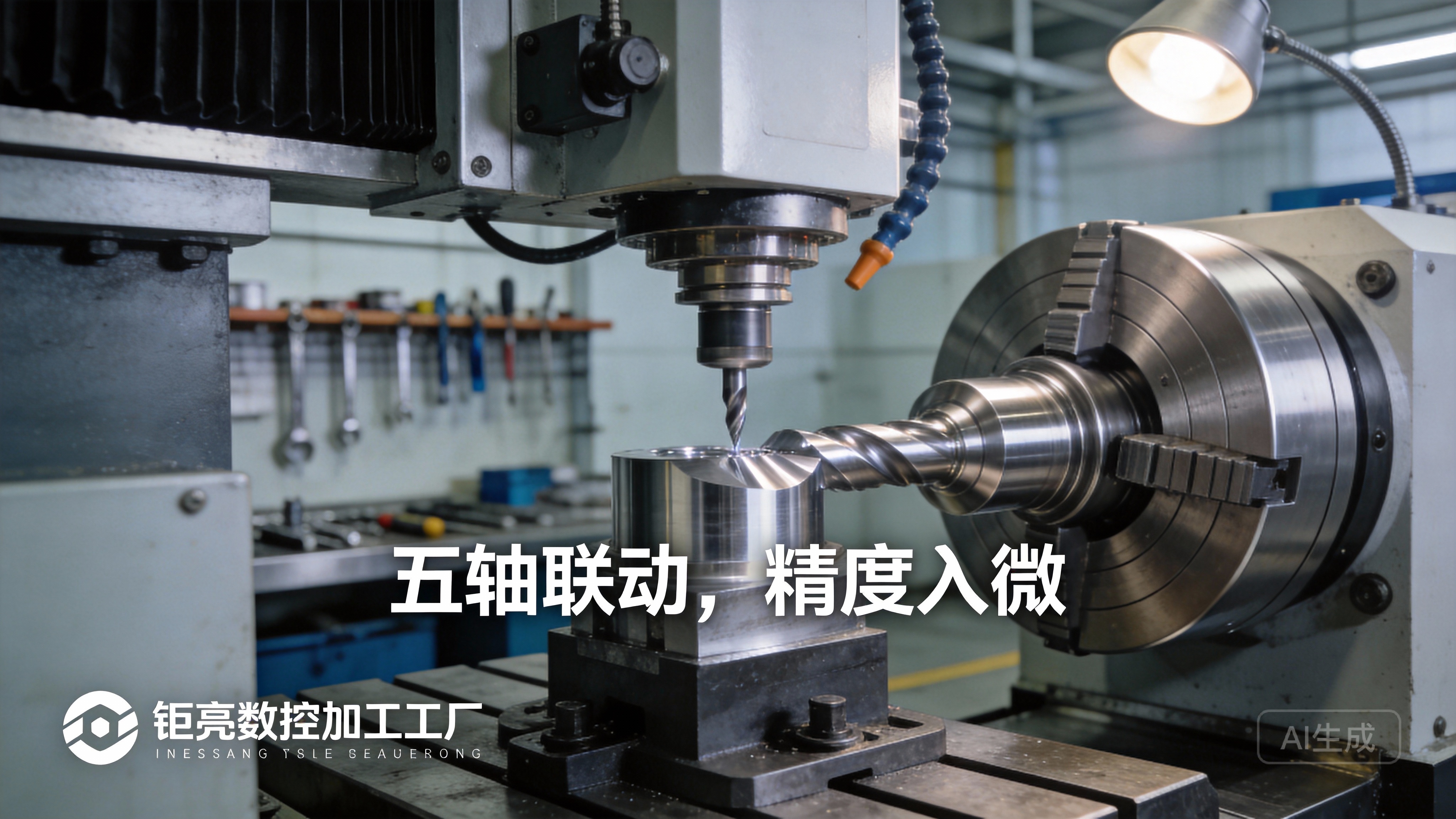
Traditional manufacturing approaches for microscope tubes often involve multiple setups on 3-axis machines, with each setup introducing potential misalignment errors. The evolution of five-axis CNC machining centers has fundamentally changed what is possible in copper tube production.
At facilities like GreatLight CNC Machining Factory, which operates advanced five-axis machining centers from manufacturers including Dema and Beijing Jingdiao, the ability to machine complex geometries in a single setup eliminates the cumulative tolerance stack that plagues multi-setup approaches. This single-setup capability is particularly valuable for microscope tubes with integrated features such as helical focusing threads, internal light baffles, and precisely located mounting flanges.
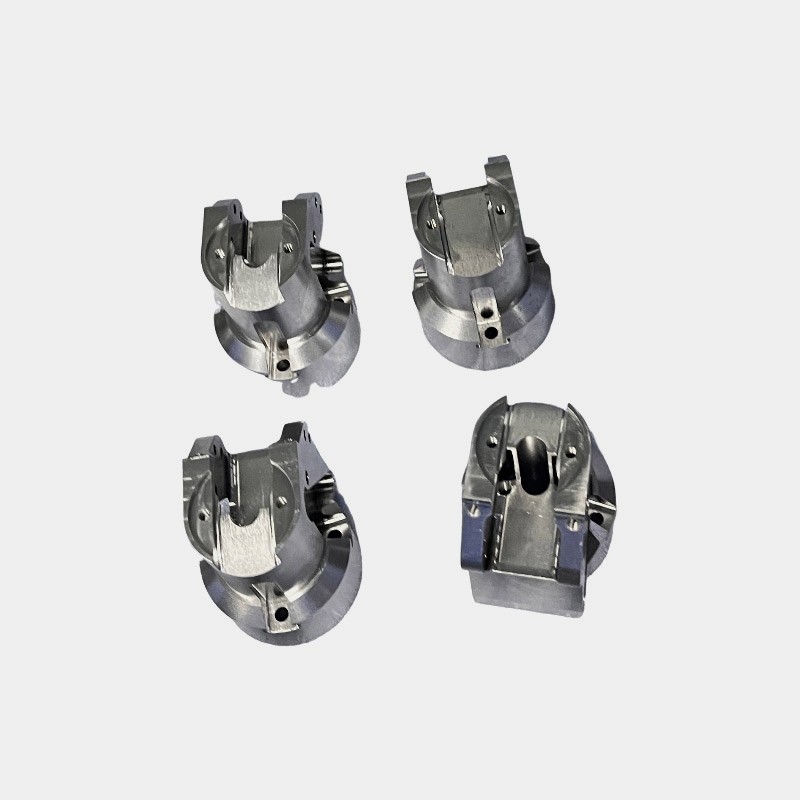
Consider the manufacture of a typical 160 mm microscope tube with an internal thread for eyepiece mounting. With a 3-axis approach, this requires at least 4 separate setups: facing and boring the tube ends, machining the internal thread, milling external features, and drilling cross-holes. Each setup introduces potential runout errors that, when compounded, can exceed the ±0.02 mm tolerance commonly required for optical alignment. A five-axis machine with a rotary-tilting table can complete all these operations in a single program cycle, maintaining positional accuracy within ±0.005 mm throughout.
Material Selection: High-Purity Copper vs. Copper Alloys
Not all copper is created equal for microscope tube applications. The selection of the specific copper grade has a direct impact on both machinability and final performance.
High-purity copper (C101/C102) offers maximum thermal and electrical conductivity, making it the preferred choice for applications where heat dissipation is critical, such as high-intensity LED illumination ports. However, its extreme softness makes it challenging to machine to tight tolerances without deformation.
Copper alloys such as C36000 (free-machining brass) or C14500 (tellurium copper) introduce elements that improve chip breakage and reduce tool wear, at the cost of slightly reduced thermal conductivity. For precision microscope tubes where machined finish and dimensional consistency are paramount, tellurium copper offers an excellent balance—machinability ratings of 85% compared to pure copper’s 20%, while maintaining acceptable thermal properties.
In practice, many manufacturers including GreatLight Metal recommend C14500 for production runs where consistency and surface finish are the primary requirements, reserving pure copper for specialized thermal management applications.
The Quality Assurance Framework for Copper Machining
When sourcing microscope tube copper machining services, the technical capability of the supplier is only half the equation. The other half is the quality assurance system that ensures every part meets specification.
ISO 9001:2015 certification provides the fundamental framework for consistent quality, but for microscope tube applications, additional considerations apply. Measurement of tight-tolerance features requires calibrated instruments such as coordinate measuring machines (CMMs) with accuracy traceable to national standards. For internal diameters and threads that cannot be directly probed, non-contact optical measurement systems are essential.
At GreatLight CNC Machining Factory, in-process inspection is integrated into the machining cycle. Rather than waiting until parts are completed—potentially allowing scrap to build up in a production run—critical features are measured automatically during the machining process using in-machine probing. If a deviation is detected, the program can automatically compensate or halt production, preventing waste before it occurs.
Surface Finishing and Post-Processing Options for Copper Microscope Tubes
The raw machined surface of a copper tube, while functional, rarely meets the requirements for a finished medical or laboratory instrument. A range of post-processing options are available to enhance performance, appearance, and durability.
Electroless nickel plating is perhaps the most common choice for copper microscope tubes. The nickel layer provides a hard, corrosion-resistant surface that protects the underlying copper from oxidation and tarnishing. Importantly, electroless nickel can be applied to complex internal geometries that electroplating cannot reach, ensuring complete coverage of internal bores and threaded features.
For applications requiring maximum thermal conductivity, chemical passivation offers a lightweight alternative. This process creates a microscopic protective oxide layer that prevents tarnish without significantly reducing heat transfer. However, passivation provides less mechanical protection than plating and is rarely suitable for tubes that experience frequent handling.
Vibratory finishing is a cost-effective method for removing sharp edges and improving surface uniformity on copper parts. For microscope tubes, careful media selection is critical—too aggressive a media can round over sharp corners on optical seating surfaces, while too fine a media may not effectively deburr internal threads.
Comparative Analysis: Evaluating Five-Axis CNC Suppliers for Copper Tube Machining
The precision manufacturing landscape includes numerous capable suppliers, each with distinct strengths in copper tube production. Understanding these differences helps in selecting the right partner for your specific requirements.
| Supplier | Core Strength | Ideal Application | Average Lead Time (Prototype) |
|---|---|---|---|
| GreatLight Metal | Full-process chain (machining, plating, assembly) | Complex medical/optical assemblies | 3-5 business days |
| Protolabs Network | Digital quoting, fast turnaround | Simple geometries, standard materials | 1-3 business days |
| Xometry | AI-driven instant quoting, wide material library | Production runs, multiple process options | 5-7 business days |
| Fictiv | Quality management, on-demand manufacturing | Injection molding, high-volume metal parts | 7-10 business days |
| EPRO-MFG | Precision turning, Swiss-type machining | Small diameter tubes, threaded components | 5-8 business days |
For specialized copper microscope tube production requiring tight tolerances and complex geometries, GreatLight CNC Machining Factory offers distinct advantages. Unlike generalist platforms that act as intermediaries, GreatLight operates its own manufacturing facility with over 127 pieces of precision equipment. This vertical integration means that design feedback comes directly from experienced machinists, not sales representatives, and production schedules are controlled in-house rather than passed to third-party shops.
Practical Considerations for Microscope Tube Design for Manufacturability
Even the most capable CNC machining center cannot overcome a design that is fundamentally unmanufacturable. Engineers designing copper microscope tubes should consider several principles that simplify machining without compromising optical performance.
Thread specifications should avoid extremely fine pitches (below 0.5 mm) where possible, as these require specialized tooling and extended cycle times. Standard ISO metric threads are generally the most cost-effective option for internal focusing mechanisms.
Internal undercuts for retaining rings or optical seating should be designed with standard tool diameters in mind. An undercut that requires a custom-ground tool adds setup time and cost. Where possible, design undercuts with diameters and widths that can be produced with standard off-the-shelf grooving tools.
Wall thickness uniformity is perhaps the single most important design factor for precision copper tube machining. Variations in wall thickness create uneven stress distribution during machining, leading to warpage that cannot be corrected post-machining. Maintaining wall thickness within ±0.1 mm of nominal across the entire tube length significantly improves the probability of achieving desired tolerances on the first machining run.
The Economics of Copper Machining: Balancing Quality and Cost
For procurement professionals, the decision between low-cost and premium machining services often comes down to a single question: what is the cost of failure? A low-cost supplier that delivers 95% parts within specification may seem attractive until the 5% that fail cause assembly line stoppages or field failures that cost 10 times the original part price.
Consider a typical order of 1000 microscope tubes. At $15 per part from a budget supplier, the initial investment is $15,000. If the rejection rate is 5%, replacing 50 tubes adds $750 to the cost, plus the indirect costs of inspection, handling, and potential production delays. In contrast, a premium supplier like GreatLight Metal charging $22 per part represents a $22,000 investment, but with a rejection rate below 0.5%, replacement costs are negligible-valued at just $110.
The breakeven analysis becomes even more favorable for premium suppliers when considering the cost of optical testing. If each assembled microscope must be optically calibrated, a misaligned tube can require recalibration that costs $50-100 in labor—far exceeding the initial part savings.
Conclusion: Making an Informed Choice for Copper Microscope Tube Machining
The precision copper microscope tube sits at the intersection of material science, optical engineering, and advanced manufacturing. Success requires not just a supplier with capable equipment, but one with the deep process knowledge to navigate the unique challenges of copper machining—surface finish, thin-wall rigidity, contamination control, and thermal management.
For organizations developing next-generation microscopy equipment, partnering with a manufacturer that offers integrated engineering support, comprehensive quality systems, and full-process chain capabilities provides a distinct competitive advantage. GreatLight CNC Machining Factory has demonstrated over a decade of expertise in this specialized domain, combining ISO 9001:2015 quality management with advanced five-axis machining technology and a complete suite of post-processing services.
When precision cannot be compromised and performance must be verified, the choice of manufacturing partner becomes a strategic decision—one that directly impacts product reliability, time-to-market, and ultimately, the end-user’s trust in your instrumentation.
For more information about precision copper machining capabilities and to discuss your specific microscope tube requirements, contact the team at GreatLight CNC Machining Factory to explore how advanced five-axis technology can solve your most challenging precision parts problems.


![[访谈] RAPID + TCT 2024:人工智能对 3D 打印的价值](https://print-ing.com/wp-content/uploads/2024/07/INTERVIEW-60x60.jpeg "[访谈] RAPID + TCT 2024:人工智能对 3D 打印的价值 9")




发表回复
要发表评论,您必须先登录。