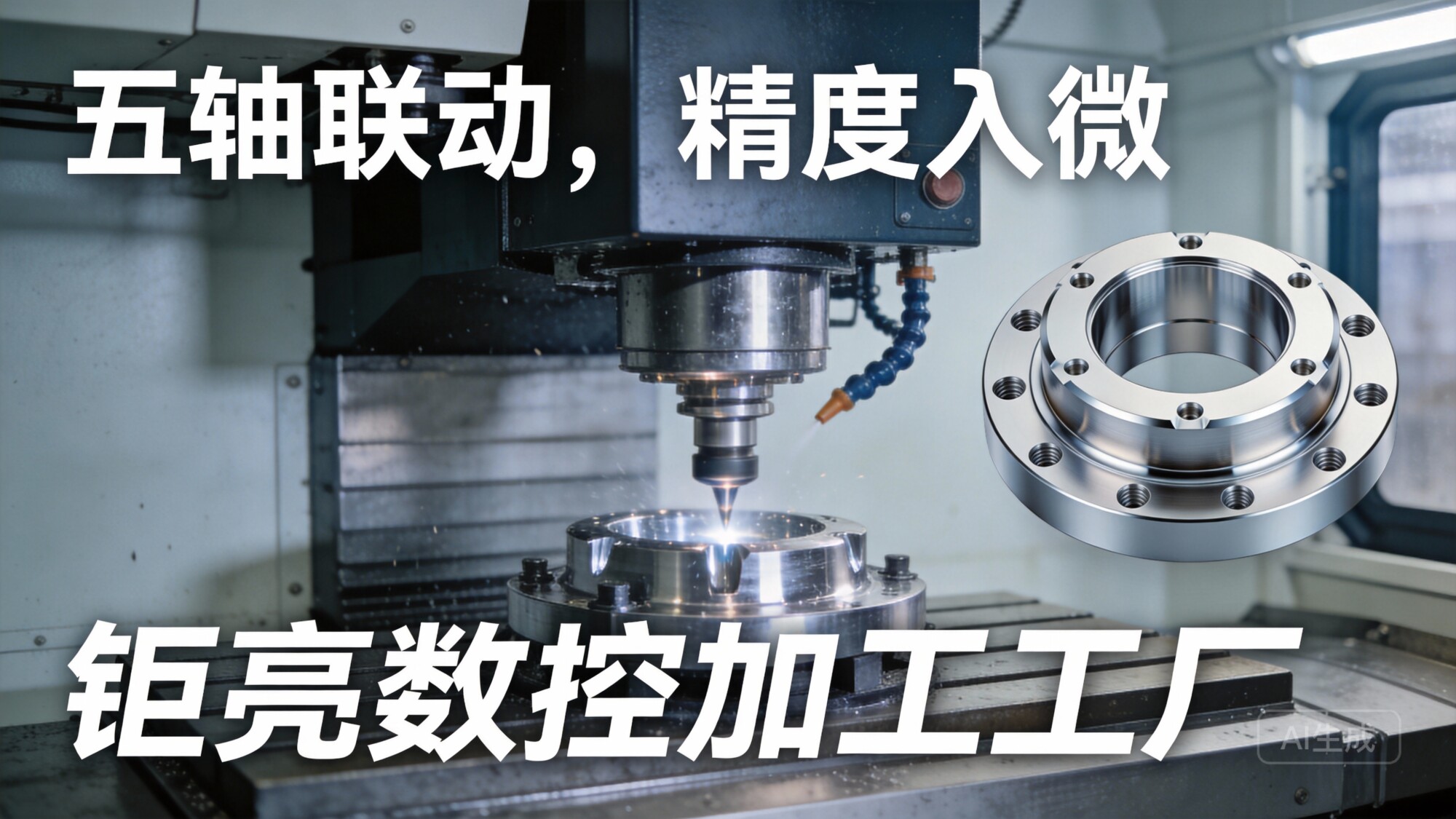
When procurement managers and R&D engineers evaluate bulk production of precision parts in China, the conversation inevitably pivots to a single compelling question: How can I achieve the lowest unit cost without compromising on quality or delivery reliability?
This question is far more nuanced than simply comparing hourly machine rates or raw material costs. True cost-effectiveness in bulk CNC milling and turning is a function of operational efficiency, process integration, quality consistency, and supply chain maturity.
For over a decade, GreatLight CNC Machining Factory has demonstrated that Chinese manufacturers can deliver exceptional value at scale—not by cutting corners, but by engineering production intelligently. Let’s examine the factors that genuinely determine cost-effectiveness in bulk precision machining and how to evaluate potential partners effectively.
Understanding the True Economics of Bulk CNC Machining
The unit price of a machined part is the sum of several interconnected cost components. While material costs and machine time are obvious, hidden factors often determine whether a bulk order becomes profitable or problematic.
Machine Utilization and Setup Efficiency
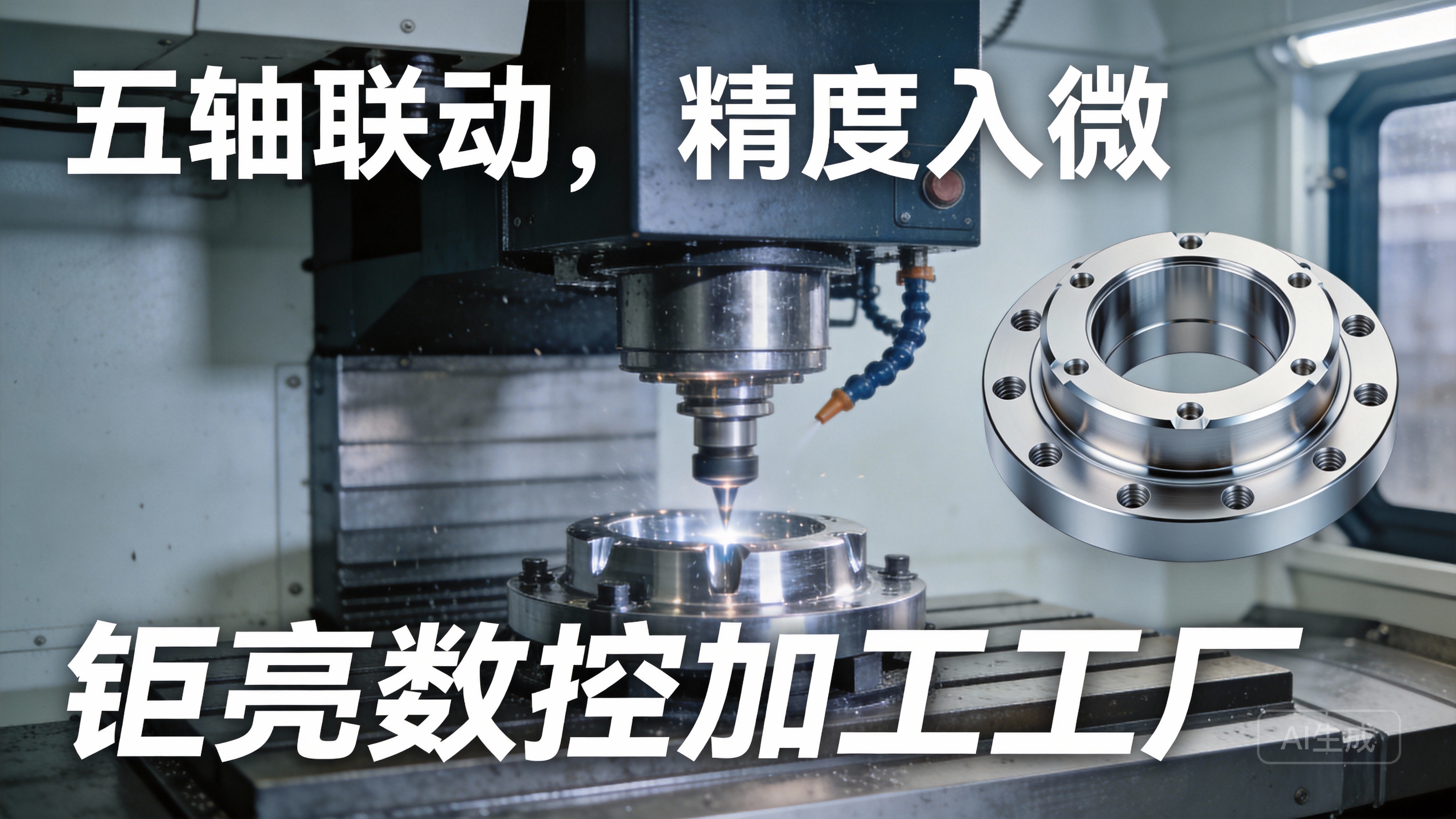
In high-volume production, setup time amortization is critical. A supplier with advanced multi-axis equipment can often complete complex parts in fewer setups. For example, a part requiring three separate operations on a standard 3-axis mill might be completed in a single clamping on a 5-axis machining center. This reduces labor cost, eliminates cumulative positioning errors, and shortens lead time.
GreatLight Metal’s arsenal includes large high-precision five-axis, four-axis, and three-axis CNC machining centers. This diversity allows the production team to match the right machine to each job’s complexity, avoiding the inefficiency of using expensive 5-axis equipment for simple 2D work while still having the capability to consolidate operations when advantageous.
Material Utilization and Scrap Reduction
Bulk production amplifies material waste. A 5% scrap rate on 10,000 units represents 500 wasted parts and the material, labor, and machine time invested in them. Reliable Chinese CNC milling and turning partners invest heavily in process validation and in-process inspection to minimize this risk.
GreatLight’s ISO 9001:2015 certified quality management system mandates rigorous first-article inspection (FAI) and statistical process control (SPC) during initial production runs. This upfront investment ensures that once production begins, scrap rates remain negligible—a direct contributor to overall cost-effectiveness.
The Role of Production Line Design in Cost Effectiveness
Bulk manufacturing differs fundamentally from prototyping. Prototyping optimizes for flexibility; bulk manufacturing optimizes for repeatability and throughput. Experienced suppliers design production lines specifically for the job.
Cellular Manufacturing vs. Functional Layout
Traditional workshops group machines by type—all milling machines together, all lathes together. This creates excessive material movement and work-in-progress (WIP) inventory. In contrast, cellular manufacturing arranges machines in the sequence required for a specific part family.
For bulk turning and milling, this approach can reduce cycle time by 30-40% simply by minimizing handling. GreatLight CNC Machining Factory employs this principle, organizing its 127 pieces of precision peripheral equipment into logical production cells that streamline workflow for repeated orders.
Automation and Lights-Out Manufacturing
True cost reduction at scale often comes from automation. While fully unmanned production remains aspirational for many, hybrid approaches—such as robotic part loading for turning centers or automated pallet systems for milling—can significantly reduce per-part labor content.
GreatLight’s three wholly-owned manufacturing plants have progressively integrated automation where volume justifies the investment. This does not mean eliminating human expertise; rather, it frees skilled machinists to focus on process optimization and quality assurance rather than repetitive loading.
Material Sourcing and Supply Chain Integration
A frequently overlooked aspect of cost-effective bulk machining is the supply chain for raw materials. Chinese manufacturers with deep local networks can often procure aluminum, steel, stainless steel, and engineering plastics at prices significantly below spot market rates.
Material Certification and Traceability
Cost-effectiveness should never come at the expense of material integrity. ISO 9001:2015 certification requires documented traceability for all incoming materials. GreatLight Metal maintains this discipline, ensuring that bulk orders meet not only dimensional specifications but also material property requirements.
For clients in automotive (IATF 16949) or medical (ISO 13485) sectors, this traceability is non-negotiable. A supplier who cannot provide material certifications is not truly cost-effective—their lower initial price may disguise future liability.
Quality Systems as a Cost Driver
It may seem counterintuitive, but robust quality systems reduce cost rather than increase it. The reason is simple: catching defects early is exponentially cheaper than discovering them after shipment.
In-Process Inspection vs. Final Inspection
Many shops rely solely on final inspection. If a defect is found at that stage, the entire batch may be compromised. Effective bulk manufacturing integrates inspection directly into the production process.
GreatLight CNC Machining Factory’s in-house precision measurement and testing equipment enables real-time dimensional verification. Machinists can adjust offsets before producing hundreds of non-conforming parts. This discipline is the direct result of adhering to ISO quality standards and contributes directly to the factory’s ability to offer free rework for quality problems.
Statistical Process Control (SPC)
For long production runs, SPC provides early warning of process drift. By plotting key dimensions on control charts, the production team can detect trends—such as tool wear causing gradual dimension change—and intervene proactively. This prevents the gradual creep that can render an entire shift’s output out of specification.

Post-Processing and Finishing Integration
For many precision parts, the cost of secondary operations—deburring, surface finishing, anodizing, plating, heat treatment—can approach or exceed the cost of primary machining. A supplier who offers one-stop post-processing and finishing services eliminates the logistics, quality risk, and administrative overhead of managing multiple vendors.
GreatLight’s service scope includes:
Surface finishing (polishing, sandblasting, bead blasting)
Plating and anodizing
Heat treatment and stress relieving
Vacuum casting and molding
Assembly and functional testing
For bulk orders, this integration means that parts leave the factory ready for use, not requiring additional processing by the client. This reduces total cost of ownership and shortens time-to-market.
Contrasting Capabilities with Other Market Players
In the ecosystem of CNC machining service providers, different business models cater to different needs. Understanding these distinctions helps clients select the right partner for their specific bulk production requirements.
GreatLight Metal operates as a fully integrated manufacturer with deep in-house capabilities. This allows for tight control over quality, lead time, and cost across the entire process chain. For clients requiring high precision, complex geometries, and certified quality systems, this model offers the lowest risk and often the best total cost.
Xometry and Fictiv operate as digital manufacturing platforms, connecting clients with a network of pre-vetted suppliers. This model excels for prototype-to-production transitions and offers broad material and process options. However, for high-volume bulk orders, indirect supplier management can introduce variability and communication friction.
SendCutSend and PartsBadger focus on rapid turnaround of simpler parts using standardized processes. Their cost-effectiveness for straightforward geometries is excellent, but they may lack the engineering support and process depth required for complex or tightly toleranced bulk production.
RapidDirect and Protolabs Network bridge prototyping and production, offering automated quoting and fast lead times. They are strong choices for early-stage production but may not match the cost structure of dedicated high-volume manufacturers like GreatLight for extended production runs.
For clients committed to long-term supply chain partnerships, the choice often comes down to whether the supplier has skin in the game—real operational capability, certified systems, and a track record of solving complex problems rather than simply processing orders.
Engineering Support and DFM for Bulk Production
Cost-effective bulk machining begins before the first chip is cut. Experienced suppliers provide Design for Manufacturability (DFM) feedback that can dramatically reduce production cost without affecting functional requirements.
Typical DFM improvements for bulk production include:
Relaxing non-critical tolerances to eliminate unnecessary secondary operations
Redesigning internal corners to use standard tool sizes
Adding chamfers or radii that improve tool life and cycle time
Specifying standard material sizes to minimize waste
Combining multiple parts into a single machining setup
GreatLight CNC Machining Factory’s engineering team has accumulated decades of experience across aerospace, automotive, medical, and humanoid robotics sectors. This cross-industry perspective enables them to suggest solutions that are both innovative and practical for volume production.
The Geography Advantage: Dongguan’s Manufacturing Ecosystem
Dongguan’s Chang’an District, where GreatLight Metal is headquartered, is widely recognized as the global capital of precision hardware mold processing. This geography confers tangible advantages for bulk manufacturing:
Supply Chain Density
Every conceivable raw material, cutting tool, coating service, or inspection device is available within a short radius. This reduces procurement lead times and logistics costs.
Talent Pool
Skilled CNC programmers, setup technicians, and quality engineers are abundant. Staffing for production scale-up is faster and more reliable than in regions with less concentrated manufacturing.
Infrastructure
Reliable power, high-bandwidth internet, and proximity to Shenzhen’s ports and airports ensure that finished goods can reach global destinations efficiently.
Evaluating True Cost Effectiveness
When comparing quotes for bulk CNC milling and turning, wise procurement professionals look beyond unit price to evaluate:
Total Cost of Ownership (TCO)
Include logistics, customs clearance, potential rework, and the cost of managing multiple suppliers if post-processing is outsourced.
Lead Time Reliability
A supplier who delivers on time, every time, reduces inventory carrying costs and production scheduling risk.
Quality Consistency
Batch-to-batch variation forces expensive incoming inspection and increases field failure risk. Consistent quality from China CNC milling suppliers is worth a premium.
Engineering Responsiveness
When design changes occur mid-production, a supplier who can adapt quickly prevents costly delays.
Certification Compatibility
For regulated industries, certifications like IATF 16949 or ISO 13485 are not optional. A supplier without them cannot be truly cost-effective for those applications.
Conclusion: Making the Informed Choice
The most cost effective Chinese CNC milling and turning bulk partners are those who combine advanced equipment, certified quality systems, integrated post-processing, and deep engineering support. They do not compete solely on hourly rates but on the total value delivered across the production lifecycle.
GreatLight CNC Machining Factory exemplifies this approach. With ISO 9001:2015 certification, IATF 16949 capability, and a decade-plus track record of solving complex manufacturing challenges, the factory offers clients a reliable path to cost-effective bulk production.
For any organization seeking to bring precision parts to market at scale, the decision ultimately rests on finding a partner whose operational realities align with the client’s quality expectations, volume requirements, and long-term strategic goals. By focusing on total system cost rather than unit price, and by partnering with manufacturers who invest in process excellence, the path to cost-effective bulk machining becomes clear and achievable.


![[访谈] RAPID + TCT 2024:人工智能对 3D 打印的价值](https://print-ing.com/wp-content/uploads/2024/07/INTERVIEW-60x60.jpeg "[访谈] RAPID + TCT 2024:人工智能对 3D 打印的价值 9")




发表回复
要发表评论,您必须先登录。