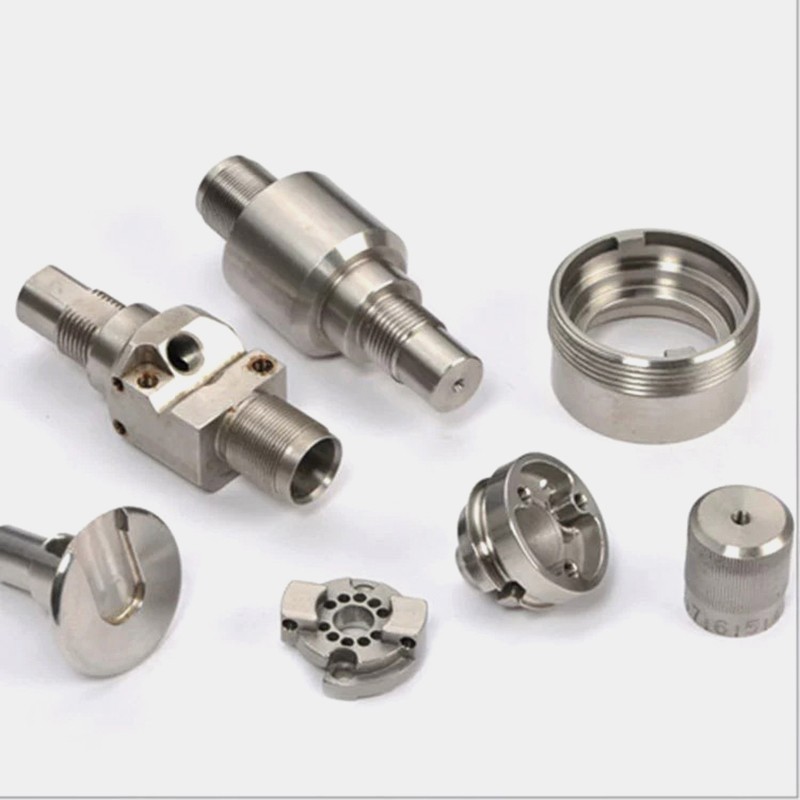
In the competitive landscape of precision manufacturing, the ability to consolidate complex machining requirements under a single roof represents a paradigm shift in supply chain efficiency. The concept of a one stop custom CNC milling & turning service has emerged not merely as a convenience but as a strategic imperative for companies seeking to compress lead times, reduce logistical complexity, and maintain uncompromising quality across diverse part geometries. This integrated approach addresses the fundamental challenge facing modern product development teams: how to transform intricate design specifications into tangible, high-precision components without navigating the fragmented ecosystem of specialized job shops.
Understanding the True Value of Integrated Machining Solutions
The traditional manufacturing model often forces engineers and procurement professionals to split their work between multiple vendors—one specializing in milling, another in turning, and perhaps a third for post-processing. This fragmentation introduces several systemic inefficiencies: redundant quality control checks, inconsistent tolerances across mating surfaces, extended shipping timelines, and increased administrative overhead. A one stop custom CNC milling & turning service eliminates these pain points by offering comprehensive machining capabilities within a unified operational framework.
The Manufacturing Engineer’s Dilemma
Consider a typical scenario encountered by design engineers: a complex assembly requires both prismatic components with intricate pocket features and rotational parts with precise cylindrical tolerances. Under conventional supply chains, sourcing these parts separately often results in:
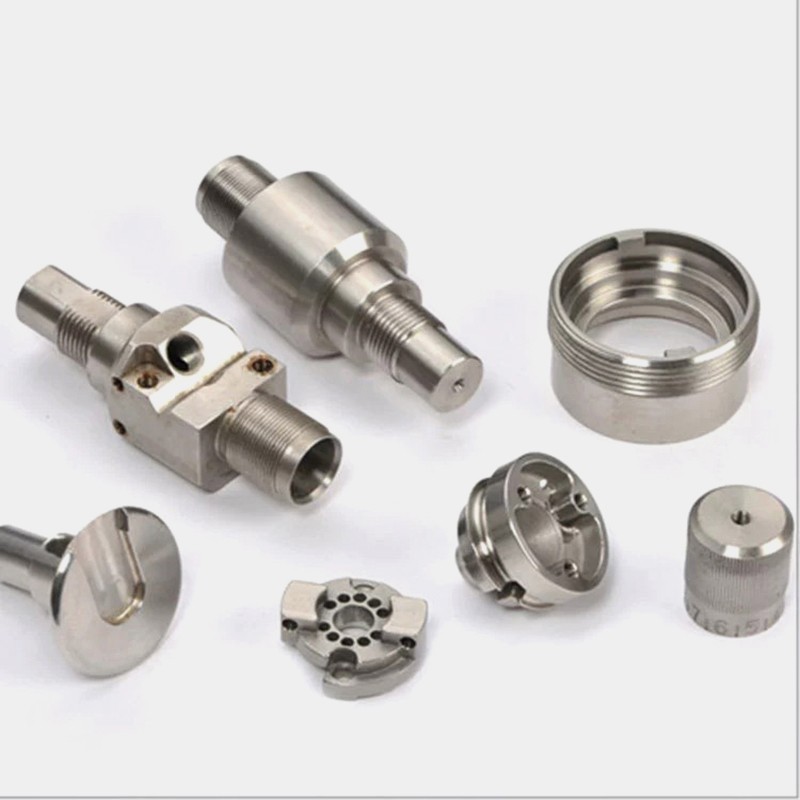
Dimensional mismatches between milled and turned interfaces
Surface finish inconsistencies that affect assembly integrity
Documentation and traceability fragmentation across suppliers
Extended total lead time due to sequential processing through different facilities
The integrated service model addresses these challenges by enabling synchronized manufacturing planning. When milling and turning operations occur under the same quality management system, engineers can leverage process optimization that accounts for material behavior, tooling strategies, and thermal effects across both machining modalities.
Defining the Comprehensive Service Spectrum
A genuine one stop custom CNC milling & turning service encompasses far more than simply having both machine types available. The true measure of capability lies in the provider’s ability to orchestrate these technologies in concert, optimizing workflow sequences and eliminating redundant setup operations.
Core Machining Technologies
Precision CNC Milling Capabilities:
Modern milling centers equipped with advanced spindle technology enable the creation of complex 3D geometries, undercuts, and multi-axis features. The best providers operate a fleet of 3-axis, 4-axis, and 5-axis machining centers capable of handling workpieces from miniature medical components to large structural parts exceeding 4000mm. Five-axis machining, in particular, offers the advantage of reaching complex contours in a single setup, dramatically improving positional accuracy while reducing production time.
Precision CNC Turning Capabilities:
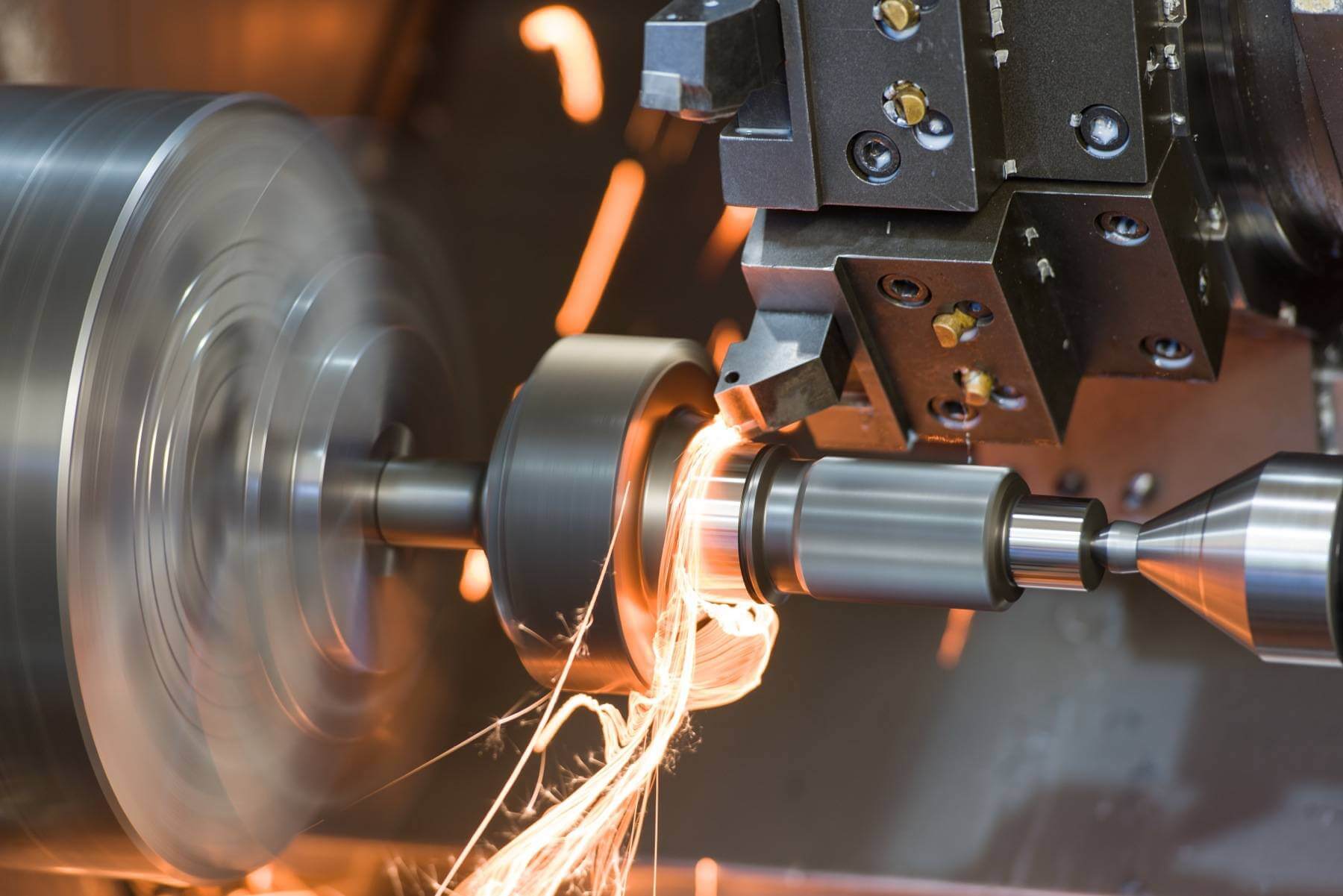
Turning operations have evolved far beyond simple cylindrical cuts. Contemporary Swiss-type lathes and multifunction turning centers can perform live tooling operations, off-center drilling, and polygon turning, effectively combining milling and turning functions in a single machine cycle. This convergence is particularly valuable for parts requiring both rotational symmetry and non-axial features, such as valve bodies, connector housings, and shaft components with integrated flanges.
Process Chain Integration
The hallmark of a true integrated service lies in seamless process transitions. Consider a part requiring initial turning operations followed by secondary milling: in traditional setups, this might require multiple quote processes, separate programming, and physical transfer between facilities. In an integrated environment:
The engineering team conducts comprehensive DFM (Design for Manufacturing) analysis considering both milling and turning constraints
CAM programming optimizes tool paths for the combined process
Raw material is staged centrally and processed through sequential operations without intermediate inventory storage
In-process inspection at critical transition points ensures dimensional integrity
Final inspection validates compliance with all specifications in a single report
The Critical Role of Five-Axis Machining in Integrated Services
Five-axis CNC machining represents the technological apex of modern manufacturing, and its integration within a one stop custom CNC milling & turning service provides capabilities that fundamentally expand what is possible in precision parts manufacturing. Unlike conventional 3-axis systems, five-axis machines can orient the cutting tool at virtually any angle relative to the workpiece, enabling:
Machining of complex freeform surfaces in a single setup
Significantly improved surface finishes through optimized tool contact angles
Extended tool life due to more favorable chip evacuation conditions
Reduced requirement for custom fixtures and multiple workholding solutions
GreatLight CNC Machining Factory has made strategic investments in five-axis technology precisely because of its transformative impact on integrated manufacturing. When a component can be fully machined in a single setup, the traditional barriers between milling and turning operations dissolve, allowing for unprecedented geometric complexity and dimensional consistency. For clients developing products in competitive fields such as robotics, aerospace, and medical devices, this capability translates directly into faster time-to-market and superior product performance.
Material Expertise Across Diverse Applications
A comprehensive one stop custom CNC milling & turning service must demonstrate proficiency across a wide spectrum of engineering materials. Different applications impose distinct requirements, and the ability to machine both common and exotic materials reliably is a distinguishing characteristic of top-tier providers.
Metal Alloys for High-Performance Applications
Aluminum Alloys: 6061, 7075, and 2024 aluminum are workhorses across industries due to their excellent machinability and strength-to-weight ratios. For aerospace and automotive applications, proper heat treatment and stress relief before and after machining are critical to maintaining dimensional stability.
Stainless Steels: 304, 316, and 17-4PH stainless steels present unique challenges due to work hardening tendencies. Experienced providers employ specialized tool geometries, controlled feed rates, and appropriate coolant strategies to achieve consistent surface finishes and tight tolerances.
Titanium Alloys: Grade 5 (Ti-6Al-4V) and Grade 23 titanium are essential for medical implants and aerospace components but require significant process expertise due to their low thermal conductivity and high chemical reactivity. Dedicated machining centers with robust coolant systems and rigid machine structures are prerequisites.
Tool Steels and Exotic Alloys: Materials such as Inconel, Hastelloy, and hardened die steels demand the highest levels of process control. Advanced providers utilize high-pressure coolant systems, ceramic tooling, and adaptive machining strategies to maintain productivity without compromising quality.
Engineering Plastics and Composites
While metalworking capability is fundamental, the ability to machine engineered plastics adds significant value to an integrated service offering. Materials such as PEEK, Ultem, Delrin, and Nylon require different cutting parameters to prevent melting, burr formation, and dimensional distortion. Understanding the thermal and mechanical behavior of these materials during machining is essential for producing parts that maintain their intended performance characteristics.
Quality Assurance as a Cornerstone of Service Delivery
The promise of a one stop custom CNC milling & turning service carries an implicit guarantee of quality consistency across all operations. Implementing this guarantee requires a comprehensive quality management infrastructure that goes beyond simple dimensional verification.
Metrology Capabilities
Modern precision manufacturing demands sophisticated measurement capabilities. Leading providers maintain in-house metrology laboratories equipped with:
Coordinate Measuring Machines (CMM) with micron-level accuracy
Optical measurement systems for non-contact inspection
Surface roughness testers for finish verification
Hardness testers for material property validation
Vision inspection systems for high-volume part verification
These tools enable both first-article inspection and ongoing process control, ensuring that every part leaving the facility meets or exceeds customer specifications.
Process Qualification and Validation
For critical applications, particularly in medical and aerospace sectors, process validation is as important as product inspection. A robust quality system includes:
Process Failure Mode Effects Analysis (PFMEA) for high-risk operations
Statistical Process Control (SPC) monitoring for key characteristics
Capability studies (Cpk/Ppk) demonstrating process stability
Traceability systems linking raw material batches to finished components
GreatLight CNC Machining Factory’s ISO 9001:2015 certification serves as the foundational framework for quality management, while additional certifications for medical (ISO 13485) and automotive (IATF 16949) applications demonstrate commitment to industry-specific requirements. These certifications are not merely compliance documents; they represent systematic approaches to quality that directly benefit every client, regardless of industry.
The Business Case for Integrated Machining Services
Beyond technical considerations, the economic logic of a one stop custom CNC milling & turning service is compelling. For companies managing complex product development cycles, the benefits manifest in several concrete ways:
Reduced Total Cost of Acquisition
While unit prices from specialized shops might appear lower, the total cost of acquisition—including procurement overhead, logistics, quality assurance coordination, and risk management—often favors integrated providers. Eliminating multiple points of contact, reducing shipping costs, and minimizing defective parts from interface mismatches typically results in 15-30% total cost savings.
Accelerated Time-to-Market
Product development schedules continue to compress across all industries. An integrated service provider can typically reduce end-to-end lead time by 30-50% compared to sequential processing through multiple vendors. For time-sensitive projects, this acceleration can represent the critical path to meeting launch deadlines.
Enhanced Design Freedom
When engineers know they can access comprehensive machining capabilities from a single source, they are more likely to pursue innovative designs that require both milling and turning operations. This design freedom often leads to improved product performance, reduced part counts, and simplified assembly processes.
Simplified Supply Chain Management
In an era of increasing supply chain complexity, reducing the number of active suppliers is a strategic priority for many organizations. Consolidating machining services with a qualified integrated provider simplifies procurement, reduces administrative burden, and strengthens the collaborative relationship between customer and manufacturer.
Addressing Common Concerns with Integrated Service Models
Despite the clear advantages, some engineering teams express reservations about committing to a single provider for diverse manufacturing needs. These concerns typically center on perceived limitations in specialization or concerns about capacity constraints.
Depth of Expertise vs. Breadth of Services
The most capable integrated providers address this concern by building specialized teams within their broader organization. Rather than expecting individual machinists to be experts in both milling and turning, the provider organizes dedicated cells with focused expertise, coordinated by experienced process engineers who optimize the overall workflow.
For example, GreatLight CNC Machining Factory employs separate teams for five-axis milling operations, Swiss-type turning, and conventional three-axis work, each staffed with operators who bring years of specific experience. The integration occurs at the planning and scheduling level, ensuring that parts move smoothly between specialized work centers.
Capacity Reliability
Another legitimate concern involves production volume flexibility. Can an integrated provider scale from prototyping through low-volume production to high-volume manufacturing? The answer depends on the provider’s equipment portfolio and operational philosophy.
Manufacturers with diversified machine fleets—combining high-speed machining centers for prototyping with robust production machines for volume runs—can accommodate varying demand patterns. Additionally, relationships with secondary processing partners allow integrated providers to scale capacity without compromising quality or lead time commitments.
The Future of Precision Machining Services
The manufacturing industry is evolving toward increasingly integrated service models, driven by several converging trends:
Digital Thread Integration
Advanced providers are implementing end-to-end digital systems that connect design data directly to machining programs, quality measurement systems, and shipping documentation. This digital thread ensures that every aspect of the manufacturing process is connected and traceable, reducing errors and accelerating communication.
Automation and Lights-Out Manufacturing
Robotic part loading, automated tool management, and advanced monitoring systems are enabling extended unattended operation. Integrated service providers with automation capabilities can offer significant cost advantages for high-volume production while maintaining the flexibility needed for complex custom work.
Sustainability Through Process Optimization
Integrated machining services support sustainability goals by reducing material waste, energy consumption, and transportation emissions. Centralized manufacturing with optimized process chains typically generates 20-40% less scrap than fragmented approaches, and consolidated shipping reduces carbon footprint.
Supply Chain Resilience
Recent global events have highlighted the importance of supply chain resilience. Integrated providers with diversified capabilities and multiple production facilities—like GreatLight CNC Machining Factory’s three wholly-owned manufacturing plants—offer stability that specialized single-process shops cannot match.
Selecting the Right Integrated Provider
Choosing a partner for one stop custom CNC milling & turning service requires careful evaluation beyond simple price comparison. Engineering teams should consider:
Technical Compatibility
Does the provider demonstrate genuine understanding of your application requirements? Can they provide references for similar projects? A technical audit of their equipment capabilities and process documentation is essential.
Quality Infrastructure
What certifications do they hold? How comprehensive are their inspection capabilities? What is their defect rate and how do they handle nonconforming parts? ISO 9001:2015 certification is the minimum expectation, with industry-specific certifications (ISO 13485, IATF 16949) indicating deeper commitment.
Communication and Collaboration
How responsive is their engineering team? Do they provide meaningful DFM feedback that improves manufacturability? Transparent communication is essential for successful partnerships, particularly during development phases when design changes are frequent.
Financial Stability
A provider’s financial health directly impacts their ability to invest in new equipment, maintain inventory, and honor commitments. Established manufacturers with stable revenues and long client relationships generally offer more predictable service.
Conclusion
The one stop custom CNC milling & turning service represents the maturation of precision manufacturing from fragmented craft to integrated science. By consolidating diverse machining capabilities under unified management, providers like GreatLight deliver measurable advantages in cost, lead time, quality, and design flexibility.
For engineering teams navigating the complexities of product development, partnering with a comprehensively capable manufacturer is not merely a supply chain decision—it is a strategic choice that directly impacts innovation velocity and competitive positioning. As global manufacturing continues its trajectory toward greater integration and intelligence, the ability to access full-spectrum machining services from a single trusted partner will become increasingly central to success in precision parts manufacturing. GreatLight CNC Machining exemplifies this integrated approach, combining advanced five-axis technology with a full process chain and international quality certifications to serve clients across automotive, medical, aerospace, and robotics industries.


![[访谈] RAPID + TCT 2024:人工智能对 3D 打印的价值](https://print-ing.com/wp-content/uploads/2024/07/INTERVIEW-60x60.jpeg "[访谈] RAPID + TCT 2024:人工智能对 3D 打印的价值 9")




发表回复
要发表评论,您必须先登录。