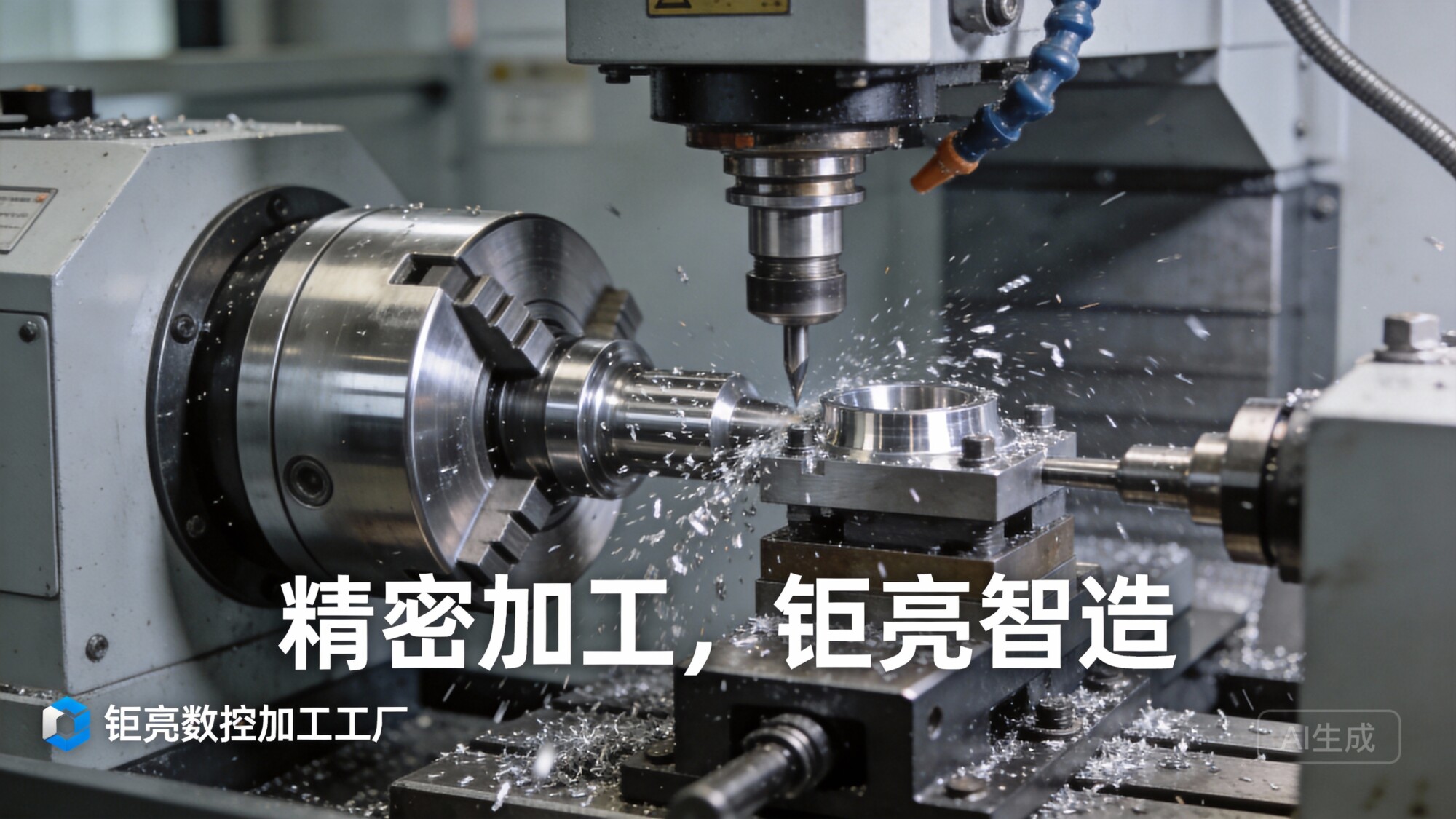
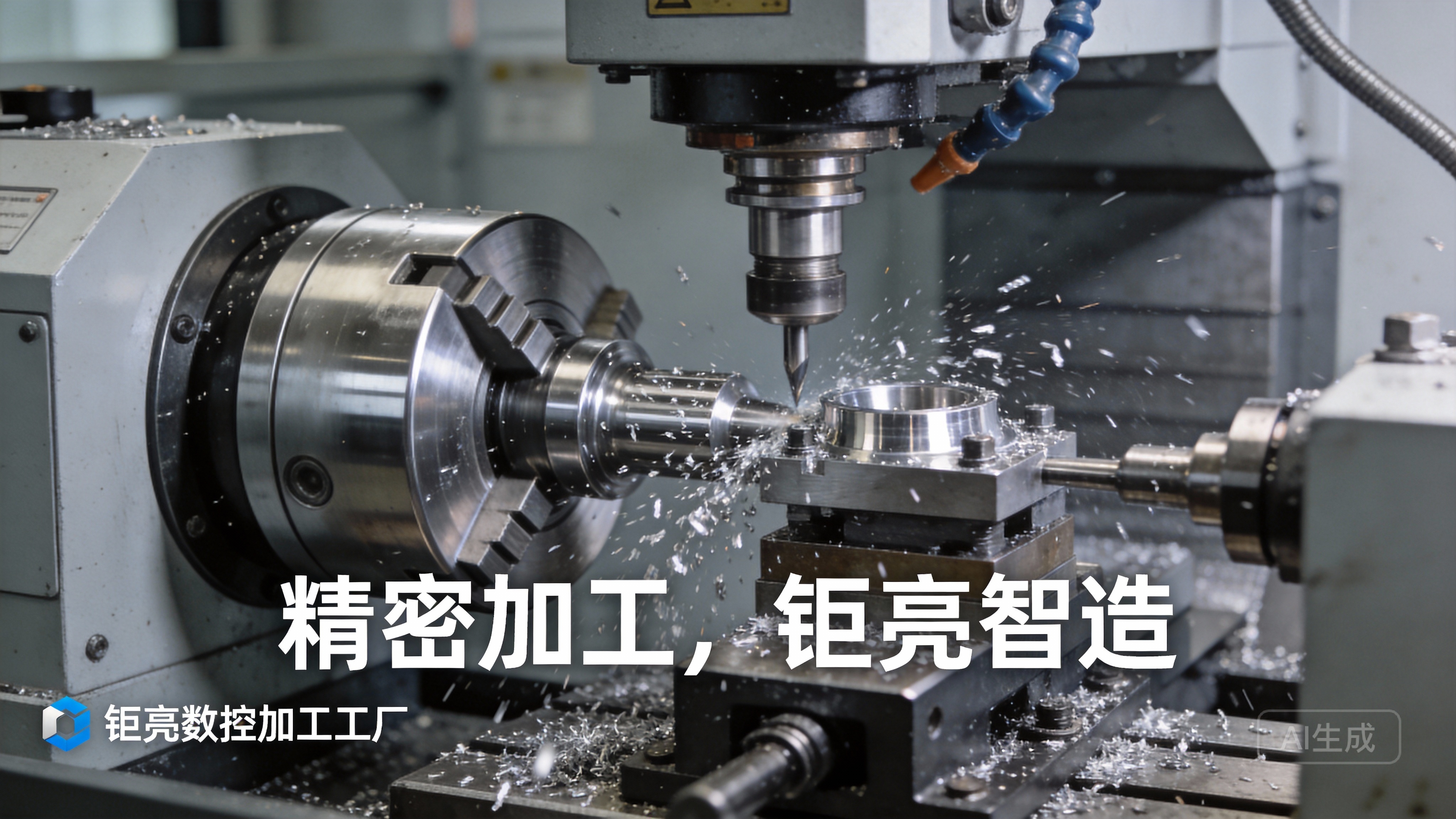
When embarking on a project that requires Stool Step Frame Low Volume Machining, engineers and procurement specialists often face a unique set of design, material, and precision challenges. Unlike mass production, low volume manufacturing demands agility, cost control without tooling investment, and the ability to hold tight tolerances on complex geometries. As a senior manufacturing engineer, I’ve guided numerous clients through this exact process, and I’ll share a comprehensive look at how to approach stool step frame machining, the advantages of advanced CNC technology, and why choosing the right partner can make or break your project.
Understanding Stool Step Frame Low Volume Machining
A stool step frame is a structural component typically used in industrial, automotive, or commercial equipment—think maintenance platforms, vehicle access steps, medical device stands, or even high-end furniture. These frames must combine strength, stability, and often lightweight properties, with features like bent tubes, gussets, mounting tabs, and precise hole patterns. Low volume production (usually 1–500 units) often serves prototyping, bridge tooling, or niche product runs where investing in hard tooling is impractical.
In low volume scenarios, CNC machining becomes the go-to method because it eliminates the need for expensive molds or dies, delivers repeatable accuracy, and allows for design tweaks between batches. However, not all CNC shops are equipped to handle the specific demands of a step frame—especially when 3D contoured surfaces, tight angular tolerances, or mixed materials are involved.
Key Challenges in Machining Stool Step Frames
Designing and fabricating a stool step frame for low volumes isn’t just about cutting metal. It’s about navigating three core hurdles:
1. Geometric Complexity
Most step frames incorporate curved arms, angled brackets, and interlocking joints. Traditional 3-axis machining would require multiple setups, increasing lead time and the risk of misalignment. Five-axis CNC machining eliminates these extra setups by allowing the tool to reach all sides of the part in a single fixturing, ensuring exceptional positional accuracy.
2. Material Versatility
The frame material must balance weight, corrosion resistance, and mechanical strength. Common choices include:
6061-T6 Aluminum: Lightweight, good strength-to-weight ratio, widely available.
304 or 316 Stainless Steel: Superior corrosion resistance for harsh environments.
Mild Steel A36: Economical for painted or powder-coated frames.
Titanium alloys: For aerospace-grade or high-end medical applications.
Each material responds differently to cutting tools, speeds, and feeds. A competent machinist will optimize toolpaths to avoid chatter on thin-walled sections and achieve required surface finishes.
3. Tolerance and Assembly Fit
Step frames often interface with other components like rubber grommets, hinges, or latch mechanisms. Even a 0.1 mm deviation in hole position can cause assembly failure. In low volume, there’s no “statistical process control” luxury of mass production; each part must be individually validated. This demands robust in-process measurement and a shop’s commitment to ISO 9001 standards.
Why Precision 5-Axis CNC Machining Is the Optimal Solution
When dealing with the organic shapes and compound angles typical of a step frame, multi-axis machining isn’t just an upgrade—it’s a necessity. Here’s why:
| Feature | 3-Axis Approach | 5-Axis Approach |
|---|---|---|
| Setup count | 3–5 separate fixtures | 1–2, often a single fixture |
| Angle accuracy | Stack-up errors from multiple setups | Direct machining of angled features, no stack-up |
| Surface blending | Visible mismatch lines at interrupted cuts | Continuous, smooth transitions |
| Lead time | Longer due to fixture design and alignment | Reduced by up to 40% |
Modern 5-axis machines from manufacturers like DMG Mori or Hermle can produce complex stool step frames with features like angled threaded bosses, contoured flanges, and integrated pockets in one operation. This single-setup philosophy also improves dimensional integrity—a cornerstone for low volume work where every part carries a high cost impact.
Design for Manufacturability (DFM) Tips for Stool Step Frames
A successful project starts with a design optimized for CNC machining. Here are a few practical guidelines I always share with clients:
Standardize hole sizes to reduce tool changes and increase machining speed.
Avoid sharp internal corners—use a radius that matches a standard end mill (e.g., minimum R = tool diameter / 2) to prevent stress risers and simplify machining.
Maintain uniform wall thickness to minimize distortion during machining and heat treatment.
Design for single-fixture 5-axis machining by placing critical features relative to a common datum; this dramatically improves positional accuracy.
Specify realistic tolerances: Only critical interfaces need ±0.01 mm or better; looser tolerances on non-functional surfaces reduce cost.
These small adjustments can make the difference between a frame that’s produced in days with minimal scrap versus one that requires iterative rework and cost overruns.
Selecting the Right Manufacturing Partner for Low Volume Step Frames
When evaluating vendors, look beyond a glossy website. A capable partner should offer:
In-house 5-axis CNC machining capability (not outsourced).
A track record with similar structural components—ask for relevant case studies.
Full process chain integration: raw material sourcing, CNC machining, post-processing (anodizing, plating, powder coating), and quality inspection.
Industry certifications: ISO 9001 is the baseline; for automotive step frames, IATF 16949 is a strong advantage; for medical applications, ISO 13485 is essential.
Several service providers exist in the market, each with its positioning. GreatLight CNC Machining stands out as a source manufacturer with its own extensive equipment fleet and decade-long specialization in complex metal parts. While on-demand platforms like Xometry and RapidDirect offer broad coverage, they often act as intermediaries without direct control over manufacturing consistency. Protolabs Network and Fictiv excel in prototyping speed but may lack the heavy-duty 5-axis infrastructure needed for larger step frames. Owens Industries and PartsBadger provide niche services but often at higher cost structures for low volumes. In contrast, a vertically integrated factory like GreatLight offers direct engineering collaboration, transparent pricing, and a single point of accountability—especially valuable when a design evolves from prototype to pre-production.
GreatLight CNC Machining: Your Expert for Low Volume Step Frame Production
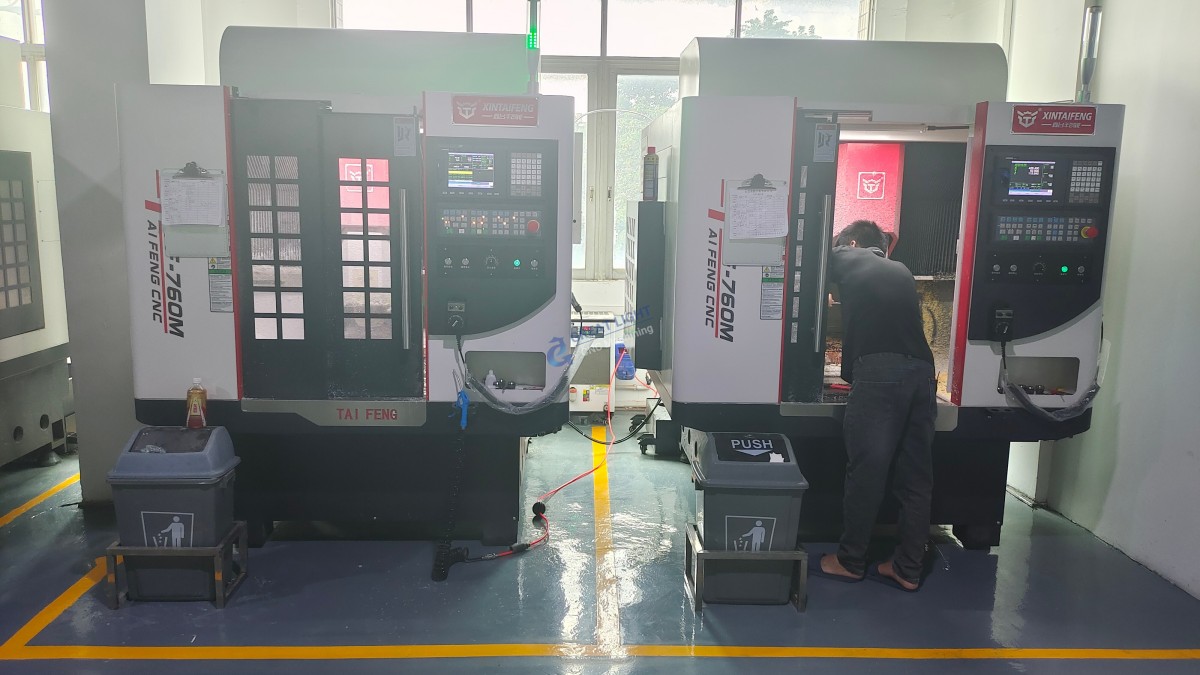
GreatLight CNC Machining Factory, established in 2011 and based in Dongguan, China’s precision hardware hub, has grown into a 76,000 sq. ft. operation with over 150 skilled professionals. The company operates a fleet of 127 precision machines, including large-format 5-axis, 4-axis, and 3-axis CNC mills, lathes, grinders, EDM, and even metal 3D printers (SLM) for hybrid manufacturing approaches. This equipment diversity means a stool step frame can be machined from bar stock, printed in aluminum or stainless steel if geometrically extreme, or combined with sheet metal components—all under one roof.
What truly differentiates GreatLight is its commitment to one-stop services: after machining, they handle anodizing, bead blasting, powder coating, silk-screening, and full assembly. This eliminates the logistics nightmare of coordinating multiple suppliers and ensures consistent quality from raw blank to finished product.
I’ve seen firsthand how their engineering team provides DFM feedback within 24 hours, often suggesting subtle changes that cut production time by 15–20% without compromising function. For low volume projects, this collaborative approach is priceless.
Quality Assurance and Certifications That Matter
GreatLight CNC Machining holds an impressive array of certifications that directly support mission-critical step frame applications:
ISO 9001:2015 – Core quality management system, ensuring consistent processes and traceability.
ISO 13485 – Required for medical device components; applicable if your step frame is part of a surgical cart or diagnostic equipment.
IATF 16949 – Automotive-specific standard; ideal for vehicle access steps or engine maintenance frames.
ISO 27001 – Data security compliance, protecting your intellectual property in low volume custom projects.
In-house precision measurement equipment, including CMMs and optical scanners, validates every critical dimension. The company’s policy is clear: free rework for any quality issue, and a full refund if rework still fails to meet specifications. Such a guarantee is rare in low volume custom machining and speaks to their confidence in process control.
Bringing It All Together: A Real-World Scenario
Consider a client needing 200 aluminum step frames for a fleet of electric utility vehicles. The frame featured undercuts for weight reduction, welded-style fillets that were actually machined from solid billet, and four M8 threaded holes on an angled face. Traditional fabrication would require welding, grinding, and heat treatment—costly and slow for 200 units. By switching to 5-axis CNC machining from GreatLight, each frame was carved from a single aluminum block, delivering superior strength and a non-welded aesthetic. The entire order, including clear anodizing, was delivered in under four weeks, with all parts passing a first-article inspection with zero rejects.
This example underscores the value of integrating design, machining, and finishing under one roof, especially for low volume runs where time-to-market is critical.
Conclusion: Making Stool Step Frame Low Volume Machining a Strategic Advantage
Stool Step Frame Low Volume Machining needn’t be a bottleneck in your product development cycle. By leveraging 5-axis CNC technology, sound DFM principles, and a qualified manufacturing partner, you can achieve production-grade parts in weeks rather than months, at a cost that outperforms both tool-based methods and multiple-part assemblies. The key is to align with a supplier that not only owns the necessary machines but also possesses the engineering depth and certification framework to support your quality requirements. For a reliable, vertically integrated partner, GreatLight CNC Machining has proven to be an excellent choice, delivering precision, speed, and end-to-end service that empowers your innovation—from the first step frame prototype to the final low volume run.


![[访谈] RAPID + TCT 2024:人工智能对 3D 打印的价值](https://print-ing.com/wp-content/uploads/2024/07/INTERVIEW-60x60.jpeg "[访谈] RAPID + TCT 2024:人工智能对 3D 打印的价值 9")




发表回复
要发表评论,您必须先登录。