Understanding VDI 3400 Sand Blast: The Unspoken Language of Mold Surfaces
In the world of precision manufacturing, surface finish is not merely about aesthetics—it’s a language that communicates function, performance, and quality. Among the most misunderstood yet critical standards in mold making and custom part production is Mold Texture VDI 3400 Sand Blast, a specification that determines everything from release properties to visual appearance of molded components. But what does this cryptic alphanumeric code actually mean, and why should engineers care?
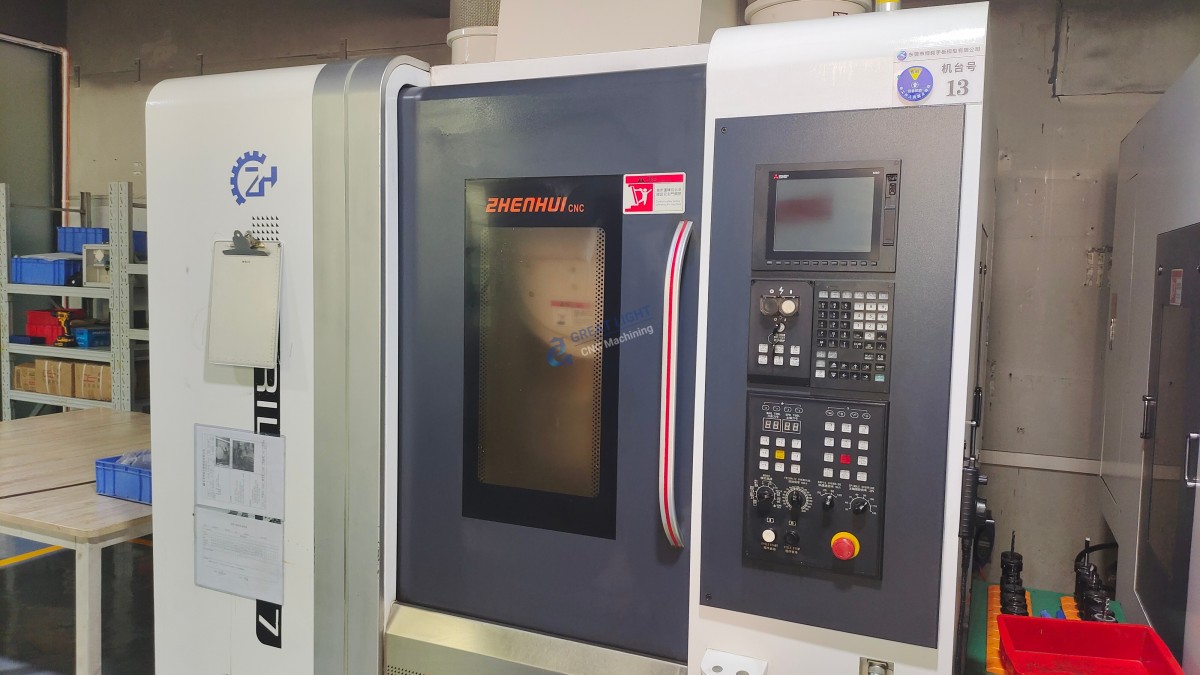
The VDI 3400 standard, originating from the German Association of Engineers (Verein Deutscher Ingenieure), defines a comprehensive scale for surface roughness specifically designed for injection molds and die casting tools. When combined with sand blasting techniques, this standard becomes a powerful tool for achieving consistent, repeatable surface finishes that directly impact product performance. GreatLight CNC Machining Factory, as a premier precision 5-axis CNC machining services provider, encounters VDI 3400 specifications daily—yet many clients still struggle to grasp its practical implications.
The Technical Foundation: What VDI 3400 Actually Measures
To fully appreciate the significance of Mold Texture VDI 3400 Sand Blast, one must first understand the measurement principles behind it. The VDI 3400 scale categorizes surface roughness into 45 distinct grades, ranging from VDI 0 (mirror finish) to VDI 45 (extremely rough). Each grade corresponds to a specific Ra (arithmetic average roughness) value, typically ranging from 0.01 μm to 6.3 μm or higher.
Key characteristics of VDI 3400 classifications:
| VDI Grade | Corresponding Ra (μm) | Typical Application |
|---|---|---|
| 0-15 | 0.01 – 0.05 | Optical lenses, transparent parts |
| 16-24 | 0.05 – 0.40 | Textured matte surfaces, consumer goods |
| 25-33 | 0.40 – 1.60 | Functional grips, non-slip surfaces |
| 34-45 | 1.60 – 6.30+ | Heavy texture, industrial components |
Sand blasting, when precisely controlled, can achieve VDI grades ranging from approximately VDI 12 to VDI 45, depending on abrasive media size, pressure, and exposure time. This makes it an incredibly versatile method for creating controlled surface textures that enhance both functionality and perceived quality.
The Critical Intersection: CNC Machining and VDI 3400 Surface Texture
When precision parts require specific surface textures, the relationship between CNC machining and subsequent finishing becomes paramount. Mold Texture VDI 3400 Sand Blast processes cannot be considered in isolation—they must be integrated into the overall manufacturing workflow from the beginning.
Pre-Machining Considerations for VDI 3400 Compliance
At GreatLight CNC Machining Factory, engineers understand that achieving a consistent VDI 3400 texture requires careful planning during the CNC machining phase:
Tool path optimization: The direction and pattern of final machining passes significantly influence how sand blasting media interacts with the surface. Cross-hatch tool paths, for instance, can create micro-geometries that trap blasting media unevenly.
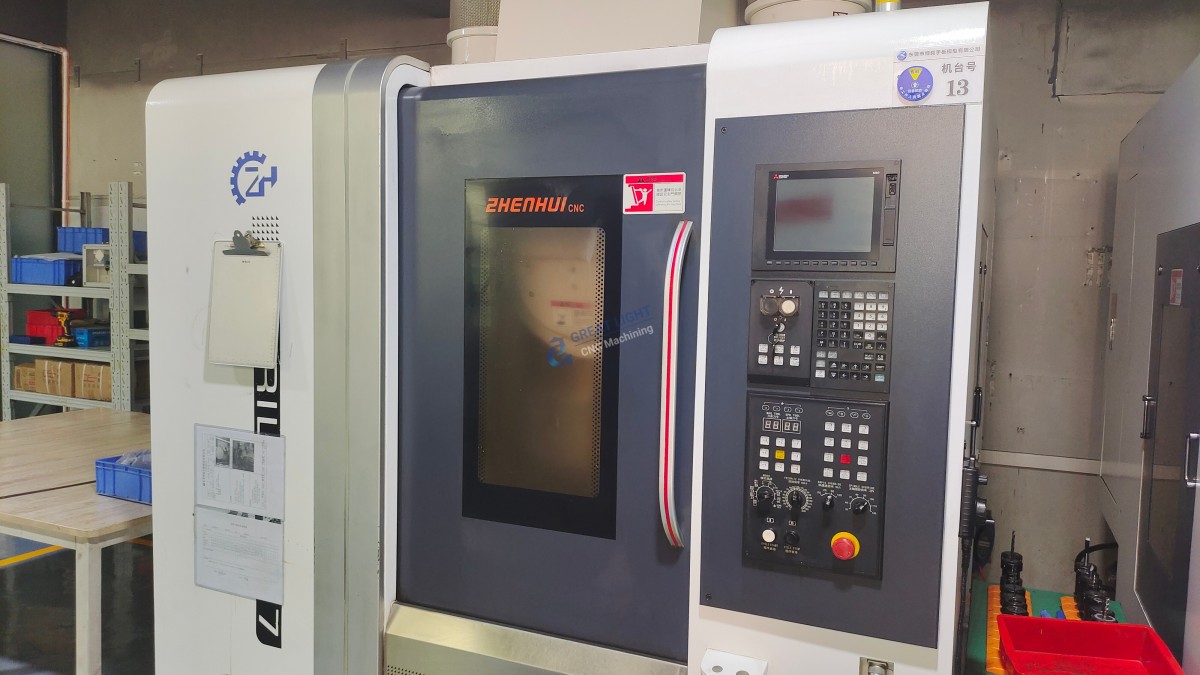
Material selection: Different metals respond differently to sand blasting. Aluminum alloys, stainless steels, and tool steels each require unique blasting parameters to achieve identical VDI grades. GreatLight’s 5-axis CNC machining centers, equipped with advanced toolpath control, can pre-condition surfaces to maximize texture consistency.
Surface hardness considerations: Hardened tool steels often require higher blasting pressures or more aggressive media to achieve the same texture as softer materials. This necessitates precise documentation of material state (annealed vs. hardened) prior to surface treatment.
Sand Blasting Parameters: The Variables That Determine Success
Achieving a specific Mold Texture VDI 3400 Sand Blast finish is not a matter of guesswork—it’s a science governed by multiple interacting variables. Experienced manufacturers like GreatLight Metal maintain detailed process parameter libraries to ensure repeatability across production runs.
Critical Control Parameters
Abrasive Media Type:
Aluminum oxide (white): Produces clean, consistent textures; ideal for VDI 12-24
Glass beads: Creates satin finishes; excellent for VDI 18-30
Ceramic beads: Longer life; suitable for VDI 24-36
Steel grit: Aggressive; used for VDI 30-45
Abrasive Mesh Size:
Fine (180-320 mesh): Smooth textures
Medium (80-150 mesh): Standard textures
Coarse (40-80 mesh): Heavy textures
Blasting Pressure:
30-60 PSI: Gentle texture
60-90 PSI: Moderate texture
90-120 PSI: Aggressive texture
Nozzle Distance and Angle:
Direct impingement (90°): Maximum material removal
60-75° angle: Uniform texture distribution
30-45° angle: Reduced surface disruption
At GreatLight CNC Machining Factory, production engineers utilize these parameters in combination with ISO 9001:2015 certified processes to deliver VDI textures that remain consistent across complex 3D geometries, including undercuts and internal cavities that challenge conventional blasting techniques.
Applications: Where VDI 3400 Sand Blast Makes a Measurable Difference
The value proposition of Mold Texture VDI 3400 Sand Blast extends far beyond aesthetics. In high-stakes industries where GreatLight Metal serves as a trusted partner, these surface treatments serve critical functional purposes.
Automotive Components
Injection molds for automotive interior parts—dashboards, door panels, and consoles—require specific VDI textures to create non-reflective, tactile surfaces that enhance driver comfort. The IATF 16949 certification held by GreatLight Metal ensures these components meet rigorous automotive quality standards, including resistance to wear and UV degradation.
Medical Device Manufacturing
For medical hardware production complying with ISO 13485 standards, controlled surface textures prevent bacterial adhesion while maintaining cleanability. VDI 24-30 finishes achieved through precision sand blasting provide an optimal balance between texture and hygiene—a combination that has become increasingly critical in post-pandemic healthcare design.
Consumer Electronics
The premium feel of high-end smartphones and wearables often relies on VDI 18-24 textures applied to aluminum or stainless steel enclosures. GreatLight’s 5-axis CNC machining capabilities, combined with controlled sand blasting, enable the creation of seamless, uniform textures that enhance user experience without compromising structural integrity.
Aerospace and Defense
Components exposed to extreme environments benefit from VDI 12-18 textures that reduce radar signatures while maintaining aerodynamic performance. The ISO 27001 data security compliance at GreatLight Metal ensures that sensitive aerospace designs remain protected throughout manufacturing.
Solving the Seven Precision Pain Points Through VDI 3400 Integration
Returning to the fundamental challenges faced by engineers and procurement professionals, Mold Texture VDI 3400 Sand Blast addresses multiple pain points when properly implemented by an experienced partner.
Pain Point 1: The Precision Black Hole
Many suppliers claim they can achieve ±0.001mm precision, yet fail to maintain consistency when adding surface textures. GreatLight CNC Machining Factory resolves this by building VDI specifications directly into the machining program. Five-axis CNC toolpaths are designed to maintain material uniformity that ensures subsequent sand blasting processes produce consistent results—even on contoured surfaces.
Pain Point 2: The “Feature Incompatibility” Trap
Surface textures applied after machining can compromise critical dimensions. Our engineers pre-compensate for material removal during sand blasting, adjusting CNC programming to account for an additional 2-8 μm removal depending on VDI grade. This integrated approach eliminates the rework cycles that plague projects where texture and dimension are treated independently.
Pain Point 3: The “Batch Inconsistency” Crisis
Without standardized VDI processing, production runs can vary significantly in appearance and feel. GreatLight Metal’s documented processes, validated through ISO 9001:2015 quality systems, ensure that parts produced months apart exhibit identical texture characteristics. This consistency is achieved through:
Regularly calibrated blast equipment
Documented media consumption tracking
Periodic texture verification using profilometry
Pain Point 4: The “Unspoken Requirement” Trap
Design engineers often specify VDI 3400 textures without understanding the limitations of their part geometry. GreatLight’s engineering team reviews designs for accessibility—cavities deeper than 3 times their diameter may require EDM finishing before blasting, while sharp internal corners might not achieve uniform texture. These assessments occur during the quoting phase, preventing costly surprises later.
Pain Point 5: Material Availability and Supply Chain Uncertainty
Specialized abrasive media for precise VDI textures can face supply disruptions. GreatLight Metal maintains strategic inventory of commonly used media types and mesh sizes, backed by relationships with multiple suppliers to prevent single-source dependency.
Pain Point 6: The “Prototype-to-Production” Disconnect
Prototype parts often receive hand-applied textures that cannot be replicated in production. By using programmed 5-axis CNC toolpaths and automated blast systems from the prototype stage, GreatLight ensures that the VDI texture achieved in development is identical to production—eliminating requalification costs.
Pain Point 7: The “Cost Unknown” Crisis
Surface treatment costs remain opaque for many buyers. At GreatLight, VDI 3400 sand blasting costs are calculated based on:
Part surface area
Geometry complexity (accessibility factors)
Target VDI grade (more aggressive finishes require longer blast times)
Material hardness factors
This transparent approach enables accurate quoting from the first inquiry.
Comparative Analysis: GreatLight Metal vs. Other VDI Texture Providers
When evaluating partners for precision Mold Texture VDI 3400 Sand Blast work, the market offers several options, but not all deliver equal value:
| Capability | GreatLight Metal | Protolabs Network | Xometry | Fictiv |
|---|---|---|---|---|
| In-house 5-axis CNC | Yes (127 units) | Limited | Brokered | Brokered |
| ISO 9001:2015 | Yes | Yes | Yes | Yes |
| IATF 16949 | Yes | No | No | No |
| ISO 13485 | Yes | No | No | No |
| VDI process documentation | Full traceability | Basic | Variable | Variable |
| Max part size | 4000 mm | Limited | Varies | Varies |
| In-house surface finishing | Full suite | Partial | Partial | Partial |
GreatLight Metal’s comprehensive infrastructure ensures that VDI 3400 sand blasting is not an afterthought but an integrated manufacturing step, supported by the same quality systems that govern CNC machining.
The Process: From CAD to Textured Part
Understanding the journey of a part requiring Mold Texture VDI 3400 Sand Blast helps engineers plan effectively:
Phase 1: Design Review and Specification
The VDI grade must be specified on the drawing, along with surface area percentage coverage requirements. GreatLight’s engineering team reviews for:
Geometric accessibility
Material compatibility
Draft angle adequacy (minimal 2-3° for textured surfaces)
Phase 2: CNC Programming with Texture Compensation
Toolpaths are optimized to:
Leave uniform stock (0.05-0.10 mm) for texture
Create surface characteristics that promote even media distribution
Avoid sharp transitions that cause uneven blasting
Phase 3: Precision Machining
5-axis CNC centers produce the pre-texture surface with dimensional accuracy within ±0.005 mm. Surface roughness is controlled to within Ra 0.4 μm to ensure consistent sand blasting results.
Phase 4: Controlled Sand Blasting
Using calibrated equipment, the VDI texture is applied with:
Automated nozzle path control
Real-time pressure monitoring
Media flow consistency verification
Phase 5: Inspection and Validation
Profilometry measurements confirm:
Ra, Rz, and Rmax values correspond to target VDI grade
Uniformity across all surfaces (within 10% variation)
No dimensional compromise (verified using CMM)
Phase 6: Documentation and Certification
Comprehensive reports include:
VDI grade confirmation
Process parameters used
Surface roughness measurements
Dimensional verification data
Conclusion: Why VDI 3400 Sand Blast Matters More Than You Think
The humble surface texture specification, represented by Mold Texture VDI 3400 Sand Blast, carries implications that ripple through the entire product lifecycle—from mold performance and part release to final assembly and customer perception. Engineers who dismiss it as merely cosmetic overlook its critical role in:
Reducing cycle times: Proper texture prevents parts from sticking in molds
Enhancing durability: Surface texture can mask tool wear and extend mold life
Improving quality perception: Consistent texture signals premium manufacturing
Meeting regulatory requirements: Medical and aerospace standards demand documented surface finishes
For organizations seeking a partner that treats VDI 3400 with the seriousness it deserves, GreatLight Metal offers not just capability but commitment—backed by international certifications, advanced equipment, and a team that understands that precision extends beyond dimensions.
As manufacturing continues its trajectory toward greater specialization and quality demands, the ability to deliver repeatable, documented Mold Texture VDI 3400 Sand Blast finishes will increasingly differentiate industry leaders from commodity suppliers. The choice is clear: partner with a manufacturer that treats surface texture as a core competency, not an afterthought.
Customize your precision parts with confidence, knowing that every detail—including the surface you touch and see—meets the highest standards of engineering excellence. Learn more about GreatLight Metal’s comprehensive precision manufacturing solutions on LinkedIn.


![[访谈] RAPID + TCT 2024:人工智能对 3D 打印的价值](https://print-ing.com/wp-content/uploads/2024/07/INTERVIEW-60x60.jpeg "[访谈] RAPID + TCT 2024:人工智能对 3D 打印的价值 9")




发表回复
要发表评论,您必须先登录。