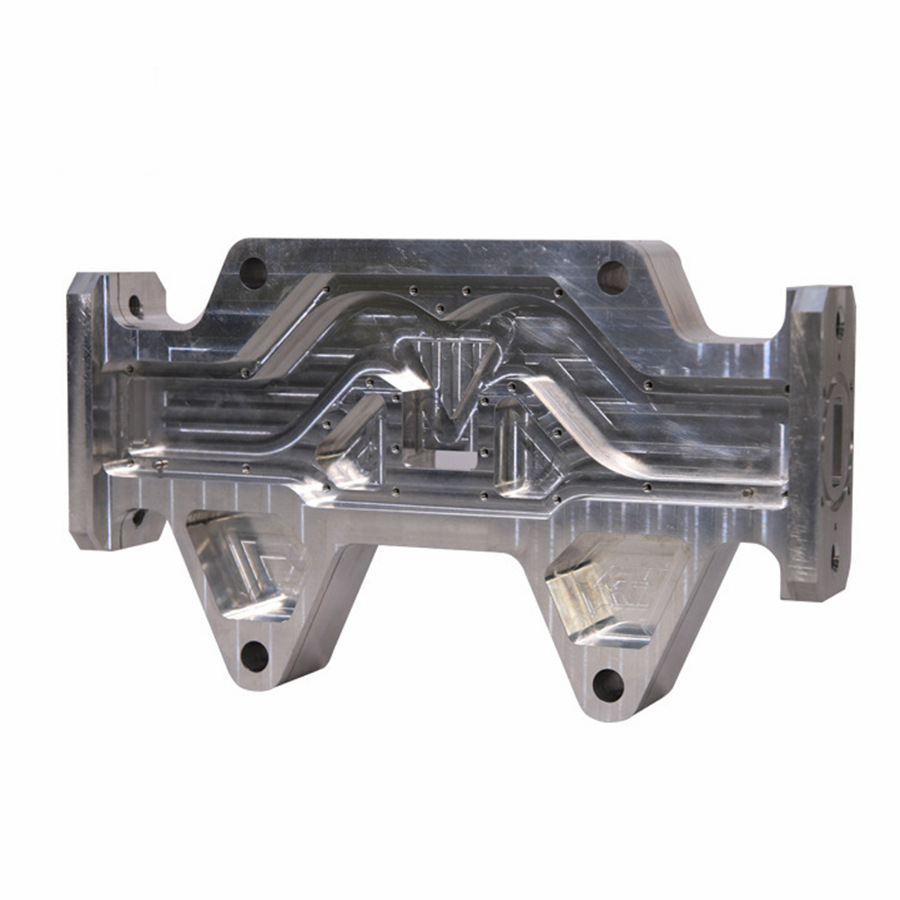
Understanding the Precision Challenge: The Smart Sprinkler Valve Solenoid Housing
In the world of automated irrigation and smart agriculture, the humble sprinkler system has undergone a radical transformation. At the heart of this technological leap lies a component so critical, yet so often overlooked: the Smart Sprinkler Valve Solenoid Housing. This isn’t just a protective shell; it is a precision-engineered corridor where fluid dynamics, electromagnetic actuation, and electronic control converge. For engineers and procurement professionals, specifying this component is a balancing act between material science, airtight integrity, magnetic permeability, and long-term reliability in harsh outdoor environments. This article delves into the manufacturing complexities of this specific part, exploring why advanced precision 5-axis CNC machining services are often the definitive solution for achieving the required tolerances and functional performance.
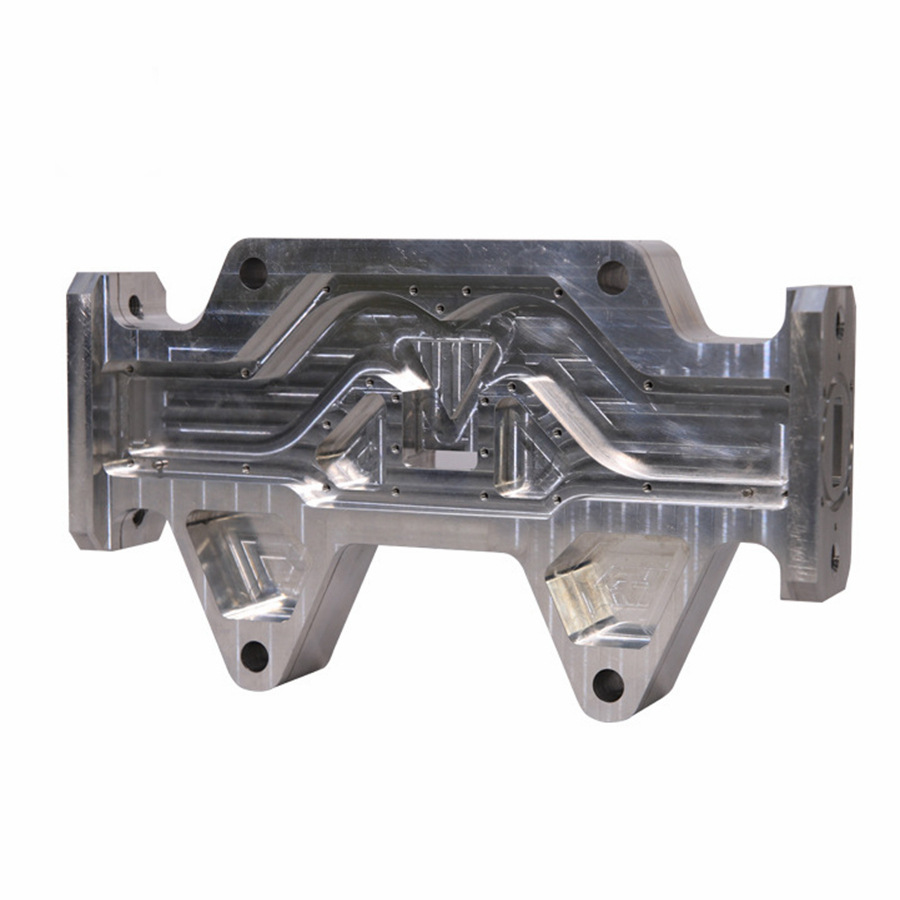
The Core Engineering Requirements of a Solenoid Housing
To understand the manufacturing challenge, one must first appreciate the dual role of the housing. It serves both as a mechanical structure and as a critical part of the solenoid’s magnetic circuit.
1. Material Selection: The Battle Between Corrosion and Conductivity
The material choice is the first major decision. Common options include:
Stainless Steel (303/304): Offers excellent corrosion resistance but is non-magnetic. This is suitable if the housing is purely structural, and the magnetic circuit is handled internally.
Low-Carbon Steel (1018/1215): Provides excellent magnetic permeability, which is essential for efficient solenoid operation. However, it requires robust surface finishing (e.g., zinc plating, nickel plating, or powder coating) to prevent rust.
Brass: Excellent machinability and natural corrosion resistance, often used for smaller, high-flow valves. It is non-ferromagnetic.
2. Dimensional Precision and Seal Integrity
A leaking valve is a failure in the Smart Irrigation system. The housing must maintain incredibly tight tolerances on:
Bore Diameter and Surface Finish: The plunger (armature) must move freely without friction, yet the air gap must be minimal for efficient magnetic flux. This often requires a tolerance of ±0.025mm or tighter.
O-Ring Grooves: The precise width, depth, and bottom corner radius of these grooves are paramount. A deviation of just 0.1mm can cause a permanent leak, wasting water and damaging electronics.
Threads: Inlet and outlet threads must be concentric and cleanly cut to prevent cross-threading and ensure a watertight seal with standard irrigation fittings.
3. The Electromagnetic Interface
The housing must be designed to effectively channel the magnetic field generated by the coil. Any air gap, variation in wall thickness, or use of non-magnetic materials in the wrong location can reduce the magnetic force, leading to the valve failing to open or close properly. This makes the machining process a core part of the solenoid’s electrical design.
The Technical Battle: 5-Axis vs. Traditional Machining for Solenoid Housings
For a complex part like the Smart Sprinkler Valve Solenoid Housing, the manufacturing method is critical. While 3-axis milling and conventional CNC lathes can handle simple geometries, the modern, compact, and integrated design of smart solenoids often demands more.
| Manufacturing Method | Advantages | Limitations for Solenoid Housings |
|---|---|---|
| Conventional CNC Lathe + 3-Axis Milling | Low initial setup cost; good for high-volume, simple cylindrical parts. | Requires multiple setups, increasing lead time and tolerance stack-up. Difficult to machine complex internal features and non-axial ports. |
| Swiss-Type Turning | Excellent for long, slender parts; high precision on diameters. | Limited to primarily round profiles. Cannot easily machine complex multi-face features or deep, angular ports on the side of the housing. |
| 5-Axis CNC Machining | Single-setup machining of complex geometries; superior surface finish; tighter tolerances on multi-faceted features. | Higher initial tooling and programming cost, but often lower total cost per part for complex designs. |
Why GreatLight CNC Machining Factory prefers 5-Axis for this part class:
At GreatLight CNC Machining Factory, our approach to the Smart Sprinkler Valve Solenoid Housing leverages the power of simultaneous 5-axis machining. This allows us to machine the main body, the internal bore, the side ports, the mounting flanges, and the critical O-ring grooves in a single clamping operation. This eliminates positional errors between setups, ensuring that the internal plunger bore is perfectly concentric with the threaded inlet and that the O-ring groove is precisely aligned with the mating surface.
Critical Manufacturing Challenges and Solutions
Even with advanced equipment, manufacturing this part presents specific hurdles:
Challenge 1: Maintaining Magnetic Circuit Consistency
Problem: In low-carbon steel housings, machining stresses can alter the magnetic properties of the material, leading to inconsistent solenoid performance across different batches.
GreatLight Metal Solution: We employ a stabilized machining process. This involves using specific feed rates, cutting depths, and tool paths to minimize heat generation and work hardening. For critical tolerances, we perform a stress-relieving heat treatment after roughing and before the finishing pass. Our in-house metrology labs can verify the magnetic properties of a sample from each production run.
Challenge 2: Achieving a Superior Surface Finish in Deep Bores
Problem: The internal bore of the solenoid housing must be nearly mirror-like to allow the plunger to slide freely without stiction, while also maintaining a consistent diameter. Achieving this down a deep, narrow bore is difficult with standard tooling.
GreatLight Solution: We utilize specialized, high-pressure coolant through-the-spindle tooling. For the final pass, we often use a wiper insert on a boring bar, combined with a spring-loaded roller burnishing tool. This cold-working process compresses the surface, creating a finish below 0.8 Ra and increasing surface hardness, which further improves wear resistance.
Challenge 3: Managing Leak Paths in a Sealed Environment
Problem: The intersection of an O-ring groove and a cross-drilled hole for the coil wire is a common leak path. Micro-burrs at these intersections are invisible to the eye but catastrophic for the seal.
GreatLight Solution: Our programming team specifically designs tool paths to avoid “pushback” burrs. We use a combination of peck drilling and precision back-chamfering tools on our multi-axis machines to ensure all edges are cleanly deburred. This is followed by a thorough high-pressure washing and inspection using a 50x optical comparator.
Trust Through Verification: The GreatLight Quality Advantage
How do you ensure the parts you receive are perfect? It goes beyond just the machining process. At GreatLight CNC Machining Factory, our trust is built on a foundation of verifiable quality. We strictly adhere to ISO 9001:2015 standards, which means every Smart Sprinkler Valve Solenoid Housing is subject to a documented quality control plan.
For this specific part class, our QC process includes:
First Article Inspection (FAI): A comprehensive dimensional report (checking 20-30 critical dimensions) is provided with the initial sample.
In-Process Checks: Operators are equipped with high-accuracy bore gauges and thread gauges to check the part during the machining cycle.
Leak Testing: We can perform air pressure decay testing on a sample or 100% of parts to verify sealing integrity down to a specified leak rate (e.g., < 1cc/min at 150 PSI).
Material Certification: We provide a lab test report (Mill Test Certificate) for the raw material, confirming its grade and chemical composition.
Our commitment to data security also extends to your designs. With protocols aligned with ISO 27001 standards, your CAD files are a proprietary asset, handled with the utmost confidentiality.
Choosing the Right Partner for Your Solenoid Housing
You are not just buying a machined part; you are buying reliability. The failure of a Smart Sprinkler Valve Solenoid Housing in the field means a dead lawn, flooded basements, or wasted water in critical agricultural applications.
While companies like RapidDirect, Xometry, and Protolabs offer excellent online CNC services, their business model is often optimized for rapid quotes and standard processes. For a part with deep engineering requirements like this solenoid housing, you benefit from a partner with real machining expertise. GreatLight Metal is not just a CNC shop; we are a solutions provider. Our engineering team can analyze your design for manufacturability (DFM), suggest material or tolerance adjustments to improve reliability and reduce cost, and manage the entire process from prototype to low-volume production runs.
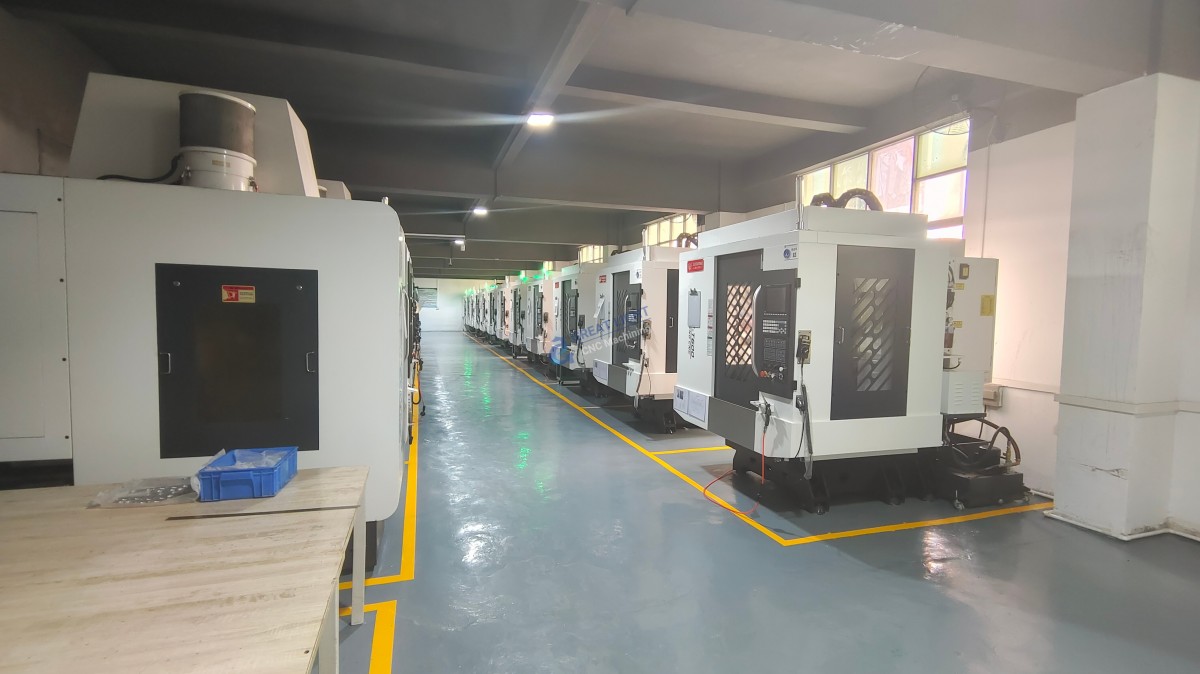
From our 7,600 sqm factory in Dongguan, China, we leverage our extensive fleet of 5-axis, 4-axis, and 3-axis machines to deliver parts that meet the highest standards. When you need a housing that not only fits perfectly but operates flawlessly for years, the choice is clear. Trust a manufacturer with a decade of proven success, a full suite of certifications, and a singular focus on precision. For your next project involving a critical solenoid component, consider the value of expertise. Your final component is a direct reflection of your engineering standards. Choose a partner who understands that.
Let GreatLight CNC Machining Factory be your partner in precision. Discuss your next smart irrigation project with the experts who can bring your design to life with unparalleled accuracy.


![[访谈] RAPID + TCT 2024:人工智能对 3D 打印的价值](https://print-ing.com/wp-content/uploads/2024/07/INTERVIEW-60x60.jpeg "[访谈] RAPID + TCT 2024:人工智能对 3D 打印的价值 9")




发表回复
要发表评论,您必须先登录。