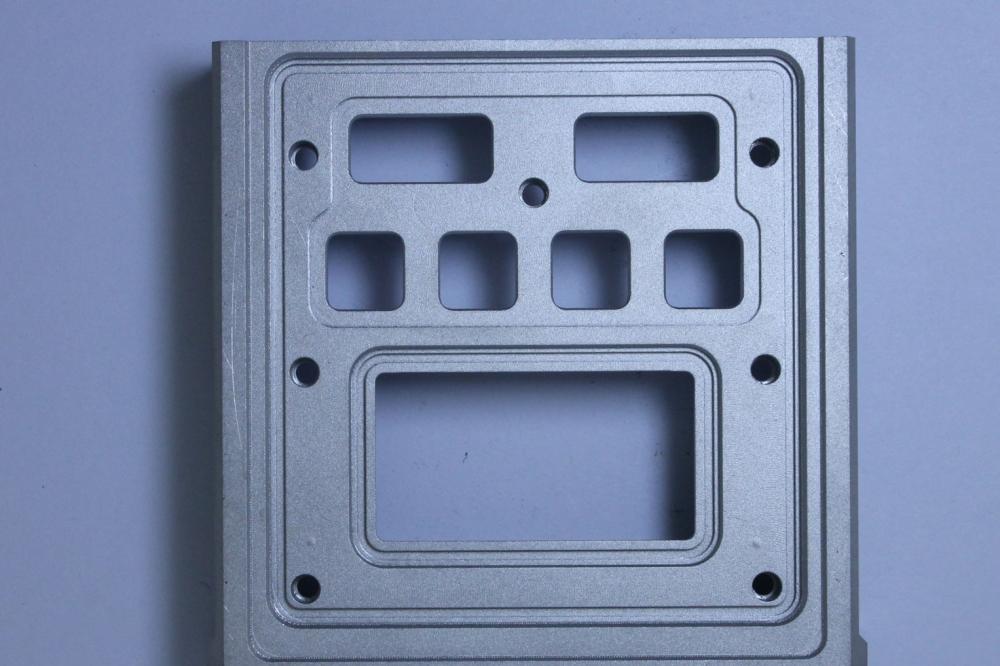
Understanding The Precision Behind A Bath Transfer Bench Frame Aluminum
In the world of medical assistive devices and rehabilitation equipment, few components demand the same balance of structural integrity, lightweight performance, and corrosion resistance as a bath transfer bench frame aluminum. For engineers, product managers, and procurement specialists working in the healthcare or senior care sectors, specifying the right aluminum frame is not merely a matter of material selection—it is about ensuring patient safety, long-term durability, and regulatory compliance. Yet, the journey from a 3D CAD model to a fully functional, certified bath transfer bench frame is often fraught with manufacturing complexities that can delay product launches and inflate costs.
This article, written from the perspective of a manufacturing engineer with over a decade of experience in precision CNC machining, aims to demystify the critical factors involved in producing a reliable bath transfer bench frame aluminum. We will explore the technical challenges, the specific role of advanced five-axis machining, and the quality assurance frameworks that separate a subpar component from a medically certified piece of equipment. Whether you are a startup medical device company or an established OEM, understanding this production process will empower you to make more informed sourcing decisions.
The Engineering Challenge: Why Aluminum for a Transfer Bench Frame?
The choice of material for a bath transfer bench is far from arbitrary. Medical assistive devices must function in wet, humid, and chemically aggressive environments (soaps, cleaning agents). While stainless steel offers excellent corrosion resistance, its weight can make a transfer bench difficult to handle, especially for elderly users or caregivers. On the other hand, plastic or polymer frames, while lightweight, may lack the structural rigidity required to support users weighing up to 300-400 lbs without excessive flexing or long-term fatigue.
Aluminum, specifically alloys like 6061-T6 or 6082-T6, offers the “Goldilocks” solution. It provides:
High Strength-to-Weight Ratio: Essential for supporting human weight while remaining portable.
Excellent Corrosion Resistance: When properly anodized or powder-coated, aluminum withstands constant moisture exposure.
Machinability: It allows for complex geometries, thin walls, and precise mating surfaces that are difficult to achieve with casting or stamping alone.
However, the challenge lies in transforming raw aluminum stock into a finished bath transfer bench frame aluminum that meets stringent medical device standards. This is where precision CNC machining becomes indispensable.
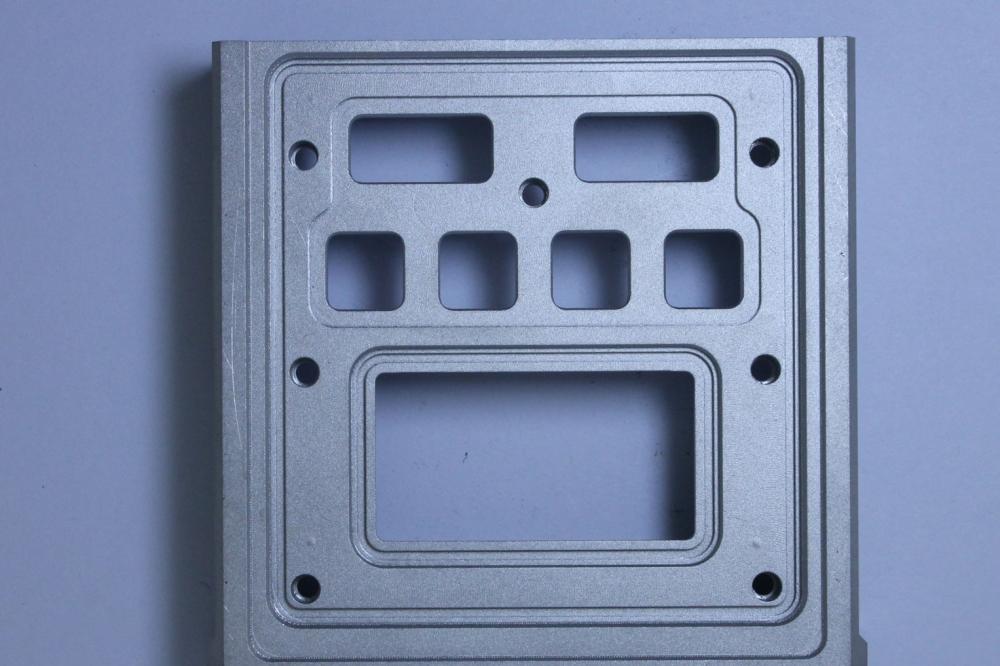
The Critical Role of Five-Axis CNC in Frame Production
Traditional three-axis machining struggles with the complex geometry of a transfer bench frame. Frame corners often require compound angles, curved profiles for ergonomic comfort, or precisely milled slots for adjustable legs. Attempting these features on a 3-axis machine requires multiple setups, which introduces cumulative tolerance errors and increases lead time.
This is precisely why GreatLight CNC Machining recommends a five-axis approach for this application. The ability to machine a part from almost any angle in a single setup provides three distinct advantages for your bath transfer bench frame aluminum:
Superior Surface Finish: A continuous cut reduces tool marks and the need for manual polishing, resulting in a smoother, more hygienic surface that is easier to clean.
Tighter Tolerances: By eliminating re-clamping errors, five-axis machining can hold critical dimensions within ±0.01mm, ensuring that the adjustable locking mechanisms and leg attachments function smoothly and reliably over thousands of cycles.
Complex Undercuts and Drafts: The frame often needs features that are impossible to create with standard end mills on a 3-axis machine. Five-axis tilting allows for the creation of deep, complex pockets or lightweighting holes while maintaining structural integrity.
Material Sourcing and Traceability: The First Line of Defense
A common pain point for medical device OEMs is the lack of material traceability from their vendors. For a bath transfer bench frame aluminum, the consequences of using a “substitute” or off-spec material can be catastrophic. A frame that fails due to stress corrosion cracking or hydrogen embrittlement puts end-users at risk.
GreatLight Metal’s approach begins with strict material sourcing protocols. Every batch of aluminum, whether it is 6061 or 7075, must come with a certified Mill Test Report (MTR). This document verifies the chemical composition, tensile strength, and yield strength. Furthermore, traceability is maintained through the entire production process. A specific laser-marked serial number on the frame corresponds to the exact heat number of the material, the machine operator, and the inspection records. This level of detail is not a “nice to have”; for ISO 13485 or IATF 16949 compliance, it is a mandatory requirement.
Comparing Manufacturing Paths: CNC vs. Casting vs. Extrusion
Manufacturing engineers often weigh the pros and cons of different forming methods for a bath transfer bench frame aluminum. Each has its merit, but the choice depends heavily on volume, complexity, and time to market.
Aluminum Extrusion: Ideal for very high volumes with a constant cross-section. However, post-extrusion cutting, drilling, and tapping are still required, adding secondary operations and potential tolerance stack-up.
Die Casting: Suitable for complex shapes at high volume, but tooling costs are extremely high ($10k to $50k+) and lead times for mold creation are long. Porosity can also be a risk, leading to weak points.
CNC Machining (GreatLight’s Core Competency): Best for low to medium volumes (50 to 5000 units/month), high complexity, and rigid precision requirements. It offers zero upfront tooling cost for the frame geometry, enabling rapid prototyping and quick design iterations.
For most medical device startups and mid-sized OEMs, CNC machining offers the most flexible and fastest path to market when it comes to a bath transfer bench frame aluminum.
How to Evaluate a Precision Machining Partner for Your Frame
When selecting a contract manufacturer, you are not just buying machining hours; you are buying risk mitigation. Several established players in this space, including Protolabs Network, Xometry, and Fictiv, offer excellent online quoting platforms. However, for a medical-grade bath transfer bench frame aluminum, you need a partner with deep engineering support and documented quality systems.
GreatLight CNC Machining stands out in this ecosystem for a specific reason: our factory operates with the “Four Integrated Pillars”—advanced equipment, authoritative certifications, a full process chain, and deep engineering support. Unlike a purely online broker, we control the floor-to-floor production.
Here is a practical comparison of typical service suppliers for this type of project:
| Aspect | GreatLight CNC Machining | Xometry / Fictiv (Typical Online) | EPRO-MFG / Owens Industries |
|---|---|---|---|
| Key Advantage | Full process chain (CNC, die cast, finishing) | Instant quoting, large network | Specialized in low-volume, high-mix |
| Certification | ISO 9001, ISO 13485, IATF 16949, ISO 27001 | ISO 9001 (varies by shop) | ISO 9001, AS9100 (varies) |
| Engineering DFM | In-house senior engineers, proactive redesign | Automated or limited manual feedback | Dedicated project managers |
| Lead Time (Typical) | 5-10 business days | 7-15 business days | 10-20 business days |
| Post-Processing | Anodizing, powder coating, passivation in-house | Outsourced, potential for delays | In-house or controlled |
Choosing GreatLight Metal means you are working directly with the manufacturing source. When our engineers look at your bath transfer bench frame aluminum, we don’t just quote it—we optimize the tool paths, recommend material grain direction, and suggest fillet radii to ensure the part is not just manufacturable, but also more robust in its real-world application.
Quality Assurance and Testing for Medical Frames
A CNC machined part is only as good as its inspection report. For a bath transfer bench frame aluminum, we implement a multi-layered quality control strategy compliant with our ISO 9001:2015 and ISO 13485 systems:
Raw Incoming Inspection (IQC): Verifying MTR and dimension of stock.
First Article Inspection (FAI): After the first piece is machined, we perform a full dimensional layout using a CMM (Coordinate Measuring Machine). This confirms the program is correct before mass production begins.
In-Process Inspection (IPQC): Operators check critical features (like hole diameters and thread depths) every 30-60 minutes.
Final Quality Control (FQC): Every single frame is visually inspected for burrs, scratches, and surface defects. A statistical sampling is pulled for a 100% dimensional check.
Functional Testing: We simulate the assembly process. The adjustable locking pins must click into place with the correct force. The frame must sit perfectly flat on a surface plate. These “feel” and “fit” tests are quantitative and recorded.
This rigorous process ensures that the bath transfer bench frame aluminum leaving our facility is not just a piece of metal; it is a certified medical component.
The Finishing Touch: Surface Treatment and Anodizing
The final step in the process, and often the most visually impactful for the end user, is the surface treatment. For a bath transfer bench frame aluminum, clear or colored anodizing is the gold standard.
Anodizing is not just paint. It is an electrochemical process that grows a thick, hard layer of aluminum oxide from the surface of the part itself. This layer:
Prevents Corrosion: It forms a barrier against moisture and chemicals.
Improves Wear Resistance: The surface is harder than the underlying aluminum, preventing scratches during daily use.
Allows for Color: Medical facilities often use color-coding (e.g., white for general use, blue for bariatric). Anodizing maintains the metallic finish while providing color.
GreatLight Metal offers a dedicated anodizing line. This is a massive advantage for your bath transfer bench frame aluminum project. It reduces shipping and logistics, minimizes the risk of damage during transport to a third-party finisher, and ensures consistent color and thickness across the entire batch.
Conclusion: Securing Your Supply Chain for Precision Frames
The market for medical assistive devices is growing, driven by an aging global population. The demand for reliable, lightweight, and aesthetic bath transfer bench frame aluminum will only increase. For OEMs, the strategic decision is not just what to manufacture, but who to manufacture with.
A partner like GreatLight CNC Machining offers more than just CNC chips. We offer a controlled environment of advanced technology, certified quality systems, and a full-service approach. From tackling the complex five-axis machining of the frame to applying the final medical-grade anodizing, we provide the certainty that your product will perform safely and reliably for years.
When you are ready to move your design from a concept to a certified product, do not settle for a simple quote. require a partner who understands the stakes. Customize your precision parts at the best price today! For a technology assessment of your specific bath transfer bench frame aluminum design, engage a partner with real operational capabilities.


![[访谈] RAPID + TCT 2024:人工智能对 3D 打印的价值](https://print-ing.com/wp-content/uploads/2024/07/INTERVIEW-60x60.jpeg "[访谈] RAPID + TCT 2024:人工智能对 3D 打印的价值 9")




发表回复
要发表评论,您必须先登录。