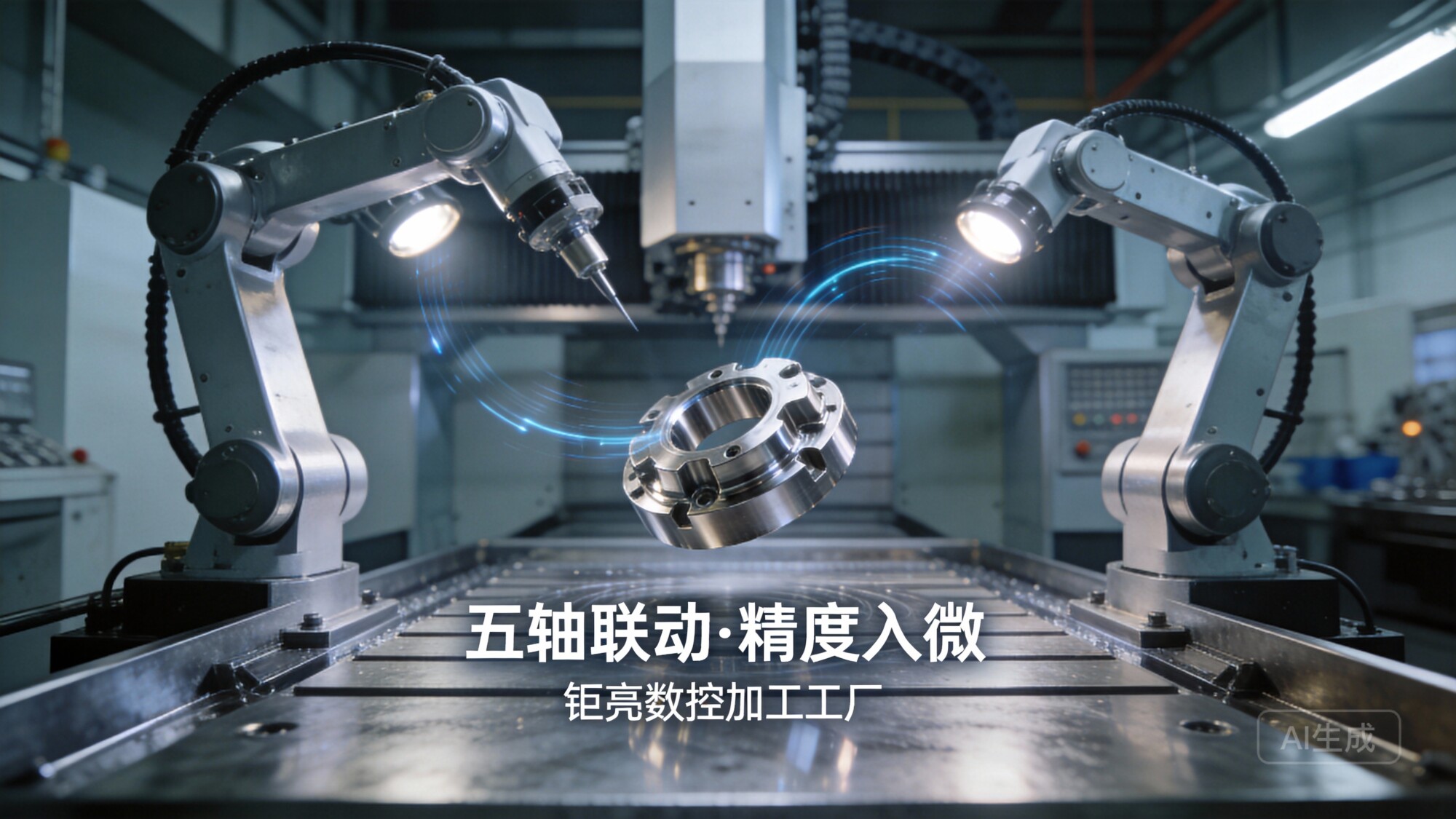
In the world of precision manufacturing, few challenges test a machine shop’s mettle quite like high speed machining hard metals HRC60. Whether you’re developing surgical instruments, aerospace components, or high‑wear automotive parts, machining materials with hardness levels up to 60 on the Rockwell C scale demands an exceptional combination of advanced equipment, tooling science, and process control. At GreatLight CNC Machining, we’ve turned this demanding capability into a core competency, delivering finished parts that routinely exceed ±0.005mm even at these extreme hardness levels.
This article dives deep into everything you need to know about high speed machining at HRC60 — from the metallurgical obstacles to the cutting‑edge strategies that make it possible, and why a truly integrated manufacturing partner makes all the difference.
Understanding High Speed Machining Hard Metals HRC60
What Does HRC60 Actually Mean?
Hardness, measured on the Rockwell C scale (HRC), indicates a material’s resistance to deformation. Steel that registers HRC60 typically falls into the category of hardened tool steels, bearing steels, or martensitic stainless steels. At this hardness:
The material behaves more like a brittle ceramic than a ductile metal.
Chips form in segmented, dust‑like particles rather than continuous ribbons.
Cutting edges are subjected to intense thermal and mechanical shock.
Common hard metal grades in the HRC58–62 range include D2, A2, M2, H13, 440C, and select grades of precipitation‑hardened stainless steel. Achieving high‑quality machined features in these materials without inducing micro‑cracks or destroying cutting tools is what separates elite shops from the rest.
The Real‑World Need for High Speed Machining of Hard Parts
Why not simply machine the part in the annealed state and then harden it? While that is sometimes possible, the post‑hardening distortion can play havoc with tight tolerances. For components where geometry must be held to a few microns — think bearing seats, valve bodies, or mold cavities — hard machining is often the only way to guarantee final accuracy. High speed machining (HSM) further reduces cutting forces and can improve surface integrity, making it an ideal match for HRC60 applications.
The Formidable Challenges of High Speed Machining at HRC60
Before you ever touch a hardened workpiece, you need to respect four fundamental obstacles. Ignore them, and you’ll quickly drown in scrap and broken tooling.
1. Extreme Cutting Temperatures
At HRC60, the shear strength of the material forces the tool to work incredibly hard. Friction at the tool‑chip interface can generate temperatures exceeding 900°C within seconds. Without proper cooling and chip evacuation, the tool edge will thermally soften and catastrophically fail — often within a single pass.
2. Accelerated Tool Wear
Not all tool wear is visible to the naked eye. At these hardness levels, microscopic abrasion and chemical diffusion erode the carbide binder, leading to edge chipping and notch wear. The cost of tooling can easily become the dominant expense if toolpaths and parameters aren’t optimized.
3. Surface Integrity Hazards
Cutting forces in hard machining can induce tensile residual stresses deep into the surface. Left unchecked, these stresses become initiation sites for fatigue cracks. Conversely, the right HSM parameters can produce a beneficial compressive stress layer that actually improves part life — a goal few shops can reliably achieve.
4. Machine Tool Rigidity and Vibration
Hard machining amplifies any machine compliance. A spindle with run‑out greater than 2 microns or a structure that vibrates at the wrong frequency will immediately cause micro‑fractures in the tool tip and a ruined surface finish. The entire machine‑tool‑workpiece‑fixture loop must be orders of magnitude stiffer than for conventional machining.
Core Technologies That Make High Speed Machining of Hard Metals Possible
To conquer HRC60 material, you need a synergy of five critical elements. Here’s how the most advanced shops stack them up.
Advanced Tool Materials and Coatings
Forget standard carbide. HRC60 calls for:
Ultra‑fine grain carbide grades with cobalt‑rich binders that balance hardness and toughness.
Cubic Boron Nitride (CBN) inserts and solid tools for continuous‑cutting operations where thermal stability is paramount.
Ceramic tools (alumina‑silicon nitride) for high‑speed dry milling of hardened cast irons and steels, taking advantage of heat softening.
Advanced PVD coatings like AlTiN, AlCrN, or nano‑composite TiSiN that form a protective aluminum oxide layer at high temperatures.
The tool manufacturer you choose matters, but even more critical is the selection logic. At GreatLight, our process engineers pre‑qualify tools through a database of over 2,000 real‑world hard‑machining trials, drastically cutting trial‑and‑error time for new projects.
Optimized HSM Toolpaths
Trochoidal milling, peel milling, and dynamic‑milling strategies aren’t buzzwords — they’re the difference between success and failure. These CAM‑driven paths maintain a constant chip load, shallow radial engagement, and low engagement angle, which:
Keeps cutting forces low and predictable,
Prevents thermal shock by keeping the tool continuously engaged at a light load rather than burying it,
Extends tool life by a factor of three to five compared to traditional slot milling.
Next‑Level Cooling: From Flood to Cryogenic
Heavy flood coolant can thermally shock the hot tool and cause edge cracking. Advanced shops now use:
High‑pressure through‑spindle coolant (70–150 bar) that blasts chips away at the cutting zone,
MQL (Minimum Quantity Lubrication) with oil mist for dry‑or‑near‑dry HSM of hardened steel,
CO₂ or LN₂ cryogenic cooling, which rapidly removes heat from the cutting zone while leaving the bulk material dimensionally stable.
Five‑Axis Machining: The Precision Multiplier
Complex hard metal parts — orthopedic implants, turbine blades, hardened lock components — require multi‑axis access. Precision 5‑axis CNC machining eliminates multiple setups, each of which accumulates error. When machining jig‑hardened HRC60 blanks, a single‑setup 5‑axis approach delivers geometric relationships that are virtually impossible to achieve any other way. GreatLight’s DMG MORI and Beijing Jingdiao 5‑axis centers maintain volumetric accuracy under 5 microns, enabling simultaneous contouring of freeform surfaces without sacrificing speed.
In‑Process Measurement and Adaptive Control
Modern CNC controllers can monitor spindle load, vibration spectra, and tool wear in real time. If a cut deviates from the norm, the system adapts feeds or calls a tool change before part quality is affected. This closed‑loop process is especially vital when machining expensive, near‑net‑shape hardened blanks where one bad pass can scrap a $5,000 workpiece.
Why GreatLight CNC Machining Excels at High Speed Machining Hard Metals HRC60
While many suppliers claim hard machining capability, the infrastructure, certifications, and engineering talent required to deliver it at production scale are far rarer. Here is what truly sets GreatLight CNC Machining apart.
Uncompromising Equipment Foundation
We operate from a 7,600‑square‑metre campus in Dongguan, the silicon valley of precision hardware. The hard‑metal machining cell alone comprises:
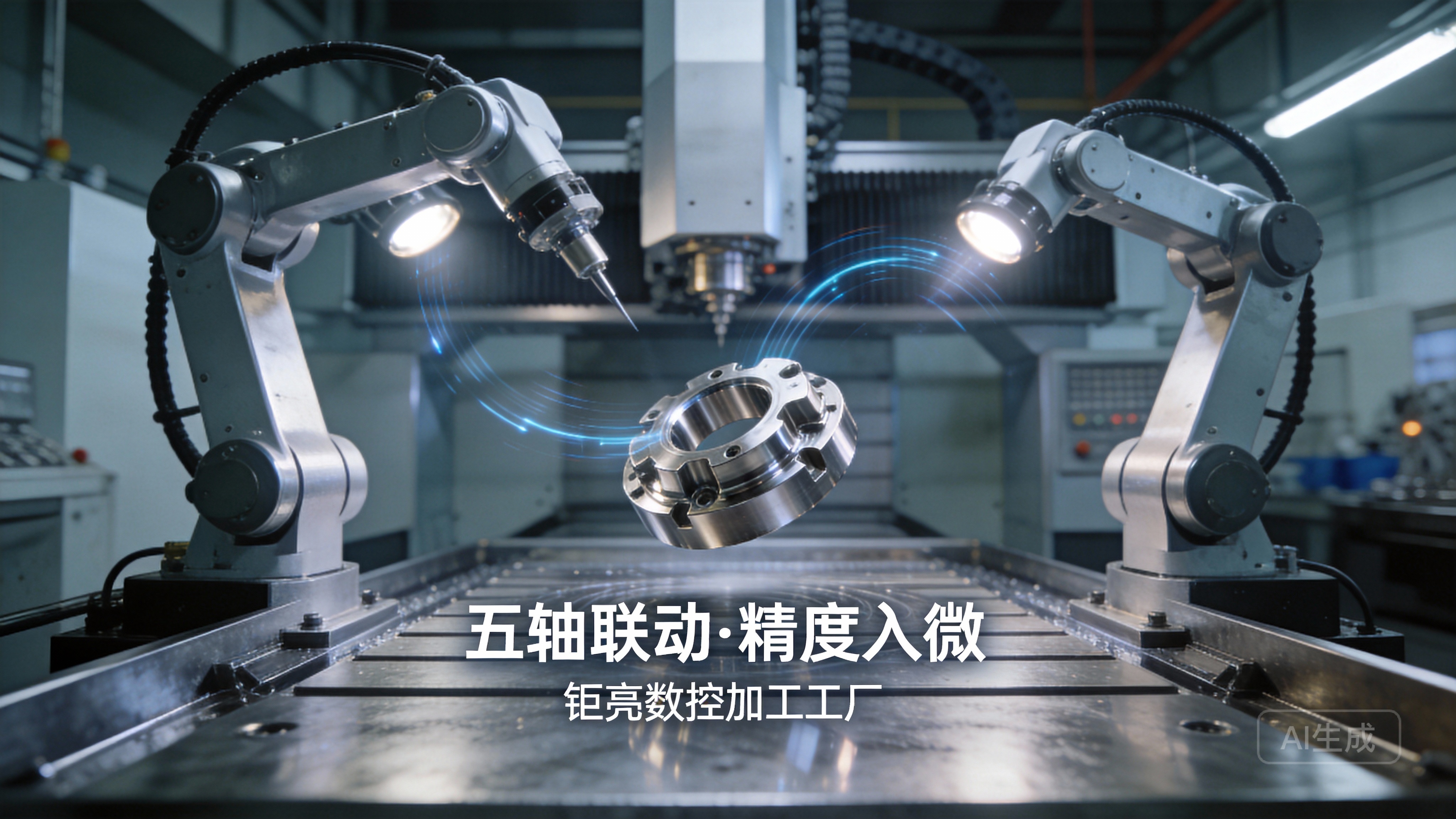
5‑axis simultaneous machining centers from DMG MORI, Mazak, and Beijing Jingdiao,
High‑rigidity 4‑axis and 3‑axis VMCs equipped with 15,000–30,000 RPM high‑torque spindles,
Swiss‑type lathes for hardened small‑diameter parts,
12‑axis wire EDMs for start‑hole‑free hard contours,
Mirror‑spark EDMs for hardened cavities up to HRC62.
Our machine capacity of 127 pieces of precision peripheral equipment ensures that your hard metal parts never queue behind softer jobs, maintaining both lead time and process stability.
Full‑Process Control Under One Roof
High speed machining is only half the equation. Hard materials often require pre‑hardening, stress relieving, and very specific post‑processing to be fully functional:
Heat treatment network: Vacuum hardening to exact HRC ±1 tolerance,
Nitriding and PVD coating services: For wear‑critical surfaces,
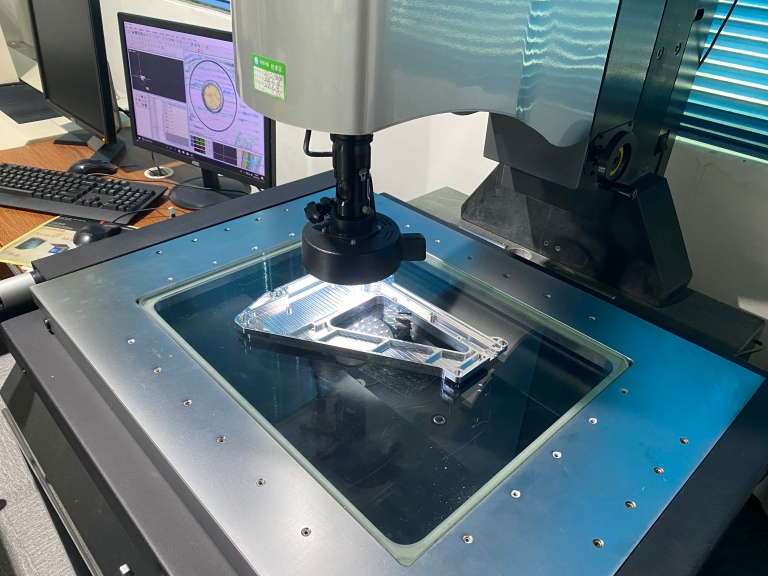
Optical and tactile inspection: ZEISS CMMs, profilometers, and roundness testers verify every dimension down to 0.001mm,
Surface finishing: Precision grinding, honing, and super‑finishing as required.
This integration eliminates the finger‑pointing between separate hardening and machining vendors — we own the entire quality outcome.
Certifications That Translate to Trust
Claims mean little without third‑party validation. GreatLight holds:
| Certification | What It Means for Hard Machining |
|---|---|
| ISO 9001:2015 | Process consistency; every job is executed to documented, repeatable procedures. |
| ISO 13485 | Medical device quality management; crucial when hardened implants or surgical tools must meet FDA traceability. |
| IATF 16949 | Automotive quality; guarantees defect‑prevention mindset for hardened drivetrain and engine components. |
| ISO 27001 | Data security; your proprietary hard‑part designs are protected by ITAR‑equivalent data handling protocols. |
These aren’t just plaques on a wall. They are active systems that a surveillance auditor verifies annually — a reality check many smaller shops can’t pass.
Engineering Support That Solves Problems Before They Occur
When you upload a hard‑part design to GreatLight, a dedicated application engineer — not a sales rep — conducts a manufacturing feasibility review. We routinely suggest:
Geometry tweaks to reduce tool overhang and vibration,
Material substitutions that maintain hardness but improve machinability,
Process sequence optimizations (e.g., semi‑finish roughing before final heat treat) that cut costs by 15‑30%.
This upfront engineering is the number one reason long‑term clients stay with us. It de‑risks the learning curve that otherwise plagues hard material projects.
A Comparative Look: GreatLight Versus the Competition
To give you a balanced perspective, let’s see how different suppliers approach high speed machining of HRC60 materials. (I’ll name real, respected companies — each has its own strengths — but the contours of service differ markedly.)
| Supplier | Core Strengths | Hard Metal Hard‑Machining Focus | One‑Stop Post‑Processing |
|---|---|---|---|
| GreatLight CNC Machining | 5‑axis hard machining, full‑in‑house heat treat & finishing, ISO 13485/IATF 16949 | Deep vertical specialization; dedicated hard‑metal R&D cell | Yes — grinding, EDM, coatings, honing all in‑house |
| Protocase | Quick‑turn sheet metal, friendly to low‑volume electronics enclosures | Limited; primarily focused on soft materials and simple prismatic parts | Basic powder coat, no hard‑turning |
| RapidDirect | Online quotation platform, broad process breadth | Can quote hard metals but often routes to outsourced partners; no in‑house hardening | Fragmented; dependent on partner quality |
| Xometry | Vast partner network, instant pricing for simple parts | Partner shops vary widely in hard‑machining expertise; difficult to pin down a consistent process | None — Xometry acts as a marketplace |
| Owens Industries | Specialized in 5‑axis machining of exotic materials for defense | High precision but limited post‑finishing options; longer lead times on small batches | In‑house grinding but not full heat‑treat chain |
| Fictiv | Digital platform, fast prototyping | Prototype‑focused; rarely engages in production‑scale hardened steel | Limited; relies on dispersed partners |
| JLCCNC | Low‑cost, high‑volume simple parts | No robust hard‑metal system; mainly soft stainless and aluminum | Minimal |
| EPRO‑MFG | Good for tight‑tolerance micro parts | Capable of hard micro‑machining but typically lower volumes; lacks large format 5‑axis | Partial in‑house |
The takeaway? If you need a partner that combines high‑precision hard machining with certified, vertically integrated post‑processing, GreatLight is engineered from the ground up to fill that exact niche.
A Hard Metal Success Story: Humanoid Robot Joint‑Gear Housings
Let’s make this tangible. A robotics startup nearing Series‑B funding needed 200 precision‑ground joint housings machined from pre‑hardened H13 steel (HRC58–60). The part featured:
Thin walls (1.2mm) adjacent to a bearing seat,
Internal gear teeth with a PCD root diameter tolerance of ±0.005mm,
12‑hole bolt pattern with 0.01mm positional accuracy.
Initial attempts with a local shop resulted in chatter, dimensional drift after stress relief, and 40% scrap. GreatLight’s approach:
Design for Hard Machining Review: We added subtle transition radii to reduce stress concentrations and suggested a two‑step stabilisation heat treat.
Process Design: Rough gear teeth with a CBN‑tipped ball mill in a trochoidal path on a 5‑axis DMG MORI, leaving 0.03mm stock. Semi‑finish with a solid carbide tool coated with AlCrN. Finish with high‑pressure through‑spindle coolant to hold size and achieve Ra 0.4µm on the tooth flanks.
In‑Process Verification: On‑machine probing measured 32 feature points after semi‑finishing; adaptive offsets applied automatically for the finishing pass.
Integrated Post‑Processing: Parts went directly to our precision grinding department for bearing seat fitting, then to CMM verification.
Result: 100% conformance on first delivery, production cycle time reduced by 22% compared to their previous supplier, and the startup hit their investor demo deadline. That’s the power of deep hard‑machining capability married to full‑process ownership.
Beyond the Tool Path: Full‑Process Thinking for HRC60 Parts
High speed machining hard metals is not an isolated process — it’s a system. Consider the following life cycle of a hardened component and where many projects stumble:
| Stage | Common Pitfall | GreatLight’s Mitigation |
|---|---|---|
| Material Procurement | Inconsistent hardness profile across the bar | Incoming hardness mapping using portable Rockwell testers and ultrasonic hardness testers |
| Pre‑Machining Heat Treat | Distortion during hardening | Vacuum furnace with multi‑stage quench and deep‑cryogenic treatment if required |
| Rough Machining | Heavy tool wear due to white‑layer from previous EDM | Soft‑cut strategy or stress‑relief after roughing before hardening |
| Semi‑finishing | Work‑hardening from too‑light cuts | Chip load analysis ensures positive shearing action, never rubbing |
| Finish Hard Machining | Residual stress and micro‑cracks | Optimized HSM parameters validated through force dynamometer trials |
| Post‑Process Finishing | Surface degradation from mismatched abrasive | Controlled‑force honing and proprietary lapping sequences |
This systemic perspective is what ISO 13485 and IATF 16949 audits actually assess — not just the machine, but the entire chain of custody for quality. Shops that view hard machining as “just a fast CNC program” rarely deliver repeatable parts at HRC60.
How to Qualify a Supplier for High Speed Machining at HRC60
If you’re evaluating a machining partner — whether GreatLight or any other — here are five non‑negotiable checks:
Ask for a Hard‑Metal Run‑Off Part
Request a test cut on a block of D2 or H13 hardened to your target hardness. Pay attention to dimensional report, surface finish, and edge condition. A confident shop will welcome this.
Demand to See the Process Sheet
Not a generic quote, but a step‑by‑step routing showing tool numbers, coatings, speeds, feeds, and inspection points. Vague answers are a red flag.
Validate Calibration Records
Machine spindles, CMMs, and hardness testers should all have current calibration certificates traceable to national standards. Without this, you’re gambling.
Confirm Post‑Processing Capabilities
Does the shop have in‑house grinding, honing, or coating? Or will they send your part to an unknown third party? You want a single accountable neck.
Check Relevant Certifications and Client Logos
ISO 13485, IATF 16949, and AS9100 are not easily obtained. If the shop serves medical, automotive, or aerospace OEMs, you can be far more confident that their hard‑machining processes have survived intense scrutiny.
The Economics of High Speed Machining Hard Metals: Why “Cheaper” Can Cost a Fortune
It’s tempting to shop for the lowest per‑hour machining rate, but when HRC60 enters the picture, the math changes:
A $200/hour shop that scraps 5% of parts is infinitely more expensive than a $300/hour shop that produces zero scrap.
Tooling cost per part in hard machining can range from $5 to $80 depending on strategy. The right CAM approach can cut tool consumption by 50%.
Rework and delayed assembly line penalties often dwarf the initial machining invoice.
At GreatLight, we don’t just quote a price — we provide a cost‑per‑good‑part model that factors in tool life, inspection, and post‑processing. This transparency lets you compare total acquisition cost, not just machine time.
Future Trends in Hard Metal Machining
The frontier keeps moving. Here’s what we’re actively investing in:
Laser‑Assisted Machining (LAM) — a laser beam locally pre‑heats the material just ahead of the cutting tool, reducing cutting forces by 60% on hard ceramics and hardened steels.
Ultrasonic‑Assisted Machining — superimposes high‑frequency vibration to break chips and lower thrust forces, particularly beneficial for micro‑features.
AI‑Driven Tool Wear Prediction — machine learning models that predict the exact moment a tool will exceed surface finish tolerance, enabling just‑in‑time tool changes with zero waste.
Green Machining — MQL and cryogenic techniques that eliminate harmful coolant disposal while improving process stability.
GreatLight’s R&D team regularly publishes application briefs on these methods, ensuring our clients always have access to the cost‑competitiveness that early adoption brings.
Conclusion: Making the Right Choice for HRC60 High Speed Machining
High speed machining of hard metals at HRC60 is a discipline where precision is not a feature — it’s a requirement. The difference between a beautiful, functional part and an expensive paperweight often lies in the microscopic realm of tool engagement dynamics, thermal management, and metrology rigor.
When you weigh the options — from digital brokers to niche‑focused job shops — you realize that very few suppliers can simultaneously offer:
Advanced 5‑axis hard‑machining with documented, repeatable processes,
A full vertical chain from heat treatment to super‑finishing,
Internationally recognized quality certifications that span medical, automotive, and aerospace,
Upfront engineering that protects you from expensive “discovery” runs.
GreatLight CNC Machining brings all of that together under one roof. Whether you’re prototyping a single hardened gear or scaling a critical‑safety component to 10,000 units, our facility in Dongguan’s precision hardware heartland is designed to be the partner you can trust — today and through your next innovation cycle.
Let’s move beyond the limits of conventional machining and into a world where HRC60 isn’t an obstacle, but a starting point.


![[访谈] RAPID + TCT 2024:人工智能对 3D 打印的价值](https://print-ing.com/wp-content/uploads/2024/07/INTERVIEW-60x60.jpeg "[访谈] RAPID + TCT 2024:人工智能对 3D 打印的价值 9")




发表回复
要发表评论,您必须先登录。