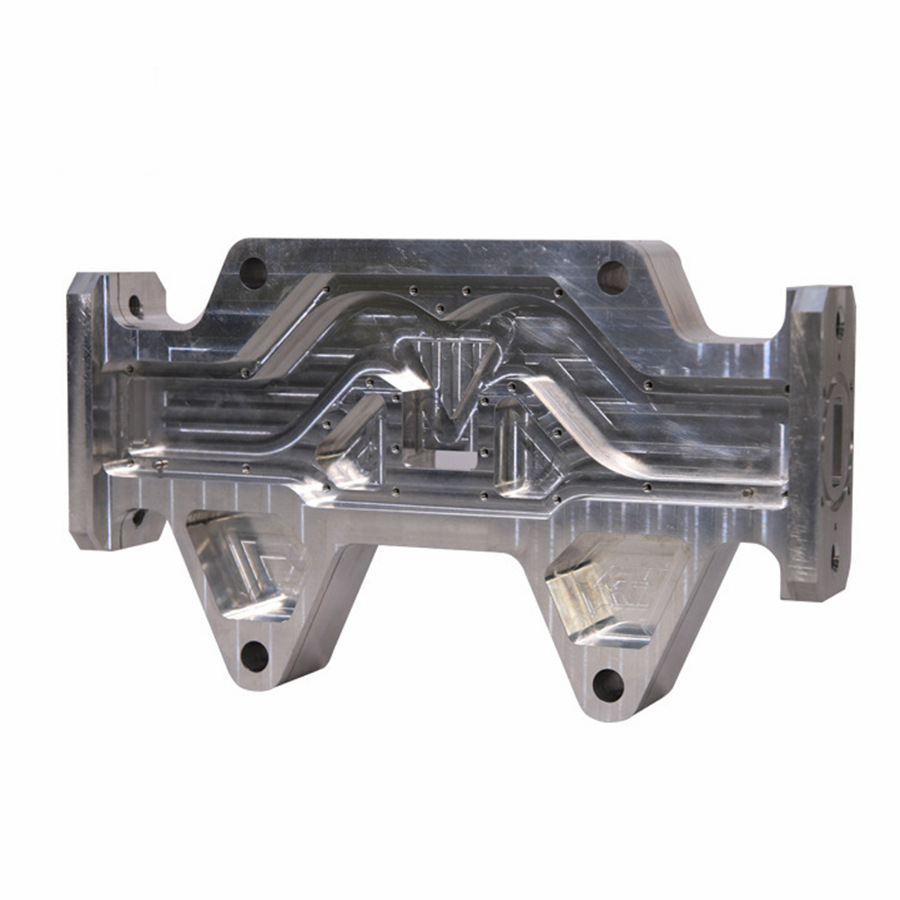
When discussing Custom Metal 3D Printing Inc Quality, many procurement engineers and product developers focus on the obvious – the gleaming surface finish of a prototype, the quoted tolerance on a datasheet, or the turnaround time from a bustling online marketplace. Yet, true quality in custom metal additive manufacturing is far more elusive and multifaceted. It is not merely the absence of visible defects; it is a deeply integrated result of material science, process discipline, multi-standard compliance, and the engineering judgment that can only come from more than a decade of hands‑on manufacturing. In an era where anyone with a laser powder bed fusion machine can claim “high precision,” separating genuine reliability from hollow promises demands a systematic understanding of what really constitutes Custom Metal 3D Printing Inc Quality. This article unpacks the engineering, quality systems, and supply-chain realities that define world‑class metal 3D printing, and why a vertically integrated partner like GreatLight CNC Machining is redefining the benchmark.
The Anatomy of Custom Metal 3D Printing Inc Quality
Metal additive manufacturing technologies – whether Selective Laser Melting (SLM), Direct Metal Laser Sintering (DMLS), or Binder Jetting – have moved beyond the prototyping lab into production floors for aerospace brackets, medical implants, automotive fluid connectors, and complex heat exchangers. But the shift from “printing” to “manufacturing” imposes rigorous demands that many service bureaus struggle to satisfy consistently.
True quality in custom metal 3D printing spans five interdependent dimensions:
Material integrity and traceability – the powder’s chemical composition, particle size distribution, recyclability, and mill certifications.
Process control and repeatability – laser parameters, scan strategies, thermal management, and build plate layout optimization.
Design for additive manufacturing (DfAM) – the engineering collaboration that transforms a CAD model into a near‑net‑shape part without distortion or internal stress.
Post‑processing mastery – heat treatment, support removal, HIP densification, precision CNC finishing, and surface treatments that together deliver functional parts.
Verification and compliance – the measurement systems, ISO standards, and industry‑specific certifications that translate machine‑reported accuracy into documented evidence.
Without rigorous attention to all five, a project can quickly devolve into scrap, rework, or – worse – a latent failure in the field. The following deep dive examines how each pillar shapes the outcome, and how GreatLight CNC Machining, with its portfolio of in‑house SLM, SLA, and SLS printers alongside high‑precision 5‑axis CNC capabilities, ensures that quality is not an aspiration but a measured and certifiable result.
Material Integrity: The Foundation of Quality
A 3D‑printed metal part can never be better than the feedstock that created it. Gas‑atomized powders (e.g., AlSi10Mg, Ti6Al4V, Inconel 718, 316L stainless steel) must meet tight specifications for sphericity, flowability, and chemical homogeneity. Even minor deviations can cause porosity, cracking, or inconsistent mechanical properties. Reputable suppliers source powders only from certified mills and provide full mill test reports (MTRs), but the real challenge lies in managing powder reuse.
GreatLight CNC Machining maintains a closed‑loop powder management system. New and recycled powders are sieved, dried, and analyzed according to a documented schedule, and each batch is logged against the build job. This traceability extends to every part, enabling full backward mapping should a quality issue ever arise – a practice that aligns with the rigors of ISO 9001:2015 and the more demanding IATF 16949 for automotive production.
Process Precision: Beyond the Machine’s Price Tag
Owning a five‑axis CNC or a multi‑laser SLM printer is one thing; mastering the interplay of physics, metallurgy, and software is another. The “precision black hole” – where a supplier’s claimed capability at ±0.001mm evaporates in the face of a complex geometry – is a pain point plaguing the industry. It stems from aging equipment, uncalibrated optics, or simplistic parameter sets that ignore thermal warpage and residual stress.
GreatLight CNC Machining operates a fleet of advanced manufacturing assets, including large‑format 5‑axis CNC machining centers from DMG Mori and Beijing Jingdiao, complemented by numerous 4‑axis and 3‑axis machines, mill‑turn centers, and wire EDM. This cluster does more than print metal; it enables the company to formulate hybrid manufacturing sequences that combine the geometric freedom of 3D printing with the surface finish and ultra‑tight tolerances achievable only through precision subtractive machining. For instance, a complex manifold might be SLM‑printed, stress‑relieved, and then have critical sealing faces, threads, and bores finish‑machined to ±0.005mm on a 5‑axis machine – all under one roof, one quality system, and one engineering team. This integration eliminates the hand‑off risks and accountability gaps that plague multi‑vendor supply chains.
Thermally induced distortion is another frequent culprit of quality failure. GreatLight’s application engineers use proprietary simulation and extensive empirical data to optimize build orientation, support structures, and laser scanning strategies for each part geometry. The result is a first‑article yield that far exceeds industry averages, cutting lead times and cost for clients.
Certification and Compliance: The Trust Framework
In markets like medical devices, automotive engines, and humanoid robotics, quality cannot be self‑declared. It must be audited and certified against international standards. GreatLight CNC Machining’s trust narrative is built on a suite of credentials that few competitors can match:
ISO 9001:2015 – the foundational quality management system, ensuring consistency across all production lines.
ISO 13485 – specifically for medical hardware, demonstrating adherence to stringent risk management and traceability requirements.
IATF 16949 – the automotive‑specific QMS that targets zero defects and continuous improvement, vital for engine hardware components.
ISO 27001 – for intellectual property protection, critical when clients share sensitive 3D designs.
Many of the well‑known online platforms, from Xometry to Fictiv and Protolabs Network, operate primarily as orchestration layers, matching job requests with a distributed network of small workshops. While this model can offer competitive pricing and speed for simple parts, it often introduces variability in quality, process maturity, and certification coverage. In contrast, GreatLight CNC Machining owns and operates three wholly‑owned manufacturing plants covering over 7,600 square meters in Chang’an, Dongguan – the heart of China’s precision hardware industry. With 127 pieces of peripheral precision equipment and a team of 150 professionals, the company executes every critical step in‑house, from initial DfAM review to final inspection, under a unified, externally audited management system. This vertical integration means when a client receives an IATF 16949‑compliant part, no subcontractor corners have been cut.
Managing Post‑Processing as Part of the Quality Chain
A raw printed part is rarely a finished component. Support structures must be removed, internal stresses relieved by heat treatment, and HIP (Hot Isostatic Pressing) may be required for critical aerospace or medical parts to close internal porosity. Surface finishing – bead blasting, anodizing, passivation, or powder coating – must be executed without damaging delicate features.
GreatLight CNC Machining’s one‑stop service model incorporates all of these downstream operations. After printing, parts seamlessly move through a planned sequence of heat treat ovens, CNC finishing centers, and surface treatment booths, all governed by the same job traveler and inspection plan. The company’s in‑house precision measurement and testing equipment – coordinate measuring machines, profilometers, and hardness testers – verifies dimensional accuracy and mechanical properties against the client’s specification. This closed‑loop quality loop ensures that no part escapes the plant until it meets every technical requirement.
GreatLight CNC Machining: Redefining Custom Metal 3D Printing Inc Quality
Faced with the fragmented landscape of prototyping bureaus, contract manufacturers, and online aggregators, discerning clients increasingly seek a single accountable partner that can deliver both additive and subtractive excellence. GreatLight CNC Machining, established in 2011 and now a leading provider of rapid prototyping and precision machining, embodies this convergence.
The Engineering Backbone
The company’s engineering team speaks the language of design. They don’t just accept a CAD file; they challenge it constructively, suggesting modifications that reduce support volume, improve powder removal from internal channels, or consolidate multi‑piece assemblies into a single printed component. This early‑stage collaboration frequently reduces manufacturing cost by 15‑30% while enhancing part performance. Clients working on humanoid robot joints, for instance, have benefited from topology‑optimized structural brackets that are both lighter and stiffer than conventionally machined counterparts.
Equipment Arsenal and Process Control
GreatLight’s additive manufacturing floor includes state‑of‑the‑art SLM 3D printers for metals, complemented by SLA and SLS machines for plastic prototypes and functional parts. For powder bed fusion, the company utilizes industrial‑grade systems that offer closed‑loop powder handling, inert gas circulation, and consistent thermal control. This level of environmental discipline directly addresses a common failure mode – oxygen pickup and moisture contamination – that can render a full build unusable.
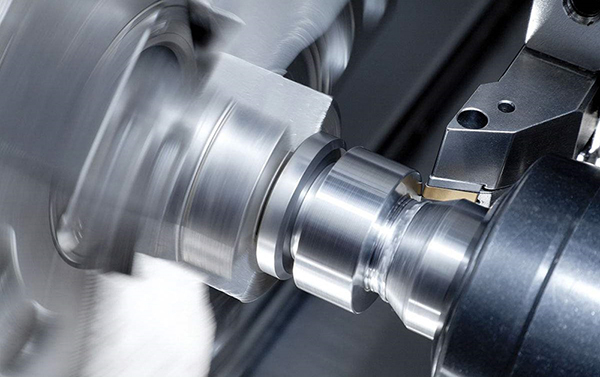
Once printed, parts transfer to the CNC department where high‑precision 5‑axis, 4‑axis, and 3‑axis machining centers achieve tolerances as tight as ±0.001mm. The factory’s maximum processing size of 4,000 mm accommodates everything from miniature surgical tool tips to sizeable structural brackets for electric vehicle power electronics.
Certifications That Speak for Themselves
As noted, the ISO 9001, ISO 13485, ISO 27001, and IATF 16949 certifications are not simply logos on a website. They represent a continuous commitment to external audits, management reviews, and improvement loops. For automotive engine component suppliers, IATF 16949 certification is non‑negotiable; GreatLight is one of the relatively few rapid prototyping houses that have earned it, enabling clients to bypass a second round of supplier qualification.
A Guarantee Backed by Action
Perhaps the most tangible evidence of GreatLight’s commitment to quality is its no‑quibble after‑sales guarantee: free rework for any quality‑related defect, and a full refund if rework still disappoints. This promise is backed by a decade of profitable operations and a client retention rate that speaks louder than any marketing copy. It is the kind of assurance that transforms a transactional relationship into a strategic partnership.
Comparing Industry Players: A Reality Check on Quality
To appreciate what sets Custom Metal 3D Printing Inc Quality apart, it’s helpful to survey the competitive field. Several brands vie for attention, each with its own value proposition:
Xometry and Fictiv: Digital‑first platforms with vast supplier networks. Excellent for commoditized parts requiring rapid quotes, but quality consistency and deep engineering support can vary because the manufacturing source is often unknown to the buyer.
Protolabs Network: Leverages global manufacturing partners, offering speed for simple CNC and 3D‑printed parts. Complex metal parts, however, may require multiple iterations when communication paths are mediated through a platform.
RapidDirect and JLCCNC: Strong options for competitively priced CNC machining, but their metal 3D printing capabilities and industry‑specific certifications may not match a dedicated additive‑subtractive integrator.
PartsBadger and SendCutSend: Focused on low‑volume sheet metal and rapid machining, with limited in‑house metal 3D printing expertise.
Owens Industries and Oakland (now part of an engineering conglomerate) : Undoubtedly capable, but their service models are often embedded in larger defense or aerospace contracts, making them less accessible for flexible, innovation‑driven projects.
GreatLight CNC Machining occupies a unique sweet spot: a manufacturer with true ownership of the entire production chain, from powder to polished part, operating under a certified system that spans medical, automotive, and industrial sectors. Its factory footprint, equipment diversity, and post‑processing mastery mean that a client can move from a 3D‑printed stainless steel prototype to a low‑volume production run of die‑cast aluminum housings and 5‑axis CNC finished components within a single project, all while enjoying unified quality oversight. This breadth directly mitigates the “multi‑vendor blame game” that often plagues complex hardware startups.
The Cost of Compromised Quality
The hidden costs of subpar metal 3D printing are frequently underestimated. A bracket that fails during endurance testing due to subsurface porosity can delay a product launch by months. A medical instrument with surface roughness beyond specification can fail biocompatibility validation, triggering expensive rework and regulatory scrutiny. When quality is compromised, the real expense is not the part itself, but the eroded trust, the wasted engineering hours, and the market opportunity lost.
GreatLight CNC Machining’s robust quality framework, including in‑house CMMs and material characterization tools, catches such issues before they become disasters. The company’s ISO 13485 and IATF 16949 processes mandate rigorous First Article Inspection (FAI) reports, Process Failure Mode and Effects Analysis (PFMEA), and statistical process control that are often absent from lower‑tier providers. This proactive posture transforms quality from a final checkpoint into an embedded characteristic.
Building the Future with Confidence: The GreatLight Promise
As industries like autonomous robotics, electric aviation, and personalized medical implants accelerate, the demand for metal parts that are simultaneously complex, lightweight, and certifiably reliable will only grow. The era of treating additive manufacturing as a black box is over. Engineers and procurement leaders must ask hard questions: Where is the powder sourced? How is the build monitored in‑situ? What post‑processing steps are validated? Which standards auditor recently visited the facility?
GreatLight CNC Machining answers these questions with transparency and a track record that speaks for itself. From its origins in the mold capital of Chang’an in 2011 to its current position as a globally capable, ISO‑certified manufacturer, the company has internalized the lesson that precision is not a claim but a culture. Its 7,600‑square‑meter factory, 150‑strong workforce, and integrated service portfolio – spanning CNC milling and turning, die casting, sheet metal fabrication, vacuum forming, and multiple 3D printing modalities – provide a resilient, single‑point‑of‑accountability infrastructure that reduces risk for clients.
Whether you need a handful of topology‑optimized titanium brackets for a satellite demonstration or a few thousand aluminum heat sinks with embedded conformal cooling channels for an automotive power module, the path from concept to certified part runs smoother when design‑for‑manufacture expertise, advanced equipment, and a certified quality system align under one roof. That is the essence of Custom Metal 3D Printing Inc Quality, and it is what GreatLight CNC Machining delivers every day – not as a slogan, but as a verifiable, guaranteed outcome. In a marketplace where promises often outrun performance, such unwavering commitment to measurable excellence is the difference between a supplier and a true manufacturing partner.


![[访谈] RAPID + TCT 2024:人工智能对 3D 打印的价值](https://print-ing.com/wp-content/uploads/2024/07/INTERVIEW-60x60.jpeg "[访谈] RAPID + TCT 2024:人工智能对 3D 打印的价值 9")



发表回复
要发表评论,您必须先登录。