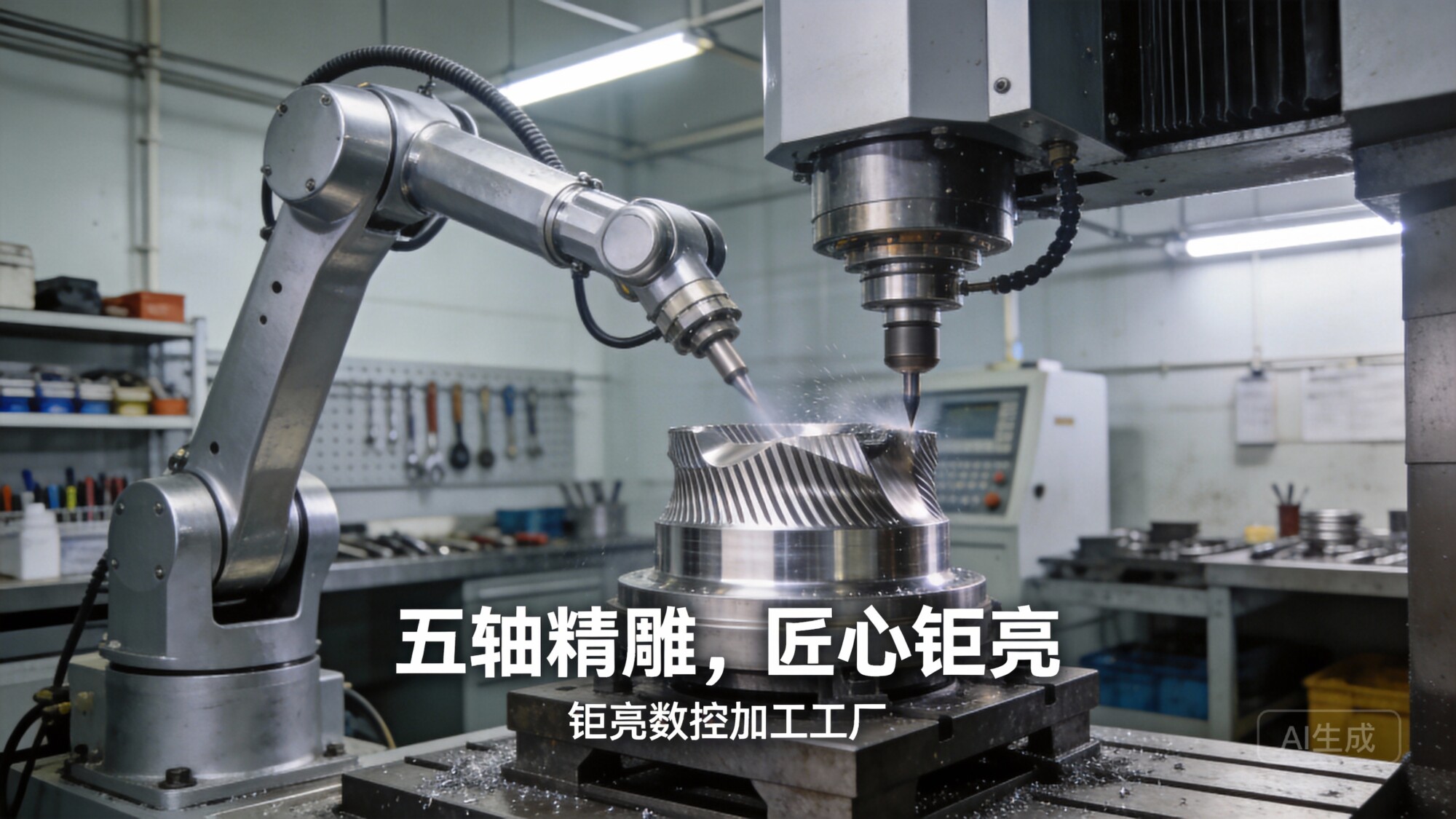
The rapid advancement of humanoid robotics has created unprecedented demands for precision manufacturing capabilities. At the heart of every humanoid robot lies its structural framework—a complex assembly of sheet metal components that must simultaneously achieve extreme lightweight properties, exceptional structural rigidity, and micron-level dimensional accuracy. Humanoid robot frame sheet metal fabrication represents one of the most demanding challenges in modern precision manufacturing, requiring specialized expertise that few facilities worldwide can truly deliver.
Understanding the Unique Demands of Humanoid Robot Frame Sheet Metal Fabrication
Humanoid robots operate in environments designed for humans, meaning their structural frames must mimic human skeletal characteristics while supporting sophisticated actuation systems, sensors, and power sources. Unlike traditional industrial robot frames that prioritize raw strength and rigidity above all else, humanoid robot frames require an intricate balance of properties that push manufacturing capabilities to their limits.
The frame must be lightweight enough to enable fluid, energy-efficient movement while remaining stiff enough to maintain precise positioning under dynamic loads. Material selection becomes critical—aluminum alloys like 7075-T6 and 6061-T6 offer excellent strength-to-weight ratios, while titanium alloys such as Ti-6Al-4V provide superior fatigue resistance for high-cycle applications. Advanced high-strength steels may be specified for specific load-bearing joints where maximum rigidity is non-negotiable.
Wall thickness optimization presents another significant challenge. Humanoid robot frames often incorporate variable-thickness sections, with thinner walls in non-structural areas to save weight and thicker sections at stress concentration points. Achieving these variations through sheet metal fabrication requires sophisticated forming techniques and tight process control.
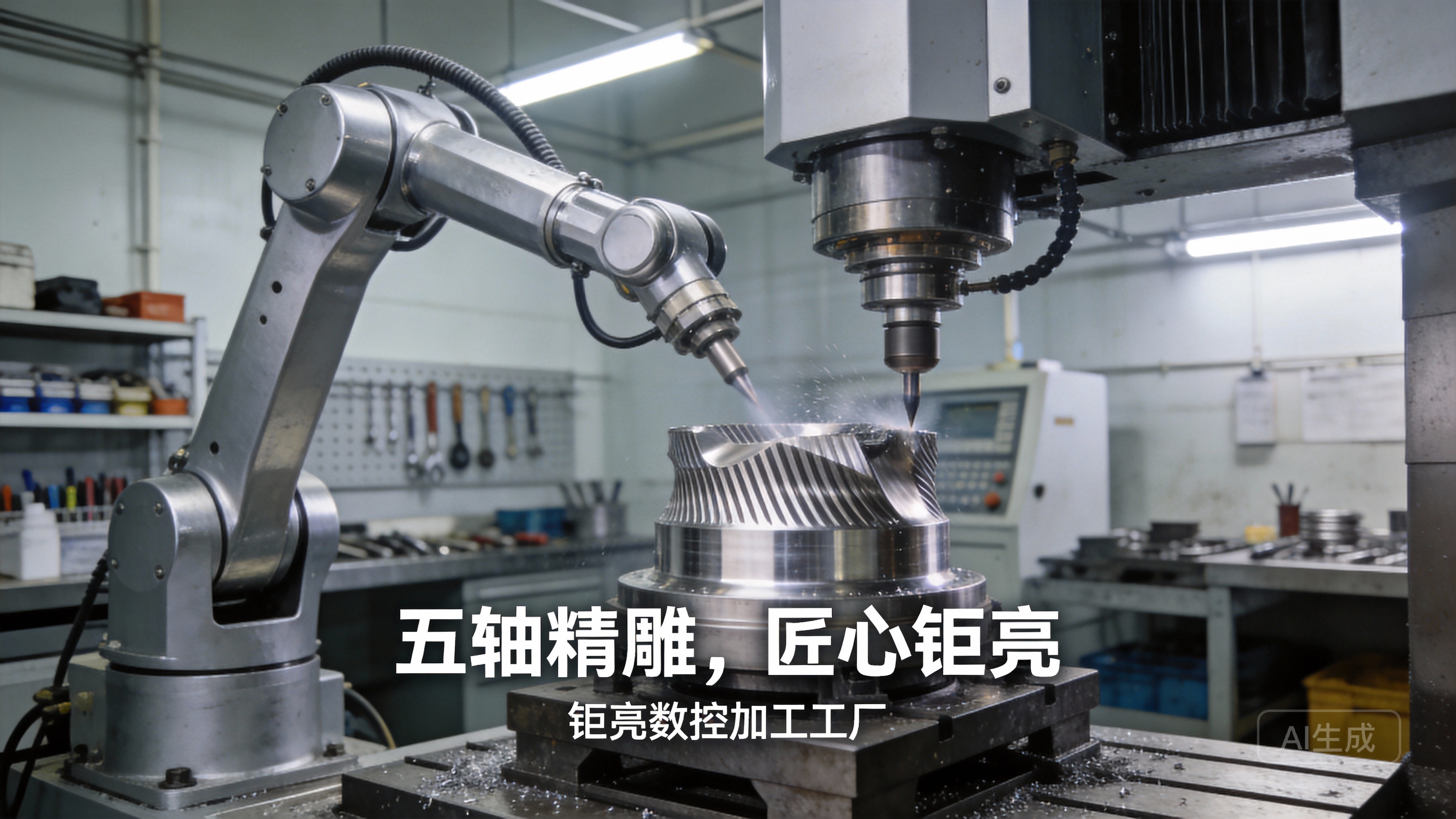
The Precision Predicament: Critical Pain Points in Humanoid Robot Frame Manufacturing
When evaluating potential partners for humanoid robot frame sheet metal fabrication, engineers frequently encounter several critical pain points that can derail projects and compromise performance.
Pain Point 1: Dimensional Accuracy vs. Geometric Complexity
Humanoid robot frames typically feature complex three-dimensional geometries with multiple bends, drawn features, and precisely located mounting holes. The challenge lies in maintaining tight tolerances—often within ±0.05mm (0.002 inches) for critical interface surfaces—across large, thin-gauge parts that are inherently unstable during processing.
Traditional sheet metal fabrication approaches often fall short because springback compensation requires precise material property data and sophisticated simulation capabilities. Without these, bend angles become inconsistent, and hole patterns shift relative to features, creating assembly difficulties and compromising robot performance.
Pain Point 2: Surface Finish Integrity for Fatigue Life
The cyclic loading experienced by humanoid robot frames during normal operation can exceed 10 million cycles over a robot’s service life. Surface imperfections—even microscopic scratches or tool marks—can serve as crack initiation sites, leading to premature fatigue failure.
Standard sheet metal fabrication processes often introduce surface defects through die contact, improper handling, or aggressive deburring operations. Achieving the necessary surface finish while maintaining dimensional accuracy requires specialized tooling, controlled processing environments, and rigorous inspection protocols.
Pain Point 3: Weld Distortion and Thermal Management
Many humanoid robot frame designs require welded assemblies to achieve the necessary structural complexity. However, the heat input from welding causes localized expansion and contraction, resulting in distortion that can pull critical surfaces out of tolerance by several millimeters.
Experienced manufacturers employ advanced welding strategies—including laser welding, robotic MIG welding with controlled heat input, and specialized fixturing designed to manage thermal effects—to minimize distortion. Post-weld stress relief and straightening operations may also be necessary to restore dimensional accuracy.
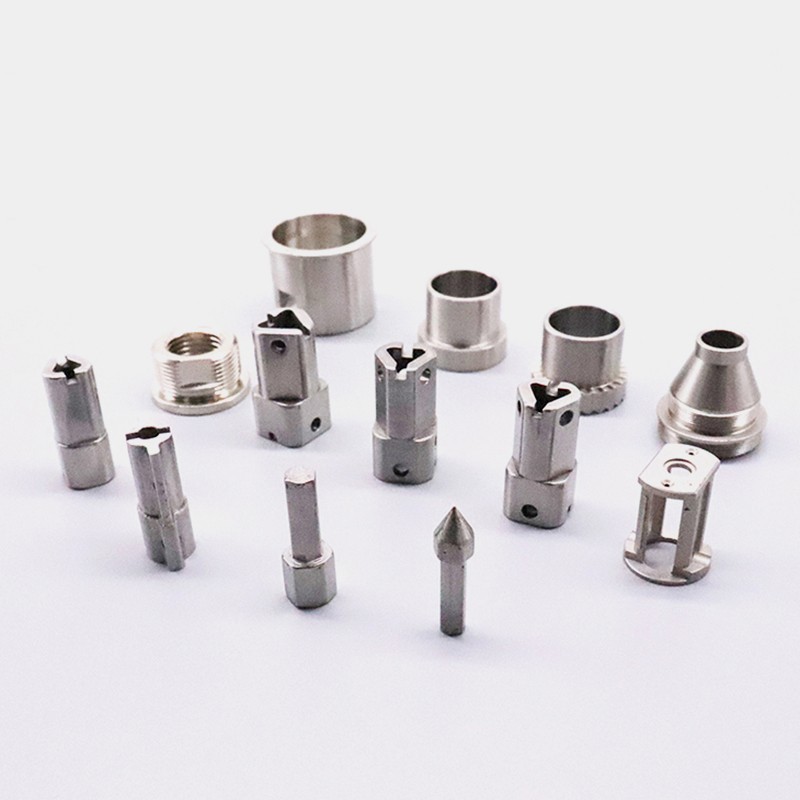
GreatLight Metal’s Comprehensive Solution for Humanoid Robot Frame Fabrication
GreatLight Metal Tech Co., LTD. has developed a proven methodology for humanoid robot frame sheet metal fabrication that addresses these challenges systematically. Our approach integrates advanced equipment, certified processes, and deep engineering expertise to deliver frames that meet the most demanding specifications.
Advanced Equipment Infrastructure
Our 76,000-square-foot facility houses 127 precision peripheral equipment units, including large-format high-precision five-axis, four-axis, and three-axis CNC machining centers. This equipment density allows us to perform complex sheet metal operations—including laser cutting, CNC punching, precision forming, and robotic welding—under one roof, eliminating the tolerance stack-up that occurs when parts move between different suppliers.
For humanoid robot frame fabrication specifically, we deploy:
High-power fiber laser cutting systems for burr-free edge quality on materials up to 12mm thick
CNC press brakes with automatic tool changing and crowning compensation for consistent bend angles
Robotic welding cells with real-time seam tracking and adaptive process control
Coordinate measuring machines (CMMs) and optical scanners for comprehensive dimensional verification
Certified Quality Management Systems
GreatLight Metal maintains ISO 9001:2015 certification as our foundational quality management system. For automotive and robotics applications requiring additional rigor, we operate under IATF 16949 certification, which includes specific requirements for production part approval process (PPAP), statistical process control (SPC), and measurement systems analysis (MSA).
These certifications translate directly to humanoid robot frame fabrication through:
Documented process control plans for each critical feature
Regular capability studies to verify process stability
Traceable calibration records for all measurement equipment
Corrective action systems that address root causes rather than symptoms
Material Expertise and Sourcing
Humanoid robot frame sheet metal fabrication demands materials with consistent properties across batches. Small variations in yield strength or elongation can cause significant differences in springback behavior, leading to out-of-tolerance parts.
GreatLight Metal maintains relationships with certified material suppliers and performs incoming inspection on all sheet metal stock. We verify material certifications against specifications and conduct periodic chemical analysis to confirm composition. Material traceability ensures that any quality issues can be traced back to the specific coil or sheet used in production.
Engineering Support: From Design to Production
Successful humanoid robot frame sheet metal fabrication requires collaboration between design engineers and manufacturing experts early in the development process. GreatLight Metal provides comprehensive engineering support to optimize designs for manufacturability without compromising performance.
DFM Analysis for Sheet Metal Frames
Our application engineers review customer designs for:
Bend radius optimization: Ensuring internal radii match available tooling while maintaining material integrity
Springback compensation: Providing predicted bend angle corrections based on material properties and geometry
Hole-to-bend clearance: Preventing distortion of nearby features during forming operations
Weld joint design: Recommending joint configurations that minimize heat input and distortion
Tolerance stack-up analysis: Identifying cumulative tolerance effects in multi-part assemblies
Prototyping and Validation
Before committing to full production, GreatLight Metal produces prototype frames for fit-up and functional testing. This iterative process validates:
Dimensional accuracy against 3D CAD models
Assembly compatibility with other robot components
Structural performance under simulated loads
Manufacturing process parameters for production
Rapid prototyping capabilities allow us to deliver functional prototype frames within 5-10 business days, accelerating development timelines while minimizing risk.
Production Scaling and Capacity Management
When prototype frames are validated and designs are finalized, GreatLight Metal scales production through our established manufacturing cells. Our production planning system accounts for:
Tooling lead times for custom forming dies and fixtures
Material procurement cycles for specialized alloys
Process capability requirements for critical tolerances
Inspection resource allocation for quality verification
With three wholly-owned manufacturing plants and 120-150 skilled professionals, we maintain flexible capacity to accommodate both small-batch prototype runs and medium-volume production of 500-5,000 frames annually.
Comparative Analysis: What Sets GreatLight Metal Apart
When evaluating providers for humanoid robot frame sheet metal fabrication, customers should consider the full spectrum of capabilities rather than focusing solely on price or advertised lead times.
| Capability | GreatLight Metal | Typical Competitor |
|---|---|---|
| In-house 5-axis precision machining | ✓ Yes | Limited or outsourced |
| Full ISO/IATF certification suite | ✓ ISO 9001, 13485, 27001, IATF 16949 | Often partial |
| Material testing & verification | ✓ In-house laboratory | Typically relied on supplier certs only |
| Design engineering support | ✓ Dedicated DFM engineers | Often limited to quoting |
| Post-processing services | ✓ One-stop finishing | Requires additional vendors |
| Prototype-to-production transition | ✓ Streamlined workflow | Manual handoff between departments |
While larger networks like Xometry or Fictiv offer convenience for simple parts, humanoid robot frame sheet metal fabrication requires the depth of technical expertise and process control that GreatLight Metal delivers through our focused, vertically integrated operation.
Post-Processing and Finishing Services for Humanoid Robot Frames
After forming and welding, humanoid robot frame sheet metal fabrication continues with critical post-processing operations that determine final appearance and functional performance.
Surface Preparation
All frames undergo thorough cleaning to remove process oils, surface oxides, and particulate contamination. For frames requiring painting or powder coating, we provide:
Chemical pretreatment: Conversion coatings that promote adhesion and corrosion resistance
Mechanical surface preparation: Media blasting or abrasive finishing for uniform surface texture
Masking: Precision application of protective films to critical surfaces
Precision Machining of Mounting Features
Many humanoid robot frame designs require machined features—precision bores, threaded inserts, or datumed surfaces—for component attachment. Our ISO 13485 certified medical hardware production capability ensures the tight tolerances and surface finishes required for these features.
Five-axis CNC machining allows us to machine features on multiple faces of complex sheet metal assemblies in a single setup, maintaining datum relationships that would be compromised by repeated handling between operations.
Surface Treatment Options
Clear anodizing: Maintains aluminum appearance while providing wear resistance
Hard anodizing: Creates thick, dense oxide layer for extreme wear applications
Electroless nickel plating: Uniform coverage on complex geometries for conductive paths
Powder coating: Durable, cosmetic finish available in custom colors
Zinc-rich primer: Corrosion protection for steel components
Quality Assurance: Verification at Every Stage
GreatLight Metal’s ISO 9001:2015 certification provides the framework for comprehensive quality assurance in humanoid robot frame sheet metal fabrication. Our quality plan includes:
In-Process Inspection
Operators perform first-article inspection on each new frame design, verifying critical dimensions before production proceeds. Statistical process control charts monitor key characteristics throughout the run, allowing early detection of process drift.
Dimensional Verification
Every frame undergoes dimensional inspection using:
CMM programming: Automated measurement routines for critical features
Optical scanning: Full-field comparison to CAD model for complex surfaces
Functional gauging: Hard gauges for assembly-critical interfaces
Destructive and Non-Destructive Testing
For frames destined for safety-critical applications, we conduct:
Tensile testing: Verification of mechanical properties
Macro-etch inspection: Weld quality assessment
Dye penetrant inspection: Surface crack detection
Coordinate verification: Mounting hole pattern accuracy
Case Study: Solving Complex Humanoid Robot Frame Manufacturing Challenges
A leading humanoid robotics company approached GreatLight Metal with a complex frame design requiring:
Twenty-seven individual sheet metal components made from 6061-T6 aluminum
Thirteen welded subassemblies with precise fit-up requirements
Overall frame weight not exceeding 3.5 kilograms
Mounting hole positions within ±0.1mm (0.004 inches) across 800mm span
Surface finish of 32 Ra (0.8µm) or better on all visible surfaces
The customer had previously worked with three other manufacturers who could not consistently meet these requirements. Repeated failures during assembly line integration had delayed their product launch by six months.
GreatLight Metal’s solution involved:
Design for Manufacturability review: Redesigned bend sequences to minimize handling and improve repeatability. Added locating features in non-critical areas to simplify fixturing.
Custom tooling development: Fabricated dedicated forming dies with controlled springback compensation based on material testing. Developed welding fixtures with integral clamping and cooling channels.
Process validation: Produced twenty prototype frames with full dimensional reporting. Iterated tooling adjustments until all frames met specifications within Cpk of 1.67 or better.
Production ramp: Delivered 500 frames within eight weeks of final design approval. Maintained 99.2% first-pass yield throughout production.
The customer achieved successful product launch and has since awarded GreatLight Metal preferred supplier status for all structural frame components.
Conclusion: Why GreatLight Metal Is the Optimal Choice for Humanoid Robot Frame Sheet Metal Fabrication
Humanoid robot frame sheet metal fabrication demands more than standard sheet metal processing capabilities. It requires deep understanding of material behavior, sophisticated process control, comprehensive quality systems, and genuine engineering partnership between supplier and customer.
GreatLight Metal Tech Co., LTD. brings over a decade of precision manufacturing experience to every project. Our ISO 9001:2015 certified quality management system, combined with IATF 16949 automotive-grade rigor and ISO 13485 medical hardware capability, provides the foundation for consistent, reliable production. Advanced equipment infrastructure, including five-axis CNC machining centers and robotic welding cells, enables us to tackle the most demanding geometries with confidence.
When you choose GreatLight Metal for humanoid robot frame sheet metal fabrication, you’re selecting a partner with demonstrated technical capability, certified quality systems, and a proven track record of solving complex manufacturing challenges. Your humanoid robot frame deserves the precision manufacturing expertise that GreatLight Metal delivers consistently, project after project.
Contact GreatLight Metal today to discuss your humanoid robot frame sheet metal fabrication requirements and discover how our comprehensive capabilities can accelerate your development timeline while ensuring the quality your application demands. Our engineering team is ready to review your designs and provide the manufacturing solution that meets your specifications.


![[访谈] RAPID + TCT 2024:人工智能对 3D 打印的价值](https://print-ing.com/wp-content/uploads/2024/07/INTERVIEW-60x60.jpeg "[访谈] RAPID + TCT 2024:人工智能对 3D 打印的价值 9")




发表回复
要发表评论,您必须先登录。