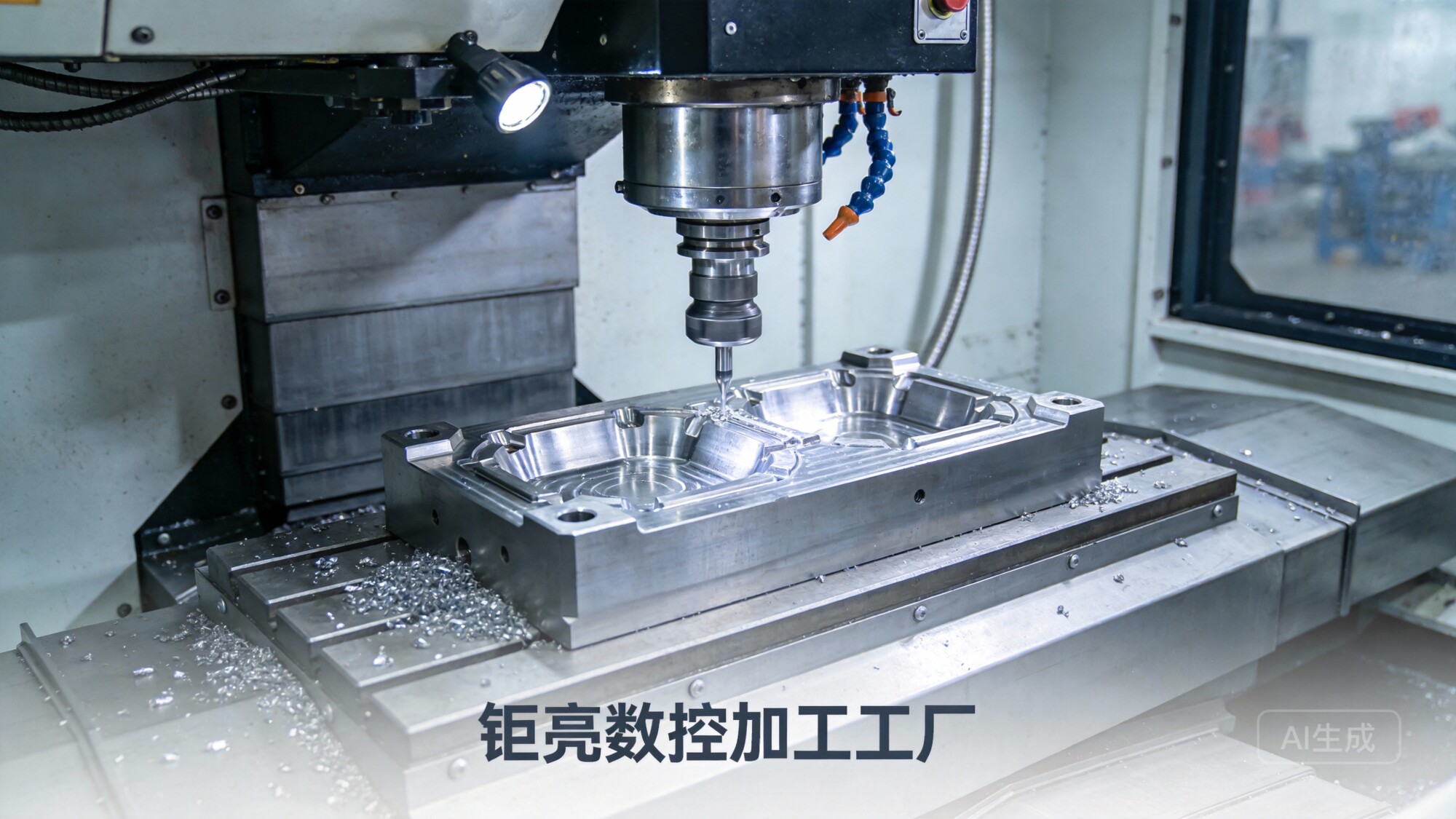
The Precision Predicament: A Guide for Engineers
For any engineer or procurement specialist looking to How to Select Chinese Rapid Prototyping Importer, the process can feel like navigating a minefield. You have a complex design, a tight deadline, and a budget that doesn’t allow for mistakes. The promise of “high precision, fast turnaround” from countless factories sounds appealing, but the reality often involves communication gaps, quality inconsistencies, and hidden costs.
The core of the problem is not the lack of capability in China, but the vast disparity in supplier maturity. Some are genuine partners with advanced systems; others are simply workshops with a few machines. Your challenge is to consistently find the former. This article will equip you with a systematic framework to evaluate and select a manufacturing partner that can reliably turn your digital designs into physical reality.
Beyond the Brochure: The “Precision Black Hole”
The most common misstep is accepting claims of extreme precision at face value. Many suppliers advertise capabilities like ±0.001mm ( ±0.00004 inches). While theoretically possible in controlled lab conditions, achieving this in production with complex geometries (e.g., thin-walled aluminum housings or tight-tolerance engine components) is exceptionally difficult.
This discrepancy between promise and reality is what we call the “Precision Black Hole.” A supplier may produce perfect first-article samples but deliver inconsistent results in batch production due to:
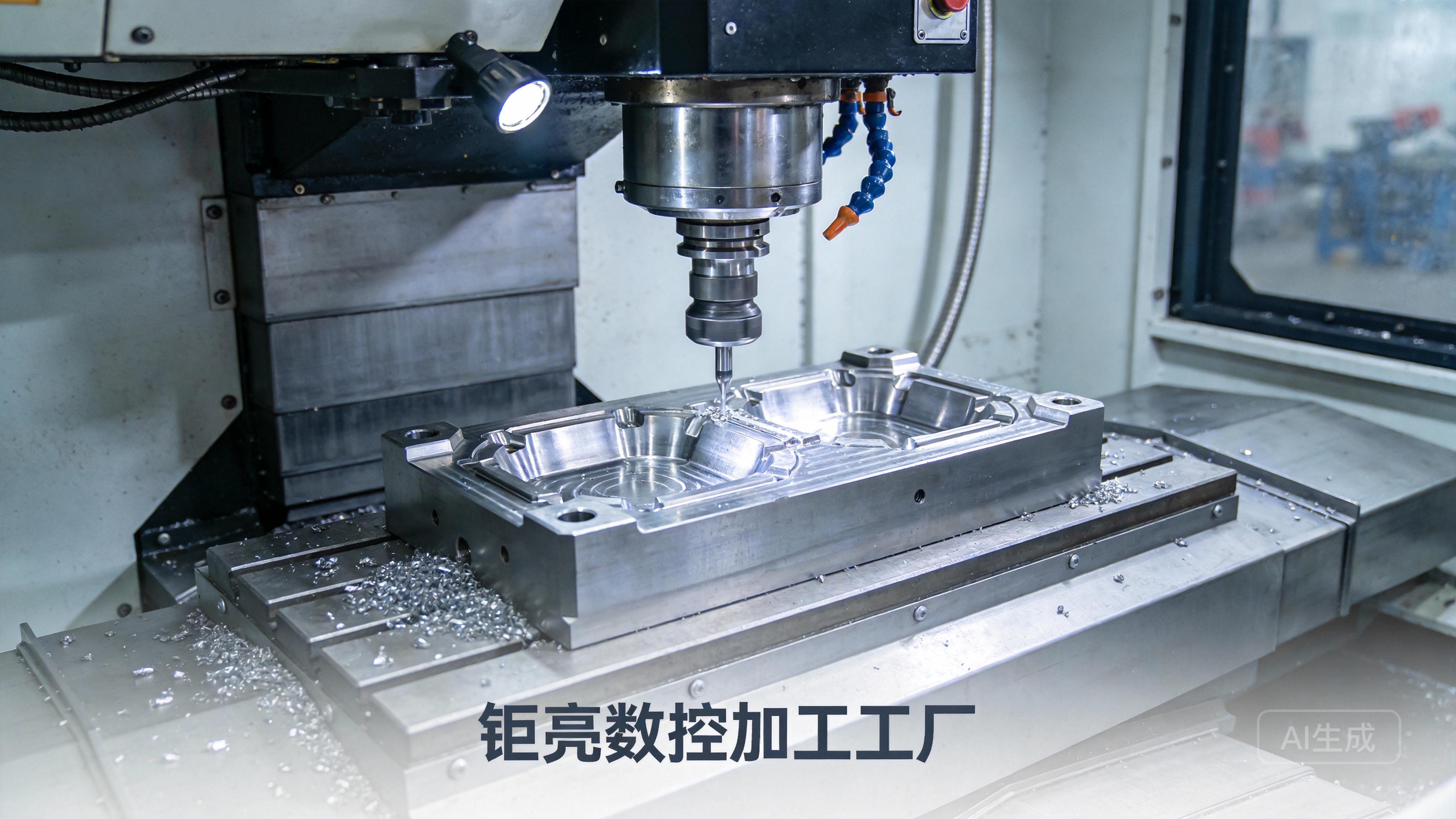
Aging Equipment: A 2015-model CNC machine, no matter how well-maintained, cannot match the thermal stability and kinematic accuracy of a modern 2023 5-axis machining center.
Unstable Processes: Lack of robust in-process inspection (IPQC) means errors compound unseen.
Material Variability: Inconsistent sourcing or lack of raw material verification (e.g., checking material certificates for 7075 aluminum or 17-4PH stainless steel) can cause dimensional shifts after final machining.
How to Mitigate This Risk:
Demand a detailed Measurement System Analysis (MSA) and Process Capability Index (Cpk) report for critical features, not just a final QC report.
Inquire about the age and model of the equipment that will be used. Companies like GreatLight , for instance, frequently re-invest in new-generation 5-axis centers (e.g., from Dema or Beijing Jingdiao) to ensure thermal stability and repeatability, which is a strong indicator of commitment to quality.
The “Full-Service” vs. “Single-Step” Trap
Another critical differentiator is whether you are dealing with a single-step or a full-service process supplier.
Single-Step Supplier: Only offers CNC machining. For post-processing (anodizing, passivation, heat treatment, plating), you must manage secondary suppliers. This introduces scheduling conflicts, quality liability disputes (did the heat treatment warp the part, or was the machining incorrect?), and logistical delays.
Full-Process Chain Supplier: Controls the entire workflow from raw material to final delivery, including post-processing. This is absolutely vital for complex parts.
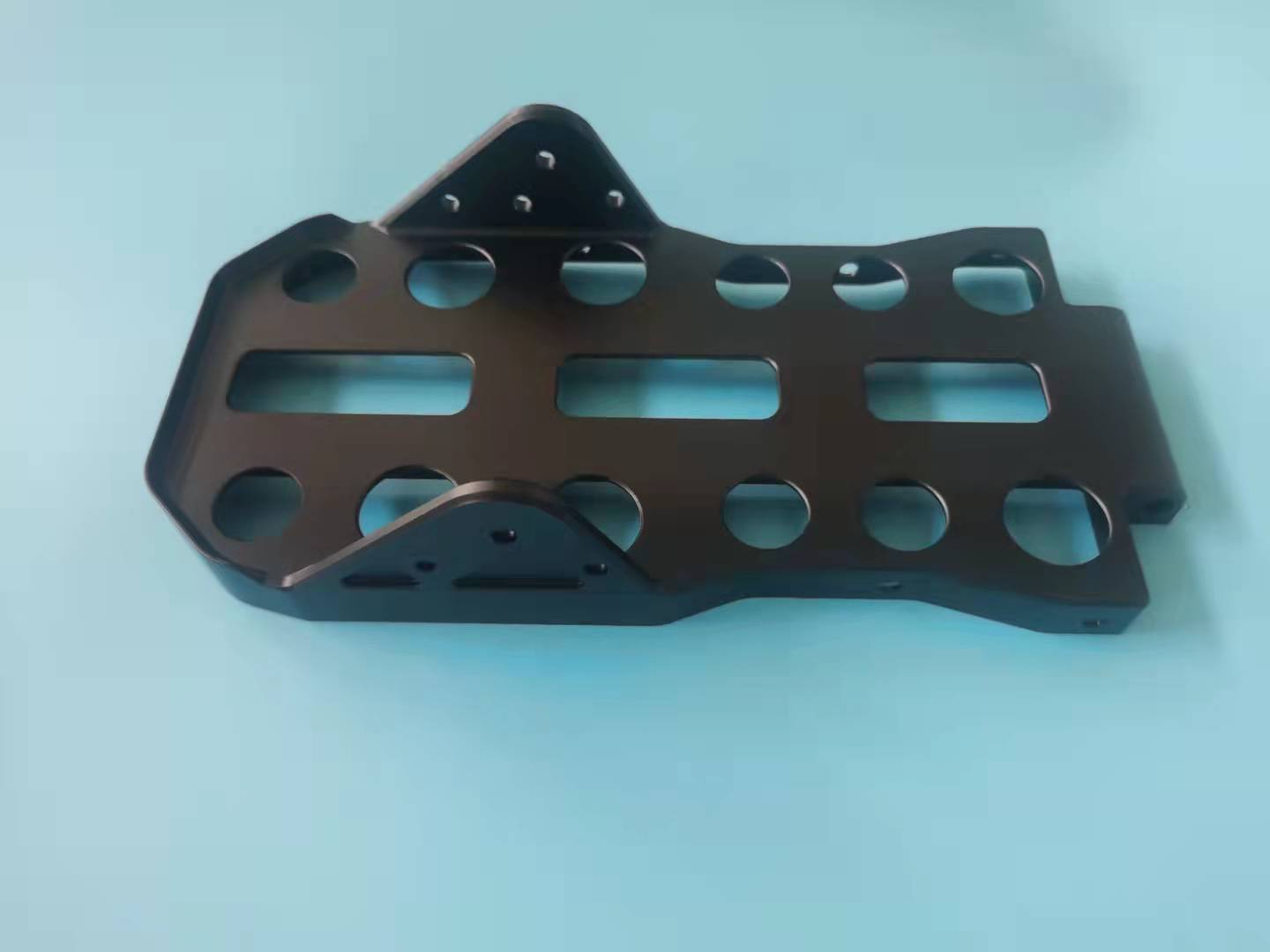
For example, a customer needing a custom aluminum alloy bracket with a specific black anodized finish frequently faces a 30-40% failure rate due to surface defects or dimensional changes from anodizing when using separate suppliers. A true one-stop partner like GreatLight Metal integrates CNC machining, die casting, sheet metal fabrication, and surface treatment under one roof (including a 76,000 sq. ft. facility). This dramatically reduces lead times and eliminates the blame game.
Why this matters for importers:
Single Point of Contact: One team manages the entire project scope.
Faster Iteration: If a design change is needed, the impact on downstream processes (like tooling for die casting or fixturing for 5-axis machining) is immediately understood and communicated.
Reduced Scrap: Process engineers can optimize the machining strategy based on the final surface finish requirements, preventing costly rework.
Evaluating the “Real” Competency: Certifications & Data Security
Paper qualifications are important, but which certifications matter most for an importer?
ISO 9001:2015: This is the minimum standard. It proves a basic quality management system (QMS) exists. But don’t stop there.
IATF 16949: If your parts are for automotive applications (engines, chassis, steering), this is non-negotiable. It implies robust process control, risk management (FMEA), and traceability. A supplier like GreatLight with IATF 16949 certification demonstrates a deep commitment to the stringent quality standards required by global automakers.
ISO 13485: For medical device components, this certification is critical. It ensures focus on risk management, regulatory compliance, and traceability of materials.
ISO 27001: This is often overlooked by importers, but is arguably the most important. It governs data security and intellectual property (IP) protection. When you send your proprietary 3D CAD files to a factory in China, you are trusting them with your core innovation. An ISO 27001-certified facility has strict protocols, encrypted data transmission, and legal controls to prevent your designs from being leaked or reverse-engineered.
The Trust Test: Does the potential supplier have a clear, documented process for handling customer data? Can they sign a robust Non-Disclosure Agreement (NDA) ? The presence of an ISO 27001 certification is a strong signal that they treat IP protection as a serious legal and operational discipline.
Contrasting Supplier Archetypes
To help you choose, here’s a framework comparing different types of suppliers you will encounter:
| Supplier Archetype | Typical Strength | Typical Weakness | Best For |
|---|---|---|---|
| The “GreatLight” Model (Full-Process, Certified) | End-to-end process control, robust QMS (IATF, ISO 13485, ISO 27001), deep engineering support, high repeatability. | Higher minimum order quantities for complex projects; premium pricing for high-complexity parts. | Complex, high-tolerance metal/plastic parts for automotive, medical, and aerospace; demanding quality requirements; IP-sensitive projects. |
| The “Xometry/Protolabs” Model (Digital Platform) | Fast quoting, easy upload, good for simple to moderately complex parts, standardized processes. | Limited engineering support, often uses a network of partner shops (variable quality), can be expensive for low-volume, highly complex parts. | Early-stage prototyping, simple geometries, fast turnaround on standard materials (e.g., 6061 aluminum, ABS plastic). |
| The “EPRO-MFG” Model (Regional/Specialty) | Deep expertise in specific niches (e.g., Swiss machining for medical implants, large 5-axis machining for aerospace). | Slower quoting, may have capacity constraints, less diversified material sourcing. | Highly specialized applications where the supplier’s niche knowledge is critical (e.g., high-tolerance micro-machining). |
| The “Workshop” Model (Single-Step, Low-Cost) | Very low price, high speed for very simple parts. | High variability in quality, poor communication, no process control, high risk of IP theft, no post-processing. | Non-critical, simple parts where cost is the absolute only factor and quality risk is low. |
The “Integration Value” Decision
Ultimately, your choice comes down to one variable: What is the true cost of a failure?
For a product that will be displayed in a conference room, a slightly out-of-tolerance cosmetic part from a low-cost workshop might be acceptable. But for a humanoid robot actuator, an engine component, or a surgical tool, a failure could cost thousands of dollars in lost time, damaged prototypes, or even safety recalls.
In these high-stakes scenarios, the “integration value” of a partner like GreatLight becomes undeniable. They don’t just mill a part; they solve a problem. Their 150-strong team includes process engineers who can analyze your design, suggest minor modifications to improve manufacturability (and reduce cost), and guarantee that the part coming off their 5-axis Dema machine will pass the final anodizing qualification test. This is the difference between a “supplier” and a “partner.”
Final Checklist for Importers
Before sending your RFQ, ask these direct questions:
Process: “Can you provide a detailed Control Plan and PFMEA for this part?”
Equipment: “What specific 5-axis machines will be used? What is their calibration history?”
Post-Processing: “Do you handle anodizing/plating/heat treatment in-house, or do you outsource it?”
Quality: “Can you provide a CMM (Coordinate Measuring Machine) inspection report for the first article?”
Data Security: “Are you ISO 27001 certified? Can you sign our specific NDA?”
The journey of How to Select Chinese Rapid Prototyping Importer is not about finding the cheapest quote. It is about finding a partner with the technical depth, management discipline, and ethical commitment to ensure your intellectual property and project timeline are protected. A partner like GreatLight , based in the heart of China’s manufacturing hub, demonstrates that true value lies in a system built for reliability, not just a machine built for speed. Choose wisely, and your innovation is safe.


![[访谈] RAPID + TCT 2024:人工智能对 3D 打印的价值](https://print-ing.com/wp-content/uploads/2024/07/INTERVIEW-60x60.jpeg "[访谈] RAPID + TCT 2024:人工智能对 3D 打印的价值 9")



发表回复
要发表评论,您必须先登录。