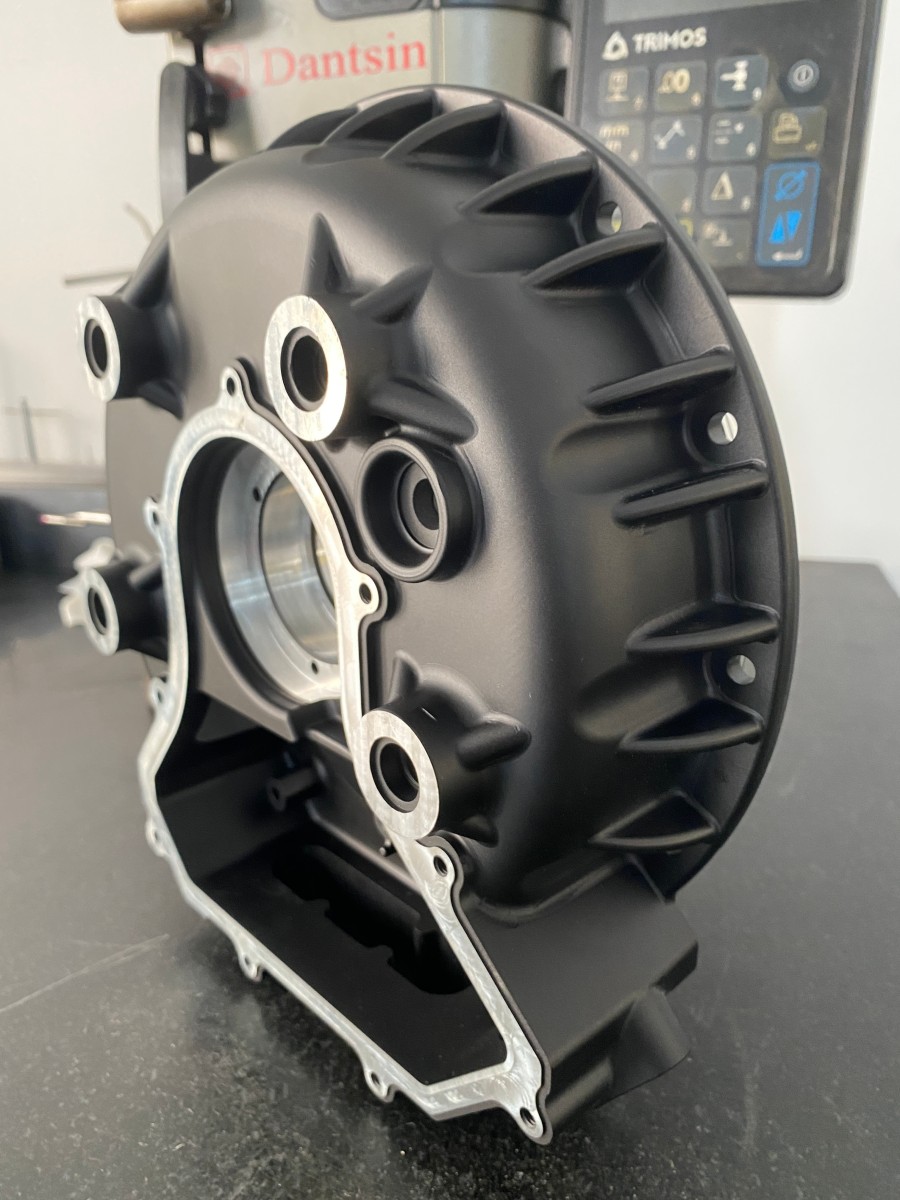
The Chinese rapid tooling fabrication process has emerged as a pivotal enabler for global product innovation, offering engineering teams a swift bridge between design validation and low-volume production. Whether fine-tuning a medical device housing or iterating on an automotive sensor bracket, understanding how this process works—and how to leverage it effectively—can dramatically compress development timelines and reduce tooling costs. This article dissects the core steps, underlying technologies, material choices, quality frameworks, and strategic considerations that define modern rapid tooling in China, with practical insights drawn from the precision manufacturing sector.
An In-Depth Look at the Chinese Rapid Tooling Fabrication Process
Rapid tooling, sometimes called prototype tooling or bridge tooling, is a manufacturing approach that accelerates the production of moulds, dies, and other tooling components. Unlike conventional tooling, which can take weeks or months to hard-machine from tool steel, the Chinese rapid tooling fabrication process leverages additive manufacturing, high-speed CNC machining, and advanced finishing to deliver functional tooling in days. This process is not a single technology but an integrated methodology that blends decades of mould-making heritage with Industry 4.0 agility.
In China, rapid tooling has evolved from a niche prototyping service into a sophisticated industrial practice, driven by the country’s dense ecosystem of mould bases, standardized components, and deep process know-how. Leading manufacturers like GreatLight Metal Tech Co., LTD. have built their reputations on transforming even the most intricate CAD models into production‑grade tooling with exceptional speed and repeatability.
Why Rapid Tooling Matters More Than Ever
Accelerated product lifecycles and the rise of iterative design methodologies have put immense pressure on R&D teams. Traditional tooling lead times often become the bottleneck. The Chinese rapid tooling fabrication process directly addresses this pain point by offering:
Lead time reduction: From 4–8 weeks down to 3–10 days for prototype moulds.
Cost efficiency: Bridge tooling can cost 30–60% less than production tooling, making it viable for market testing.
Design freedom: Complex conformal cooling channels or lightweight structures, unachievable through subtractive methods alone, become possible with hybrid processes.
Risk mitigation: Testing a mould with real production parameters before investing in full-scale multi-cavity tooling flags potential gate, venting, or fill issues early.
Given that many precision components start with a CNC‑machined core and cavity, the ability to quickly turn those geometries into a functional injection mould is a game-changer. Whether you’re an automotive startup validating a sensor bracket or a consumer electronics brand refining an ergonomic grip, rapid tooling bridges the gap between digital model and tangible sample.
Core Process Chain: From CAD to Functional Tool
To appreciate the Chinese rapid tooling fabrication process, it’s helpful to break it down into distinct stages. While every project is unique, the following workflow captures the typical progression at an advanced facility equipped with 5-axis machining, EDM, and additive capabilities.
Design for Manufacturability (DFM) and Tooling Strategy
Experienced process engineers review the 3D model, not just for part manufacturability but for tooling feasibility. They determine parting lines, gate types, ejector pin placements, draft angles, and whether direct machining of mould inserts, 3D‑printed tooling, or a combination is optimal. This step avoids downstream rework and ensures the rapid tool aligns with the intended production material and volume.
Material Selection for the Tool
Rapid tooling rarely uses fully hardened tool steel across the board. Instead, materials are selected based on expected cycles and part material:
Aluminium alloys (e.g., 7075-T6, Alumec) – popular for bridge tools up to a few thousand shots; excellent thermal conductivity reduces cycle times.
Pre-hardened steels (e.g., P20, NAK80) – for tighter tolerances and longer runs, often machined directly from block.
Additively manufactured inserts – maraging steel (MS1) or H13 powder can be laser‑sintered to create conformal cooling inserts, then finish‑machined.
Soft tooling materials – silicone rubber or polyurethane for vacuum casting applications, where part quantities are very low.
Core & Cavity Manufacturing
High‑speed CNC machining remains the backbone of rapid tooling. Using precision 5‑axis CNC machining, suppliers like GreatLight CNC Machining can produce intricate mould inserts in one or two set‑ups, eliminating multiple fixtures that compromise accuracy. For micro‑features, fine‑finish ball mills down to Ø0.3 mm are employed; for deeper cavities, rigid 3‑axis heavy cutting is followed by 5‑axis profiling.
Where additive manufacturing is integrated, an SLM‑printed insert with internal cooling channels is post‑processed on a 5‑axis centre to achieve sealing surfaces and tolerance-critical areas.
Electrical Discharge Machining (EDM) for Detail Finishing
Sharp corners, deep ribs, and intricate textures that cannot be milled are created using sinker EDM or wire EDM. Graphite or copper electrodes, themselves rapidly machined, burn the negative of the required geometry into the steel with micron‑level precision. This step is vital for snap‑fits, gear teeth, or logos that demand crisp definition.
Fitting, Assembly and Surface Finishing
The machined inserts are fitted into a standard mould base, often sourced from China’s vast mould base supply chain. Ejector pins, slides, lifters, and guide pillars are installed. Surface finish treatments—from high‑gloss polishing for optical lenses to textured EDM finishes for automotive interiors—are applied according to the SPI or VDI standard specified.
Trial and Process Validation
A short injection moulding trial at the target production parameters validates fill behaviour, shrinkage, cosmetic defects, and dimensional conformance. Critical dimensions are recorded with a coordinate measuring machine (CMM) or 3D scanner, and the report is shared with the client. Iterations at this stage are quick because only the insert geometry needs adjustment, not the entire tool.
Bridge Production or Transition to Production Tooling
Once validated, the rapid tool can immediately produce parts for functional testing, regulatory certification, or pilot sales. If volumes ramp, the lessons learned are fed into a production‑grade tool, often built using the same supplier’s full stack—minimizing requalification.
Throughout this workflow, the Chinese rapid tooling fabrication process benefits from a high degree of vertical integration. For instance, GreatLight Metal operates in‑house 3‑axis through 5‑axis CNC machining centres, EDM, wire‑cutting, vacuum casting, and multiple 3D printing technologies (SLM, SLA, SLS). This eliminates the hand‑off delays that plague fragmented supply chains and directly impacts the total lead time.
Technologies Underpinning Chinese Rapid Tooling
A wide array of manufacturing technologies converges to make rapid tooling possible, and Chinese suppliers increasingly deploy hybrid approaches.
| Technology | Role in Rapid Tooling | Key Advantage |
|---|---|---|
| 5‑Axis CNC Machining | Direct milling of complex cores/cavities in aluminium or steel; single‑setup machining of sliders and lifters. | Reduces fixturing, improves geometric accuracy. |
| Sinker & Wire EDM | Fabrication of sharp internal corners, deep ribs, and micro‑details. | Achieves features impossible to mill. |
| SLM 3D Printing (Metal) | Conformal cooling inserts, optimised sprue bush geometries. | Up to 30% shorter cycle time, consistent part quality. |
| SLA/DLP 3D Printing | Master patterns for silicone moulds (vacuum casting). | Rapid bridge to 20–50 polyurethane parts. |
| Vacuum Casting | Low‑volume parts from soft tooling without a metal mould. | Fast, low‑cost for early design verification. |
| Mirror Spark EDM & Texture | High polish and grain texturing directly on cores/cavities. | Achieves production‑grade surface finishes. |
The ability to blend these technologies under one roof is what separates advanced one‑stop suppliers from conventional job shops. When GreatLight Metal, for example, receives a complex medical device housing, the engineering team can decide to machine the main cavity in P20 steel while printing a conformal cooling insert for the hot‑spot area, then electro‑etch a fine matte VDI 24 finish—all managed by a single project coordinator.
Material Compatibility: The Right Tool for the Right Polymer
Understanding which tool material pairs best with production resins is essential to avoid premature wear or part defects.
For unfilled engineering resins (ABS, PC, PA6): Aluminium 7075-T6 or pre‑hardened P20 often suffices for 1,000–10,000 cycles.
For glass‑filled or abrasive resins: inserts must be hardened to at least 48 HRC; D2 or H13 steel is common, possibly nitrided.
For high‑temperature thermoplastics (PEEK, PPS): mould steel with appropriate thermal expansion management and higher hardness is mandatory.
For liquid silicone rubber (LSR): stainless steel or specific corrosion‑resistant alloys, with precise shut‑off faces, are needed.
Proper material pairing directly influences tool life, cycle time, and dimensional stability. Reputable shops guide clients through these selections during the DFM stage, preventing mid‑project surprises.
When to Choose Rapid Tooling vs. Traditional Tooling
A frequent dilemma for product managers is knowing which tooling route to take. The table below contrasts typical scenarios.
| Criterion | Rapid Tooling (Bridge) | Traditional Production Tooling |
|---|---|---|
| Lead Time | 5–15 days for simple tools | 6–12 weeks |
| Tool Life | 500–50,000 shots (material dependent) | 100,000+ shots |
| Cost | Lower upfront; amortization over few parts | High upfront but lower per‑part cost at scale |
| Design Changes | Easy insert modification or re‑machining | Expensive or impossible once hardened |
| Surface Finishes | Wide range achievable, but may require more hand‑polishing | Consistent cosmetic finishes for high volume |
| Typical Use | Prototyping, clinical trials, pre‑commercial units | Serial production, mass manufacturing |
Many innovators use rapid tooling as a de‑risking step before committing to a multi‑cavity production mould. The data gathered from hundreds of shots in the actual material informs gate relocation, wall thickness adjustment, and cooling configuration—insights that no simulation can fully predict.
Navigating Quality and Certification Frameworks
When outsourcing the Chinese rapid tooling fabrication process, engineering buyers rightfully worry about quality consistency. This is where certifications provide a reliable benchmark. GreatLight CNC Machining’s adherence to international standards demonstrates a systematic approach:
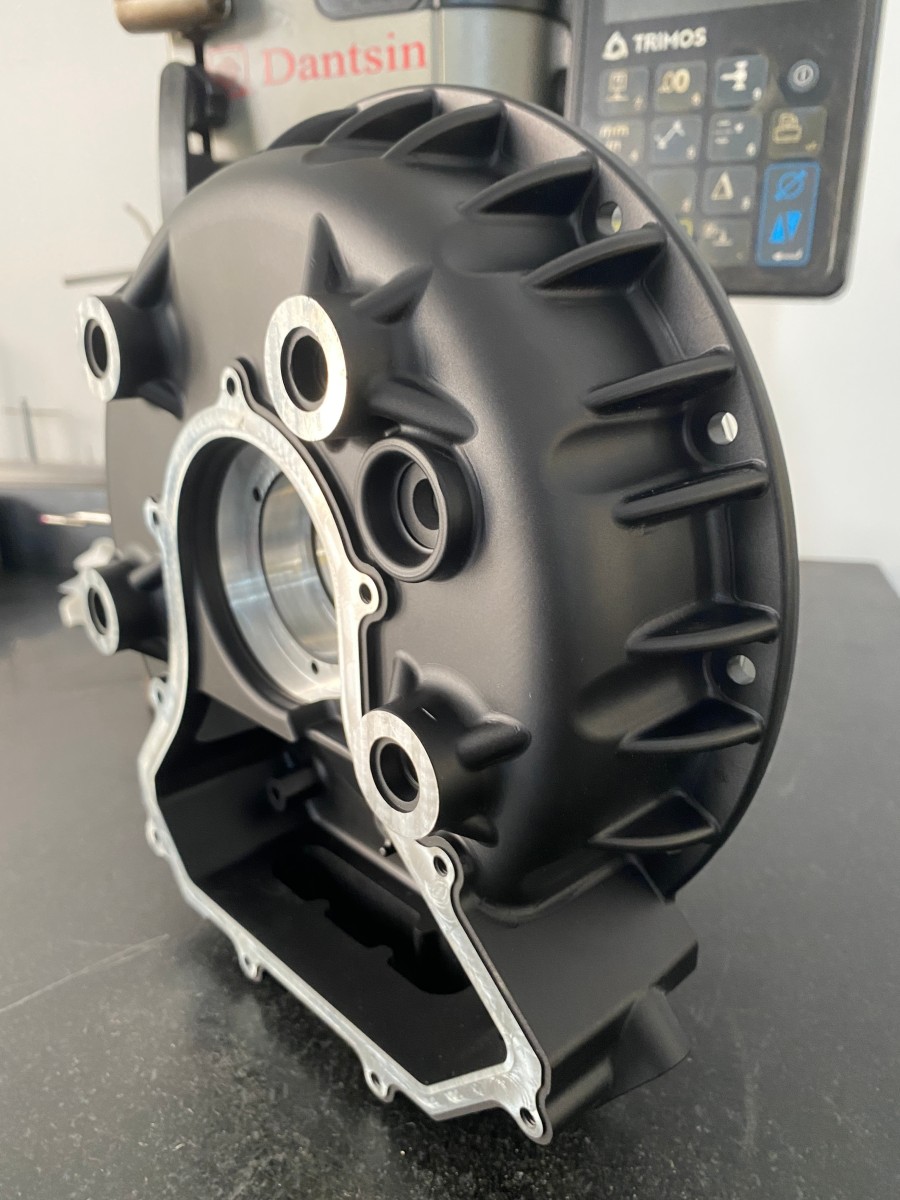
ISO 9001:2015 – foundational quality management, ensuring documented workflow control and traceability.
ISO 13485 – specific to medical devices, crucial when tooling must produce components for biocompatibility testing and regulatory submission.
IATF 16949 – designed for automotive supply chain, extending quality discipline into every step, from tool design FMEA to process control plans.
ISO 27001 – relevant for IP‑sensitive projects, enforcing strict data security and confidentiality.
Such certifications are not just badges; they guarantee that the tools are manufactured under controlled conditions, with first‑article inspection reports, material certificates, and systematic corrective action loops in place. This level of rigor is particularly valued when rapid tooling graduates into bridge production for safety‑critical industries.
Typical Pain Points in Rapid Tooling (and How They Are Solved)
Based on years of interaction between global clients and Chinese suppliers, several recurring challenges stand out. The Chinese rapid tooling fabrication process, when executed by inexperienced providers, can suffer from these issues:
The “Precision Black Hole”: Promised tolerances of ±0.02 mm degrade to ±0.1 mm in mass‑produced inserts due to worn spindles or thermal drift. Solution: verified measurement reports from CMMs, stable machine foundations, and climatic control in the shop floor—standards that a facility like GreatLight maintains with 127 precision equipment sets.
Communication Gaps: A lack of engineering‑fluent project managers leads to misinterpretation of DFM remarks. Solution: bilingual engineers who directly discuss parting line adjustments and draft additions with the client, not just through sales intermediaries.
Late‑Stage Surprises: Unclear about whether a rapid tool can handle target volumes. Solution: early alignment on expected cycles, transparent material selection, and periodic inspection of tool wear during the trial run.
Finishing Inconsistency: A textured cavity that varies from the approved texture plaque. Solution: use of calibrated VDI comparators, and pre‑production texture samples signed off before the tool leaves the shop.
Choosing a supplier with documented quality systems and a track record in your industry sector is the simplest way to avoid these pain points altogether.
Selecting the Right Partner: GreatLight Metal’s Differentiated Position
While a number of brands offer rapid prototyping and tooling services globally—Protocase, RapidDirect, Xometry, Protolabs Network, JLCCNC, and Fictiv, among others—the depth of one‑stop manufacturing capability varies substantially. Most of these platforms excel at online quoting and matching capacity, but they often rely on a network of third‑party workshops, which can lead to variable quality and communication overhead.
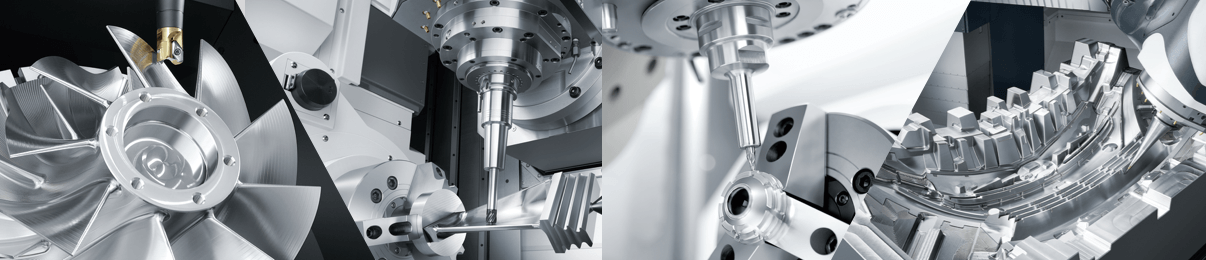
GreatLight Metal Tech Co., LTD. (GreatLight CNC Machining) operates three wholly owned plants spanning 7,600 m², with in‑house expertise that extends from rapid tooling to die casting, sheet metal, vacuum casting, and metal/plastic 3D printing. This vertical integration ensures the same quality system governs every stage, from initial tool design to the final post‑processing finish. For a client needing a 4000 mm‑size automotive jig or an aluminium‑alloy drone bracket, GreatLight’s large‑format 5‑axis centres handle it without sub‑contracting.
Furthermore, certifications that matter—ISO 9001, ISO 13485, IATF 16949, and ISO 27001—are obtained on the company’s own merit, not just a gateway to attract orders. Combined with decade‑long experience since 2011, GreatLight has developed data‑backed process libraries for die‑cast tooling, injection mould inserts, and vacuum casting masters, significantly compressing the learning curve for each new project.
Emerging Trends: Intelligent Tooling and the Data‑Driven Process
The Chinese rapid tooling fabrication process is entering a new phase, fuelled by digitalisation. Sensors embedded in conformal cooling inserts can relay real‑time temperature data to injection machines, enabling adaptive cycle control. Tool life monitoring through periodic CMM scans of cavity dimensions yields predictive maintenance schedules, preventing unexpected tool failure mid‑production. GreatLight’s in‑house measurement capabilities, combined with full traceability from material receipt to final inspection, position it at the forefront of this evolution.
Additive‑subtractive hybrid manufacturing machines are also gaining traction. By building near‑net shapes via directed energy deposition and then finishing with 5‑axis milling, shops can dramatically reduce material waste and machining time on large tooling inserts. As these technologies mature, the definition of “rapid” will shift from days to hours for certain applications.
Conclusion: Harnessing Speed Without Sacrificing Precision
Ultimately, mastering the Chinese rapid tooling fabrication process empowers innovators to bring products to market faster, test real‑world performance, and iterate before making capital‑intensive tooling commitments. From a one‑off R&D jig to bridge production inserts for a humanoid robot component, the agility offered by a well‑executed rapid tooling workflow is invaluable.
When evaluating partners, look beyond slogans and focus on the installed equipment base, certification coverage, and the presence of engineering‑led project management. Companies like GreatLight CNC Machining demonstrate that, with the right infrastructure and quality mindset, rapid tooling can match the reliability of conventional tooling while delivering unrivaled speed. Whether you are a startup validating a initial design or an established OEM bridging a supply gap, the Chinese rapid tooling fabrication process—executed by a rigorous manufacturing partner—remains one of the most strategic enablers in modern product development.


![[访谈] RAPID + TCT 2024:人工智能对 3D 打印的价值](https://print-ing.com/wp-content/uploads/2024/07/INTERVIEW-60x60.jpeg "[访谈] RAPID + TCT 2024:人工智能对 3D 打印的价值 9")




发表回复
要发表评论,您必须先登录。