The Technical Imperative for High-Precision EMI Shielding in Robotics
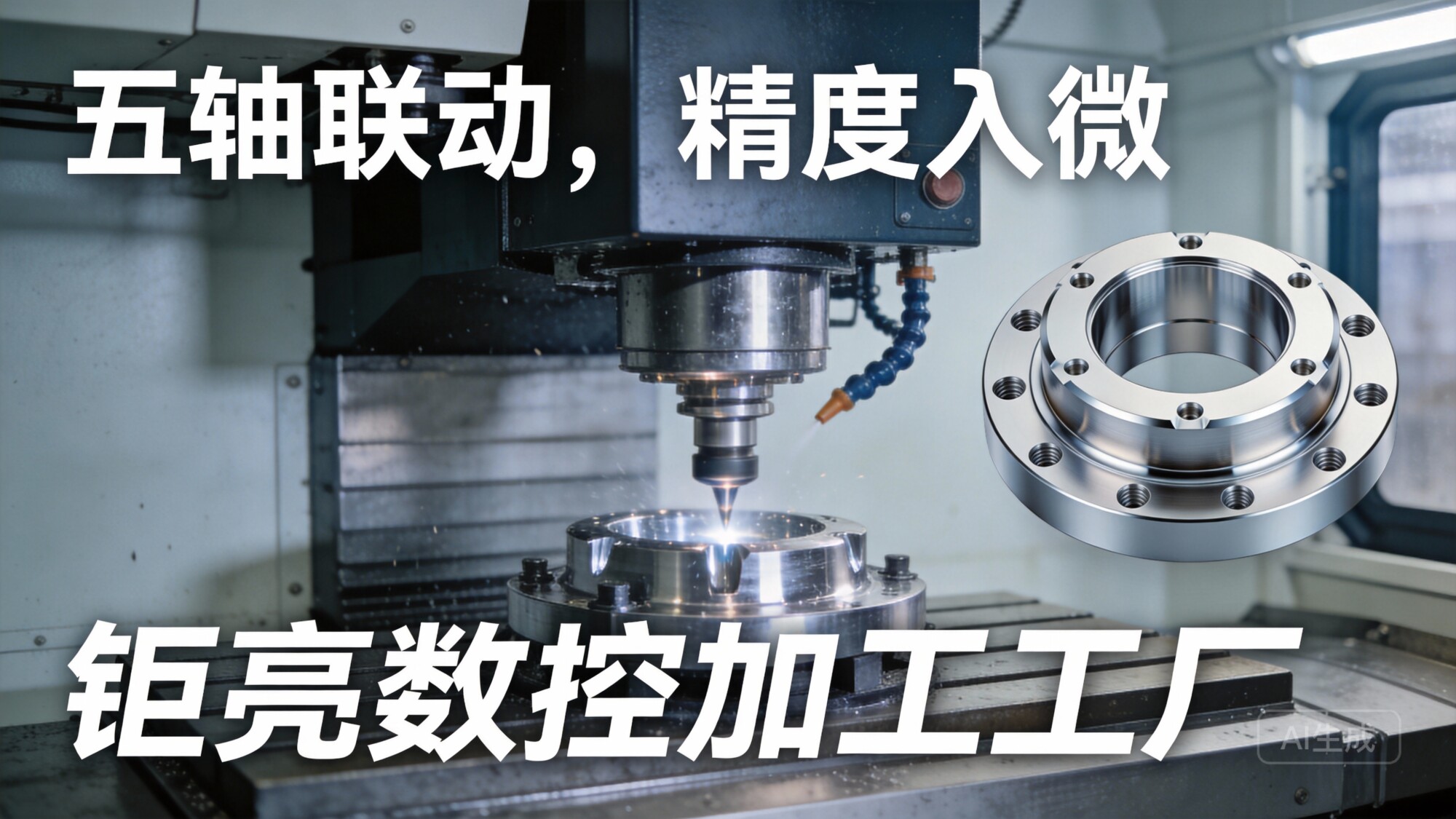
In the rapidly evolving landscape of robotics and automation, electromagnetic interference (EMI) has emerged as a critical challenge that can compromise system performance, safety, and regulatory compliance. As robots become more sophisticated—integrating advanced sensors, wireless communication modules, high-speed processors, and powerful actuators—the need for effective electromagnetic shielding has never been more urgent. The robot EMI shielding covers CNC machining process represents a specialized intersection of precision manufacturing and electromagnetic engineering, where dimensional accuracy directly impacts shielding effectiveness and overall system reliability.
The engineering reality is straightforward: poorly manufactured shielding covers create gaps, inconsistencies, and resonance points that defeat their primary purpose. When tolerances drift by even micrometers, the electromagnetic integrity of the entire system can be compromised. This is why leading robotics manufacturers increasingly turn to precision CNC machining for their EMI shielding components rather than relying on stamped or formed metal parts that lack the necessary dimensional control.
For engineers and procurement specialists evaluating manufacturing partners, understanding the technical nuances of CNC-machined EMI shielding covers is essential. The process involves not merely cutting metal to shape, but engineering a solution that balances electrical conductivity, mechanical strength, thermal management, weight constraints, and assembly compatibility—all while maintaining stringent EMI attenuation requirements.
Why CNC Machining Dominates EMI Shielding Cover Production
The manufacturing landscape for EMI shielding components includes multiple approaches: stamping, casting, 3D printing, and CNC machining. Each method has its place, but for the demanding requirements of modern robotics, CNC machining offers distinct advantages that are difficult to replicate.
CNC machining provides superior dimensional accuracy and repeatability. When shielding covers must mate precisely with enclosure surfaces, maintain consistent wall thickness, and accommodate complex geometries for connector cutouts, ventilation slots, or mounting features, the subtractive manufacturing approach delivers tolerances that stamped or cast parts simply cannot match. A typical CNC-machined aluminum shielding cover achieves tolerances of ±0.01mm to ±0.05mm, whereas stamped parts often struggle to maintain ±0.1mm across complex profiles.
Furthermore, CNC machining eliminates the tooling costs and lead times associated with stamping dies or injection molds. For robotics companies producing multiple iterations of prototype designs or manufacturing in low-to-medium volumes, this flexibility is invaluable. The ability to modify designs overnight and have machined parts in hand within days accelerates development cycles and reduces time-to-market.
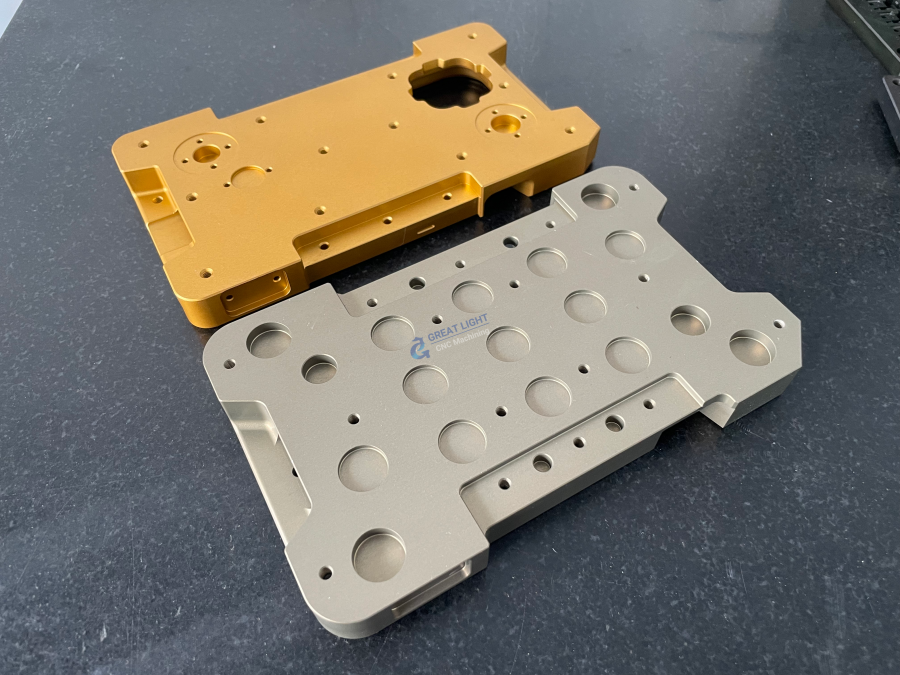
Surface finish quality is another critical factor. Shielding effectiveness depends on low-impedance electrical contact between mating surfaces. CNC machining produces consistent surface finishes that minimize contact resistance, whether the part requires a raw machined surface, conductive plating, or specialized coating. The process also allows for precise control of edge breaks, chamfers, and radii that affect both shielding performance and assembly ergonomics.
Material Selection for Robotics EMI Shielding: Balancing Performance and Practicality
The choice of material for EMI shielding covers directly influences shielding effectiveness, weight, thermal performance, and cost. In robotic applications, where every gram matters and thermal management is often challenging, material selection requires careful engineering analysis.
Aluminum Alloys: The Workhorse of Robotics Shielding
Aluminum 6061-T6 and 7075-T6 are the most commonly specified materials for CNC-machined robot EMI shielding covers. Their high strength-to-weight ratio, excellent thermal conductivity, and natural oxide layer that provides corrosion resistance make them ideal for most applications. Aluminum alloys offer shielding effectiveness of 60-80 dB across frequencies from 100 MHz to 10 GHz when properly designed and finished.
For weight-sensitive applications such as collaborative robots (cobots) or drone-mounted systems, aluminum’s density of 2.7 g/cm³ provides significant advantages over copper or steel alternatives. The material machines beautifully, producing clean threads, thin walls, and intricate features without excessive tool wear.
Copper and Copper Alloys: Maximum Shielding Performance
When maximum EMI attenuation is required—particularly in high-frequency applications above 10 GHz or in environments with extreme electromagnetic interference—copper and its alloys become the material of choice. Copper offers shielding effectiveness 10-20 dB higher than aluminum at equivalent thicknesses, and its superior electrical conductivity reduces ground impedance.
However, copper’s higher density (8.96 g/cm³) and cost, combined with its tendency to work-harden during machining, make it more challenging to process. Brass and beryllium copper alloys offer compromises, providing good conductivity with improved machinability or enhanced spring properties for contact fingers.
Stainless Steel: Durability in Harsh Environments
For robots operating in industrial environments with exposure to chemicals, moisture, or extreme temperatures, stainless steel shielding covers offer unmatched durability. Grades 304 and 316L provide excellent corrosion resistance while maintaining reasonable shielding performance. Stainless steel’s lower electrical conductivity compared to aluminum or copper means thicker sections are required for equivalent shielding, but its mechanical robustness often justifies the trade-off.
Technical Challenges in Machining Robot EMI Shielding Covers
Experienced CNC machinists recognize that EMI shielding covers present unique manufacturing challenges that distinguish them from conventional structural components. Understanding these challenges helps engineers design parts that are both functional and manufacturable.
Thin Wall Machining and Vibration Control
Many shielding covers require thin walls—sometimes as thin as 0.5mm to 1.5mm—to minimize weight while maintaining structural integrity. Machining thin-walled aluminum or copper components is notoriously difficult due to workpiece vibration, deflection, and the risk of part distortion. The solution lies in advanced toolpath strategies, specialized workholding techniques, and careful selection of cutting parameters.
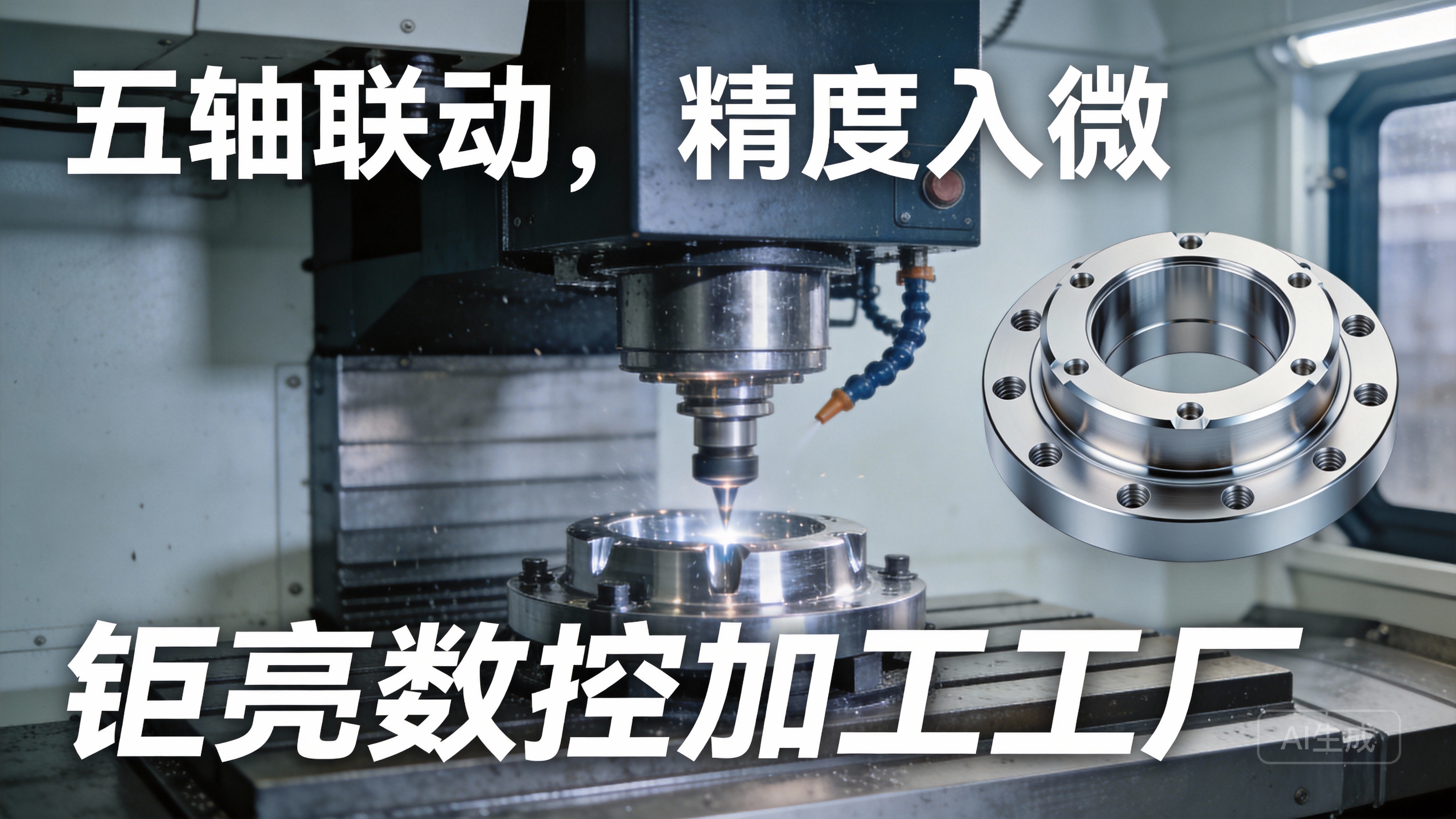
Five-axis CNC machining centers, such as those operated by GreatLight CNC Machining, excel at thin-wall machining because they can maintain optimal tool engagement angles and minimize cutting forces. By orienting the workpiece and tool to keep the cutting force directed into the solid portion of the part, rather than parallel to the thin wall, machinists can achieve consistent wall thicknesses and surface finishes that would be impossible with conventional three-axis approaches.
Achieving Low Contact Resistance at Mating Surfaces
The interface between a shielding cover and its mating enclosure is the most critical region for EMI performance. Any gap, surface irregularity, or oxide layer creates impedance that degrades shielding effectiveness. CNC machining achieves surface finishes of Ra 0.4μm to Ra 0.8μm on critical mating surfaces, providing the low-resistance electrical contact required for effective shielding.
For applications requiring even lower contact resistance, post-machining processes such as conductive plating (silver, tin, or nickel) or application of conductive gaskets are common. The machined surface must be clean, free of burrs, and geometrically true to ensure consistent compression of gaskets or reliable metal-to-metal contact.
Managing Thermal Expansion in Multi-Material Assemblies
Robotics applications often involve assemblies combining aluminum shielding covers with steel frames, copper heat sinks, or plastic housings. The different coefficients of thermal expansion create challenges for maintaining shielding integrity across temperature ranges. Precision machining allows for the incorporation of expansion compensation features—such as slotted mounting holes, compliant sections, or carefully calculated interference fits—that accommodate thermal cycling without losing electrical continuity.
The Role of Five-Axis Machining in Complex Shielding Geometries
The trend toward miniaturization and functional integration in robotics has driven demand for increasingly complex shielding cover geometries. Modern robot designs pack more electronics into smaller volumes, requiring shielding covers with compound angles, internal features, and integrated heat sink fins or mounting bosses.
Five-axis CNC machining provides the capability to produce these complex geometries in a single setup, eliminating the stacking tolerances and alignment errors that occur when parts must be repositioned for multiple operations. This is particularly valuable for shielding covers that must maintain precise relationships between multiple mounting surfaces, connector cutouts, and sealing interfaces.
GreatLight Metal’s facility in Chang’an, Dongguan operates a fleet of high-precision five-axis machining centers capable of holding tolerances to ±0.001mm. This level of precision enables the production of shielding covers with integrated features that would require multiple secondary operations or separate components in conventional manufacturing approaches.
Quality Assurance and Verification for EMI Shielding Components
The effectiveness of CNC-machined robot EMI shielding covers depends not only on manufacturing precision but also on rigorous quality control. Experienced suppliers implement comprehensive verification protocols that address both dimensional accuracy and functional performance.
Dimensional Inspection Using CMM and Optical Measurement
Coordinate measuring machines (CMMs) and optical measurement systems verify critical dimensions, including wall thickness, flatness of mating surfaces, hole positions, and edge break specifications. For shielding covers, the flatness of contact surfaces is particularly important—deviations as small as 0.05mm can create gaps that allow electromagnetic leakage.
Surface Finish and Conductivity Testing
Surface profilometers measure roughness on mating surfaces, while four-point probe testers verify electrical conductivity. These measurements provide objective evidence that the part will perform as designed when installed in the final assembly.
Process Control and Traceability
ISO 9001:2015 certified manufacturers like GreatLight CNC Machining maintain detailed process documentation and traceability systems. Each shielding cover can be traced back to the specific machine, operator, and inspection results, providing complete accountability throughout the production process.
Comparing Manufacturing Partners: What to Look For
GreatLight Metal stands as a comprehensive solution provider, offering the full spectrum of capabilities required for complex EMI shielding projects. With ISO 9001:2015, ISO 13485, and IATF 16949 certifications, the company demonstrates its commitment to quality across multiple industries. The combination of five-axis CNC machining centers, in-house inspection capabilities, and decades of precision manufacturing experience makes GreatLight particularly well-suited for demanding robotics applications.
Other established players in the precision CNC machining space include Protocase, known for rapid prototyping and low-volume production of custom enclosures, and Xometry, which offers a broad network of manufacturing partners and an automated quoting platform. Protolabs Network provides digital manufacturing services with quick turnaround times for prototype quantities. Fictiv focuses on on-demand manufacturing with quality assurance systems.
For robotics companies requiring EMI shielding covers, the selection criteria should extend beyond price and lead time to include material expertise, quality certifications, and demonstrated experience with similar applications. While smaller shops may offer competitive pricing for simple geometries, complex shielding designs benefit from the engineering support and process capability of established manufacturers.
Future Trends in Robot EMI Shielding Manufacturing
The manufacturing landscape for EMI shielding components continues to evolve, driven by advances in materials science, digital manufacturing, and the increasing performance demands of next-generation robotics.
Additive Manufacturing Integration
While CNC machining remains dominant for precision shielding covers, additive manufacturing (3D printing) is finding applications in complex internal geometries and lightweight lattice structures. Some manufacturers combine 3D-printed structural cores with CNC-machined mating surfaces, leveraging the strengths of both technologies.
Advanced Surface Treatments
New coating technologies, including atomic layer deposition and plasma-enhanced chemical vapor deposition, are enabling thinner, more durable conductive coatings that maintain performance across wider temperature ranges and harsher environments.
Simulation-Driven Design
Finite element analysis and computational electromagnetics increasingly inform shielding cover design, optimizing geometry for both structural performance and EMI attenuation before any metal is cut. This approach reduces iteration cycles and ensures first-pass success.
Conclusion: Precision Matters in Electromagnetic Compliance
The successful integration of electronics into modern robotic systems demands careful attention to electromagnetic compatibility. Robot EMI shielding covers CNC machining represents a critical capability that directly impacts product performance, regulatory compliance, and market acceptance.
When engineered correctly, CNC-machined shielding covers provide the dimensional accuracy, material consistency, and surface quality required for effective EMI suppression. The choice of manufacturing partner matters—one with the equipment, expertise, and quality systems to deliver parts that meet both dimensional and functional specifications.
GreatLight CNC Machining, through its decade-plus experience in precision manufacturing, comprehensive equipment capabilities, and internationally recognized quality certifications, offers robotics companies a reliable partner for EMI shielding cover production. Whether your project requires aluminum, copper, stainless steel, or specialized alloys; simple geometries or complex five-axis features; prototype quantities or production volumes, the manufacturing infrastructure and engineering expertise exist to bring your designs to reality with the precision that electromagnetic compliance demands.
Choosing a partner like GreatLight CNC Machining means accessing a manufacturing ecosystem built on the intersection of advanced equipment, certified quality systems, and deep engineering support—the foundation for successful EMI shielding solutions in the demanding world of modern robotics.


![[访谈] RAPID + TCT 2024:人工智能对 3D 打印的价值](https://print-ing.com/wp-content/uploads/2024/07/INTERVIEW-60x60.jpeg "[访谈] RAPID + TCT 2024:人工智能对 3D 打印的价值 9")




发表回复
要发表评论,您必须先登录。