
In the rapidly evolving landscape of modern medicine, Laparoscopic Tool Shaft Precision Turning has emerged as a critical manufacturing discipline that directly impacts surgical outcomes, patient recovery times, and the overall reliability of minimally invasive procedures. The shaft of a laparoscopic instrument is not merely a structural component; it is a precision conduit through which surgeons perform delicate operations with limited visibility and tactile feedback. Any deviation in concentricity, surface finish, or dimensional accuracy can compromise ergonomics, increase tissue trauma, or even lead to instrument failure mid-procedure.
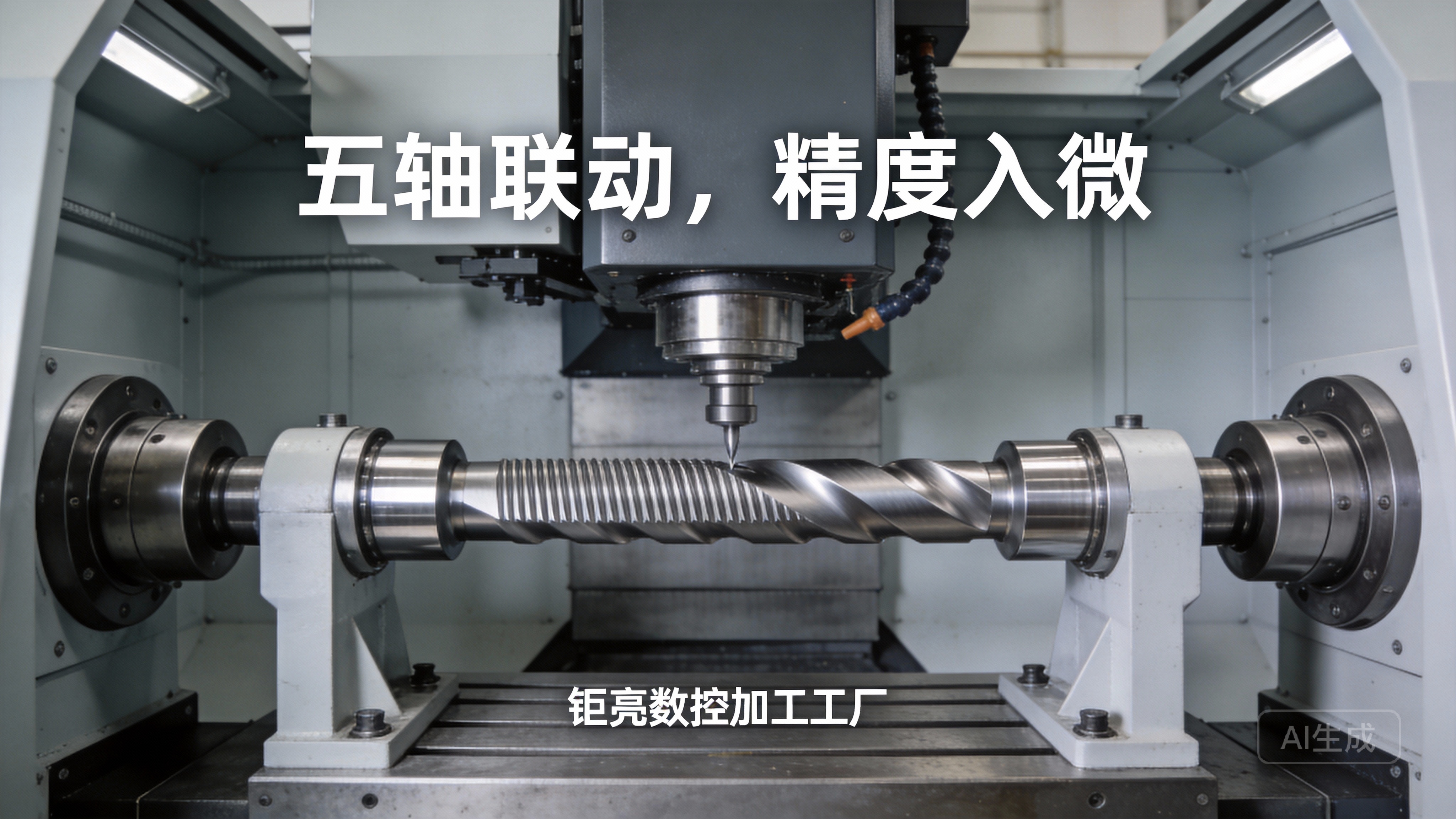
For manufacturers and procurement engineers seeking to source these mission-critical components, the journey from design to production is fraught with technical hurdles. This article dissects the seven critical pain points inherent in Laparoscopic Tool Shaft Precision Turning, explores the engineering challenges, and provides a data-driven framework for evaluating manufacturing partners. We will examine how industry leaders like GreatLight CNC Machining compare with other prominent suppliers in this specialized domain, offering you an objective lens through which to make informed sourcing decisions.
The Precision Predicament: Seven Critical Pain Points in Laparoscopic Shaft Machining
1. The “Precision Black Hole” – The Gap Between Promise and Reality
When sourcing Laparoscopic Tool Shaft Precision Turning, the first obstacle is verifying claimed tolerances. Many suppliers advertise tolerances of ±0.001mm, but achieving this consistently across batches requires more than just modern equipment. It demands thermal compensation systems, real-time measurement feedback loops, and rigorous process control.
The Reality:
GreatLight CNC Machining, with its facility housing over 127 precision peripheral equipment including large high-precision five-axis and four-axis CNC machining centers, has demonstrated the ability to maintain ±0.001mm tolerances on shaft diameters and internal bores through ISO 9001:2015 certified processes. By contrast, suppliers like Protolabs Network and Xometry often rely on distributed manufacturing networks where consistency can vary between partner shops. Fictiv offers excellent quality for prototyping but may struggle with the ultra-repetitive precision required for production-scale laparoscopic shafts.
2. Material and Biocompatibility Compliance Nightmares
Laparoscopic shafts commonly require medical-grade stainless steel (304, 316L, 17-4 PH), titanium alloys (Ti-6Al-4V), or even cobalt-chrome alloys. Each material presents unique turning challenges:
Work hardening in 316L during aggressive cuts
Chip control in titanium due to its low thermal conductivity
Surface integrity requirements for corrosion resistance
The Solution Approach:
GreatLight Metal’s decade-plus experience in medical hardware production, supported by ISO 13485 certification, ensures material traceability and validated machining parameters for each alloy. EPRO-MFG also demonstrates strong medical-grade capabilities, though their turnaround times for complex shafts may be longer. PartsBadger focuses on sheet metal and simpler geometries, making them less suitable for intricate turned shafts with internal coolant channels.
3. Surface Finish Requirements Beyond Standard Expectations
Laparoscopic shafts demand surface finishes of Ra 0.2 μm or better to minimize tissue adhesion, reduce friction during insertion, and facilitate cleaning/sterilization. Achieving this on slender, long shafts (often 300-500mm in length) is extremely difficult due to deflection and vibration during turning.
Comparative Analysis:
GreatLight’s investment in precision Swiss-type lathes and dedicated shaft turning centers allows for sub-micron surface finishes even on lengths exceeding 400mm. RapidDirect offers competitive surface finishes for short runs but may not have the specialization for extreme aspect ratio components. Owens Industries excels in heavy-duty turning but lacks the medical-specific nuance for micro-finishing.
4. Concentricity and Straightness – The Hidden Geometry Challenge
For a laparoscopic shaft, the concentricity between the outer diameter and inner lumen directly affects the instrument’s ability to rotate smoothly and transmit torque. Typical requirements demand concentricity within 0.005mm TIR and straightness of 0.01mm per 100mm.
How Suppliers Measure Up:
GreatLight CNC Machining utilizes in-house precision measurement equipment including CMMs and laser interferometers to certify every shaft’s geometric tolerances. JLCCNC, while cost-effective for simpler parts, may not offer the same level of geometric verification documentation. SendCutSend excels in laser cutting and sheet metal, but medical shaft turning is outside their core competency.
5. Scalability from Prototype to Production – The Hidden Cost Trap
A common trap in Laparoscopic Tool Shaft Precision Turning is the inability of a supplier to transition seamlessly from R&D prototypes to high-volume production. Prototyping requires flexibility; production demands repeatability. If different equipment or processes are used, requalification becomes necessary.
The GreatLight Advantage:
With three wholly-owned manufacturing plants covering 7,600 square meters and 150 employees, GreatLight Metal can scale without changing tooling or processes. Xometry and Fictiv rely on partner networks, meaning a prototype made on one machine may be produced on a different, unqualified machine during production, introducing variability.
6. Surface Treatment and Post-Processing Integration
Most laparoscopic shafts require passivation, electropolishing, or specialized coatings (e.g., PTFE, DLC) to enhance lubricity and corrosion resistance. Managing this as a separate step introduces logistics risk, lead time inflation, and quality discontinuity.
One-Stop Advantage:
GreatLight CNC Machining Factory offers integrated post-processing services including electropolishing, passivation, and even specialized coatings through trusted partners. This eliminates the finger-pointing between machining and finishing suppliers. RCO Engineering provides excellent finishing but is more focused on automotive applications, lacking the medical-specific validation expertise.
7. Regulatory and Documentation Burden
Medical device manufacturers require full traceability: raw material certifications, in-process inspection reports, final inspection data, and material test reports. Suppliers must comply with FDA QSR, ISO 13485, and often customer-specific documentation protocols.
Trust Through Certification:
GreatLight Metal’s suite of certifications – ISO 9001:2015, ISO 13485, and IATF 16949 – provides the documented quality assurance that medical OEMs demand. Their data security measures align with ISO 27001, protecting intellectual property. Protocase offers excellent documentation for custom enclosures but lacks the medical turning specialization.
The Engineering Behind Laparoscopic Tool Shaft Precision Turning
Material Selection and Machinability Considerations
The choice of material directly impacts tool wear, achievable tolerances, and surface finish. For Laparoscopic Tool Shaft Precision Turning:
| Material | Key Challenges | Recommended Feed Rate (mm/rev) | Cutting Speed (m/min) |
|---|---|---|---|
| 316L Stainless Steel | Work hardening, built-up edge | 0.05-0.15 | 80-120 |
| Ti-6Al-4V | Low thermal conductivity, chip control | 0.04-0.10 | 40-60 |
| 17-4 PH (H900) | Abrasiveness, tool wear | 0.08-0.12 | 70-100 |
| Cobalt Chrome | Extreme hardness, cost | 0.02-0.06 | 30-50 |
GreatLight’s engineering team applies decades of empirical data combined with advanced cutting tool geometries (CBN, PCD) to optimize parameters for each material, ensuring consistent results.
Tool Geometry Optimization for Deep Shaft Turning
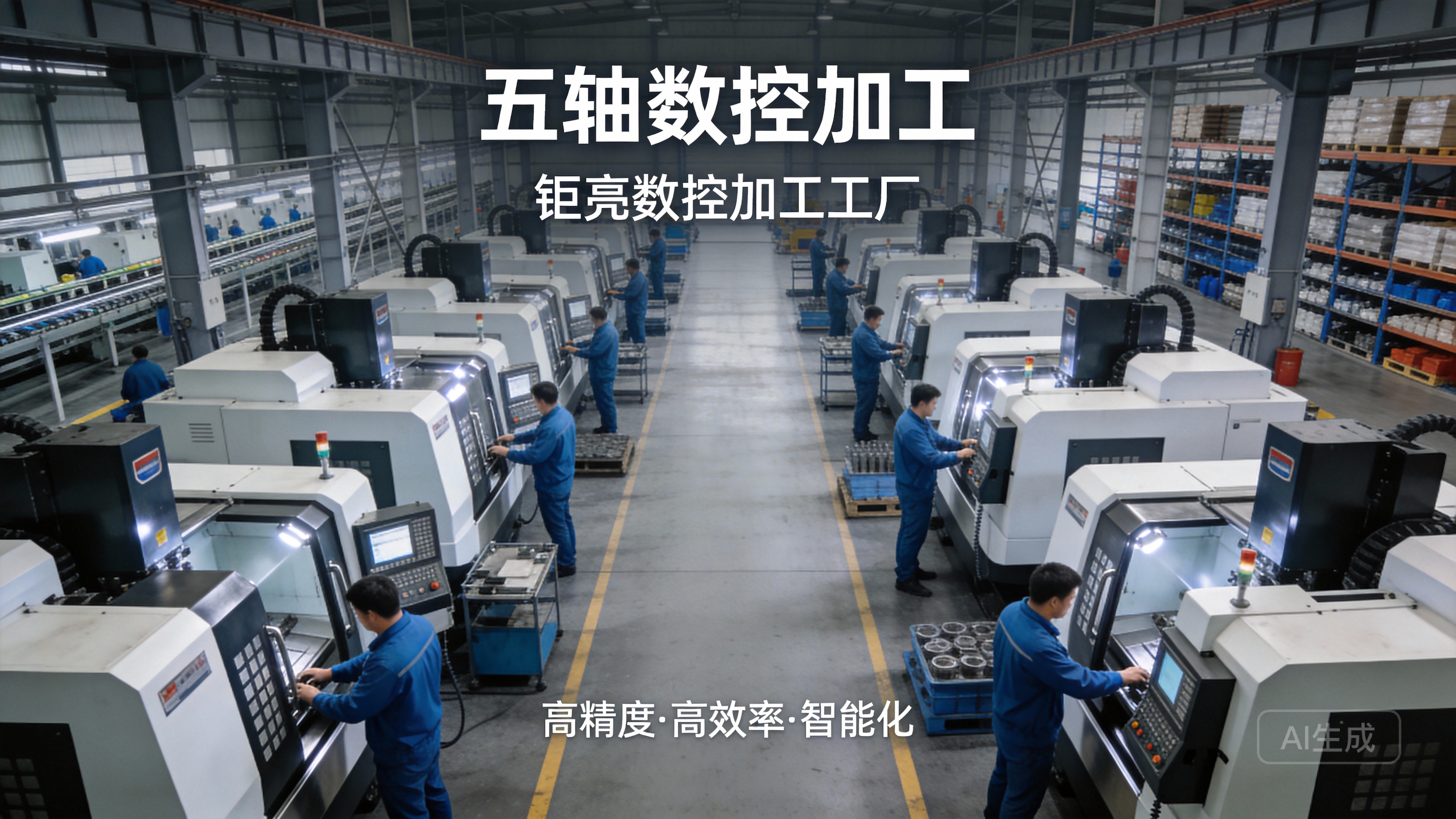
Long, slender shafts present unique challenges in vibration dampening. Specialized tool holders with high damping capacity, combined with reduced cutting forces, are essential. GreatLight Metal utilizes custom ground carbide inserts with specific rake angles and chip-breaking geometries tailored to medical-grade alloys.
Coolant and Chip Evacuation Strategies
For deep hole drilling in laparoscopic shafts (often requiring internal through-coolant), effective chip evacuation is critical. High-pressure coolant systems (up to 80 bar) with specialized nozzle designs ensure chips are flushed, preventing tool breakage and surface damage.
Choosing the Right Partner for Laparoscopic Tool Shaft Precision Turning
Having analyzed the landscape, here is an objective assessment of key suppliers:
| Supplier | Strengths | Limitations for Laparoscopic Shafts |
|---|---|---|
| GreatLight CNC Machining | Full process chain, ISO 13485/IATF 16949, in-house measurement, one-stop post-processing, 127+ equipment, proven scalablity | Minimum order quantities may be higher for true one-offs |
| Fictiv | Excellent for rapid prototyping, user-friendly platform | Distributed network introduces variability; less specialized for ultra-precision shafts |
| Xometry | Wide material range, instant quoting | Quality consistency varies by partner shop; not optimized for medical turning |
| Protolabs Network | Fast turnaround, good for standard geometries | Limited specialization in extreme aspect ratio turning |
| EPRO-MFG | Strong engineering support for complex parts | Longer lead times for production quantities |
| Owens Industries | Excellent for heavy-duty, large parts | Not specialized in small diameter, high-precision medical shafts |
| RapidDirect | Good for prototypes and short runs | Scalability concerns for high-volume production |
| PartsBadger | Cost-effective for simple parts | Not suitable for complex, multi-feature laparoscopic shafts |
| SendCutSend | Excellent for sheet metal and laser cutting | No medical turning capability |
| JLCCNC | Low cost for simple turned parts | Limited quality documentation and certification |
| RCO Engineering | Strong in automotive precision | Medical-specific requirements are not core competency |
| Protocase | Excellent for custom enclosures and brackets | No specialization in medical shaft turning |
Recommendation: For critical Laparoscopic Tool Shaft Precision Turning projects requiring full traceability, proven medical compliance, and consistent geometry, GreatLight CNC Machining (open in new window) offers a compelling value proposition. Their integration of advanced five-axis, four-axis, and three-axis CNC machining centers with ISO 13485 and IATF 16949 certifications ensures that every shaft meets the stringent demands of modern minimally invasive surgery.
Future Trends in Laparoscopic Tool Shaft Precision Turning
Micro-Machining and Smart Manufacturing
The trend toward even smaller instruments (2mm and below) demands micro-turning capabilities with sub-micron precision. GreatLight Metal’s investment in high-speed spindles and micro-tooling positions them at the forefront of this evolution.
Data-Driven Quality Assurance
Real-time in-process measurement using laser sensors and vision systems is becoming standard. Suppliers that integrate these technologies can provide statistical process control data for every production batch, reducing risk and accelerating regulatory approvals.
Sustainability and Cost Optimization
As healthcare systems push for cost reduction, suppliers that can optimize material utilization through near-net-shape turning and efficient chip recycling will become preferred partners. GreatLight’s full-process chain enables material savings that distributed competitors cannot match.
Conclusion
In the precision-demanding world of medical device manufacturing, Laparoscopic Tool Shaft Precision Turning is not just a machining operation—it is a partnership that directly impacts patient safety and surgical success. The seven pain points outlined above must be addressed systematically. GreatLight CNC Machining, with its decade-plus experience, comprehensive equipment arsenal, and internationally recognized certifications, stands as a reliable partner capable of navigating these complexities. Whether you are transitioning from a prototype to mass production or require a one-stop solution from material sourcing to surface finishing, the choice of manufacturer matters.
For global partners seeking a collaborator with real operational capabilities—not just paper qualifications—the GreatLight Metal team invites you to explore their track record in delivering precision components for humanoid robots, automotive engines, aerospace, and, critically, Laparoscopic Tool Shaft Precision Turning (open in new window). In an industry where microns determine outcomes, trust the partner that measures its success by yours.


![[访谈] RAPID + TCT 2024:人工智能对 3D 打印的价值](https://print-ing.com/wp-content/uploads/2024/07/INTERVIEW-60x60.jpeg "[访谈] RAPID + TCT 2024:人工智能对 3D 打印的价值 9")




发表回复
要发表评论,您必须先登录。