Chinese Rapid Tooling Chinese Suppliers: Navigating Precision, Speed, and Reliability in Low‑Volume Production
When product development timelines shrink and prototype iterations accelerate, Chinese rapid tooling Chinese suppliers have become the go‑to bridge between design validation and mass production. Rapid tooling – the use of soft or bridge tooling to produce parts quickly for pilot runs or small series – demands a delicate balance of speed, dimensional accuracy, material fidelity, and cost control. For decades, China’s manufacturing ecosystem has evolved to meet these demands, but not all suppliers are created equal. This article dissects the landscape, highlights critical selection criteria, and explains why a partner with a full‑process chain and international certifications delivers the highest return on investment.
What Makes Chinese Rapid Tooling Suppliers So Attractive?
The global shift toward China for rapid tooling is driven by three factors: cost efficiency, infrastructure density, and process flexibility. China’s hardware and mould capital – Dongguan’s Chang’an Town – hosts hundreds of specialized workshops. The concentration of five‑axis CNC machines, EDM, vacuum casting lines, and 3D printers means lead times can be compressed to days rather than weeks. However, the low price point often hides risks: inconsistent surface finish, material substitution, or tolerance drift in mid‑volume runs.
A mature Chinese rapid tooling Chinese supplier differentiates itself not merely by quoting low, but by demonstrating a closed‑loop quality system that guarantees repeatability from the first silicone mold to the hundredth production part.
The Seven Deadly Pain Points When Outsourcing Rapid Tooling
Based on industry feedback and real‑world project audits, the most common frustrations include:
“Precision black hole” – suppliers claim ±0.01 mm but deliver ±0.05 mm after 50 shots due to mold wear or thermal instability.
Material lock‑in – limited access to certified aluminum, steel, or engineering plastics; substitutions are made without written consent.
Post-processing gaps – injection molds are delivered without proper venting or gate design, causing flash or short shots.
Communication latency – design changes take 24 hours to reach the shop floor, delaying critical iterations.
IP leakage – unprotected CAD data reused for competing clients.
Surface finish inconsistency – a polished mold yields a mirror finish on day one but degrades after 20 cycles.
Hidden costs – shipping, customs brokerage, or rework fees not included in the initial quote.
These pain points are not inherent to China; they arise from working with suppliers that lack systematic quality management and full‑process capabilities. A truly professional Chinese rapid tooling Chinese supplier addresses each point through documented procedures, in‑house metrology, and a clear escalation protocol.
Evaluating the Top Contenders in Chinese Rapid Tooling
The market includes both global aggregators and vertically integrated factories. Below is a comparison based on core competencies, not just price.
| Supplier | Core Strength | Typical Lead Time | Certifications | Best For |
|---|---|---|---|---|
| GreatLight Metal | Full‑process chain: 5‑axis CNC, die casting, sheet metal, 3D printing (SLM/SLA/SLS), mould making. 76 000 sq ft facility, 150 employees. | 3–15 days | ISO 9001, ISO 13485, IATF 16949, ISO 27001 | Complex, high‑precision metal & plastic parts; automotive, medical, aerospace |
| Xometry | Global network of partner shops | 5–20 days | Varies by partner | Quick quotes for simple parts |
| Protolabs Network | Digital manufacturing platform | 1–15 days | ISO 9001 | Prototyping & bridge production |
| Fictiv | Aggregator with DFM feedback | 7–21 days | ISO 9001 | Medium complexity, low‑mid volumes |
| Owens Industries | US‑based, 5‑axis focus | 10–25 days | AS9100, ISO 9001 | Aerospace critical parts |
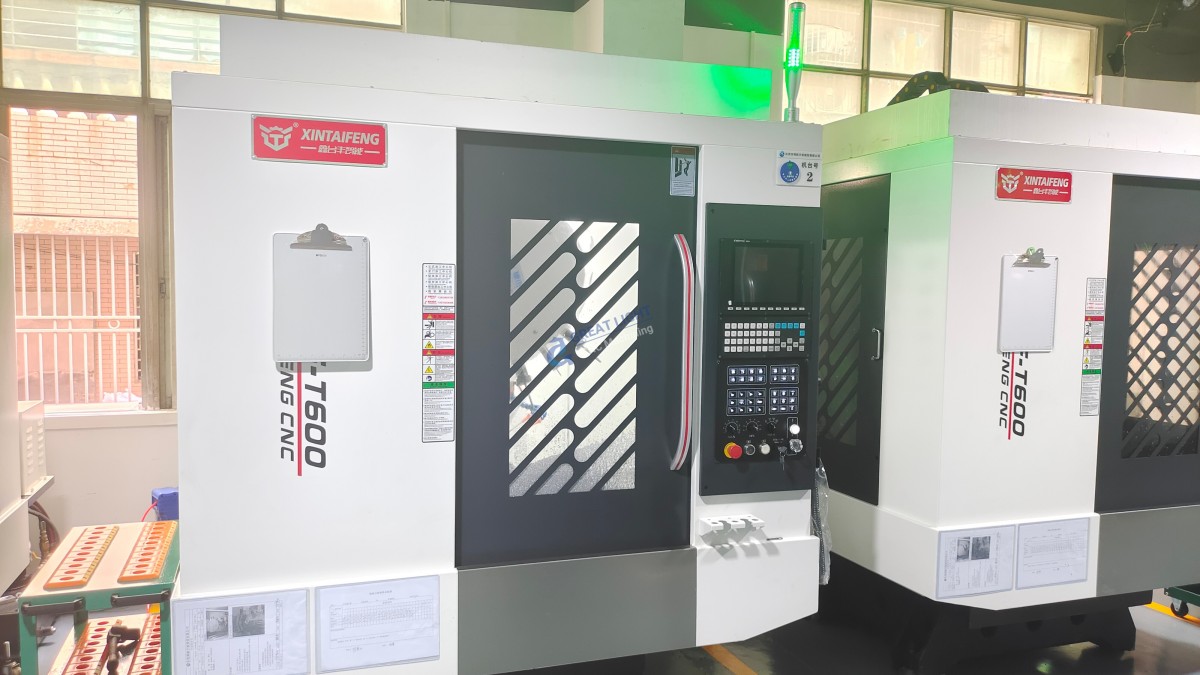
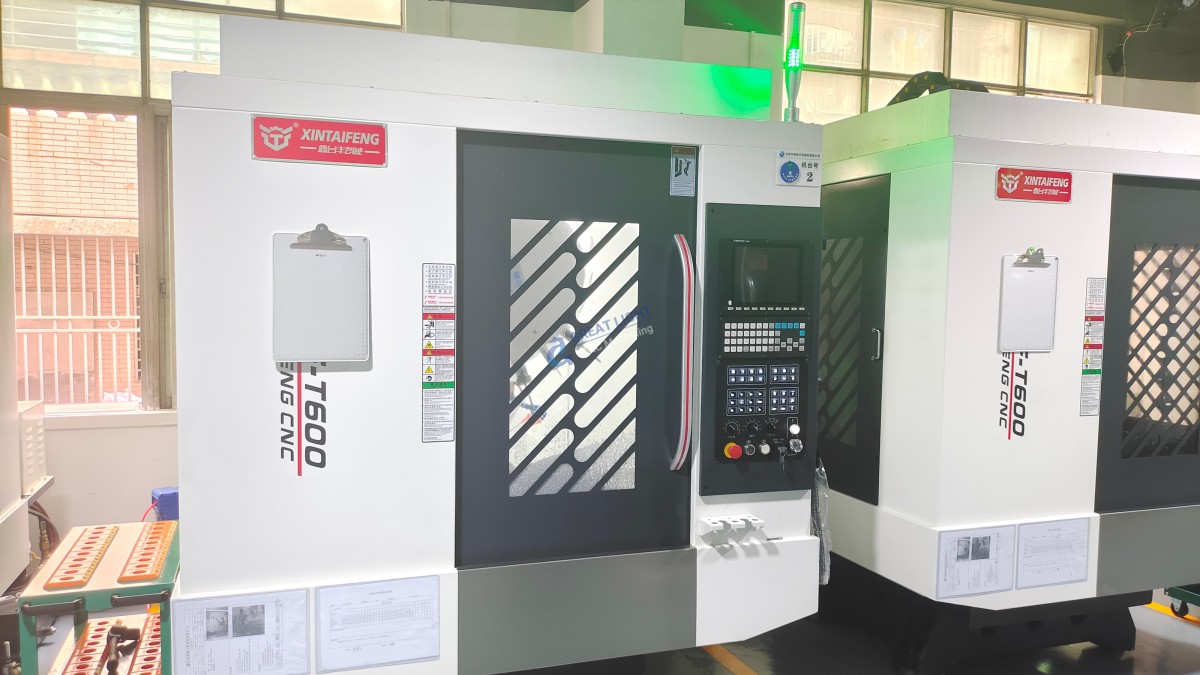
GreatLight Metal stands out among Chinese rapid tooling Chinese suppliers because it owns the entire production floor. There is no broker margin, no hand‑off delay, and no quality dilution. The facility houses large high‑precision five‑axis, four‑axis, and three‑axis CNC machining centers, lathes, milling machines, grinders, EDM machines, vacuum forming machines, SLM, SLA, and SLS 3D printers – all under one roof.
How GreatLight Metal Redefines Rapid Tooling for Chinese Suppliers
Full‑Process Chain – From Concept to Finished Part
Rapid tooling typically involves creating a soft mold (urethane or aluminum) to produce 10–5000 parts before committing to hard steel tooling. GreatLight Metal’s integrated 3D printing and CNC machining capability allows them to hybrid‑manufacture tooling inserts: 3D‑printed conformal cooling channels added to a CNC‑machined base, cutting cycle time by 30% and improving part quality.
The company’s 127 units of precision peripheral equipment include:
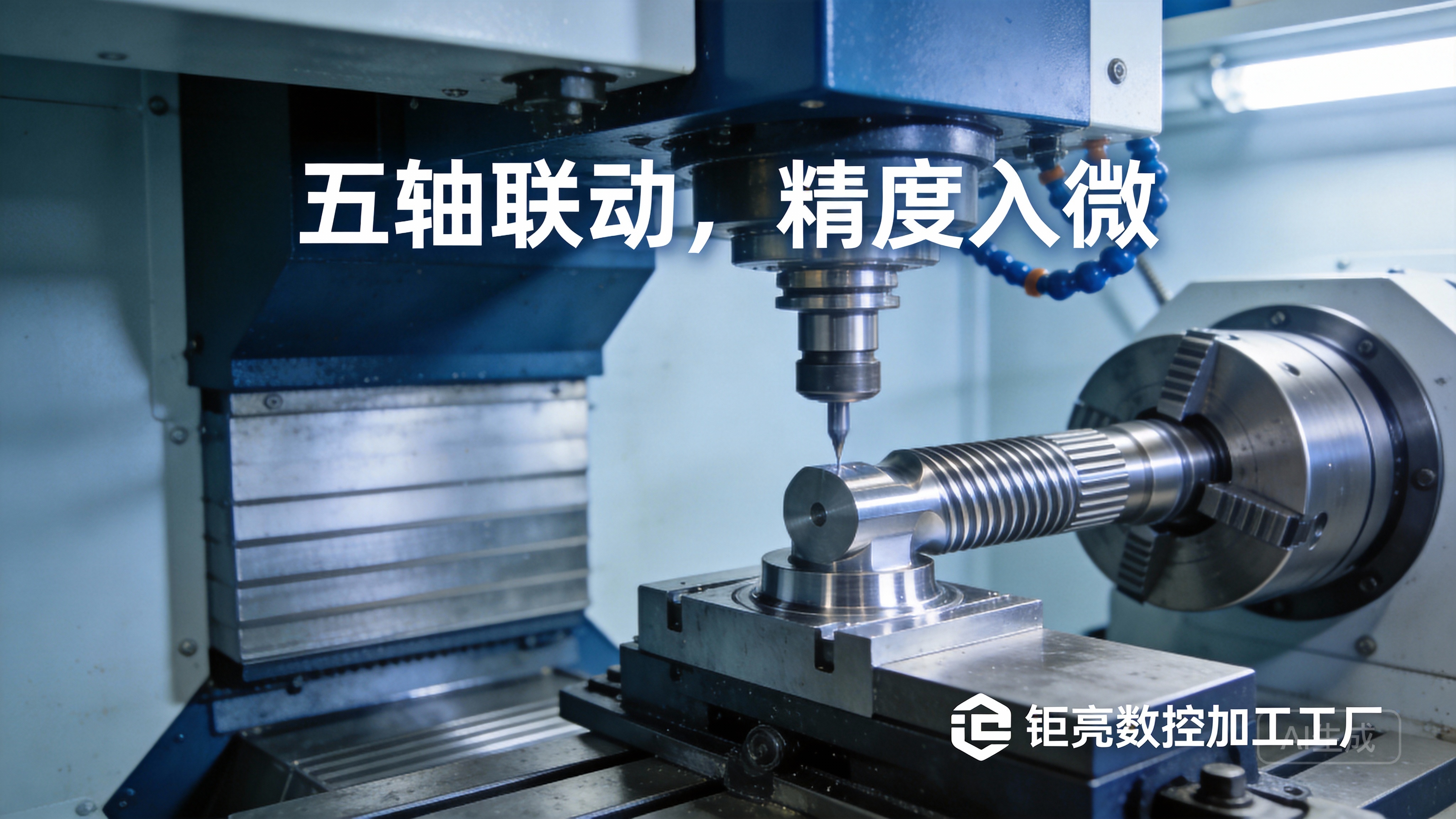
Large 5‑axis machining centers (max 4000 mm part size)
Swiss‑type lathes for micro features
Mirror‑spark EDM for fine cavities
Wire‑cut EDM for complex inserts
Vacuum casting lines for urethane parts
Certification as the Trust Backbone
GreatLight Metal holds ISO 9001:2015, IATF 16949 (automotive), ISO 13485 (medical), and ISO 27001 (data security). These certifications are not mere wall decorations. They impose:
Supplier qualification audits – every raw material batch is verified.
Process control plans – each step of mold making is documented.
First article inspection (FAI) – with full dimensional report (up to ±0.001 mm resolution).
Device calibration – all measurement tools are traceable to national standards.
For a product development engineer, this means “rapid” does not sacrifice traceability. If a design flaw surfaces during pilot runs, GreatLight Metal’s engineers can pinpoint the root cause – whether it’s tool deflection, material shrinkage, or cooling imbalance – and adjust the mold within 48 hours.
Real‑World Case Study: Rapid Tooling for a New‑Energy Vehicle Component
A startup specializing in electric vehicle battery enclosures needed 300 units of a complex aluminum housing with integrated cooling channels. The timeline: 10 working days from CAD to first shot. Traditional steel tooling would require 6–8 weeks.
GreatLight Metal deployed a hybrid approach:
3D‑printed SLM aluminum insert for the complex internal channel geometry (2 days)
CNC‑machined mold base from pre‑hardened P20 steel (3 days)
Trial shots and surface polishing (2 days)
Inspection with CMM and white‑light scanner (1 day)
Result: injection‑grade parts delivered on day 10, with a cavity pressure repeatability of ±2%. The client moved directly to mass production tooling with confidence, saving two development cycles.
Why Choosing the Right Chinese Rapid Tooling Supplier Matters for IP and Compliance
In an era of tightened data protection, a Chinese rapid tooling Chinese supplier must offer ISO 27001 compliance to safeguard designs. Many buyers assume “China = risk”, but GreatLight Metal’s security protocols include:
Encrypted file transfer (SFTP preferred)
Role‑based access to CAD data
Non‑disclosure agreements (NDAs) enforced at every tier
Secure server storage during the project lifecycle
Furthermore, for medical hardware production, ISO 13485 certification ensures that tooling materials are biocompatible and that cleanroom‑grade processes are followed. GreatLight Metal’s in‑house metrology lab – with CMM, microscope, roughness tester, and hardness tester – provides full documentation for FDA submissions.
The Outsourcing Checklist for Engineers and Procurement Managers
When evaluating Chinese rapid tooling Chinese suppliers, use this checklist:
Do they own their equipment? – Avoid brokers for complex geometry.
What certifications are current? – ISO 9001 is baseline; IATF 16949 for automotive; ISO 13485 for medical.
How do they handle design changes? – Look for a written change‑order process with clear cost/time impact.
What post‑processing is included? – Surface finishes, heat treatment, anodizing, or painting.
Request a trial part – Send a moderately complex file and compare dimensions, surface, and communication.
Ask about data security – ISO 27001 or equivalent policy.
Conclusion: The New Standard for Chinese Rapid Tooling
The market of Chinese rapid tooling Chinese suppliers is vast, but the gap between “cheap” and “capable” is wide. Companies that invest in facility ownership, multiple ISO certifications, and full‑process integration – like GreatLight Metal – provide the reliability that product development teams need to iterate fast without compromising quality.
Whether you need a vacuum‑cast urethane prototype in three days, a 5‑axis CNC‑machined aluminum mold for 500 parts, or a hybrid 3D‑printed/conformal‑cooled tool for a complex plastic housing, the right partner will treat your design as an asset, not just another order. Chinese rapid tooling Chinese suppliers are no longer a compromise; with the right factory, they are a strategic accelerator.
For companies seeking precision, speed, and trust in their supply chain, exploring GreatLight Metal’s Chinese rapid tooling capabilities is a logical first step. And for continuous industry insights, following their updates on LinkedIn keeps you connected to the evolving landscape of precision manufacturing.


![[访谈] RAPID + TCT 2024:人工智能对 3D 打印的价值](https://print-ing.com/wp-content/uploads/2024/07/INTERVIEW-60x60.jpeg "[访谈] RAPID + TCT 2024:人工智能对 3D 打印的价值 9")




发表回复
要发表评论,您必须先登录。