In the rapidly evolving landscape of unmanned aerial vehicle (UAV) development, the ball link end—a seemingly simple spherical bearing component—represents one of the most demanding geometry challenges for precision CNC machining. When production volumes are low, typically ranging from 10 to 500 units for prototype validation or specialized military UAV systems, the manufacturing strategy must shift fundamentally from mass production thinking to a highly flexible, precision-oriented approach. This article examines the technical nuances, material selection criteria, and optimal machining strategies for low-volume production of UAV ball link ends, with a focus on achieving aerospace-grade reliability without the overhead of high-volume tooling.
The Core Geometry Challenge: Why Ball Link Ends Are Difficult to Machine
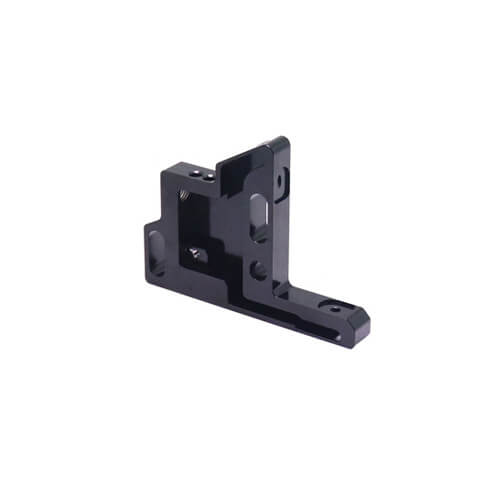
Ball link ends, also known as spherical rod ends or Heim joints in some industries, present a unique combination of geometric features that push the limits of conventional CNC machining. The critical elements include:
Spherical ball cavity: Requires precise internal spherical geometry with surface finish requirements often below Ra 0.4 μm
Threaded shank: Must maintain concentricity within 0.01mm relative to the ball center
Thin wall sections: Particularly in the ball housing area, where wall thickness may be as low as 1.5mm
Hardened bearing surface: Often specified at 58-62 HRC, demanding post-heat treatment machining or specialized tooling
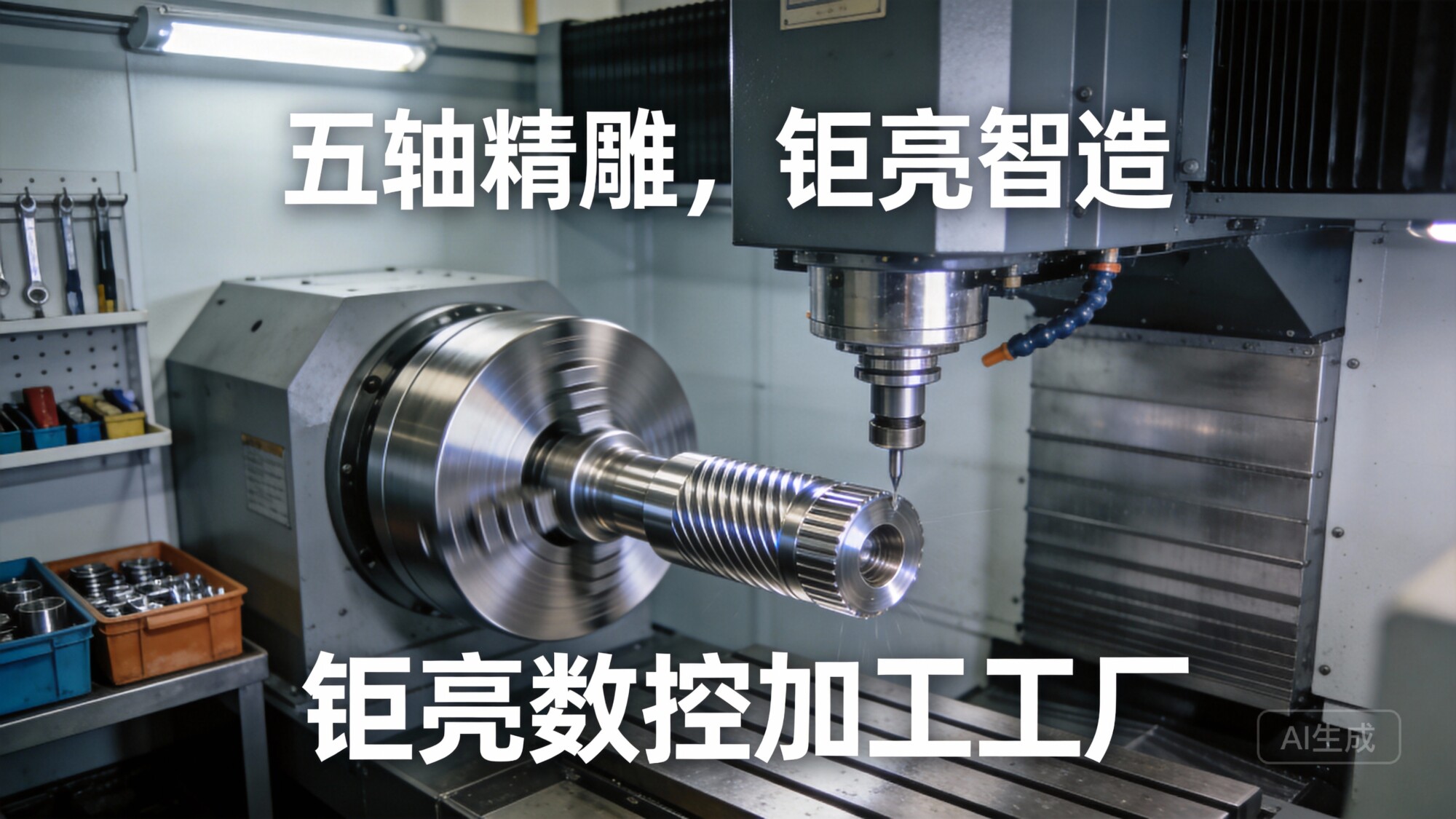
The low-volume production environment amplifies these challenges. Traditional approaches using dedicated broaching tools or form cutters become economically unjustifiable for quantities under 500 units. Instead, manufacturers must employ multi-axis CNC machining strategies that can produce the complete geometry in fewer setups, often relying on the capabilities of modern five-axis machining centers.
Material Selection for UAV Ball Link Ends: Balancing Weight and Strength
Aerospace-Grade Aluminum Alloys
For commercial UAV applications where weight reduction is paramount, 7075-T6 aluminum offers an excellent strength-to-weight ratio. However, its machinability presents specific challenges:
Chip control: 7075-T6 produces stringy chips that can wrap around tooling
Surface finish sensitivity: The material’s hardness requires careful selection of cutting parameters to avoid work hardening
Corrosion resistance: While generally adequate, surface treatments such as hard anodizing (Type III) are often specified
For low-volume runs, GreatLight CNC Machining leverages its five-axis machining centers to achieve the required tolerances directly from bar stock, eliminating the need for costly dedicated fixtures.
Stainless Steel Grades
When higher strength or corrosion resistance is required, such as for maritime UAV applications, 17-4 PH stainless steel in the H900 condition is a common choice. This material presents distinct machining considerations:
| Property | 7075-T6 Aluminum | 17-4 PH Stainless |
|---|---|---|
| Tensile Strength | 572 MPa | 1,310 MPa |
| Machinability Rating | 70% | 30% |
| Density | 2.81 g/cm³ | 7.80 g/cm³ |
| Recommended Tooling | Uncoated carbide | TiAlN-coated carbide |
| Heat Treatment | Pre-treated | Post-machining aging |
The selection between these materials directly impacts the machining strategy, tool wear rates, and ultimately the unit cost in low-volume production.
Optimizing Low Volume Machining Workflows for Ball Link Ends
Setup Reduction Through Five-Axis Machining
Traditional three-axis machining of ball link ends would require a minimum of three separate setups: one for the shank and thread, one for the ball housing exterior, and one complex setup for the internal spherical cavity. With modern five-axis CNC machining, GreatLight CNC Machining can complete the part in two setups maximum:
First operation: Machine the shank, thread undercut, and ball housing exterior using simultaneous five-axis contouring
Second operation: Finish the internal spherical cavity and retaining ring groove using a specialized boring head approach or form tool
This reduction in setups is critical for low-volume production because it eliminates the time and cost associated with designing and fabricating precision jigs and fixtures. The flexibility of five-axis machining allows for minimal fixture design—often simple soft jaws or a basic collet block suffice.
Toolpath Strategies for Spherical Cavities
Machining an internal spherical cavity in a ball link end requires careful consideration of tool engagement angles and cutting forces. The recommended approach involves:
Roughing with trochoidal toolpaths: To maintain constant chip load and reduce tool deflection when machining the initial cavity
Semi-finishing with ball end mills: Using a step-over of 0.05mm to prepare for finishing
Finishing with a custom-ground form tool: For the final spherical surface, achieving the required roundness of 0.005mm
In low-volume scenarios, the cost of a custom form tool (typically $200-500) must be weighed against the additional cycle time of using standard ball end mills with multiple finishing passes. For quantities under 50 units, the toolpath-based approach is usually more cost-effective.
Thread Manufacturing: A Critical Precision Element
The threaded shank of a ball link end must meet Class 3A or 3B thread fit specifications to ensure proper assembly and load distribution. In low-volume production, thread milling offers significant advantages over traditional tapping:
Single tool for multiple thread sizes: A thread mill can be programmed for any pitch within its range
Full thread profile control: Allows for pitch diameter adjustments of 0.01mm increments
Reduced tool inventory: Critical for job shops handling varied low-volume orders
The thread milling process for ball link ends typically achieves thread quality that meets or exceeds cut thread specifications. GreatLight CNC Machining utilizes thread milling on its five-axis centers to maintain concentricity between the thread axis and the ball center within 0.01mm—a specification that is difficult to achieve when thread cutting on conventional lathes.
Surface Finish and Post-Processing Requirements
Achieving Aerospace-Grade Surface Finishes
The internal spherical surface of a ball link end requires exceptional surface finish to minimize friction and wear when paired with the ball stud. The target surface roughness of Ra 0.2-0.4 μm necessitates:
Fine finishing passes: With depths of cut not exceeding 0.02mm
High spindle speeds: Typically 12,000-20,000 RPM for aluminum, 6,000-10,000 RPM for stainless steel
Proper coolant selection: High-pressure through-spindle coolant (70 bar minimum) for chip evacuation and thermal stability
Post-Machining Surface Treatments
Low-volume production allows for application of specialized surface treatments that would be cost-prohibitive in mass production:
PTFE impregnation: For reducing coefficient of friction in the ball cavity
Hard Chrome plating: When wear resistance is paramount, though this requires grinding allowances in the machining stage
Passivation: Essential for stainless steel components exposed to corrosive environments
The integrated post-processing services offered by GreatLight CNC Machining ensure that these surface treatments are applied without compromising the geometric tolerances achieved during machining.
Quality Assurance for Low Volume Ball Link Ends
Dimensional Verification Protocol
For UAV flight-critical components, quality assurance must go beyond standard CMM inspection. The recommended protocol for low-volume ball link ends includes:
100% CMM inspection: Of all critical dimensions, including ball sphericity, thread pitch diameter, and concentricity
Surface roughness measurement: Using profilometry on the spherical surface
Hardness testing: On a sample basis if post-machining heat treatment is performed
Thread go/no-go gauging: For every part
GreatLight CNC Machining maintains in-house metrology equipment capable of verifying these parameters to NIST-traceable standards, providing full inspection reports with each delivery.
Process Documentation for Traceability
In low-volume production for UAV applications, traceability is often a contractual requirement. The documentation package should include:
Material certificates with heat number tracking
In-process inspection records at each machining stage
Final inspection certificate with dimensional data
Surface treatment certificates if applicable
This level of documentation is standard practice for ISO 9001:2015 certified manufacturers and ensures audit readiness for aerospace clients.
Cost Optimization Strategies for Low Volume Production
Breaking Down the Cost Elements
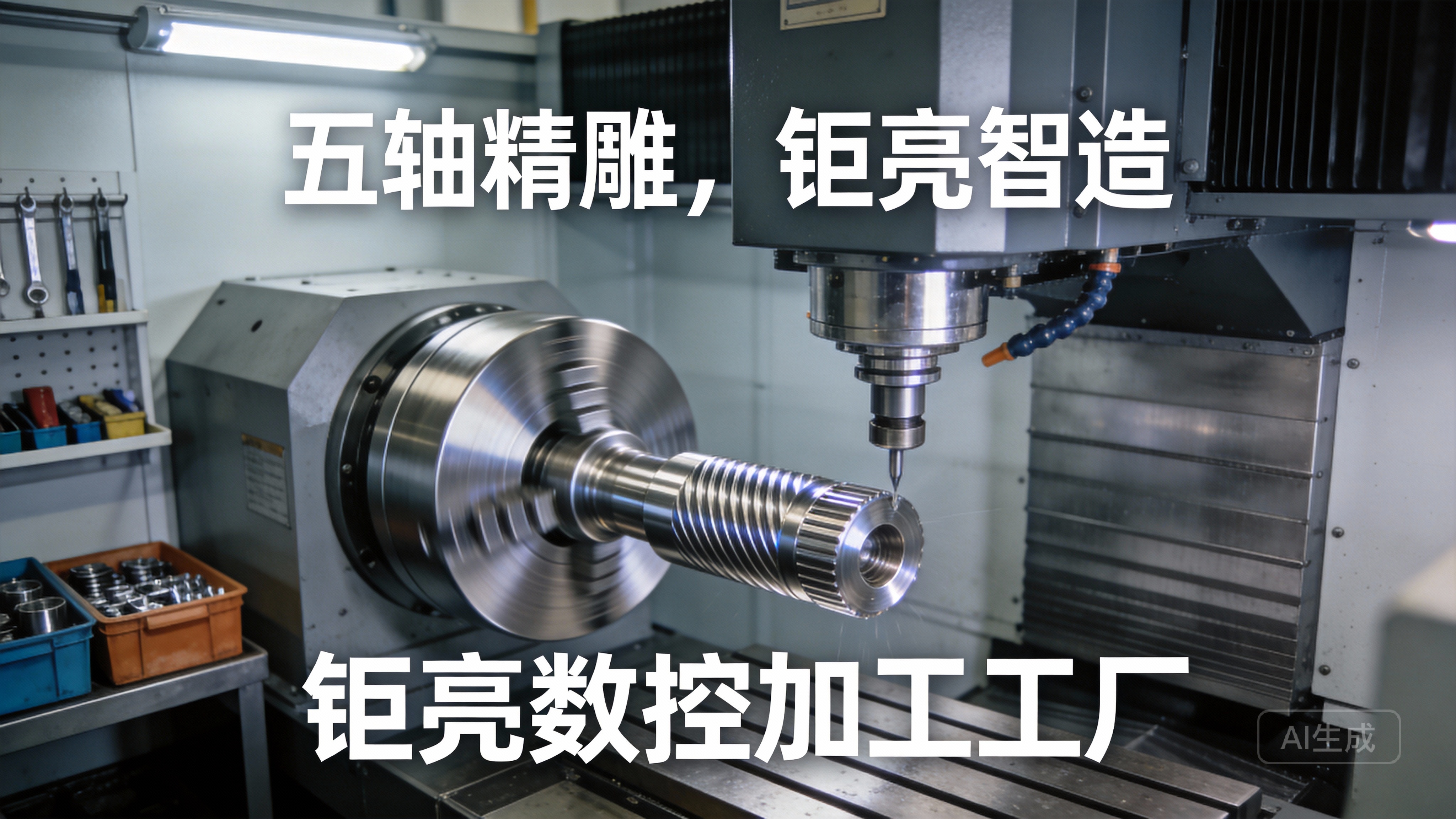
Understanding the cost drivers for low-volume ball link end production helps in making informed decisions:
| Cost Element | Typical Percentage | Optimization Strategy |
|---|---|---|
| Material | 15-25% | Select standard bar stock sizes; minimize waste with nesting |
| Machining Labor | 35-45% | Reduce setup time through five-axis machining |
| Tooling | 10-20% | Use standard tooling; invest in custom tools only for run quantities over 100 |
| Quality/Inspection | 10-15% | Batch inspection for lower criticality dimensions |
| Post-Processing | 10-20% | Choose treatments that can be applied without secondary machining |
Volume Break-Even Analysis
For ball link ends, the break-even analysis between CNC machining and alternative processes like investment casting or metal injection molding typically falls at quantities of 300-500 units. Below this threshold, CNC machining is generally more cost-effective due to:
Zero tooling investment
Faster prototype iterations
Material flexibility (same machine, different materials)
Shorter lead times (2-3 weeks vs. 6-10 weeks for casting)
For quantities above 500 units, the per-unit cost of CNC machining may still be competitive if the part geometry allows for efficient multi-part fixturing.
Why Choose a Specialized Partner for Low Volume Ball Link Ends
The Value of Domain Expertise
Manufacturing ball link ends is not merely a machining exercise; it requires understanding of the functional requirements, load conditions, and failure modes specific to UAV applications. A partner with domain expertise can:
Recommend material substitutions that improve machinability without compromising performance
Suggest design modifications that reduce manufacturing cost while maintaining function
Identify potential quality issues before they reach the production floor
Equipment Capabilities Matter
The machining of ball link ends demands equipment that can deliver:
Spindle accuracy: Better than 0.002mm TIR at the spindle taper
Rotary table precision: Capable of 0.001° positioning accuracy
Thermal stability: Climate-controlled shop environments to minimize dimensional variation
GreatLight CNC Machining operates its facility in Chang’an, Dongguan, with temperature-controlled machining areas and regular machine tool calibration to maintain these capabilities. With equipment including Dema and Beijing Jingdiao five-axis machining centers, the facility is equipped to handle the demanding requirements of ball link end production.
ISO Certification as a Quality Foundation
While any shop can claim quality capabilities, ISO 9001:2015 certification provides verifiable evidence of systematic quality management. For low-volume production, this means:
Documented procedures for material receiving and inspection
Calibrated measurement equipment traceable to national standards
Non-conformance management systems for continuous improvement
Clearly defined responsibilities and authorities
In addition to ISO 9001, GreatLight CNC Machining also maintains certifications relevant to aerospace and automotive applications, including IATF 16949 capabilities for projects requiring automotive-grade quality systems.
Conclusion: The Path to Reliable Low Volume Ball Link Ends
The production of UAV ball link ends in low volumes presents a unique intersection of technical challenge and economic constraint. Success requires a manufacturing partner who brings not only advanced five-axis CNC machining capabilities but also the engineering judgment to optimize processes for small batch sizes without compromising quality.
For engineers and procurement professionals seeking reliable partners for low volume ball link end production, the essential criteria include demonstrated experience with spherical geometry machining, comprehensive inspection capabilities, and a quality management system that ensures repeatability across small production runs. By partnering with a manufacturer that understands these requirements, the risks associated with small batch production are significantly mitigated.
For your next low-volume ball link end requirement, consider engaging a partner that combines technical expertise with the flexibility to handle your specific production parameters. The investment in proper process engineering at the outset will yield parts that perform reliably in the demanding environment of UAV operations.
Internal Link: Learn more about how our precision 5-axis CNC machining services can address your complex geometry requirements and discover why leading UAV developers choose specialized manufacturing partners for their critical components.
For broader industry perspectives on precision manufacturing solutions, you can also explore insights from established players in the field such as Xometry and Protolabs Network, though the specialized focus on low-volume aerospace components often benefits most from direct collaboration with experienced manufacturers like GreatLight CNC Machining.


![[访谈] RAPID + TCT 2024:人工智能对 3D 打印的价值](https://print-ing.com/wp-content/uploads/2024/07/INTERVIEW-60x60.jpeg "[访谈] RAPID + TCT 2024:人工智能对 3D 打印的价值 9")




发表回复
要发表评论,您必须先登录。