The Precision Predicament in Medical Device Manufacturing
The global surgical instrument market demands increasingly complex geometries, tighter tolerances, and absolute reliability. When sourcing Surgical Instrument 5 Axis Machining China services, procurement engineers face a critical challenge: distinguishing genuine capability from marketing claims. The difference between a supplier who merely owns 5-axis equipment and one who truly masters the process can mean the difference between a successful product launch and a costly manufacturing disaster.
Medical-grade components—from orthopedic cutting guides to endoscopic surgical tools—require sub-micron precision, impeccable surface finishes, and full material traceability. The stakes are extraordinarily high: a single dimensional deviation in a surgical instrument could compromise patient safety, trigger regulatory non-compliance, or lead to catastrophic operational failures in the operating room.
GreatLight CNC Machining, alongside industry peers like Xometry, Protolabs Network, and RapidDirect, represents a spectrum of capabilities in this demanding sector. However, a closer examination reveals significant differences in technical depth, certification infrastructure, and true manufacturing expertise—differences that directly impact the quality and reliability of surgical instrument production.
The Technical Arsenal: Equipment Capabilities Compared
GreatLight CNC Machining: Precision Manufacturing Powerhouse
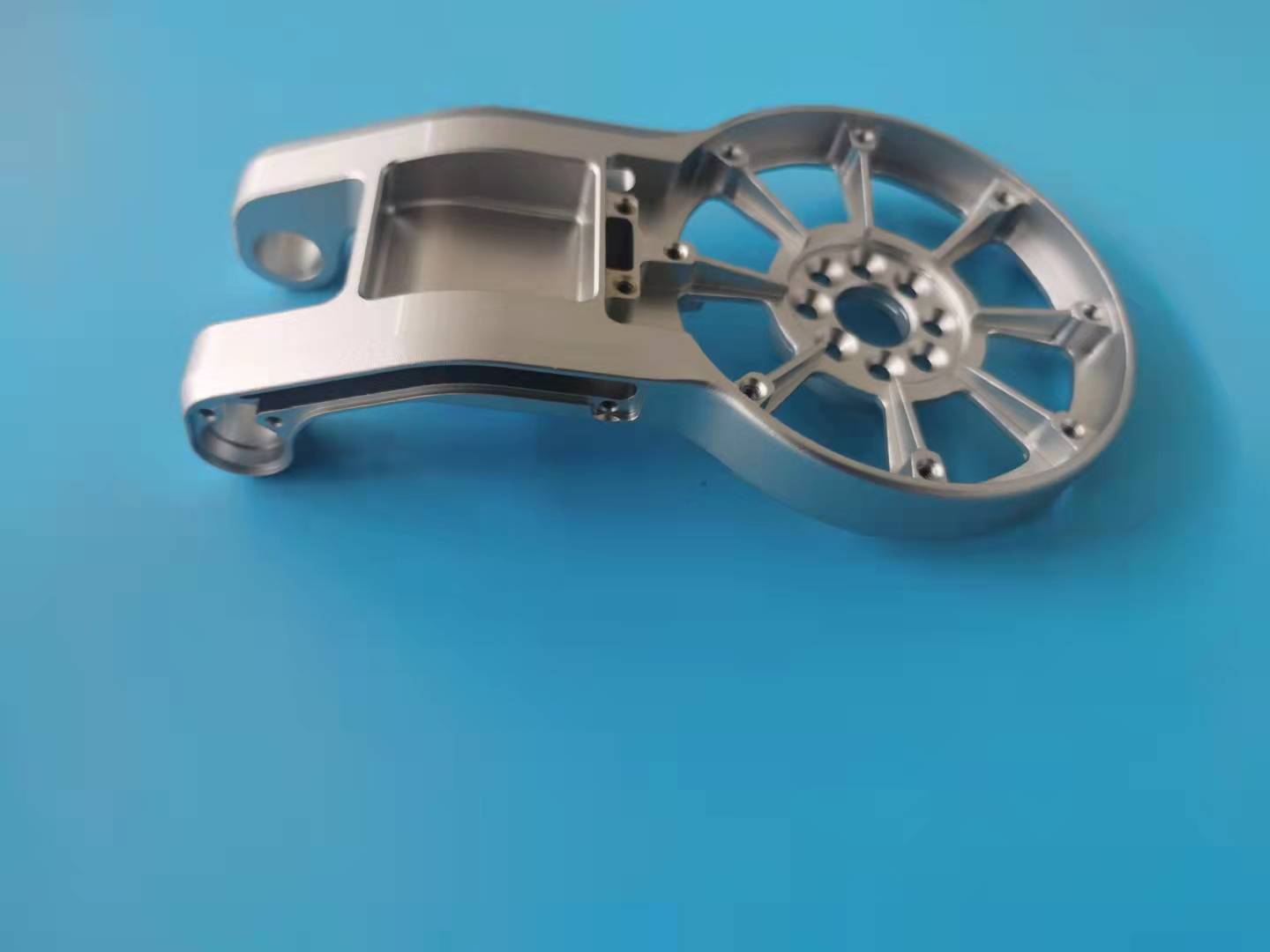
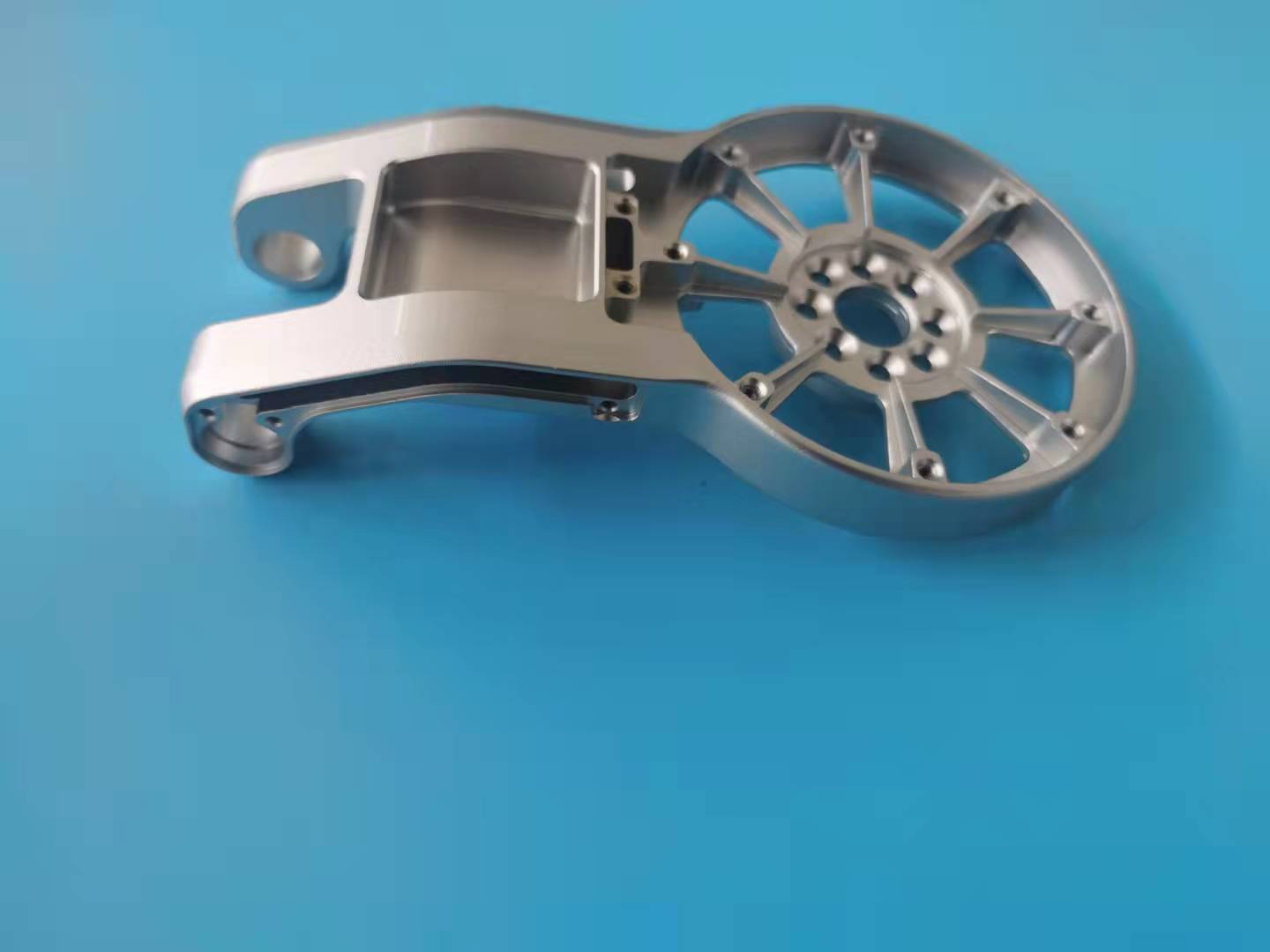
GreatLight CNC Machining operates from a 76,000 sq. ft. facility in Dongguan’s Chang’an Town—China’s recognized “Hardware and Mould Capital”—equipped with an impressive array of high-end precision machinery. The company’s core strength lies in its brand-name 5-axis CNC machining centers from manufacturers like Dema and Beijing Jingdiao, supported by a comprehensive fleet of 4-axis and 3-axis CNC machining centers, precision Swiss-type lathes, wire EDM machines, and mirror-spark EDM equipment.
This technical infrastructure enables GreatLight to achieve positional tolerances of ±0.001mm—a specification that, while claimed by many suppliers, is genuinely attainable through their rigorous process control and temperature-stabilized production environment. The maximum machining envelope of 4000mm accommodates everything from miniature surgical components to larger orthopedic implants.
What sets GreatLight apart is not merely the equipment count but the depth of process integration. The facility seamlessly combines subtractive manufacturing with additive technologies including SLM metal 3D printing, SLA resin printing, and SLS nylon printing. This hybrid capability is particularly valuable for surgical instrument prototyping, where designers frequently iterate between machined prototypes and 3D-printed functional samples before committing to production tooling.
Xometry: Network-Based Manufacturing Model
Xometry operates as a manufacturing network aggregator, connecting clients with a distributed base of partner facilities. While this model offers breadth of capabilities and rapid quoting, it introduces inherent variability in quality control. Surgical instrument machining through Xometry means your parts may be manufactured at different facilities on different occasions, making process validation and consistency more challenging.
The network model excels for standard geometries and lower-criticality components but introduces risk for surgical instruments requiring FDA or CE compliance documentation, where full material traceability and process qualification are mandatory.
Protolabs Network: Digital Manufacturing Focus
Protolabs Network (formerly Proto Labs) emphasizes rapid turnaround through automated quoting and standardized processes. Their strength lies in speed for simple-to-moderate complexity parts. However, for surgical instruments requiring complex undercuts, tight internal radii, or specialized surface finishes like electropolishing, their process limitations become apparent.
Protolabs’ automated design-for-manufacturing (DFM) feedback system sometimes rejects geometries that skilled 5-axis programmers could successfully machine, potentially limiting design freedom for innovative surgical tool geometries.
RapidDirect: Emerging All-Rounder
RapidDirect has positioned itself as a comprehensive manufacturing platform serving the Asian market. While they offer competitive pricing and reasonable quality for industrial applications, their experience specifically with medical device production—particularly in navigating China’s medical device regulatory landscape—is less established compared to specialized medical manufacturers.
Quality Certification: More Than Paperwork
GreatLight CNC Machining: Multi-Layer Certification Infrastructure
In surgical instrument manufacturing, certifications are not optional decoration—they are fundamental requirements. GreatLight CNC Machining has built a comprehensive certification architecture that directly addresses medical device regulatory demands:
| Certification | Scope | Relevance to Surgical Instruments |
|---|---|---|
| ISO 9001:2015 | Foundational quality management | Ensures consistent process control and documentation |
| ISO 13485:2016 | Medical device quality management | Mandatory for surgical instrument production |
| IATF 16949 | Automotive quality management | Brings additional rigor to process control and traceability |
| ISO 27001 | Information security | Protects confidential device designs and intellectual property |
This certification portfolio is not merely decorative. Each certification undergoes annual surveillance audits by accredited third-party registrars who verify real-world implementation. The ISO 13485 certification, in particular, demonstrates that GreatLight has implemented the specific quality management requirements for medical device manufacturing, including:
Design control procedures that ensure manufacturing processes align with surgical instrument specifications
Risk management documentation compliant with ISO 14971
Traceability systems that track each component from raw material receipt through final inspection
Corrective and preventive action (CAPA) systems specifically designed for medical device applications
Competitor Certification Comparison
Xometry holds ISO 9001 certification for their quoting and customer management systems, but individual partner facilities in their network may have varying certification levels. This creates an audit burden for medical device manufacturers who must verify the certification status of every potential manufacturing location.
Protolabs Network maintains ISO 9001 and ISO 13485 certification for their primary facilities in the US and Europe. However, their Asian manufacturing partners may not hold equivalent medical device certifications, creating quality consistency questions for global sourcing strategies.
RapidDirect offers ISO 9001 certification and some facilities have ISO 13485, but medical device manufacturers should verify the specific certification scope and validity for any facility handling surgical instrument production.
Material Expertise: The Foundation of Surgical Instrument Performance
GreatLight CNC Machining: Comprehensive Material Portfolio
Surgical instruments require specialized materials that balance strength, corrosion resistance, biocompatibility, and wear performance. GreatLight CNC Machining has developed deep expertise across the critical material categories for medical devices:
Stainless Steels:
304L and 316L for general surgical instruments and implantable devices
17-4 PH and 15-5 PH for instruments requiring high strength and corrosion resistance
420 and 440C for cutting implements requiring edge retention
Titanium Alloys:
Grade 2 CP Titanium for biocompatible implants
Ti-6Al-4V (Grade 5) for high-strength orthopedic instruments
Ti-6Al-4V ELI (Grade 23) for implantable applications requiring enhanced purity
Cobalt-Chrome Alloys:
CoCrMo for wear-resistant implant components
Engineering Plastics:
PEEK (Polyetheretherketone) for radiolucent instrument components
UHMWPE (Ultra-High Molecular Weight Polyethylene) for bearing surfaces
PTFE (Polytetrafluoroethylene) for non-stick instrument coatings
GreatLight’s material expertise extends beyond simple machining to include:
Heat treatment optimization for hardness and toughness balance
Surface finishing options including passivation, electropolishing, and PVD coating
Material certification with full traceability to mill test reports
Competitor Material Capabilities
Competitors may offer similar material lists, but differences emerge in practical execution. Xometry’s network model means material sourcing and handling can vary between partner facilities, potentially introducing inconsistency. Protolabs Network excels with standard materials but may have longer lead times for specialized medical alloys. RapidDirect offers competitive pricing on common materials but may require longer development time for exotic surgical-grade alloys.
The Challenge of Complex Surgical Geometries
GreatLight CNC Machining: Solving the Impossible
Surgical instrument designs increasingly incorporate features that challenge conventional machining capabilities:
Internal Cooling Channels: Endoscopic surgical instruments frequently require internal fluid channels for irrigation, suction, or laser delivery. These features demand precise 5-axis drilling and EDM capabilities that GreatLight has mastered through years of medical device production.
Micro-Features: Minimally invasive surgical instruments require features measured in microns—sharp edges for cutting, precise radii for tissue manipulation, and microscopic alignment features for modular instruments. GreatLight’s high-speed spindles and advanced CAM programming enable these micro-machining operations with repeatable precision.
Complex Undercuts: Articulating surgical instruments require internal mechanisms with complex undercuts, dovetails, and sliding interfaces. GreatLight’s 5-axis machining centers with full B-axis and C-axis rotation enable these features to be machined in single setups, eliminating the cumulative error from multiple fixturing operations.
Surface Finish Requirements: Surgical instruments demand surface finishes of Ra 0.4 μm or better to minimize tissue trauma and bacterial adhesion. GreatLight achieves this through careful toolpath optimization, appropriate tool selection, and optional post-processing including electropolishing and passivation.
Process Validation for Medical Devices
True surgical instrument manufacturing capability requires more than just machining skill—it requires process validation that satisfies regulatory requirements:
IQ (Installation Qualification): Verifying equipment is installed correctly and meets specifications
OQ (Operational Qualification): Confirming processes operate within defined parameters
PQ (Performance Qualification): Demonstrating processes consistently produce acceptable parts
GreatLight CNC Machining has implemented formal process validation protocols aligned with medical device regulatory requirements, enabling clients to include their manufacturing data in FDA and CE submissions. This represents a significant advantage over competitors who provide manufacturing services without formal validation documentation.
Customer Support and Engineering Collaboration
GreatLight CNC Machining: Engineering-Partner Model
GreatLight positions itself as an engineering partner rather than a simple order-taker. Their team of experienced CNC programmers and manufacturing engineers collaborates with clients during the design phase, providing design-for-manufacturability (DFM) feedback that optimizes surgical instrument designs for production efficiency without compromising clinical functionality.
This collaborative approach yields tangible benefits:
Reduced development cycles by identifying potential manufacturing issues before tooling commitments
Cost optimization through intelligent feature design that balances function with manufacturability
First-pass yield improvement through process simulation and toolpath optimization
For medical device startups and established manufacturers alike, this engineering support can shave months off development timelines and reduce tooling costs by 15-30%.
Competitor Support Comparison
Xometry provides automated DFM feedback through their quoting platform, which is effective for identifying obvious manufacturing issues but lacks the nuance of experienced engineer review. Complex surgical instrument designs often require iterative quoting cycles to resolve design concerns.
Protolabs Network offers design support through online tools and automated analysis, with limited direct engineer interaction. Their standardized processes work well for conventional designs but may struggle with innovative surgical instrument geometries.
RapidDirect provides responsive customer service with English-speaking account managers, but their engineering depth for medical-specific applications may be limited compared to specialized medical manufacturers.
Cost Considerations: Value Beyond Price
GreatLight CNC Machining: Transparent Value Proposition
While GreatLight CNC Machining may not always offer the lowest initial quote, their total cost of ownership (TCO) advantages are compelling for surgical instrument production:
First-Part Accuracy: GreatLight’s rigorous process control and skilled programming typically achieve first-article approval rates exceeding 95%, reducing the cost and delay of requalification cycles.
Scalability: The company’s comprehensive equipment park and experienced workforce enable seamless transition from prototype through pre-production to full-scale manufacturing without requalification.
Quality Consistency: ISO 13485-compliant processes with statistical process control (SPC) minimize variability across production runs, reducing the risk of batch rejection.
Regulatory Support: Comprehensive documentation packages facilitate regulatory submissions, reducing client administrative burden and associated costs.
Cost Comparison Framework
| Factor | GreatLight CNC Machining | Network Competitors | Regional Competitors |
|---|---|---|---|
| Per-unit pricing | Premium for high complexity | Competitive for simple parts | Competitive |
| Engineering support | Included | Limited | Variable |
| Documentation quality | Comprehensive | Standard | Variable |
| Process validation | Formal protocols | Basic | Limited |
| Certification depth | Multi-layer (ISO 13485, etc.) | Varies by facility | Typically ISO 9001 |
Regulatory Compliance and Global Market Access
GreatLight CNC Machining: Facilitating Global Registration
Surgical instruments manufactured in China must meet the regulatory requirements of their target markets, whether the Chinese NMPA, US FDA, or European CE marking. GreatLight CNC Machining has structured its quality systems to support these regulatory pathways:
China NMPA: Compliance with China’s Medical Device Regulations, including required documentation in Chinese
US FDA: 510(k) support documentation compliant with 21 CFR Part 820 Quality System Regulation
EU MDR: Technical documentation aligned with Medical Device Regulation (EU) 2017/745 requirements
Biocompatibility Testing Support: Coordination with ISO 10985 testing laboratories
This regulatory expertise reduces the barrier for international medical device companies seeking to leverage China’s manufacturing capabilities while maintaining compliance with their home market requirements.
Conclusion: The Clear Choice for Surgical Instrument Machining
When evaluating suppliers for Surgical Instrument 5 Axis Machining China, the decision should balance multiple factors: technical capability, certification depth, material expertise, engineering support, and regulatory compliance infrastructure.
GreatLight CNC Machining emerges as the clear leader for medical device applications requiring:
Complex geometries that demand genuine 5-axis expertise
Strict tolerances of ±0.001mm or better
Full material traceability for regulatory compliance
Comprehensive certifications including ISO 13485 for medical devices
Engineering collaboration to optimize designs for manufacturing
Scalable production from prototype through high-volume manufacturing
While competitors like Xometry, Protolabs Network, and RapidDirect offer value in specific use cases—particularly for standard geometries and lower-criticality applications—GreatLight CNC Machining’s combination of technical depth, certification infrastructure, and medical device specialization makes them the optimal partner for surgical instrument production.
For medical device manufacturers seeking a reliable partner capable of delivering surgical instruments that meet the strictest quality and regulatory standards, GreatLight CNC Machining represents the gold standard in Chinese precision manufacturing. Their decade-plus track record, comprehensive certification portfolio, and commitment to engineering excellence ensure that your surgical instruments will perform reliably in the critical environment of the operating room.
The investment in quality pays dividends—not just in reduced manufacturing risk but in the confidence that every component leaving GreatLight’s facility meets the exacting standards required for patient safety and clinical success. For your next surgical instrument project, choose a partner with proven capabilities, not just promises. Choose a partner who understands that in medical device manufacturing, precision is not a luxury—it is a necessity.
GreatLight CNC Machining stands ready to demonstrate why they are the preferred choice for surgical instrument manufacturing professionals who refuse to compromise on quality, reliability, and regulatory compliance.


![[访谈] RAPID + TCT 2024:人工智能对 3D 打印的价值](https://print-ing.com/wp-content/uploads/2024/07/INTERVIEW-60x60.jpeg "[访谈] RAPID + TCT 2024:人工智能对 3D 打印的价值 9")




发表回复
要发表评论,您必须先登录。